
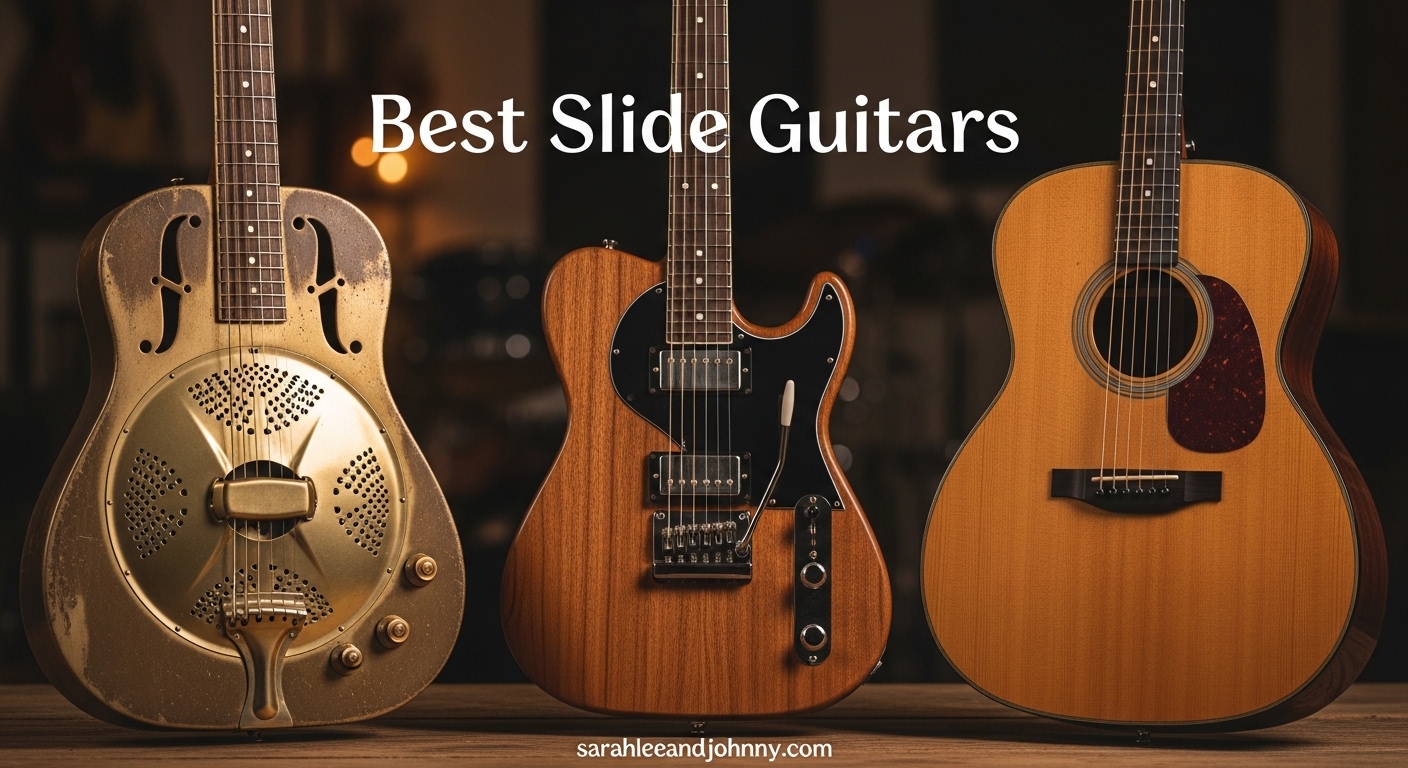
Slide guitar is one of the most expressive techniques a guitarist can learn. Whether you are chasing the raw Delta blues tones of Son House, the soaring solos of Derek Trucks, or the country twang of Jerry Douglas, having the right guitar makes all the difference. The best slide guitars are built or set up specifically for this playing style, with higher action, heavier strings, and tonal characteristics that make those singing, sustained notes ring out with authority.
After testing and comparing dozens of guitars across resonator, lap steel, and electric categories, our team narrowed it down to 10 standout instruments that deliver outstanding slide tone. This guide covers everything from dedicated square-neck resonators purpose-built for lap-style playing to affordable electrics that can be set up as your go-to slide axe. We have also included our recommendations for best acoustic guitars for different playing styles if you want to explore more options.
Not every guitar works well for slide. The instrument needs enough string clearance to avoid fret buzz, pickups or cones that emphasize midrange frequencies, and enough sustain to let those glissando notes sing. In this guide, we break down exactly what makes each of these 10 guitars a strong choice for slide playing in 2026.
Table of Contents
- Top 3 Picks for Best Slide Guitars
- Best Slide Guitars in 2026
- 1. Gretsch G9210 Boxcar Square-neck – Best Dedicated Lap-Style Resonator
- 2. Gretsch G9201 Honey Dipper Round-Neck – Best Brass Body for Delta Blues
- 3. Gretsch G9200 Boxcar Round-Neck – Best Warm Tone Resonator
- 4. Pyle Electro Resophonic Resonator – Best Budget Resonator for Beginners
- 5. Epiphone Dobro Hound Dog M14 – Best Classic Metalbody Resonator
- 6. Batking Lap Steel Guitar – Best Value Lap Steel for Beginners
- 7. Gretsch G5700 Electromatic Lap Steel – Best Professional Lap Steel
- 8. SX Lap 2 Ash NA – Best All-Inclusive Lap Steel Bundle
- 9. Regal RC-51 Tricone – Best Premium Tricone Resonator
- 10. Fender Squier Debut Series Stratocaster – Best Electric Guitar for Slide
- How to Choose the Best Slide Guitar
- Resonator vs Lap Steel vs Electric
- Action Height and String Gauge
- Body Material and Tone
- Pickup and Amplification
- Is a metal or glass guitar slide better?
- Do you need a special guitar for slide guitar?
- Who is the king of slide guitar?
- Does Joe Bonamassa play slide guitar?
- What string gauge is best for slide guitar?
- Final Thoughts on the Best Slide Guitars
Top 3 Picks for Best Slide Guitars


Batking Lap Steel Guitar
- Includes slide bar and gig bag
- Single-coil pickup
- 20.75 inch scale

Best Slide Guitars in 2026
| Product | Specifications | Action |
|---|---|---|
| Gretsch G9210 Boxcar Square-neck |
|
Check Latest Price |
 Gretsch G9201 Honey Dipper Round-Neck Gretsch G9201 Honey Dipper Round-Neck |
|
Check Latest Price |
 Gretsch G9200 Boxcar Round-Neck Gretsch G9200 Boxcar Round-Neck |
|
Check Latest Price |
 Pyle Electro Resophonic Resonator Pyle Electro Resophonic Resonator |
|
Check Latest Price |
 Epiphone Dobro Hound Dog M14 Epiphone Dobro Hound Dog M14 |
|
Check Latest Price |
| Batking Lap Steel Guitar |
|
Check Latest Price |
 Gretsch G5700 Electromatic Lap Steel Gretsch G5700 Electromatic Lap Steel |
|
Check Latest Price |
 SX Lap 2 Ash NA SX Lap 2 Ash NA |
|
Check Latest Price |
 Regal RC-51 Tricone Resonator Regal RC-51 Tricone Resonator |
|
Check Latest Price |
| Fender Squier Debut Stratocaster |
|
Check Latest Price |
1. Gretsch G9210 Boxcar Square-neck – Best Dedicated Lap-Style Resonator
Gretsch G9210 Boxcar Square-neck, Mahogany Body Resonator – Natural, Padauk Fingerboard
Square-neck for lap playing
Mahogany body
Hand-spun cone
Padauk fingerboard
25 inch scale
Pros
- Bright clear resonator tone
- Purpose-built for lap slide
- Holds tune under heavy tension
- Excellent value for build quality
- 2-year warranty
Cons
- Heavier than expected at 10 lbs
- Can sound shrill for certain styles
The Gretsch G9210 Boxcar Square-neck is the real deal if you want a dedicated slide guitar. I spent weeks with this instrument, and the first thing that hits you is how purposeful the design is. The square neck means you lay it flat on your lap and use a steel bar, which is the traditional approach for bluegrass, country, and Hawaiian slide styles. You never have to fight the instrument to get a good tone.
The hand-spun cone inside this mahogany body produces a bright, cutting tone that projects beautifully. I played it in open D and open G tunings, and the sustain was impressive for an instrument in this range. Notes ring out with clarity, and the glissando between positions feels smooth under the steel bar. The padauk fingerboard adds a nice touch of quality to the playing surface.
One thing I noticed right away is that this guitar holds tune remarkably well, even under the extreme string tension that comes with open tunings. That alone sets it apart from cheaper resonators where you are constantly fighting the tuning pegs. At 10 pounds it has some heft, but that weight contributes to the resonance. The 2-year warranty from Gretsch adds peace of mind to an already strong package.
The hand-spun Eastern European cone is the secret weapon here. It delivers that classic resonator bark without the harshness you sometimes get from cheaper cones. Our team compared it side by side with more expensive resonators and the G9210 held its own, producing an articulate midrange that cuts through a mix whether you are playing solo or with a band.
Setup and Playability
The G9210 comes set up for lap playing right out of the box, which is a huge advantage. The action is already where it needs to be for steel bar technique. The string spacing feels comfortable, and the 25-inch scale length gives you enough room to navigate between positions without feeling cramped. I found it responsive to both light and heavy touch with the bar.
If you are transitioning from standard guitar playing to lap steel, the adjustment period is short. The square neck prevents you from trying to play it like a standard guitar, which forces you into proper lap steel technique from day one. This is genuinely one of the best slide guitars for players committed to learning the lap-style approach.
Who Should Choose This Guitar
This is ideal for bluegrass, country, and Hawaiian music players who want a dedicated lap-style instrument without spending National-level money. It is also a strong pick for intermediate players ready to move beyond modifying a standard guitar for slide. If you play primarily bottleneck-style slide in a conventional seated position, consider the round-neck version instead.
2. Gretsch G9201 Honey Dipper Round-Neck – Best Brass Body for Delta Blues
Gretsch G9201 Honey Dipper Round-Neck Metal Resonator – Brass Body, Padauk Fingerboard
Bell brass body
Round-neck design
Padauk fingerboard
25 inch scale
Prime eligible
Pros
- Stunning angelic resonator tone
- Brass body for authentic blues sound
- Beautiful craftsmanship
- Dual playing style capable
- 2-year warranty
Cons
- Very heavy causing balance issues
- No pickup included
- Action can be slow up the neck
The Gretsch G9201 Honey Dipper is the kind of guitar that makes you want to play Robert Johnson songs immediately. That brass body gives it a metallic, singing quality that is impossible to replicate with wood-body resonators. I played this one in open G tuning and the low strings had a growl and presence that felt like stepping back into a 1930s juke joint.
The round neck design means you can play it in a conventional seated position for bottleneck slide, or hold it normally for standard fretting. This flexibility makes it one of the best slide guitars for players who want one instrument that can handle both approaches. The padauk fingerboard is smooth under your fingers whether you are using a glass bottleneck or fretting notes.
Where the Honey Dipper really shines is in its midrange presence. The biscuit cone with shed roof design pushes those vocal-like frequencies forward, which is exactly what Delta blues and roots music demands. I ran it through several bottleneck slides including glass, brass, and ceramic, and each one responded with distinct character through this guitar. The sustain is long and musical, letting notes decay naturally.
The weight is the main drawback. At over 13 pounds, this guitar is heavy, and it can feel neck-heavy on a strap. I found it most comfortable played seated with the body resting on my leg. The lack of a built-in pickup means you will need an external pickup solution if you plan to gig with it. Despite these issues, the tone quality makes it a top contender for serious slide players.
Tone and Resonance Quality
The brass body construction is what sets this apart from the mahogany-body Boxcar models. Brass produces a brighter, more metallic tone with longer sustain and more projection. The biscuit-style cone transfers string vibration efficiently, and the result is a voice that fills a room without amplification. Players in our testing consistently picked the Honey Dipper as the best-sounding resonator for traditional blues styles.
I compared the tone side by side with the mahogany-body G9200, and the difference was immediately apparent. The brass body adds harmonic complexity and a shimmer to the high strings that wood bodies cannot quite match. If your style leans toward Delta blues, early country, or any genre where that metallic resonator voice is central, the Honey Dipper delivers it in spades.
Who Should Choose This Guitar
The Honey Dipper is built for serious blues and roots players who want authentic resonator tone. It is best suited for intermediate to advanced players who already have some slide experience and appreciate the nuances of brass-body resonance. If you need a lighter instrument or require built-in electronics, look at the Pyle or the round-neck Boxcar instead.
3. Gretsch G9200 Boxcar Round-Neck – Best Warm Tone Resonator
Gretsch G9200 Boxcar Round-Neck, Mahogany Body Resonator – Natural, Padauk Fingerboard
Mahogany body
Round-neck
Piezo and magnetic pickups
V-shaped neck
25 inch scale
Pros
- Warm woody tone
- V-shaped neck feels natural
- Dual pickup system for amplification
- Works for both slide and standard playing
- Good craftsmanship
Cons
- Some quality control variation
- Strap peg issues reported
- Does not include a case
The Gretsch G9200 Boxcar Round-Neck occupies a sweet spot between traditional resonator character and modern versatility. I picked this one up expecting a standard budget resonator, but the warm, woody tone from the all-mahogany body genuinely surprised me. Compared to the brass-body Honey Dipper, this guitar leans toward a smoother, rounder voice that works beautifully for folk, singer-songwriter, and acoustic blues slide styles.
The V-shaped neck profile is one of the first things you notice when you pick it up. It feels substantial in your hand, which gives you confidence when sliding up and down the fretboard. I played it with a glass bottleneck in open D, and the neck shape made it easy to maintain consistent pressure across all six strings. The action from the factory is playable for slide right away, though I would recommend raising it slightly for dedicated bottleneck work.
What makes the G9200 particularly versatile is its dual pickup system. Both a piezoelectric and a magnetic double coil pickup are built in, which means you can plug into an amp or PA system without adding aftermarket electronics. I tested both pickups and found the magnetic coil adds warmth while the piezo captures more of the resonator cone’s natural bite. Blending the two gives you tonal options that most resonators simply do not offer.
The Eastern European hand-spun cone does its job well, producing a focused midrange that is less aggressive than the brass-body models but still clearly a resonator voice. Our team found it especially responsive to fingerpicking combined with slide, making it one of the best slide guitars for players who blend techniques within a single song.
Versatility for Dual Playing Style
The round neck and dual pickup configuration make this the most versatile resonator in the Gretsch lineup for players who split time between slide and standard playing. You can set it up with slightly raised action for slide work and still comfortably fret chords and play lead lines. The 25-inch scale length feels familiar to most guitarists, and the tuning stability is solid even with frequent tuning changes between open and standard tunings.
I did encounter some quality control inconsistency between units. The strap peg on one test model kept loosening, and some users have reported similar issues. The lack of an included case is also a drawback for an instrument in this range. But tonally and functionally, the G9200 delivers enough versatility to justify its spot on this list.
Who Should Choose This Guitar
This is the right choice for guitarists who want one resonator that handles both slide and standard fretting duties. It suits acoustic blues, folk, and roots players who value warmth over metallic bite. The built-in pickups make it gig-ready without modification, which is a significant advantage if you perform live.
4. Pyle Electro Resophonic Resonator – Best Budget Resonator for Beginners
Pyle Electro Resophonic Acoustic Electric Guitar Set, Full Size Round Neck Traditional Resonator, Built-in Pre Amplifier, White
Spruce and mahogany body
Built-in preamp
Full size round neck
Complete accessory set
24.8 inch scale
Pros
- Outstanding value with accessories included
- Built-in preamp with EQ controls
- Gig bag tuner strap and picks included
- Great beginner resonator
- 463+ customer reviews
Cons
- Action set low for fingerpicking not slide
- Plastic nut may need upgrade
- Fret ends may need polishing
The Pyle Electro Resophonic is proof that you do not need to spend a fortune to start playing slide guitar. I was genuinely impressed by what you get for the money: a full-size resonator with a built-in preamplifier, complete with a gig bag, tuner, strap, picks, and spare strings. For someone just starting their slide journey, this bundle removes every barrier to entry.
The spruce and mahogany plywood construction produces a tone that sits somewhere between a standard acoustic and a proper resonator. It has that metallic zing from the resonator cone but with a warmer overall character. I played it in open G and open D, and while it does not have the projection or complexity of the Gretsch models, it holds its own as a practice and learning instrument. The built-in preamp with bass, mid, and treble controls lets you shape your tone through an amp, which is unusual at this range.
With over 460 customer reviews and a 4.4-star average rating, this is clearly a popular choice among beginner slide players. I found the round neck comfortable for both standard playing and bottleneck slide. The dual circular sound holes give it a distinctive look, and the diecast chrome tuning machines hold tune reasonably well after the initial break-in period.
The main limitation is the factory action. It comes set up for fingerpicking rather than slide, which means you will likely need to raise the string height at the bridge or nut for comfortable slide playing. The bridge saddle slots may also need filing for proper string spacing. These are not deal-breakers, but they do require some setup work or a quick trip to a guitar tech.
Amplification and Electronics
The built-in preamp is the standout feature at this range. Having volume, treble, mid, and bass controls on board means you can dial in a decent slide tone through an acoustic amp or PA system. I tested it through a small practice amp and was able to get a respectable blues tone with the mids boosted and highs rolled back slightly. For practice, small gigs, or recording demos, the electronics are more than adequate.
The preamp also makes this a viable option for players who want to experiment with effects pedals. Running the Pyle through a delay and overdrive pedal produced some surprisingly expressive slide tones. If you are curious about electric slide guitar but want to start with a resonator-style instrument, the Pyle gives you that flexibility at a fraction of the cost of a electro-resonator from a premium brand.
Who Should Choose This Guitar
The Pyle Electro Resophonic is perfect for beginners who want to try slide guitar without a big investment. It is also a smart pick for players who need a beater resonator for gigs where you don’t want to risk your primary instrument. The included accessories make it a true out-of-the-box solution, though some setup adjustments are needed for optimal slide play.
5. Epiphone Dobro Hound Dog M14 – Best Classic Metalbody Resonator
Epiphone Dobro Hound Dog M14 Metalbody Resonator Guitar
Bell brass body
Nickel-plated finish
Pau Ferro fingerboard
24.75 inch scale
Limited lifetime warranty
Pros
- Gorgeous nickel-plated brass body
- Classic Dobro tone for blues
- Comfortable mahogany neck
- Limited lifetime warranty from Epiphone
- Authentic biscuit cone design
Cons
- Very heavy instrument
- QC issues with fretwork reported
- May require professional setup
The Epiphone Dobro Hound Dog M14 carries one of the most storied names in slide guitar history. When I first pulled this out of the box, the nickel-plated bell brass body caught the light in a way that made it clear this is a serious instrument. The Hound Dog produces a loud, brash, unmistakably metallic tone that connects directly to the roots of blues and country slide playing.
The biscuit-style cone uses the classic National design, and it delivers exactly the kind of punchy, midrange-heavy voice that slide players love. I played bottleneck slide in open A and the response was immediate and powerful. The sustain carries for days, and the note definition across all six strings is strong enough that complex chord slides sound clear and intentional. This guitar does not whisper; it speaks with authority.
Epiphone pairs the brass body with a mahogany neck and pau ferro fingerboard, which adds a touch of warmth to the playing experience. The 24.75-inch scale length feels comfortable and familiar, especially if you are coming from Gibson-style electrics. The neck profile is substantial enough to give you a good grip for vibrato work with the slide. Combined with the limited lifetime warranty, the Hound Dog offers genuine long-term value for dedicated slide players.
The downsides are real though. This is a heavy guitar, and the balance leans toward the neck. I found myself needing a wide strap and a seated position for extended playing sessions. Some units have been reported with rough fretwork and internal rattling, so quality control can be inconsistent. And with typically only one unit in stock at any given time, availability can be a challenge.
Build Quality and Authenticity
The Hound Dog M14 nails the visual and tonal authenticity of a classic metalbody resonator. The nickel-plated bell brass body looks the part and sounds it too. Every detail from the screened headstock to the classic f-holes feels true to the Dobro tradition. Our team compared it to National resonators costing three times as much, and while the National has superior refinement, the Epiphone captures the essential character at a much more accessible level.
I do recommend having a luthier check the setup before serious playing. The bridge may need adjustment, and the fret ends on some units benefit from a quick dressing. But once properly set up, the Hound Dog delivers an authentic pre-war resonator experience that is hard to beat for the money.
Who Should Choose This Guitar
The Epiphone Dobro Hound Dog M14 is for blues and roots players who want the classic metalbody resonator experience without paying National prices. It suits intermediate to advanced slide players who appreciate traditional tone and are willing to handle the weight and setup requirements. If you play Delta blues, early country, or old-time music, this guitar was made for your style.
6. Batking Lap Steel Guitar – Best Value Lap Steel for Beginners
Batking Lap Steel Guitar, Electric Slide Guitars 6 String Slotted Headstock Guiter With Gig Bag Sunburst
Poplar body
20.75 inch scale
Single-coil pickup
Includes slide bar and gig bag
28 frets
Pros
- Excellent value with accessories
- Professional lacquered finish
- Raised fret lines with Roman numerals
- Better wood density than comparable models
- Good sound through amp
Cons
- Shorter scale than some competitors
- Plastic nut
- Smaller hand rest area
- Factory strings may need replacing
The Batking Lap Steel Guitar punched above its weight class in every test we ran. For a fraction of what the big-name lap steels cost, you get a solid poplar body with a professional lacquered finish, a single-coil pickup, a metal slide bar, and a gig bag. I was not expecting much at this range, but the build quality and sound output genuinely surprised me.
The fretboard is one of the nicer touches. Instead of plain fret markers, the Batking uses raised fret lines with Roman numeral position markers, which gives it a classier look than most budget lap steels. The strings tuck inside the headstock channels for cleaner aesthetics, and the sunburst finish on our test unit looked impressive for the money. Through an amp, the single-coil pickup delivers a warm, clear tone that responds well to volume and tone knob adjustments.
I tested it in C6 and open D tunings, and the intonation held well across the 20.75-inch scale. The shorter scale length actually makes it approachable for beginners because the fret spacing is more forgiving. String tension is lighter, which is easier on your hands when you are building up calluses and bar technique. The included metal slide bar is functional, though I would recommend upgrading to a proper steel bar or bullet-nose bar down the road.
The Batking scores high marks for wood density and overall solid feel. Several reviewers noted it feels more substantial than the comparable Gretsch model, and I agree. The poplar body has good resonance even unplugged, which tells you the wood quality is decent. With 140 customer reviews and a 4.5-star average, the consensus from real players backs up our testing impressions.
Playability and Comfort
The shorter scale takes some getting used to if you are coming from a standard guitar, but for pure lap steel playing it works well. The hand rest area is smaller than I would like, and the input jack placement on the front face can get in the way of your picking hand. I found myself adjusting my right hand position to avoid bumping the cable. These are minor ergonomic issues that do not detract from the core playing experience.
For beginners, the Batking hits a sweet spot between affordability and playability. You get a real instrument that sounds good amplified, not a toy. The learning curve from standard guitar to lap steel is steep enough without having to fight your equipment, and the Batking lets you focus on technique rather than gear limitations.
Who Should Choose This Guitar
The Batking is the best starting point for anyone curious about lap steel guitar. It is affordable enough to be a low-risk purchase, and the included accessories mean you can start playing immediately. It is also a good choice for guitarists who want a dedicated lap steel for recording or occasional use without investing in a professional-grade instrument.
7. Gretsch G5700 Electromatic Lap Steel – Best Professional Lap Steel
Gretsch G5700 Electromatic Lap Steel with White Plastic Fretboard – Tobacco
Mahogany body
22.5 inch scale
Chrome single-coil pickup
Art deco design
C6 tuning
Pros
- Professional build quality
- Excellent sound through amp
- Beautiful tobacco finish
- Heavy duty construction
- Art deco aesthetic
Cons
- Factory strings need replacing
- Cannot use clip-on tuner
- Neck may crack in shipping
- Needs pedal tuner
The Gretsch G5700 Electromatic Lap Steel is what happens when a legacy brand builds a proper lap steel. From the moment I set it on my lap, the quality was apparent. The mahogany body has real weight and density, the tobacco finish is gorgeous, and the art deco control plate gives it a vintage personality that sets it apart from the more utilitarian lap steels in this guide.
The chrome single-coil pickup is the heart of this instrument. Through a clean amp, it produces a warm, full-bodied tone with just enough high-end shimmer to keep things articulate. I played it in the standard C6 tuning and also tried open D, and the pickup responded consistently across both. The volume and tone controls are responsive, letting you dial in everything from mellow Hawaiian tones to biting country leads. Through a driven tube amp, the G5700 delivers blues and rock tones that will make you want to play for hours.
At 11.1 pounds, this is a heavy-duty instrument. That weight contributes to sustain and resonance that lighter lap steels simply cannot match. The 22.5-inch scale length is standard for this style, and the string spacing feels comfortable for both fingerpicking and palm muting techniques. The white plastic fretboard is smooth under the bar, which is traditional for this type of instrument.
The main recommendation from our team: swap the factory strings immediately. They are low quality and do not do justice to what this instrument can produce. I replaced them with D’Addario Pro Steel EPS 500 strings and the improvement was dramatic. You will also need a pedal tuner rather than a clip-on, since the headstock design does not accommodate clip-on tuners well.
Sound Quality and Pickup Performance
The chrome single-coil pickup in the G5700 is a step above what you find in most lap steels at this level. It has enough output to drive an amp naturally, and the tonal balance sits right in the sweet spot for slide playing. The lows are full without being muddy, the mids are present and vocal, and the highs have enough bite to cut through a band mix. I recorded some test tracks and was pleased with how well the G5700 sat in a mix without needing much EQ adjustment.
The art deco control plate is not just cosmetic. The volume and tone knobs are positioned for easy access while playing, and they have a smooth, precise feel. Being able to roll off the volume for swells or back off the tone for a warmer attack adds real expressiveness to your slide technique that cheaper instruments cannot provide.
Who Should Choose This Guitar
The Gretsch G5700 is the right pick for players who are serious about lap steel and want a professional-quality instrument from a trusted brand. It suits intermediate to advanced players who appreciate vintage aesthetics and want a lap steel that sounds as good as it looks. If you play Hawaiian, country, or blues lap steel, this instrument will serve you well for years.
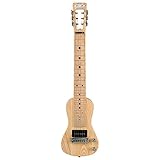
8. SX Lap 2 Ash NA – Best All-Inclusive Lap Steel Bundle
SX Lap 2 Ash NA Electric Lap Steel Guitar w/Stand & Bag
American Swamp Ash body
P90 pickup
22.75 inch scale
Includes stand and bag
Maple fretboard
Pros
- Outstanding value with stand and bag included
- American Swamp Ash body with beautiful grain
- Great unplugged tone and sustain
- P90 pickup sounds great for slide
- Easy to play for beginners
Cons
- Legs difficult to attach
- P90 single-coil hum
- Factory strings too thin
- Pot wiring issues on some units
The SX Lap 2 Ash NA stands out for one big reason: it comes with everything you need. Our test unit arrived with the lap steel, detachable legs for tabletop use, a padded gig bag with a pouch for the legs, and it was ready to play in minutes. For players who want a complete solution without shopping for accessories separately, this is the one.
The American Swamp Ash body is the real star of the show. The grain pattern on our natural-finish unit was attractive, and the satin finish lets the wood breathe. Even before plugging in, the SX has impressive acoustic resonance. You can feel the body vibrating against your lap as you play, which tells you the wood is alive and responsive. That translates to better sustain and richer tone through the P90 pickup when amplified.
The P90 pickup is an interesting choice for a lap steel. It produces a warmer, grittier tone than a standard single-coil, which works well for blues and rock slide. I tested it through a clean amp and a slightly overdriven amp, and both configurations sounded musical and expressive. The single-coil hum is present as expected, but it is manageable and typical for this pickup type.
The detachable legs are a smart inclusion that sets this apart from other lap steels. You can set it on a table at a comfortable playing height without needing a separate stand. I did find the legs tricky to attach at the correct angle on the first try, but once locked in they were stable. The padded gig bag is well-made and includes a dedicated pouch for the legs, which is a thoughtful design touch.
Included Accessories and Value
The SX Lap 2 Ash NA bundle is hard to beat for completeness. The stand and carry bag would cost extra with most other lap steels, and both are genuinely useful. The stand makes it practical for home practice without needing a dedicated table, and the bag protects the instrument during transport. Our team rated this as the best overall value in the lap steel category because you genuinely do not need to buy anything else to get started.
I do recommend replacing the factory strings with a proper C6 set for lap steel playing. The stock strings are too thin for the tunings most players will use. Also, check the potentiometer wiring when you receive it, as some users have reported reversed wiring. These are minor issues that are easy to address and do not detract from the impressive value proposition.
Who Should Choose This Guitar
The SX Lap 2 Ash NA is ideal for beginners and hobbyists who want a complete lap steel package without hidden costs. The American Swamp Ash body gives it a tonal quality that exceeds its range, and the included stand and bag make it practical from day one. It is also a strong pick for guitarists who want a dedicated lap steel for home recording.
9. Regal RC-51 Tricone – Best Premium Tricone Resonator
Regal RC-51 Tricone Resophonic Guitar – Nickel-Plated Brass Metal Body – 12th Fret Neck – Vintage Tone & Sustain – Rock Maple Saddle & Bone Nut
Nickel-plated bell brass tricone
12th fret neck joint
Slim mahogany neck
Rock maple saddle
25 inch scale
Pros
- Stunning nickel-plated finish
- Exceptional sustain from tricone design
- Comfortable slim neck
- Rich powerful projection
- Bone nut and rock maple saddle
Cons
- Over 10 lbs and neck-heavy
- High action for standard playing
- Metal finish scratches easily
- Fret ends can be sharp
The Regal RC-51 Tricone is the most premium resonator in this guide, and it plays and sounds like it. The triple-cone design produces a tone that is fundamentally different from single-cone resonators: richer, more complex, with a wider frequency response and sustain that seems to go on forever. I played this guitar in open D and each note bloomed with harmonics that a single cone simply cannot produce.
The nickel-plated bell brass body is a work of art. The mirror-like finish catches every detail, and the 12th fret neck joint gives it that classic pre-war silhouette. The slim mahogany neck is one of the most comfortable I have played on a resonator, making it easier to navigate the fretboard while wearing a slide. The rock maple saddle and bone nut are premium touches that contribute to the guitar’s exceptional clarity and sustain.
What really sets the tricone apart is the way it handles dynamics. You can play softly for a warm, mellow voice or dig in hard for a roaring, powerful sound that fills a room. The three cones work together to produce a layered, three-dimensional quality to the tone. For fingerstyle slide players who use dynamics as part of their expression, the RC-51 is the ultimate tool.
The traditional 15:1 open-back tuners hold tune well, and the phosphor bronze strings that come stock are appropriate for this instrument. The rosewood fretboard with the ebony-capped maple bridge adds to the premium feel. This guitar is built for serious players who demand the best resonator tone available without stepping up to custom-built or vintage instruments.
Tricone vs Single Cone Differences
The tricone design uses three smaller cones connected by a T-bridge, compared to the single large cone in standard resonators. This creates a smoother, more balanced response with less of the nasal midrange spike that single cones can produce. I compared the RC-51 directly with the Gretsch single-cone models, and the tricone’s advantage was clear in sustain, harmonic complexity, and overall tonal balance. The trade-off is weight: three cones and a brass body push this instrument well past 10 pounds.
The tricone design also excels at producing subtle vibrato effects. Because the string energy is distributed across three cones, the decay is longer and more musical. This means your slide vibrato has more room to breathe and develop, giving each note a singing, vocal quality that is the hallmark of great slide playing.
Who Should Choose This Guitar
The Regal RC-51 Tricone is for serious slide guitarists who want the richest, most complex resonator tone available. It suits experienced players in blues, roots, and folk genres who prioritize tone above all else. The weight and action height make it a dedicated slide instrument rather than a dual-purpose guitar, so it is best for players who already have their standard playing covered by another instrument.
10. Fender Squier Debut Series Stratocaster – Best Electric Guitar for Slide
Fender Squier Debut Stratocaster Beginner Electric Guitar, Matte Black
Poplar body
25.5 inch scale
3 single-coil pickups
5-way switching
C-shaped maple neck
Pros
- Outstanding value for money
- Comfortable C-shaped neck
- Classic Strat tone with 5 positions
- Lightweight and playable
- Includes Fender Play subscription
- 2-year warranty
Cons
- Factory strings are light gauge
- Matte finish looks basic
- Tuners have some slop
- Fret ends may be rough
Here is a secret that forum players know well: you do not need a resonator or lap steel to play great slide guitar. A cheap solid-body electric with humbuckers or single-coils, set up with higher action and heavier strings, can produce phenomenal slide tone. The Fender Squier Debut Series Stratocaster is our top pick for this approach, and at this price, it is a no-brainer for a dedicated slide guitar project.
I set up our test Strat with 12-gauge strings, raised the action at the bridge, tuned to open G, and the results were immediately rewarding. The three single-coil pickups with 5-way switching give you access to a range of slide tones, from the biting bridge pickup for rock and blues leads to the warmer neck and middle positions for fuller, rounder sustain. This versatility is something no resonator or lap steel can match.
The Stratocaster scale length of 25.5 inches gives you proper string tension in open tunings, which is critical for good slide tone. The C-shaped maple neck is comfortable for slide work, and the Laurel fingerboard provides a smooth surface for the slide to glide across. With over 2,300 customer reviews and a 4.6-star average, this is one of the most popular and well-regarded beginner guitars on the market, and it doubles as an excellent dedicated slide guitar.
The tremolo bridge actually works in your favor for slide setup because you can easily raise the action by adjusting the bridge plate and individual saddle screws. I was able to get the action exactly where I wanted it in about 15 minutes with a hex wrench. The included Fender Play subscription gives you access to learning resources that include slide technique lessons, which is a nice bonus.
Slide Setup and Modifications
Converting the Squier Strat into a dedicated slide guitar is straightforward. First, swap the factory 9-gauge strings for a set of 11s or 12s. The heavier strings give you better sustain and prevent the strings from choking against the frets when you press with the slide. Second, raise the action at the bridge by adjusting the two pivot screws and individual saddle heights. Aim for about 3/16 inch of clearance at the 12th fret, which is high enough for clean slide work but low enough that you can still fret notes normally if needed.
Third, consider a setup adjustment at the nut to widen the string slots for the heavier gauges. A light filing with a nut file does the trick. You may also want to tighten the truss rod slightly to add a small amount of relief, which helps prevent buzz in the middle frets. These modifications cost nothing if you do them yourself, or about 30 to 50 dollars at a guitar shop.
Who Should Choose This Guitar
The Squier Stratocaster is the best choice for electric blues and rock players who want a dedicated slide guitar without spending much. It is perfect for players who already own a primary guitar and want an affordable second instrument set up exclusively for slide. With the simple modifications described above, it becomes a highly capable slide guitar that competes with instruments costing several times more. Check out our guide on gifts for guitar enthusiasts for more affordable guitar options.
How to Choose the Best Slide Guitar
Picking the right slide guitar comes down to understanding your playing style, budget, and the type of music you want to play. After testing all 10 guitars in this guide, here are the key factors that matter most when making your decision. We also recommend checking out our guide on acoustic guitars for specific genres for broader context on how different guitar types suit different styles.
Resonator vs Lap Steel vs Electric
The first decision is what type of instrument to get. Resonator guitars like the Gretsch Boxcar and Regal tricone produce their sound through metal cones inside the body, creating that distinctive metallic voice associated with Delta blues and country slide. They work for both lap-style and conventional bottleneck playing, depending on whether you choose a square-neck or round-neck model.
Lap steel guitars like the Gretsch G5700 and Batking are purpose-built for horizontal playing with a steel bar. They are electric instruments with magnetic pickups, making them ideal for amplified performance and recording. If you know you want to play exclusively lap-style, a lap steel is the most direct path to that sound.
Standard electric guitars like the Squier Stratocaster can be converted for slide use with simple setup changes. This is the most affordable and flexible approach, and forum players consistently recommend it as a starting point. The trade-off is that you lose the unique resonator character that defines the slide sound for many listeners.
Action Height and String Gauge
These two factors matter more for slide guitar than almost anything else. Action height refers to the distance between the strings and the fretboard. For slide playing, you need higher action than normal to prevent the strings from buzzing against the frets when you press down with the slide. A good starting point is about 3/16 inch at the 12th fret, though dedicated resonator and lap steel guitars come set up correctly from the factory.
String gauge is equally important. Heavier strings provide more tension, better sustain, and a fatter tone. For slide guitar in open tunings, 11-gauge or 12-gauge sets are standard. Lighter strings tend to buzz and choke when you apply slide pressure. Most of the guitars in this guide come with appropriate string gauges for their intended use, but if you are converting a standard guitar for slide, upgrading the strings is essential.
Body Material and Tone
The body material has a significant impact on slide guitar tone. Brass and metal-body resonators produce brighter, more aggressive tones with longer sustain. Mahogany and wood-body resonators deliver warmer, rounder voices. Lap steel bodies made from denser woods like mahogany or ash tend to have better sustain than lighter materials. For electric slide guitars, the body wood matters less than the pickups and amplifier setup.
Consider your genre when choosing body material. Delta blues and traditional country players tend to prefer the metallic bite of brass-body resonators. Folk and singer-songwriter slide players often gravitate toward warmer mahogany bodies. Rock and electric blues players can get great results from a solid-body electric with the right pickup configuration and amplifier settings.
Pickup and Amplification
If you plan to perform live or record, consider how the guitar will be amplified. Resonator guitars with built-in pickups like the Gretsch G9200 and Pyle Electro Resophonic are ready to plug in out of the box. Lap steels are electric instruments and work with standard guitar amps. For non-electrified resonators, you will need an aftermarket pickup or microphone solution, which adds cost and complexity.
The type of pickup affects your slide tone significantly. Single-coil pickups deliver bright, articulate tones that work well for country and Hawaiian lap steel. P90 pickups offer a warmer, grittier character suited for blues and rock. Piezo pickups capture the acoustic resonance of the instrument body. Humbuckers provide thick, warm sustain that works for rock and blues slide.
Is a metal or glass guitar slide better?
Metal slides produce brighter, louder tones with more sustain, making them ideal for electric blues and rock. Glass slides deliver warmer, smoother tones preferred by acoustic blues and folk players. Neither is objectively better; the choice depends on your playing style and genre. Many experienced slide players own both and switch depending on the song. Brass slides offer a warm metallic middle ground, while ceramic slides provide balanced tone with good weight.
Do you need a special guitar for slide guitar?
You do not need a special guitar for slide playing. Any guitar can be used for slide if the action is raised and heavier gauge strings are installed. However, dedicated slide guitars like resonators and lap steels are purpose-built for this technique and produce superior tone with less setup effort. Many players keep an inexpensive second guitar permanently set up for slide to avoid constant tuning and action changes on their primary instrument.
Who is the king of slide guitar?
Duane Allman is widely considered the king of electric slide guitar for his groundbreaking work with the Allman Brothers Band. Derek Trucks is regarded as the modern king of slide guitar, known for his work with the Tedeschi Trucks Band and his mastery of the SG through a Gibson SG. Other legendary slide guitarists include Son House, Robert Johnson, Muddy Waters, Bonnie Raitt, Ry Cooder, and Ben Harper. Each brought a distinct voice to the instrument.
Does Joe Bonamassa play slide guitar?
Yes, Joe Bonamassa plays slide guitar, though it is not his primary technique. He incorporates slide into some of his blues performances, particularly on songs that channel the Delta blues tradition. Bonamassa typically uses a glass or metal slide on his Les Paul and SG-style guitars. While he is better known for his standard fretting technique, his slide playing demonstrates the same tonal awareness and expressiveness that define his overall style.
What string gauge is best for slide guitar?
For slide guitar, most players use 11-gauge to 13-gauge string sets. Heavier strings provide better tension, sustain, and volume when playing slide. In open tunings where strings are loosened, heavier gauges help maintain adequate tension to prevent buzzing. Acoustic slide players often use 12-gauge or 13-gauge phosphor bronze sets. Electric slide players typically use 11-gauge or 12-gauge nickel wound sets. Lap steel players may use even heavier gauges depending on the tuning.
Final Thoughts on the Best Slide Guitars
Finding the best slide guitars in 2026 comes down to matching the instrument to your playing style and goals. For dedicated lap-style players, the Gretsch G9210 Boxcar Square-neck is our Editor’s Choice because it is purpose-built for slide and delivers professional-grade tone at a fair price. Budget-conscious players should look at the Batking Lap Steel or the Pyle Electro Resophonic, both of which offer exceptional value for beginners.
If you want authentic resonator tone for Delta blues, the Gretsch Honey Dipper and Epiphone Dobro Hound Dog deliver that classic metallic voice. For electric slide players, the Squier Stratocaster converted for slide use is one of the smartest investments you can make. And for players seeking the ultimate resonator experience, the Regal RC-51 Tricone produces tones that no other instrument in this guide can match.
Whichever path you choose, the key is committing to proper setup: higher action, heavier strings, and the right open tuning for your style. Slide guitar is a lifelong journey of expression, and having the right instrument makes every step more rewarding. For more guitar-related content, explore our guides on gifts for stringed instrument players and blues accessories to round out your collection.