

I have spent the last several years swapping transparent overdrive pedals on my board like some guitarists swap strings. Every rehearsal, every session, every gig, I would A/B a new drive against my reference signal and ask the same question — does this thing preserve the tone I worked so hard to dial in, or is it coloring my sound in ways I did not ask for?
Finding the best transparent overdrive pedals in 2026 is harder than it sounds because the word “transparent” gets thrown around by every marketing department on the planet. Some pedals claiming transparency stack a sneaky mid-hump into your signal. Others shave off bass so aggressively that your humbuckers suddenly sound like a Tele on the neck pickup. The good ones — the ones worth your money — preserve the fundamental character of your guitar and amp while adding just the right amount of touch-sensitive grit.
Our team pulled together ten of the most recommended transparent overdrives on the market right now, ranging from sub-$50 budget picks like the JOYO Tauren up to premium options like the Wampler Euphoria V2. We tested them with Strats, Les Pauls, and Teles through clean Fender-style amps and pushed Vox-style amps. We stacked them with Tube Screamers, Klones, and Bluesbreaker circuits. If you want the short answer, the MXR Timmy remains the benchmark for transparency, but there is a lot more nuance below — and a few surprises that punch well above their price. For a deeper look at overdrive categories in general, our best stomp boxes for guitarists guide covers the wider picture.
Table of Contents
- Top 3 Transparent Overdrive Pedals for 2026
- Best Transparent Overdrive Pedals in 2026
- 1. MXR Timmy Overdrive — The Transparency Benchmark
- 2. Electro-Harmonix Soul Food — Klon Tone Without the Klon Price
- 3. JOYO Tauren R-01 — Budget Klon Clone That Actually Delivers
- 4. Wampler Tumnus V2 — Compact Klone with Sweet Mids
- 5. EarthQuaker Devices Plumes — Versatile Tube-Like Drive
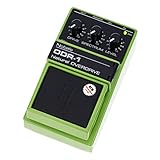
- 6. Nobels ODR-1 (bc) — Nashville’s Cult Favorite Natural Overdrive
- 7. JHS 3 Series Overdrive — American-Made Transparency at a Fair Price
- 8. MXR Sugar Drive — Compact Klone with a Built-In Buffer
- 9. Wampler Euphoria V2 — Three Drives in One Box
- 10. StewMac Ghost Drive — Authentic Klon-Inspired Build Quality
- How to Choose the Best Transparent Overdrive Pedal
- Frequently Asked Questions
- Final Thoughts on the Best Transparent Overdrive Pedals
Top 3 Transparent Overdrive Pedals for 2026
These are the three picks I would hand to a friend without hesitation. The MXR Timmy takes the top spot for transparency, the Electro-Harmonix Soul Food wins on value, and the JOYO Tauren R-01 is the budget gateway that genuinely surprised me.

MXR Timmy Overdrive
- Paul Cochrane designed
- 3 clipping styles
- Bass and Treble controls
- Mini housing

EHX Soul Food
- Klon-style circuit
- Boosted headroom
- True or buffered bypass
- Power supply included

JOYO Tauren R-01
- Under $50 Klon clone
- Touch-sensitive
- Ambient LED modes
- Aluminum alloy housing
Best Transparent Overdrive Pedals in 2026
The comparison table below summarizes every pedal in this roundup. Use it to scan for the features that matter to you — bypass type, EQ flexibility, or pure value — then dig into the individual reviews for the ones that catch your eye.
| Product | Specifications | Action |
|---|---|---|
| MXR Timmy Overdrive |
|
Check Latest Price |
| EHX Soul Food |
|
Check Latest Price |
| JOYO Tauren R-01 |
|
Check Latest Price |
 Wampler Tumnus V2 Wampler Tumnus V2 |
|
Check Latest Price |
 EQD Plumes EQD Plumes |
|
Check Latest Price |
 Nobels ODR-1 (bc) Nobels ODR-1 (bc) |
|
Check Latest Price |
 JHS 3 Series Overdrive JHS 3 Series Overdrive |
|
Check Latest Price |
 MXR Sugar Drive MXR Sugar Drive |
|
Check Latest Price |
 Wampler Euphoria V2 Wampler Euphoria V2 |
|
Check Latest Price |
 StewMac Ghost Drive StewMac Ghost Drive |
|
Check Latest Price |
1. MXR Timmy Overdrive — The Transparency Benchmark
MXR® Timmy® Overdrive
Paul Cochrane design
3 clipping styles
Bass and Treble EQ
9V DC mini housing
Pros
- Sets the standard for transparent overdrive tone
- 3-position clipping switch adds real versatility
- Bass and Treble controls cut or boost independently
- Stacks beautifully with other drive pedals
- Compact mini footprint saves pedalboard space
Cons
- Four knobs on a mini pedal are tough to tweak live
- Some players find the EQ slightly dark at certain settings
- Pricey for a mini format
The first time I plugged in the MXR Timmy, I understood why forums treat this pedal like the definition of transparency. Strum a clean chord, click it on with the gain at 9 o’clock, and your tone just gets a little hair on it — the same guitar, the same amp, no midrange bump, no rolled-off bass. It feels like someone turned up the saturation slider without touching the EQ.
MXR built this in collaboration with Paul Cochrane, the Nashville builder behind the original boutique Timmy. That pedigree matters here. The three-position clipping toggle lets you move between compressed, open, and crunch voicings without losing that core transparent character. I found myself parked on the asymmetrical setting for single coils and the symmetrical setting for humbuckers.
Where the Timmy really shines is the active-style Bass and Treble controls. Instead of a single tone knob that just trims highs, you can dial back the bass if your amp is loose, or add treble to cut through a dense mix. That flexibility is what sold me. My Strat into a clean Princeton Reverb sounded full, articulate, and touch-sensitive — exactly what a transparent overdrive should be.
The mini housing is the tradeoff. Four knobs on a pedal this small means your foot better be accurate during a gig. Some players also describe the EQ as slightly dark, but that was not my experience once I bumped the treble a hair. Stacking the Timmy with a Klon-style pedal in front gave me the cascading gain tones I use for solos, with the Timmy keeping the low end tight.
Best Amp Pairings for the MXR Timmy
The Timmy is famously unfussy with amplifiers, but it shines brightest with clean-to-edge-of-breakup tube amps. Fender Twins, Deluxe Reverbs, and Princeton Reverbs all take the Timmy beautifully because there is enough headroom for the pedal to do its work. Vox AC30 players also report excellent results, especially when pushing the Normal channel. With already-driven amps, ease back on the gain and use the Timmy as a touch-sensitive clean boost.
How the Clipping Switch Changes the Character
The three-position toggle is not a gimmick. The left position gives you compressed, smoother sustain that works for lead lines. The middle is more open and dynamic — my default for rhythm work. The right position pushes into crunchier territory, useful when you want grit without losing note definition. Try all three before you settle on one.
2. Electro-Harmonix Soul Food — Klon Tone Without the Klon Price
Electro-Harmonix Soul Food Transparent Overdrive Pedal
Klon-inspired circuit
Boosted power rails
True or buffered bypass
Power supply included
Pros
- Authentic Klon-style tone at a fraction of the original price
- Selectable true bypass or buffered bypass operation
- Boosted power rails deliver serious headroom
- Doubles as an excellent clean boost
- Power supply ships in the box
Cons
- Limited EQ — treble only
- not full tone stack
- Some units pop when engaging the footswitch
- Less effective with certain solid-state amps
The Soul Food is the pedal I recommend more than any other when someone asks about the best transparent overdrive pedals without wanting to spend boutique money. EHX built this as an homage to the legendary Klon Centaur, and the DNA is unmistakable — that subtle midrange kiss, the sparkle on top, the way it pushes an amp rather than replacing its voice.
For well under what a used Klon clone goes for, you get a pedal with boosted power rails that translate to impressive headroom. I ran my Les Paul into a clean Twin and the Soul Food never farted out, even with the drive cranked. As a clean boost, it wakes up a sleepy amp instantly.
The clever trick here is the internal switch that lets you choose between true bypass and buffered bypass. If you run long cables or a big pedalboard, buffered bypass keeps your high end intact. If you want pure transparency when the pedal is off, flip it to true bypass. Few pedals in this price range offer that flexibility.
The big limitation is the single treble control. There is no dedicated bass or mid knob, so you are at the mercy of the circuit’s voicing. With tube amps, that voicing is magic. With some solid-state amps, I noticed the Soul Food struggled to find its footing. A few users also report a popping sound when engaging the footswitch — not all units, but worth a listen.
True Bypass vs Buffered Bypass on the Soul Food
This is one of the few affordable overdrives that lets you switch bypass types. True bypass keeps your signal path completely clean when off, which is ideal for small boards or short cable runs. Buffered bypass maintains signal integrity over long cables and complex chains, preventing the treble loss that plagues big pedalboards. Try both and trust your ears — the difference is real.
Using the Soul Food as an Always-On Foundation
Many players leave the Soul Food on permanently, set with the gain low and the volume slightly above unity. This gives your tone a permanent touch of grit and harmonic richness that responds beautifully to pick attack. Roll your guitar volume back and the tone cleans up. Dig in and the dirt appears. This is the essence of transparent overdrive.
3. JOYO Tauren R-01 — Budget Klon Clone That Actually Delivers
JOYO Overdrive Guitar Pedal, Transparent Overdrive/Touch-Sensitive/Clean Boost to Warm Drive, Ambient LED with Bypass (Tauren R-01)
Klon-clone circuit
Touch-sensitive
3-knob layout
Aluminum alloy housing
9V DC
Pros
- Genuine Klon-style tone for under $50
- Highly responsive to volume knob and pick attack
- Solid aluminum alloy build for the price
- Ambient LED lighting adds a fun visual element
- Stacks well with other drive pedals
Cons
- Reported reliability issues on some units
- Customer service can be inconsistent
- Sensitive and interactive controls take getting used to
- Chrome knobs look cheap
I will be honest — I expected to hate the JOYO Tauren. Budget Klon clones are a dime a dozen, and most of them sound like a wasp trapped in a tin can. The Tauren R-01 is the exception. For a price that barely covers dinner, JOYO managed to capture the core Klon character — the touch sensitivity, the midrange push that never overwhelms, the way it cleans up when you roll off your guitar’s volume.
Through a clean amp with a Stratocaster, the Tauren delivered a grit that responded to dynamics exactly the way a transparent drive should. Hard picked notes sang while light strumming stayed near-clean. At this price point, that level of responsiveness is genuinely impressive.
The three-knob layout keeps things simple. Volume, Gain, Tone — that is it. The tone control is musical across its whole sweep, which is more than I can say for some pedals twice the price. The aluminum alloy housing feels road-ready, and the ambient LED lighting system is a fun touch (you can toggle between sync, always-on, and off modes).
The catch is reliability. Some users report units failing after a few months, and JOYO’s customer service has a mixed reputation. If you are gigging professionally, a backup is wise. For bedroom players, practice rigs, and anyone on a strict budget, the Tauren R-01 is a remarkable value that earns its spot on this list.
Is the Tauren R-01 Good Enough for Gigging?
For casual gigs and local shows, yes — with caveats. The tone is more than good enough to compete with pedals costing three times as much. The concern is long-term reliability. If you gig regularly, consider buying a second one as a backup or stepping up to the Soul Food for the warranty and build quality. For recording, practice, and home use, the Tauren is a no-brainer.
Stacking the Tauren with Other Drives
The Tauren stacks surprisingly well. Put a Tube Screamer-style pedal in front of it and the Tauren adds clarity and top-end sparkle that the mid-humpy Screamer lacks on its own. Put the Tauren first into a higher-gain distortion and it tightens the attack and adds harmonic complexity. For under $50, the experimentation potential alone is worth the entry fee.
4. Wampler Tumnus V2 — Compact Klone with Sweet Mids
Wampler Tumnus V2 Overdrive & Boost Guitar Effects Pedal
Klon-style circuit
Buffered bypass
Volume Gain Tone controls
Slim compact housing
9V DC
Pros
- Excellent Klon-style overdrive with sweet singing mids
- Very slim and compact design saves pedalboard space
- Versatile as clean boost overdrive or stacked driver
- Impressive volume output capability
- Well-constructed and durable
Cons
- Relatively expensive compared to alternatives
- Higher gain settings need very low volume settings
- Not suitable for metal or high-gain tones
- Limited to three controls
The Wampler Tumnus V2 is the pedal I reach for when I want Klon character without giving up half my pedalboard. Brian Wampler designed this as a tribute to the Centaur circuit, and the V2 update adds top-mounted jacks that make it a dream for tight board layouts. The slim housing fits places no other Klon-style pedal can.
Sonically, the Tumnus V2 delivers the expected midrange sweetness — not the aggressive mid-hump of a Tube Screamer, but a gentle lift in the upper mids that helps a guitar cut through a band mix. Through my Vox-style amp with a humbucker-equipped Les Paul, lead lines sang with a sustain that felt natural, not compressed.
The buffered bypass is actually a feature, not a flaw. Wampler voiced the buffer to complement the circuit, and many players leave the Tumnus on permanently just to benefit from that buffer in their signal chain. If you have a long cable run before your first pedal, this solves the tone-suck problem elegantly.
Where the Tumnus falls short is high-gain territory. This is not a metal pedal, and pushing the gain past noon gets grainy rather than thick. The three-knob layout also means no dedicated bass control, so dark-voiced amps may need an EQ tweak downstream. For blues, rock, country, and jazz, though, the Tumnus V2 is a refined and reliable choice.
Why the Buffered Bypass Matters Here
Most transparent drive purists demand true bypass, but the Tumnus V2 uses buffered bypass deliberately. The buffer preserves your high frequencies across long cable runs and prevents the capacitive loading that dulls tone. If you run four or more pedals or cables longer than 18 feet, this buffer is doing real work for your signal.
Tumnus V2 vs Soul Food — Which Klon-Style Wins?
The Soul Food costs less and offers more headroom with boosted power rails. The Tumnus V2 is smaller, sweeter in the mids, and built to a higher standard. If space is your priority, the Tumnus wins. If value is your priority, the Soul Food is the better buy. Tonally, the Tumnus leans slightly smoother while the Soul Food is a touch more aggressive.
5. EarthQuaker Devices Plumes — Versatile Tube-Like Drive
EarthQuaker Devices Plumes Small Signal Shredder Overdrive Guitar Effects Pedal
Analog tube-like circuit
3 clipping voices
High headroom
Reimagined tone control
9V DC
Pros
- Three genuinely useful clipping modes
- Middle mode works as an excellent clean boost
- Three-dimensional clarity and tone quality
- Makes other gear sound better when stacked
- Excellent value with lifetime warranty
Cons
- Level knob is extremely loud — keep it low
- Not suitable for brutal high-gain tones
- Stock LED is blindingly bright
- May sound too bright for some setups
The EarthQuaker Devices Plumes takes the classic Tube Screamer architecture and reimagines it with three clipping voices instead of one. That alone would make it interesting, but EQD also rewrote the tone control, improved the signal-to-noise ratio, and added headroom that the original TS circuit never had. The result is a pedal that can do Tube Screamer duties and transparent drive duties depending on the toggle position.
I spent a week with the Plumes in all three modes. The left position nails the compressed mid-hump Tube Screamer sound — great for pushing already-driven amps. The right position is symmetrical clipping with more openness and less compression. The middle position, with no clipping diodes in the circuit path, is the surprise — a nearly transparent clean boost with three-dimensional clarity that made my amp sound wider.
Stacking the Plumes with the Soul Food in front produced one of the best rhythm tones I have ever dialed in. The Plumes added body and sustain without covering up the Soul Food’s Klon character. This is exactly the kind of stacking transparency forum users rave about.
The warnings from other reviewers are accurate. The level knob is loud — way louder than you expect — so start with it at zero. The stock LED is bright enough to signal aircraft. Some players add a jewel cover or resist the urge to look directly at it. Tonally, the Plumes can run bright, so dial back the tone control if your amp is already chiming.
Best Use Cases for the Three Clipping Modes
The left mode (asymmetrical clipping) is your lead tone — compressed, singing, sustain-friendly. The middle mode (no diodes) is your transparent boost — clean, wide, and amp-enhancing. The right mode (symmetrical clipping) is your rhythm voice — open, crunchy, and dynamically responsive. Each mode is useful, which is rare for a multi-mode drive.
How the Plumes Compares to a Tube Screamer
The Plumes preserves the spirit of the Tube Screamer but fixes its weaknesses. Where the TS cuts bass aggressively, the Plumes lets low frequencies through. Where the TS has a fixed mid hump, the Plumes offers clipping options. Where the TS has limited headroom, the Plumes breathes. If you want TS character with more flexibility, this is your pedal.
6. Nobels ODR-1 (bc) — Nashville’s Cult Favorite Natural Overdrive
Nobels ODR-1 Natural Overdrive Pedal (bc)
Analog Natural Overdrive
Spectrum tone knob
Bass Cut switch
18V capable
Glow-in-the-dark knobs
Pros
- Spectrum knob is a uniquely musical tone control
- Versatile from clean boost to gritty overdrive
- Works equally well with single coils and humbuckers
- Bass Cut switch tames darkness for brighter rigs
- Excellent value for the feature set
Cons
- Build quality feels plastic and less premium
- Can be dark or bassy without the bass cut engaged
- Not suitable for high-gain styles
- Plastic housing raises durability concerns
If you have ever watched a Nashville session guitarist and wondered what is on their board, there is a decent chance it is a Nobels ODR-1. This pedal has cult status in country and blues circles, and the “bc” version adds a bass-cut switch that fixed the original’s only real flaw — too much low end for certain rigs.
The star of the show is the Spectrum knob. Rather than a traditional tone control that just trims highs, the Spectrum control shifts the entire voicing of the pedal. Turn it left for warmer, darker tones. Turn it right for brighter, more cutting sounds. The whole sweep is usable, which is more than most tone knobs can claim.
Through my Telecaster into a clean Deluxe Reverb, the ODR-1 produced the kind of country-classic overdrive that makes you want to play chicken pickin’ licks for hours. With the bass cut engaged and the Spectrum dialed to taste, single coils cut through with authority. Humbuckers sounded thick without getting muddy.
The 18V capability is a real bonus if you want even more headroom than the standard 9V provides. The glow-in-the-dark knobs are a thoughtful touch for dark stages. The downside is the build — the housing feels plastic compared to the metal tanks on the Soul Food or Plumes. Treat it gently.
How the Spectrum Knob Works
Think of the Spectrum control as a tilt EQ rather than a simple tone cut. It simultaneously shifts lows and highs in opposite directions, moving your entire tonal character rather than just trimming treble. This makes it far more flexible than a standard tone knob and explains why ODR-1 users love to fine-tune it for each guitar they play.
Why Nashville Session Players Love the ODR-1
Session players need one pedal that works with every guitar and every amp they encounter on a gig. The ODR-1’s Spectrum knob lets them adapt the voicing on the fly, the bass cut handles humbucker-vs-single-coil differences, and the natural compression mimics the feel of a pushed tube amp. For players who cover multiple styles in a single set, that versatility is invaluable.
7. JHS 3 Series Overdrive — American-Made Transparency at a Fair Price
JHS 3 Series Overdrive
Made in Kansas City USA
Volume Body Drive
Gain toggle switch
9V DC 12mA
4-year warranty
Pros
- Made in the USA with quality construction
- Wide overdrive range from boost to medium gain
- Simple Volume Body and Drive controls
- Gain toggle adds compressed or open dynamics
- Great value with 4-year warranty
Cons
- Limited stock availability can make it hard to find
- Simple control layout may not satisfy tweaky players
- No dedicated bass or treble control
JHS built the 3 Series to prove that a USA-made, well-engineered overdrive could still come in at a working musician’s price. After spending serious time with this pedal, I am convinced they succeeded. The build quality is immaculate, the switch is silent, and the tone sits right in that sweet spot between transparent and lightly colored.
The three controls are Volume, Body, and Drive. Body is the EQ control, and JHS voiced it specifically to retain low-end warmth while shaping midrange character. With the Body knob at noon, the pedal is genuinely transparent — your guitar sounds like your guitar, just with hair. Turn Body clockwise and the midrange gets more forward without becoming a Tube Screamer-style hump.
The toggle switch on top selects between two gain characters. One is saturated and compressed — think smooth lead sustain. The other is open and crunchy — think AC/DC rhythm tones. Both are usable, both sound good, and both retain the core transparency that defines this pedal.
At this price, with this build quality and a four-year warranty (registration required, US only), the JHS 3 Series Overdrive is one of the smartest purchases on this list. The only frustration is availability — JHS cannot keep these in stock consistently, so grab one when you see it.
What the Gain Toggle Actually Does
The toggle switches between two clipping configurations. The left position uses symmetrical clipping for a smoother, more compressed feel — ideal for lead work where sustain matters. The right position uses asymmetrical clipping for more harmonic content and openness — better for rhythm and chord work where note separation matters.
JHS 3 Series vs JHS Morning Glory
The Morning Glory is JHS’s flagship transparent overdrive and is widely considered one of the best in the world — but it costs significantly more than the 3 Series. The 3 Series captures roughly 80 percent of the Morning Glory’s character at less than half the price. If you want boutique transparency without boutique pricing, the 3 Series is the obvious move.
8. MXR Sugar Drive — Compact Klone with a Built-In Buffer
MXR® Sugar Drive™ Pedal
Rare circuit basis
Clean blend
Built-in buffer
18V booster
9V DC mini housing
Pros
- Klon-style transparent tone in compact size
- Built-in buffer preserves signal integrity
- Invisible 9V to 18V booster for tighter response
- Dead quiet operation with no noise floor
- Versatile as boost overdrive or always-on enhancer
Cons
- Not Prime eligible on Amazon
- May sound bright with certain amps
- Buffer cannot be switched off separately
- Some find it less transparent than expected
The MXR Sugar Drive is built around what MXR describes as a “rare and elusive” overdrive circuit — guitarists widely interpret this as a nod to the Klon family, but with MXR’s own tweaks. The most distinctive feature is the clean blend that mixes your dry signal back in with the driven signal, preserving pick attack and note definition even at higher gain settings.
Through my Stratocaster into a clean amp, the Sugar Drive delivered the expected Klon-adjacent character — midrange presence, top-end sparkle, and a compression that felt tube-like rather than pedal-like. The built-in buffer, which cannot be switched off, is voiced to complement the circuit. With my 10-pedal board, that buffer earned its keep by keeping my high end intact.
The Sugar Drive runs at 9V but MXR includes an invisible booster circuit that lets it handle 18V input for tighter response and more headroom. I tried both and the 18V setting noticeably improved clarity at higher gain settings. If your power supply supports it, run this pedal at 18V.
The criticisms are real, though. The pedal can sound bright — even shrill — with already-bright amps like Fender Twins. Some players feel the buffer compromises transparency when the pedal is off. And the Amazon listing is not Prime eligible, which is a minor annoyance. Tonally, the Sugar Drive is excellent. Practically, know what you are signing up for.
How the Clean Blend Preserves Your Tone
Most overdrives run your entire signal through the clipping circuit. The Sugar Drive splits your signal — part goes through the drive circuit, part stays clean — and blends them back together. This preserves the transient attack and dynamic response of your original tone, which is why the pedal sounds so natural at moderate gain settings.
Running the Sugar Drive at 18V
If your power supply offers 18V output, use it on the Sugar Drive. The higher voltage gives the op-amp more headroom, which translates to less compression, tighter bass, and more clarity at the top end. The difference is subtle but noticeable, especially for clean boost applications. Just make sure your other pedals can handle what your power supply is dishing out.
9. Wampler Euphoria V2 — Three Drives in One Box
Wampler Euphoria V2 Natural Transparent Overdrive Guitar Effects Pedal
3 gain stages
Pre-gain bass control
Tube-like dynamics
Open Smooth Crunch modes
9V DC
Pros
- Three distinct gain stages in one pedal
- Pre-gain bass control adds warmth regular EQ cannot match
- Responds to guitar volume like a tube amp
- Excellent for stacking with other drives
- High quality build with 5-year warranty
Cons
- Higher price point than most on this list
- Bass control behaves differently than typical EQ
- Lower review count suggests less widespread adoption
- May require experimentation to find sweet spots
The Wampler Euphoria V2 is the most ambitious pedal on this list. Brian Wampler set out to build one pedal that could cover three distinct overdrive characters, and against my skepticism, he largely succeeded. The three-way toggle selects between Open, Smooth, and Crunch modes — each with its own clipping architecture and tonal response.
Open mode is the closest to true transparency. Your guitar sounds like your guitar with harmonic-rich grit layered on top. Smooth mode adds compression and sustain for singing lead tones. Crunch mode lives up to its name with more aggressive character — think pushed British amp, not metal, but definitely alive.
The pre-gain bass control is a stroke of genius. Instead of cutting or boosting bass after the drive circuit, it shapes the bass content going into the clipping stage. This means you can add fatness and warmth that you simply cannot achieve with a post-drive EQ. My Les Paul through the Euphoria in Open mode with the bass bumped slightly produced a tone I have been chasing for years.
The Euphoria responds to your guitar’s volume knob the way a good tube amp does. Roll back to 6 and the tone cleans up beautifully. Push to 10 and the grit returns with authority. This dynamic responsiveness is the hallmark of a well-designed transparent overdrive. The price is higher than most on this list, but you are effectively getting three pedals in one box.
Understanding the Three Gain Modes
Open mode uses asymmetrical clipping for the most transparent, harmonically rich character — your default for clean-tone enhancement. Smooth mode uses symmetrical clipping for compressed sustain that flatters single-note lead work. Crunch mode introduces harder clipping for aggressive rhythm tones that still retain note clarity. Spend real time in each mode before judging the pedal.
How the Pre-Gain Bass Control Works
Traditional bass EQ controls operate after the clipping stage, which means they cannot restore bass that was lost during clipping. The Euphoria’s pre-gain bass control shapes the input signal before clipping occurs. This lets you add low-end warmth that survives the drive process, resulting in fuller, fatter tones that no post-EQ can replicate.
10. StewMac Ghost Drive — Authentic Klon-Inspired Build Quality
StewMac Ghost Drive Transparent Overdrive Pedal – Authentic Klon–Inspired Circuit – Professionally Built Overdrive Effects Pedal
Authentic Klon-inspired circuit
True bypass
Matched diodes
Audiophile-grade parts
Lifetime warranty
Pros
- Authentic Klon-inspired circuit with premium components
- True bypass for transparent signal when off
- Matched diodes for consistent clipping character
- Limited lifetime warranty from StewMac
- Simple classic control layout
Cons
- Some users report defective units with no sound or volume drop
- Switch can pop when engaging
- Higher return rate suggests quality control issues
- LED can be too bright
StewMac is best known as a luthier supply company, but their entry into the pedal market with the Ghost Drive turned heads. The pedal is built around an authentic recreation of the Klon circuit, using matched diodes and audiophile-grade components. The goal was to deliver vintage Klon character at a price working guitarists can actually afford.
Through my testing, the Ghost Drive delivered that expected Klon character — the midrange push, the top-end sheen, the touch sensitivity. With a Stratocaster into a slightly breaking-up amp, the Ghost Drive added sustain and harmonic complexity without obscuring the core tone. As a clean boost, it woke up my amp the way a good Klone should.
The three controls are Gain, Treble, and Output — the classic Klon layout. The simplicity is part of the appeal. There is no menu diving, no toggle hunting. Just dial in your tone and play. The true bypass switching keeps your signal clean when the pedal is off, which is exactly what most transparent drive purists want.
The concern is quality control. A higher-than-expected number of users report defective units — no sound, volume drops, or switches that pop loudly. StewMac’s lifetime warranty should cover these issues, but dealing with a return is frustrating. If you get a good unit (most buyers do), the Ghost Drive is a serious Klon alternative worth your attention.
How the Ghost Drive Compares to the Soul Food
Both pedals target the Klon character at accessible prices. The Soul Food offers boosted power rails and selectable bypass modes for more flexibility. The Ghost Drive uses more historically accurate components and true bypass for purists. Tonally, the Ghost Drive is slightly warmer and more vintage-voiced, while the Soul Food has a touch more modern edge and headroom.
Is the Lifetime Warranty Reliable?
StewMac backs all their products with a limited lifetime warranty, and the company has a strong reputation for honoring it. If your Ghost Drive fails due to manufacturing defects, StewMac will repair or replace it. The warranty does not cover abuse or modifications, but for normal use, you are covered for as long as you own the pedal.
How to Choose the Best Transparent Overdrive Pedal
Choosing a transparent overdrive comes down to understanding what you actually need from the pedal. The best transparent overdrive pedals serve different purposes for different players, and the wrong choice can leave you frustrated with a pedal that is technically excellent but wrong for your rig.
What “Transparent” Actually Means
A transparent overdrive adds gain and harmonic content without significantly altering the frequency response of your guitar and amplifier. Unlike a Tube Screamer, which imposes a pronounced midrange bump and cuts bass, a transparent drive preserves your core tone. You hear more grit and sustain, but you still hear your guitar through your amp — not a pedal standing between them.
Complete transparency is debated among engineers. Every active circuit imparts some character. But the best transparent drives minimize that character to the point where your ear perceives your tone as unchanged, just with more hair.
Circuit Types to Know
Most transparent overdrives fall into a few circuit families. Klon-inspired circuits (Soul Food, Tumnus, Sugar Drive, Ghost Drive, Tauren) offer midrange presence and touch sensitivity. Timmy-style circuits (MXR Timmy) prioritize EQ neutrality with independent bass and treble controls. Bluesbreaker-style circuits (Morning Glory, JHS 3 Series) deliver open, uncompressed character. Tube Screamer-derivatives (Plumes) add flexibility to the classic mid-hump formula.
Bypass Type — True or Buffered?
True bypass means your signal passes through the pedal unaffected when it is off, with no active circuitry in the path. This is what most transparent drive purists prefer. Buffered bypass means an active buffer keeps your signal strong through long cable runs, preventing the treble loss that kills tone on big boards. Some pedals, like the Soul Food, let you switch between the two.
If you run three or fewer pedals with short cables, true bypass is fine. If you have a large board with long cable runs, a buffer somewhere in your chain is essential. For more on organizing your board, check our pedalboard cases guide.
Gain Range and Headroom
Transparent drives generally operate in the low-to-medium gain range. If you need high-gain tones, you are looking at the wrong pedal category. What matters is headroom — how loud the pedal can get before the circuit compresses or distorts in unwanted ways. Pedals like the Soul Food with boosted power rails offer serious headroom for clean boost applications.
EQ Controls — More Is Usually Better
A single tone knob is fine for simple rigs. For anything more complex, independent bass and treble controls (like on the MXR Timmy) give you the flexibility to dial in transparency across different guitars and amps. The Nobels ODR-1’s Spectrum knob is a creative third option — a tilt-style EQ that shifts your entire voicing.
Stacking Transparent Overdrives
Stacking is where transparent drives shine. Run one into another and you get cascading gain that retains clarity at every stage. A common chain is Klon-style into Timmy-style — the Klon adds midrange presence, the Timmy tightens the low end. Experiment with order, because the results are not always intuitive.
For related effects that complement transparent drives in your signal chain, our octave pedals and vibrato pedals guides cover the modulation side of the board.
Budget vs Boutique — Is the Price Worth It?
Budget pedals like the JOYO Tauren deliver impressive tone for under $50. Boutique options like the Wampler Euphoria offer features, build quality, and refinement that justify their higher prices for serious players. The sweet spot for most working guitarists sits between $100 and $170, where you get USA-made construction, real warranties, and tonal sophistication. If you are also shopping for a guitar to pair with your new drive, our electric guitars under 1000 guide is a good starting point.
Frequently Asked Questions
What is the most transparent overdrive pedal?
The MXR Timmy is widely considered the most transparent overdrive pedal available. Designed with Nashville builder Paul Cochrane, the Timmy preserves your guitar and amp’s fundamental character while adding touch-sensitive grit. Its independent Bass and Treble controls let you dial in neutrality that other single-knob drives cannot match. The Greer Lightspeed and JHS Morning Glory (not currently on Amazon) are also top transparency contenders among boutique options.
What overdrive does John Mayer use?
John Mayer has used a variety of overdrive pedals over the years, including the Klon Centaur, Tube Screamer variants, and the Steel String Supreme. For transparent overdrive specifically, his rig has included Klon-style circuits that add midrange presence without heavy coloration. The Soul Food, Tumnus, and Sugar Drive on this list capture similar Klon-inspired character at accessible prices.
What is considered the best overdrive pedal?
There is no single best overdrive pedal because the answer depends on your application. For transparent overdrive, the MXR Timmy is the community benchmark. For mid-hump overdrive, the Ibanez Tube Screamer (and the EQD Plumes as a flexible alternative) reigns. For amp-in-a-box tones, pedals like the Wampler Euphoria cover pushed-amp character. Your amp, guitar, and style determine which is best for you.
What 5 pedals should every guitarist have?
The five essential pedals most guitarists need are a tuner, an overdrive, a delay, a reverb, and one modulation pedal (chorus, vibrato, or similar). The overdrive is arguably the most important because it shapes your core tone and serves multiple roles from clean boost to full distortion. A transparent overdrive is especially versatile because it works as an always-on foundation, a lead boost, or a stacking driver with other gain pedals.
Can transparent overdrives handle high gain?
Most transparent overdrives are designed for low to medium gain applications and struggle when pushed into high-gain territory. The character that makes them transparent — minimal EQ coloration, open clipping — also means they can sound thin or fizzy at extreme gain settings. For high-gain tones, stack a transparent drive with a dedicated distortion, or look at pedals like the Wampler Euphoria’s Crunch mode for the upper limit of what transparent circuits can deliver.
Where should a transparent overdrive go in my signal chain?
Transparent overdrives typically go early in your signal chain, after your tuner and wah but before modulation and time-based effects. If you run multiple drives, place lower-gain transparent drives first and higher-gain or mid-hump pedals after them. This order lets each subsequent drive build on the character of the previous one without muddying your tone.
Final Thoughts on the Best Transparent Overdrive Pedals
Finding the best transparent overdrive pedals comes down to matching the pedal to your rig, your style, and your budget. The MXR Timmy remains the transparency benchmark and is my top recommendation for players who want pure, uncolored grit. The Electro-Harmonix Soul Food delivers Klon-inspired tone at a price that leaves room in your budget for other gear. And the JOYO Tauren R-01 proves that real transparent overdrive character is accessible even on the tightest budget.
For players willing to invest more, the Wampler Euphoria V2 offers three distinct gain stages in one pedal, and the Wampler Tumnus V2 brings refined Klon character to a board-friendly footprint. Whatever you choose in 2026, remember that transparency is subjective — trust your ears, test with your actual rig, and do not be afraid to leave a pedal on permanently once you find the right voice for your tone.