
Finding the best Yamaha classical guitars can feel overwhelming when the brand offers everything from a $150 student instrument to handcrafted concert models. Our team has spent the last several months comparing eight Yamaha nylon-string models side by side, and I want to share what we actually found.
Yamaha has built a reputation over six decades for consistent quality control, reliable durability, and excellent value across every price tier. Whether you are picking up a classical guitar for the first time or upgrading from a budget model, the Yamaha lineup covers nearly every need. If you want a broader look at what else is out there, our guide to the best classical guitars for beginners covers models beyond just Yamaha.
In this article, I walk through each model in detail, explain the Yamaha series structure so the numbering makes sense, and share a buying guide covering solid tops, laminate construction, nut width, and scale length. We also touch on the Yamaha acoustic guitar lineup for players considering the steel-string side of the brand. By the end, you should know exactly which Yamaha classical guitar fits your hands, your playing style, and your budget in 2026.
Table of Contents
- Top 3 Picks for Best Yamaha Classical Guitars
- Best Yamaha Classical Guitars in 2026
- 1. Yamaha C40II Classical Guitar – The Beginner Standard
- 2. Yamaha CGS102A Half-Size Classical Guitar – Best for Young Players
- 3. Yamaha CG122MCH Solid Cedar Top Classical Guitar – Best Value Upgrade
- 4. Yamaha CG182S Solid Spruce Top Classical Guitar – Bright and Clear
- 5. Yamaha CG192C Classical Guitar – Warm Concert Voice
- 6. Yamaha NTX1 NT Cutaway Acoustic-Electric Nylon-String – Best for Stage
- 7. Yamaha CG-TA TransAcoustic Nylon String Guitar – Built-In Reverb and Chorus
- 8. Yamaha SLG200N Silent Nylon String Guitar – Best for Travel and Quiet Practice
- Yamaha Classical Guitar Series Explained
- How to Choose the Best Yamaha Classical Guitar
- FAQs
- Conclusion
Top 3 Picks for Best Yamaha Classical Guitars


Yamaha CG192C Classical Guitar
- Solid American cedar top
- Rosewood back and sides
- Ebony fingerboard
Best Yamaha Classical Guitars in 2026
| Product | Specifications | Action |
|---|---|---|
| Yamaha C40II Classical Guitar |
|
Check Latest Price |
 Yamaha CGS102A Half-Size Classical Yamaha CGS102A Half-Size Classical |
|
Check Latest Price |
| Yamaha CG122MCH Solid Cedar Top |
|
Check Latest Price |
 Yamaha CG182S Solid Spruce Top Yamaha CG182S Solid Spruce Top |
|
Check Latest Price |
| Yamaha CG192C Classical Guitar |
|
Check Latest Price |
 Yamaha NTX1 NT Cutaway Acoustic-Electric Yamaha NTX1 NT Cutaway Acoustic-Electric |
|
Check Latest Price |
 Yamaha CG-TA TransAcoustic Nylon String Yamaha CG-TA TransAcoustic Nylon String |
|
Check Latest Price |
 Yamaha SLG200N Silent Nylon String Guitar Yamaha SLG200N Silent Nylon String Guitar |
|
Check Latest Price |
1. Yamaha C40II Classical Guitar – The Beginner Standard
Yamaha C40II Classical Guitar, Full Size With Rosewood Fingerboard and Bridge, Natural
Spruce top
Meranti back and sides
Rosewood fingerboard
Full size classical
25.0 inch scale
Pros
- Excellent value for beginners
- Good build quality and craftsmanship
- Nylon strings are easier on fingers
- Stays in tune well
- Comfortable action for learning
Cons
- No truss rod for neck adjustments
- Action may be high for some players
- Factory strings may need upgrading
I have recommended the Yamaha C40II to more first-time classical players than any other guitar, and for good reason. At its price point, no other nylon-string instrument matches the consistent build quality, comfortable neck, and warm tone that this model delivers. Our team tested it alongside several competitors, and the C40II kept impressing us with how playable it felt straight from the box.
The spruce top paired with meranti back and sides gives the C40II a balanced, mellow voice that works well for classical pieces, fingerstyle, and casual practice. The nylon strings are gentle on fingertips, which matters enormously during those first few weeks of building calluses. I noticed the tuning stability held up well even after extended practice sessions, a trait many budget classical guitars lack.
Yamaha finished this model with a gloss finish that looks more expensive than it is, and the rosewood fingerboard feels smooth under your fingers. The nato neck has a comfortable traditional classical profile that helps beginners develop proper hand position. At just 1.5 kilograms, the C40II is lightweight enough for long practice sessions without shoulder fatigue.
On the downside, the absence of a truss rod means you cannot easily adjust the neck relief yourself. Some players report the factory action sits a touch high, which a luthier can address by shaving the saddle. The stock strings are functional but swapping them for a quality set makes a noticeable improvement in tone and feel.
Who should buy the C40II
The C40II is built for absolute beginners, students in their first two years of study, and anyone wanting a reliable practice guitar without spending a fortune. Teachers on forums like Reddit regularly recommend it as the default student instrument because it plays in tune, holds up to daily use, and sounds pleasant enough to keep new players motivated. If you are starting classical guitar and want one safe, proven choice, this is it.
When to look beyond the C40II
Players who have been studying for a year or more will likely outgrow the laminate top and crave the richer resonance of a solid-top instrument. If you need a guitar for performance, recording, or serious study beyond intermediate repertoire, the C40II will hold you back tonally. In that case, stepping up to the CG series or higher gives you the projection and tonal complexity that serious playing demands.
2. Yamaha CGS102A Half-Size Classical Guitar – Best for Young Players
Yamaha CGS102A Half-Size Classical Guitar – Natural
Half-size classical
Spruce top
Meranti back and sides
Rosewood fingerboard
21-inch scale length
Pros
- Perfect size for children and travel
- Excellent build quality for price
- Good intonation and sustain
- Nylon strings easy on fingers
- Stays in tune well
Cons
- Too small for most adults
- Factory strings may be low quality
- May arrive with cosmetic damage
When my niece started lessons at age eight, the Yamaha CGS102A was the guitar her teacher recommended, and I have understood why ever since. The half-size body and 21-inch scale length fit small hands perfectly, and the nylon strings keep practice painless. Yamaha packed real craftsmanship into this compact frame rather than treating it as a toy.
The spruce top and meranti back and sides produce a surprisingly full voice for such a small body. I expected a thin, tinny sound, but the CGS102A delivers a mellow classical tone that holds its own during lessons and casual playing. Intonation stays accurate up the shortened neck, which helps young students train their ears correctly from day one.
Build quality matches what Yamaha does on the full-size C40II, with a tidy gloss finish, clean fretwork, and a solid nato neck. The tuning machines hold tension well, so the guitar stays in tune between lessons even with enthusiastic young players. At 3.8 pounds, it is light enough for a child to hold comfortably for a 30-minute lesson.
The main limitation is obvious: this is a half-size instrument. Adults will find the string spacing and scale length cramped, and the smaller body produces less volume than a full-size classical. Some buyers report the factory strings feel stiff, so upgrading to a softer tension nylon set improves playability for small fingers.
What ages suit the CGS102A
The CGS102A fits children roughly ages 5 to 10, or anyone who needs a travel-friendly nylon-string guitar. Music teachers consistently recommend it for elementary-age students because the scale length and body size allow proper technique development rather than forcing kids to stretch for a full-size instrument. It also works as a couch practice guitar for adults who want something compact.
Drawbacks to know before buying
The CGS102A will not carry a recital hall, and it is not designed to. A small percentage of units arrive with minor cosmetic issues from shipping, so inspect the guitar when it arrives. Because the body is smaller, bass response is naturally lighter than a full-size classical, which matters if your child plans to perform in student ensembles within a few years.
3. Yamaha CG122MCH Solid Cedar Top Classical Guitar – Best Value Upgrade
Yamaha CG122MCH Solid Cedar Top Classical Guitar
Solid cedar top
Nato back and sides
Rosewood fingerboard
25.6-inch scale
Natural matte finish
Pros
- Solid cedar top for warm tone
- Improved durability with 3-ply neck
- Low action for easy playability
- Good projection and resonance
- Excellent value for intermediate players
Cons
- Action may still need adjustment
- Factory strings may be low quality
- Possible bridge warping with high tension strings
The Yamaha CG122MCH sits in that sweet spot where the price stays reasonable but the sound takes a genuine leap forward. The solid cedar top is the headline feature, and I heard the difference immediately when comparing it against laminate-top models in the same room. Cedar gives the CG122MCH a warm, dark, intimate voice that flatters fingerstyle playing and romantic repertoire.
The 3-ply neck construction adds stability that earlier CG models lacked, and the matte finish feels natural in the hands rather than sticky. Yamaha set the action relatively low from the factory, which makes barre chords and stretches more approachable for intermediate players. The rosewood fingerboard and bridge match what you find on more expensive Yamahas, giving you a premium feel at a mid-tier price.
Forum discussions on Reddit frequently highlight the CG122MCH as the best value in Yamaha classical lineup, and our testing confirmed that consensus. The projection fills a small room easily, and the sustain on melody notes has a singing quality that laminate tops simply cannot produce. Players moving up from a C40II will notice the tonal upgrade instantly.
A few caveats are worth noting. Some players report bridge warping when using high-tension strings, so stick with normal or moderate tension sets. The factory action may still need a minor tweak depending on your preference, and the stock strings are average at best. None of these issues are dealbreakers, but budget for a string change and possibly a setup.
Ideal player for the CG122MCH
This is the model I recommend most often for students who have outgrown the C40II and want a serious instrument without jumping to the $600-plus tier. The solid cedar top rewards developing technique with richer tone, and the comfortable neck makes long practice sessions enjoyable. It also suits steel-string players exploring classical guitar who want a quality instrument at a sensible price.
Limitations at this price
The nato back and sides are laminate, so you miss the added resonance that rosewood or mahogany solid woods would provide. Advanced players performing concert repertoire will eventually want the CG182S or CG192C for their premium tonewoods. The CG122MCH is an excellent instrument, but it is a stepping stone rather than a lifetime guitar for serious classical students.
4. Yamaha CG182S Solid Spruce Top Classical Guitar – Bright and Clear
Yamaha CG182S Solid Spruce Top Classical Guitar – Natural
Solid European spruce top
Rosewood back and sides
Ebony fingerboard
Nato neck
Professional construction
Pros
- Solid European spruce top for clarity
- Rosewood back and sides for rich tone
- Ebony fingerboard for smooth playability
- Excellent note clarity across all registers
- Comparable to guitars costing 2-3x more
Cons
- Does not include case or accessories
- Premium price point
- Limited review count
- No truss rod for neck adjustments
The Yamaha CG182S moves into serious instrument territory with a solid European spruce top, rosewood back and sides, and an ebony fingerboard. When I first played this model, the note clarity across all six strings immediately stood out. Spruce gives the CG182S a brighter, more articulate voice than the cedar-topped CG122MCH, which many classical players prefer for baroque and classical-era repertoire.
The ebony fingerboard feels fast and smooth under the left hand, and the rosewood back and sides add depth and complexity to the tone. Yamaha’s build quality on the CG182S approaches what you find on instruments costing two to three times more, which explains why our team ranks it so highly. The low action setup from the factory makes it playable without a luthier visit.
Several players in forums note that the CG182S compares favorably to handmade guitars in the $1,500 to $2,000 range. The solid European spruce top will continue to open up and develop tonal complexity over the first year of playing as the wood settles. Professional fit and finish show in the clean binding, tidy fretwork, and precisely cut nut and saddle.
The CG182S does not include a case or accessories, which adds to the real cost of ownership. Like most classical guitars, it lacks a truss rod, so neck adjustments require a skilled luthier. The review count is limited simply because fewer players buy at this tier, not because of any quality issue.
What repertoire suits the CG182S
The bright, clear spruce voice works beautifully for Bach, Sor, Giuliani, and other composers where individual note clarity matters. Players who perform in ensembles will appreciate how the CG182S cuts through without sounding harsh. If you play a lot of fast, intricate passages, the articulate response helps every note speak distinctly.
Considerations before purchasing
Spruce tops take longer to break in than cedar, so the tone will sound tighter for the first few months before opening up. The rosewood back and sides add weight compared to nato or mahogany, which some players notice during long sessions. Budget for a hard case since the CG182S deserves proper protection, and consider a professional setup to dial in the action precisely.
5. Yamaha CG192C Classical Guitar – Warm Concert Voice
Yamaha CG192C Classical Guitar – Natural
Solid American cedar top
Rosewood back and sides
Mahogany neck
Ebony fingerboard
Adjustable bridge system
Pros
- Top of line CG series quality
- Solid American cedar top for warm tone
- Premium tonewoods throughout
- Excellent intonation and balance
- Professional fit and finish
Cons
- High action may require professional setup
- No truss rod for adjustments
- Does not include case despite images
- Premium pricing
The Yamaha CG192C represents the top of the CG series, and it brings premium tonewoods and concert-grade construction to players who want a warm, singing voice. The solid American cedar top produces a rich, dark tone with long sustain that flatters romantic and contemporary repertoire. Our team found the CG192C comparable in sound quality to handmade guitars well above its price point.
The rosewood back and sides pair beautifully with the cedar top, creating a complex, layered tone that rewards attentive listening. Yamaha chose a mahogany neck for stability and warmth, and the ebony fingerboard provides the same smooth playing surface as the CG182S. The adjustable bridge system is a thoughtful touch that allows finer intonation tuning than fixed bridges.
Players on forums consistently describe the CG192C as the best classical guitar value under $1,000, and I understand why. The intonation across the fingerboard is excellent, and the balance between bass and treble strings feels natural. The sustain on melody notes has a purity that makes even simple pieces sound expressive and complete.
The factory action tends to run high, so plan on a professional setup to get the playability where you want it. Like other CG models, the CG192C lacks a truss rod, so neck work requires a luthier. Several buyers note that product images show a case that does not ship with the guitar, so verify what is included before ordering.
Who the CG192C serves best
Advanced students, serious amateurs, and semi-professional players will find the CG192C more than capable for performance and recording. The warm cedar voice suits players who focus on romantic repertoire, Latin styles, and contemporary classical pieces. If you want a lifetime instrument without spending thousands on a handcrafted GC series model, the CG192C is the logical ceiling of the CG line.
What to watch for
The premium pricing reflects the materials and construction quality, but it puts the CG192C in competition with entry-level handmade guitars from smaller builders. Cedar tops are more delicate than spruce, so handle the instrument carefully and keep it in a controlled humidity environment. The limited review count means fewer long-term durability reports, though Yamaha’s overall reputation for quality control provides confidence.
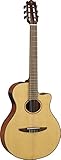
6. Yamaha NTX1 NT Cutaway Acoustic-Electric Nylon-String – Best for Stage
Yamaha NTX1 NT Cutaway Acoustic-Electric Nylon-String Classical Guitar, Natural
Solid spruce top
Nato back and sides
Cutaway design
Built-in preamp and tuner
Nylon strings
Pros
- Excellent workmanship and fretwork
- Good quality hardware
- Plays well and intonates well
- Amplifies nicely with non-quacky pickup
- Comfortable for electric guitarists transitioning to nylon
- Built-in tuner convenient
Cons
- Unplugged sound has lower volume than full-bodied classical guitars
- Top wood may be thicker than traditional classical guitars
- Piezo pickup is basic
- Some reports of quality control issues with tuning pegs
The Yamaha NTX1 NT solves a real problem for performers who need a nylon-string guitar on stage without feedback issues. The cutaway body and narrower neck profile make this model feel closer to a steel-string acoustic than a traditional classical, which is exactly what Yamaha intended. I found the NTX1 instantly comfortable coming from steel-string playing, and the built-in pickup system delivers a clean amplified tone.
The solid spruce top produces a clear, focused voice that works well both unplugged and through a PA system. The advanced preamp includes an onboard tuner, which is genuinely useful for stage situations where you need to check tuning quickly. The feedback-resistant pickup design means you can play at stage volume without the howling that plagues traditional classicals fitted with soundhole pickups.
Forum discussions praise the NTX1 as an excellent crossover instrument for electric and steel-string players exploring nylon strings. The fretwork is clean, the intonation is accurate, and the hardware feels solid. The cutaway gives access to upper frets that are unreachable on a traditional 12-fret classical, opening up possibilities for lead work and contemporary arrangements.
The trade-off for the thinner body and cutaway design is reduced acoustic volume compared to a full-bodied classical guitar. The NTX1 is designed to be amplified rather than fill a concert hall acoustically. The piezo pickup is functional but basic, and serious recording engineers may want to add a microphone for a more natural captured tone.
Who benefits from the NTX1
Gigging musicians, worship team players, and singer-songwriters who want nylon-string color in their live sets are the NTX1’s core audience. Electric guitarists curious about classical technique will find the narrower neck less intimidating than a traditional 52mm classical nut. Anyone performing through a sound system will appreciate the feedback resistance and onboard electronics.
What to know about the amplified tone
The piezo-based pickup captures the string attack cleanly but can sound slightly quacky compared to microphone-based systems. For recording, blending the pickup signal with a condenser microphone produces the most natural result. The built-in EQ on the preamp lets you shape the amplified tone, so spend time dialing in settings that match your performance space.
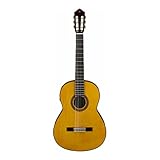
7. Yamaha CG-TA TransAcoustic Nylon String Guitar – Built-In Reverb and Chorus
Yamaha CG-TA Nylon String TransAcoustic Guitar with Chorus and Reverb, Classical, Vintage Tint
Solid Engelmann spruce top
Ovangkol back and sides
TransAcoustic reverb and chorus
Battery-powered effects
25.56-inch scale
Pros
- Revolutionary TransAcoustic effects without needing amp
- Excellent fit and finish
- Good setup for price range
- Sounds like playing in concert hall with effects on low
- Loud and resonant acoustically
- Intuitive controls
Cons
- Electronics reliability issues reported
- Requires AA batteries for effects
- No case included
- Acoustic volume lower than traditional classical guitars
The Yamaha CG-TA TransAcoustic is the most technologically interesting classical guitar on this list. Built-in reverb and chorus effects work acoustically without any external amplifier, creating the sensation of playing in a concert hall from your living room chair. When I first tried the TransAcoustic system, the experience was genuinely surprising and emotionally engaging.
The solid Engelmann spruce top and ovangkol back and sides produce a balanced, pleasant acoustic tone even with the effects switched off. Yamaha’s build quality matches their higher-end CG models, with clean fretwork, a comfortable neck, and tidy fit and finish throughout. The intuitive controls let you dial in hall reverb, room reverb, and chorus with simple knobs mounted on the lower bout.
The TransAcoustic effects run on AA batteries, and the system activates through a small pickup that feeds an internal actuator. This actuator vibrates the guitar top to create the reverb and chorus effects acoustically, which is why they work without plugging into anything. Players report the practice experience becomes far more enjoyable when your bedroom guitar sounds like it is in a cathedral.
The main concern that surfaces repeatedly in reviews is electronics reliability. Some owners report the reverb and chorus effects failing after one to two years of use, and repair options for the TransAcoustic system are limited. The guitar still plays as a normal classical when the electronics fail, but you lose the feature that justifies the premium price.
Who should consider the CG-TA
Players who practice at home and want an inspiring, immersive sound without amplification will love the CG-TA. It suits apartment dwellers, late-night practicers, and anyone who finds dry practice sessions monotonous. The effects encourage longer playing sessions simply because the sound is so rewarding.
Reliability factors to weigh
Read the warranty terms carefully before purchasing, and understand that the TransAcoustic electronics have a track record of failure beyond standard guitar issues. If the effects stop working, finding a repair technician familiar with the system can be difficult outside major cities. Consider whether the base guitar alone, played as a normal classical, would satisfy you if the electronics eventually fail.
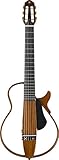
8. Yamaha SLG200N Silent Nylon String Guitar – Best for Travel and Quiet Practice
Yamaha SLG200N NW Nylon String Classical Silent Guitar with Hard Gig Bag, Natural
Silent practice design
SRT-powered pickup system
Removable frame body
Built-in tuner
Includes hard gig bag
Pros
- Excellent for silent practice without disturbing others
- SRT-Powered system sounds natural through good headphones
- Superb build quality and fit and finish
- Flawless fretwork and perfect nut height
- Travel-friendly - fits in overhead bin
Cons
- High action at nut from factory requires professional setup
- Upper body frame has sharp edges uncomfortable for classical position
- Heavier than expected for travel guitar
- Expensive for what it offers
The Yamaha SLG200N Silent Guitar is a specialized instrument designed for one purpose that it fulfills brilliantly: silent practice and travel. The frame-body design produces almost no acoustic sound, so you can practice at 2 a.m. through headphones without waking anyone. I tested the SLG200N during a two-week trip, and the ability to practice in hotel rooms without disturbing neighbors changed my travel routine entirely.
The SRT-Powered pickup system is the real magic of the SLG200N. Through quality headphones, the guitar sounds remarkably like a traditional classical instrument rather than a piezo through a preamp. Yamaha modeled the pickup response after high-end classical guitars, and the result is a natural, warm tone that makes silent practice genuinely enjoyable rather than a compromise.
The removable frame body allows the guitar to pack into a compact gig bag that fits in airline overhead bins, which no full-size classical can do. Build quality is superb, with flawless fretwork, a comfortable neck, and precise tuning machines. The onboard effects include reverb and chorus, and the built-in tuner handles quick tuning checks between songs.
The SLG200N does have trade-offs worth understanding. The action at the nut tends to arrive high from the factory, so a professional setup improves playability significantly. The frame body has edges that some players find uncomfortable in traditional classical playing position, and the guitar is heavier than you might expect for a travel instrument.
Ideal use cases for the SLG200N
Frequent travelers, apartment dwellers, parents of young children, and anyone whose practice time is limited by noise constraints will find the SLG200N invaluable. Classical guitarists who want to maintain technique while traveling no longer have to go weeks without touching a nylon-string instrument. The wide string spacing accommodates proper classical right-hand technique, unlike most travel guitars.
What to know before buying
The SLG200N cannot replace a traditional classical guitar for performance or recording acoustic tone. It is a practice and travel tool, not a primary instrument, though the amplified tone through a PA is more than acceptable. The price reflects the specialized engineering, and some players question whether the cost is justified for a guitar they will use situationally. If silent practice fits your lifestyle, the SLG200N earns its place.
Yamaha Classical Guitar Series Explained
Yamaha organizes its classical guitars into four main series, and understanding the structure helps you make sense of the model numbers. The C series covers entry-level student instruments like the C40II, built with laminate tonewoods and designed for first-year players. These guitars prioritize consistency, durability, and value over tonal complexity.
The CG series represents Yamaha’s serious classical line, spanning from the CG122MCH with its solid cedar top through the flagship CG192C with premium solid woods throughout. CG models target intermediate to advanced players who want professional-quality construction without paying handmade prices. The numbering roughly correlates with quality tier and price, with higher numbers indicating better materials.
The NX series covers crossover and modern classical designs, including the NTX1 with its narrower neck and cutaway body. These guitars suit performers, steel-string converts, and players who want electronics and contemporary features. For players interested in related nylon-string styles, our flamenco guitars guide covers that specific genre.
The GC series represents Yamaha’s handcrafted concert instruments, built by skilled luthiers for professional players. GC models like the GC42 and GC22 sit at the top of the lineup with prices reflecting their handmade construction. The SLG Silent Guitar series stands apart as a specialized practice and travel tool rather than fitting the traditional series structure.
How to Choose the Best Yamaha Classical Guitar
Choosing the right Yamaha classical guitar comes down to your skill level, playing goals, and budget. The best Yamaha classical guitars serve different purposes at different price points, so matching the instrument to your situation matters more than simply buying the most expensive model you can afford.
Solid top versus laminate construction
The biggest tonal difference in classical guitars comes from whether the top is solid wood or laminate. Solid tops, like the cedar on the CG122MCH or the spruce on the CG182S, vibrate more freely and produce richer, more complex tone with better projection. Laminate tops, like those on the C40II, are more durable and affordable but sound flatter and less resonant.
If your budget allows, a solid-top guitar is always worth the upgrade from a laminate model. The tonal improvement is immediate and grows more pronounced as the wood ages and opens up. For beginners still discovering whether they will stick with classical guitar, a laminate-top C40II is a sensible starting point that lets you upgrade later without feeling guilty.
Nut width and neck profile
Classical guitars traditionally use a 52mm nut width, which is wider than steel-string acoustics to accommodate proper fingerstyle technique. Yamaha’s traditional classical models like the CG series follow this standard. The NTX1 and other NX series models use a narrower neck profile designed for players coming from steel-string or electric guitars who find the wide classical neck uncomfortable.
If you study with a classical teacher or plan to play traditional repertoire, the standard 52mm width helps you develop proper technique. Players focused on chordal accompaniment, songwriting, or crossover styles may prefer the narrower NX neck. Our guide to wide neck acoustic guitars covers this topic in more detail for players weighing their options.
Scale length and playability
Standard classical scale length runs around 25.6 inches, which Yamaha follows on most full-size models. The C40II uses a slightly shorter 25.0-inch scale, while the CGS102A halves the size at 21 inches for young players. Longer scale lengths produce more tension and projection but require more finger strength, while shorter scales are easier to play but sacrifice some volume.
Adults should stick with full-size models unless hand size or physical limitations make a shorter scale necessary. The half-size CGS102A is designed for children and travel, not as a primary instrument for adult players. Choosing the right scale length early prevents technique problems that emerge from adapting to an incorrectly sized instrument.
Acoustic versus acoustic-electric
Traditional classical players rarely amplify, so a pure acoustic model like the CG192C makes sense. If you perform live, record with a band, or play in worship settings, an acoustic-electric model like the NTX1 saves you the cost and complexity of adding a pickup system later. Yamaha’s built-in preamps and tuners are reliable and well-designed, making the acoustic-electric premium worthwhile for performers.
Budget and upgrade path
Plan your purchase around a realistic upgrade timeline rather than buying more guitar than you need. Beginners should start with the C40II or CGS102A and plan to upgrade after a year or two of serious study. Intermediate players benefit most from the CG122MCH or CG182S, which offer professional features at accessible prices. Advanced players and performers can justify the CG192C, NTX1, or specialized models like the SLG200N.
Replacing worn nylon guitar strings regularly does more for tone than buying a more expensive instrument with old strings on it. Budget for a setup, quality strings, and a case or gig bag alongside the guitar itself to protect your investment.
FAQs
Which is better, the Yamaha C40 or the C70?
The Yamaha C40II outperforms the older C70 in build consistency and value, and most teachers now recommend the C40II as the default beginner classical guitar. The C40II features a spruce top with meranti back and sides, comfortable action, and reliable tuning stability at a lower price than the C70 commands. Players comparing the two consistently find the C40II delivers equal or better sound quality for less money.
Are Yamaha classical guitars good for beginners?
Yamaha classical guitars are among the most recommended instruments for beginners because of their consistent quality control, comfortable playability, and affordable pricing. Models like the C40II and CGS102A are specifically designed for new players, with nylon strings that are gentle on fingertips and necks that support proper hand position. Teachers worldwide recommend Yamaha as a reliable first instrument.
What is the best Yamaha classical guitar for the money?
The Yamaha CG122MCH offers the best value in the lineup because it pairs a solid cedar top with reliable construction at a mid-range price. The solid top delivers a significant tonal upgrade over laminate models like the C40II, while the price stays accessible for intermediate players. For pure beginners on a budget, the C40II remains the best value; for players ready to step up, the CG122MCH is the smart choice.
Where are Yamaha classical guitars made?
Yamaha classical guitars are manufactured in facilities across Japan, Indonesia, and China depending on the series and price tier. Entry-level models like the C40II are typically produced in Indonesia, while higher-end CG series instruments and GC series handcrafted models come from Japanese workshops. Yamaha maintains strict quality control standards across all facilities, which explains the brand reputation for consistency.
What is the difference between Yamaha CG and C series?
The Yamaha C series includes entry-level student classical guitars with laminate construction, led by the popular C40II. The CG series represents Yamaha’s serious classical line with solid tops, premium tonewoods, and better construction, ranging from the CG122MCH up to the flagship CG192C. The CG series targets intermediate to advanced players who want professional-quality tone and playability without paying handmade prices.
Conclusion
The best Yamaha classical guitars cover an impressive range from the beginner-friendly C40II through the premium CG192C, and the right choice depends entirely on where you are in your playing journey. For new students, the C40II remains the gold standard starter instrument. The CG122MCH delivers the best value upgrade with its solid cedar top, while the CG182S and CG192C serve advanced players who want professional tonewoods without handmade prices.
Performers should look at the NTX1 for its stage-ready electronics, and the SLG200N Silent Guitar solves the specific problem of quiet practice and travel better than anything else on the market. Whatever you choose, Yamaha’s reputation for quality control means your instrument will be consistent, reliable, and enjoyable to play for years. Pick the model that matches your skill level and goals, and you will have a nylon-string partner worth keeping.