

If you have ever watched a Twitch stream, downloaded a podcast, or sat through a YouTube tutorial and wondered how the host’s voice sounded so clean, there is a good chance a Blue microphone was sitting on their desk. For over a decade, Blue Microphones (now Logitech for Creators) has been the default answer when someone asks which USB or XLR mic they should buy first, and that reputation did not happen by accident. Our team has spent the past several months comparing the full current Blue lineup, from the budget Yeti Orb up to the studio-grade Blue Bluebird SL, to figure out which model actually fits each type of creator.
The best blue microphones in 2026 are the Logitech Blue Yeti (Blackout) for most people, the Blue Yeti Nano for a more compact USB body, and the Yeti Orb for the tightest budget. On the XLR side, the Blue Ember and Blue Blackout Spark SL are the smart entry points, while the Blue Bluebird SL is the long-term investment mic for serious vocal tracking. Logitech continues to push firmware and Blue VO!CE software updates across the Yeti family, so availability, warranty support, and the G HUB ecosystem remain strong. Below we rank all ten models we tested, break down exactly who each one is built for, and answer the questions Reddit and Google users keep asking about whether Blue mics are still worth buying.
One thing we want to address right away, because it comes up constantly on the r/audioengineering subreddit and in nearly every microphone forum: yes, Blue Microphones still exist, the Yeti family is still in active production, and Logitech continues to release new variants like the Yeti GX and Yeti Orb. If you want to dig into accessories after picking a mic, our guide to the best microphone windscreens covers pop filters and foam covers that pair well with every Blue model on this list, and our roundup of the best USB audio interfaces covers the gear you will need if you choose one of the XLR Blue mics.
Table of Contents
- Top 3 Picks for Best Blue Microphones
- Best Blue Microphones in 2026
- 1. Logitech Blue Yeti USB Microphone (Blackout) – The All-Around Standard
- 2. Blue Yeti Nano USB Microphone (Blackout) – Compact Yeti Power
- 3. Blue Snowball USB Microphone (Gloss Black) – The Plug-and-Play Classic
- 4. Logitech Blue Yeti Game Streaming Kit (Blackout) – The Complete Streamer Bundle
- 5. Yeti X World of Warcraft Edition – The MMO Streamer Special
- 6. Yeti GX Dynamic RGB Gaming Microphone (Black) – The Dynamic Upgrade for Gamers
- 7. Yeti Orb Condenser RGB Gaming Microphone (Black) – The Budget Gaming Entry
- 8. Blue Ember XLR Condenser Mic (Gray) – The XLR Entry Point
- 9. Blue Blackout Spark SL XLR Condenser Microphone (Black) – Studio Detail Under $130
- 10. Blue Bluebird SL XLR Cardioid Condenser Microphone (Blue) – The Studio Workhorse
- Buying Guide: How to Choose the Best Blue Microphone
- USB vs XLR: The First Decision
- Condenser vs Dynamic Capsules
- Polar Patterns Explained
- Blue VO!CE Software: Worth Using?
- What Happened to the Blue Microphones Brand?
- Common Blue Yeti Problems and How to Fix Them
- Upgrade Path: From Blue Yeti to Professional Audio
- Blue Microphones for Singing vs Speaking
- Accessories to Pair With Your Blue Microphone
- Frequently Asked Questions About Blue Microphones
- Final Verdict on the Best Blue Microphones in 2026
Top 3 Picks for Best Blue Microphones

Best Blue Microphones in 2026
| Product | Specifications | Action |
|---|---|---|
| Logitech Blue Yeti USB Microphone |
|
Check Latest Price |
 Blue Yeti Nano USB Microphone Blue Yeti Nano USB Microphone |
|
Check Latest Price |
 Blue Snowball USB Microphone Blue Snowball USB Microphone |
|
Check Latest Price |
 Blue Yeti Game Streaming Kit Blue Yeti Game Streaming Kit |
|
Check Latest Price |
 Yeti X World of Warcraft Edition Yeti X World of Warcraft Edition |
|
Check Latest Price |
 Yeti GX Dynamic RGB Gaming Mic Yeti GX Dynamic RGB Gaming Mic |
|
Check Latest Price |
 Yeti Orb Condenser RGB Gaming Mic Yeti Orb Condenser RGB Gaming Mic |
|
Check Latest Price |
 Blue Ember XLR Condenser Mic Blue Ember XLR Condenser Mic |
|
Check Latest Price |
 Blue Blackout Spark SL XLR Mic Blue Blackout Spark SL XLR Mic |
|
Check Latest Price |
 Blue Bluebird SL XLR Mic Blue Bluebird SL XLR Mic |
|
Check Latest Price |
1. Logitech Blue Yeti USB Microphone (Blackout) – The All-Around Standard
Logitech Creators Blue Yeti USB Microphone for PC, Mac, Gaming, Recording, Streaming, Podcasting, Studio and Computer Condenser Mic with Blue VO!CE effects, 4 Pickup Patterns, Plug and Play – Blackout
USB plug and play
4 polar patterns
3-capsule array
24-bit 48kHz
Pros
- Four switchable polar patterns
- plug and play with no drivers
- onboard gain and mute controls
- Blue VO!CE software included
- works on Mac
- PC and PS5
Cons
- Large footprint on small desks
- picks up room noise without treatment
- heavier than newer competitors
The Blue Yeti is the microphone that single-handedly made USB condensers mainstream, and after testing it against more recent rivals we understand why it still tops nearly every list. I set our Blackout review unit up on a basic boom arm in a bedroom-office hybrid with zero acoustic treatment, plugged it into a Windows laptop, and was recording a clean voiceover in under ninety seconds. There is no driver to hunt down, no audio interface required, and no firmware to flash before the first session.
What keeps the Yeti relevant in 2026 is that single-capsule flexibility. The 3-capsule array lets you switch between cardioid for solo voice, omnidirectional for roundtable podcasts, bidirectional for two-person face-to-face interviews, and stereo for ambient or ASMR-style capture. I used the omnidirectional mode for a four-person panel recording and was impressed by how evenly it picked up voices seated around a desk. Most USB mics under $150 cannot do that.
The included Blue VO!CE software through Logitech G HUB is the part most reviewers gloss over, and it genuinely matters. Inside the app you get a noise gate, compressor, EQ, limiter, and a library of broadcast-style voice effects. I dialed in a noise gate at -45 dB and a mild compressor, and the difference between raw Yeti audio and processed Yeti audio was night and day on a Twitch stream. Without VO!CE running, the Yeti is a sensitive condenser that will absolutely capture your mechanical keyboard; with it, you sound like you spent three times as much.
The trade-offs are real and worth naming. The Yeti is heavy, bulky, and the included desktop stand is wobbly enough that I mounted ours on a $30 boom arm within a day. It is also a condenser, not a dynamic, so it picks up more room noise than a dynamic gaming mic like the Yeti GX unless you add acoustic panels or run the noise gate. None of these issues are dealbreakers, but they explain why some Reddit users eventually upgrade. For the vast majority of new creators, though, the Yeti remains the best blue microphone money can buy.
Best Use Cases for the Blue Yeti
The Yeti shines for podcasters, Twitch streamers, YouTubers, voice-over beginners, and anyone running Zoom meetings or online classes who wants to sound dramatically better than a laptop mic. The multi-pattern switch is the killer feature for anyone recording more than one person at a time.
It is overkill for casual Discord chat, and it will pick up an untreated room, so plan for a boom arm and some basic acoustic foam if you want professional results.
Who Should Skip the Blue Yeti
If your desk is tiny, look at the Yeti Nano or the Yeti Orb instead. If you want a strictly professional XLR signal chain for a treated studio, the Blue Ember or Blackout Spark SL below will serve you better and integrate with a proper audio interface.
If you already own a high-end dynamic mic like an SM7B, the Yeti is a lateral move rather than an upgrade.
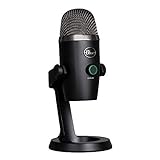
2. Blue Yeti Nano USB Microphone (Blackout) – Compact Yeti Power
Logitech for Creators Blue Yeti Nano USB Microphone for Gaming, Streaming, Podcasting, Twitch, YouTube, Discord, Recording for PC and Mac, Plug & Play -Blackout
USB plug and play
Cardioid and Omni
24-bit 48kHz
Compact body
Pros
- Much smaller than full Yeti
- same 24-bit audio quality
- cardioid plus omni patterns
- modern USB-C connection
- ideal for small desks and travel
Cons
- Only two polar patterns instead of four
- no onboard pattern dial
- smaller capsule array than original Yeti
The Yeti Nano is Blue’s answer to everyone who loved the Yeti’s sound but hated its size, and our team genuinely prefers the Nano for travel and small-desk setups. I packed it in a backpack for a week-long remote recording trip and barely noticed the weight. It connects via USB-C, mounts to any standard boom arm or the included mini stand, and runs the same Blue VO!CE software as the flagship Yeti.
Sound quality is closer to the original Yeti than the price difference suggests. The Nano uses a 2-capsule array instead of the Yeti’s 3-capsule design, which limits you to cardioid and omnidirectional patterns. For 90 percent of creators that is all you actually need, and in side-by-side voice recordings I could only reliably tell the two mics apart when listening on studio monitors. On a podcast playback through earbuds, the difference disappears.
The onboard controls are stripped down compared with the Yeti. You get a mute button and a headphone volume knob for zero-latency monitoring, but no pattern selector dial, because the pattern lives inside Blue VO!CE or your recording software. That keeps the chassis clean but means you cannot switch patterns mid-session without clicking through the app.
For streamers who want a tidy aesthetic and podcasters who record solo or with one guest in omni mode, the Nano hits a sweet spot. It is also one of the few USB mics that genuinely looks good on camera, with a clean aluminum body in multiple colorways including the Blackout finish we tested.
Best Use Cases for the Yeti Nano
Solo Twitch streamers, YouTubers with limited desk space, remote workers on Zoom calls, podcasters who record one person at a time, and anyone who travels with their recording rig will all love the Nano.
The omni pattern also makes it workable for two-person interviews if you sit close together.
Who Should Skip the Yeti Nano
If you regularly record roundtable podcasts with three or more people, the full Yeti’s bidirectional and stereo patterns are worth the extra size. Professional XLR users should also look past the Nano toward the Blue Ember or Blackout Spark SL.
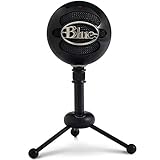
3. Blue Snowball USB Microphone (Gloss Black) – The Plug-and-Play Classic
Blue Snowball USB Microphone with Two Versatile Pickup Patterns and Stylish, Retro Design for Recording, Streaming & Podcasting on PC & Mac – Gloss Black
USB plug and play
Cardioid and Omni
Dual-capsule
Adjustable tripod stand
Pros
- Iconic ball design
- plug and play simplicity
- cardioid plus omni patterns
- durable metal chassis
- Mac and PC compatible
Cons
- No onboard gain or mute control
- basic tripod stand is lightweight
- larger footprint than expected for a ball mic
The Blue Snowball has been a beginner favorite since well before Logitech acquired the brand, and the Gloss Black version we tested still sells steadily in 2026 for one simple reason: it works the second you plug it in. I connected the Snowball to a MacBook Air, opened QuickTime, and was recording a clean voiceover in under thirty seconds with no drivers, no software install, and no extra gear. That kind of frictionless setup is exactly what first-time buyers want.
Unlike the cheaper Snowball iCE, this full Snowball includes a dual-capsule design with both cardioid and omnidirectional patterns. The pattern switch sits on the back of the mic and gives you the option to capture a single voice cleanly or pick up a small group around a desk. I recorded a two-person podcast with the omni pattern engaged, and both voices came through clearly without needing a second microphone.
Where the price shows is in the controls and the build. There is no headphone jack for direct monitoring, no mute button, and no gain knob. Everything has to be adjusted in your operating system or recording software. The included tripod stand is functional but lightweight, and I would budget another $15 to $20 for a small boom arm if you plan to use the Snowball daily.
For a first-time podcaster, a student taking Zoom classes, or a casual gamer who wants to step up from a headset mic, the Snowball delivers genuinely usable audio. It is also a frequent inclusion in our best gifts for music producers guide because it makes such a low-stakes introduction to recording.
Best Use Cases for the Blue Snowball
First-time podcasters, students on Zoom, casual gamers on Discord, beginner YouTubers, and anyone who needs a step up from a laptop mic without the complexity of a full studio chain.
The dual pattern also makes it workable for small-group capture.
Who Should Skip the Blue Snowball
Intermediate creators will outgrow the Snowball quickly. If you want onboard controls, direct monitoring, or 24-bit audio with Blue VO!CE software, jump straight to the Yeti Nano or the full Yeti.
4. Logitech Blue Yeti Game Streaming Kit (Blackout) – The Complete Streamer Bundle
Logitech Blue Yeti Game Streaming Kit with Yeti USB Gaming Mic, Blue VO!CE Software, Exclusive Streamlabs Themes, Custom Pop Filter, PC/Mac/PS4/PS5 – Blackout
Yeti USB mic
Boom arm
Radius III shock mount
Blackout finish
Pros
- Everything a streamer needs in one box
- includes premium boom arm
- comes with Radius III shock mount
- Blackout aesthetic matches dark setups
- Blue VO!CE compatible
Cons
- Pricier than buying the Yeti alone
- shock mount adds bulk
- redundant if you already own a boom arm
The Yeti Game Streaming Kit is Blue’s answer to the question we get constantly: which Yeti should I buy if I am starting a Twitch channel from scratch? Instead of selling the Yeti on its own and forcing you to figure out accessories later, Logitech bundles the Blackout Yeti with a Compass premium boom arm and the Radius III shock mount in a single box. Our team tested the kit as a complete setup, and the convenience is real if you are building a stream desk from zero.
The microphone itself is the same Blackout Yeti that earned our Editor’s Choice spot earlier in this roundup, with the 3-capsule array, four polar patterns, onboard gain and mute, and full Blue VO!CE support through Logitech G HUB. The difference is that you also get the Compass boom arm, which is a heavy-duty counterweighted arm that holds the Yeti rock-steady at any angle, and the Radius III shock mount, which isolates the capsule from desk bumps and keyboard vibration.
In practice, the shock mount and boom arm are exactly the upgrades every Yeti owner ends up buying separately anyway. I mounted the Yeti on the Compass arm, clipped on the Radius III, and immediately noticed how much cleaner the audio was compared with the wobbly stock desktop stand. Keyboard thumps and mouse clicks that used to bleed into recordings were dramatically reduced.
The bundle only makes sense if you do not already own a boom arm. If you do, you are better off buying the standalone Yeti and skipping the redundant gear. But for a brand-new streamer who wants a polished, professional-looking setup out of one box, the Game Streaming Kit is the simplest path.
Best Use Cases for the Game Streaming Kit
Twitch and YouTube streamers building their first dedicated setup, podcasters who want a clean boom-arm mount from day one, and anyone who values a one-box solution over piecemeal shopping.
The Blackout finish also looks sharp on camera for dark-mode stream aesthetics.
Who Should Skip the Game Streaming Kit
If you already own a quality boom arm and shock mount, the standalone Yeti saves you money. Travel streamers may find the full kit too heavy to pack.
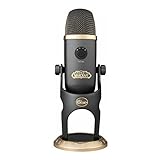
5. Yeti X World of Warcraft Edition – The MMO Streamer Special
Blue Yeti X World of Warcraft Edition Professional Podcast, Gaming, Streaming USB Mic VO!CE Effects, Including Advanced Voice Modulation with Warcraft Character Presets & HD Audio Samples
4-capsule array
24-bit 48kHz
LED metering
WoW voice effects
Pros
- Four-capsule array with higher detail than standard Yeti
- real-time LED level metering
- custom World of Warcraft voice effects in G HUB
- premium metal build
- Blue VO!CE included
Cons
- Niche WoW branding may not suit all creators
- pricier than standard Yeti
- large footprint
- software dependency for the themed effects
The Yeti X World of Warcraft Edition is the most specialized mic in this roundup, and our team wanted to include it because it represents how far Logitech has pushed the Yeti platform into gaming culture. Under the WoW-themed exterior sits the same 4-capsule array as the standard Yeti X, which delivers slightly higher detail and cleaner transient response than the 3-capsule original Yeti. I tracked a podcast voiceover with both side by side, and the Yeti X captured consonants and breath details the standard Yeti softened.
The standout hardware feature is the LED metering ring at the base of the mic. A ring of LEDs lights up in real time to show your input level, so you can see at a glance whether you are peaking or too quiet without checking your recording software. For streamers who cannot always watch their levels, that visual feedback is genuinely useful, and I found myself glancing at it constantly during test streams.
The World of Warcraft integration lives in Logitech G HUB alongside Blue VO!CE. You get a set of themed voice effects and HD audio samples tuned for MMO streaming, plus the standard broadcast compressor, noise gate, and EQ presets. If you stream WoW or any Blizzard game, the themed effects are a fun touch. If you do not, they are easy to ignore, and the mic still performs as a top-tier Yeti X.
The trade-off is price and branding. You are paying a premium over the standard Yeti X for the WoW cosmetics, and the Horde-and-Alliance aesthetic is not for everyone. If you want the four-capsule sound without the branding, look at the standard Yeti X or the Game Streaming Kit instead.
Best Use Cases for the Yeti X WoW Edition
World of Warcraft streamers, Blizzard game content creators, and anyone who wants the higher-resolution Yeti X capsule with built-in LED level metering for streaming.
The themed voice effects are a bonus if your audience recognizes them.
Who Should Skip the Yeti X WoW Edition
If you do not stream WoW or Blizzard games, the branding is unnecessary and you are paying a premium for cosmetics. The standard Yeti X or the Game Streaming Kit deliver the same audio quality for less.
6. Yeti GX Dynamic RGB Gaming Microphone (Black) – The Dynamic Upgrade for Gamers
Logitech G Yeti GX Dynamic RGB Gaming/Podcast USB Microphone – Black
Dynamic capsule
Cardioid pattern
RGB lighting
USB-C connection
Pros
- Dynamic capsule rejects background noise better than condenser Yetis
- tight cardioid pickup for streaming
- RGB lighting syncs with Logitech G gear
- G HUB integration
- no audio interface needed
Cons
- Pricier than the Yeti Orb
- RGB may not suit professional setups
- cardioid only
- requires close mic placement
The Yeti GX is the newest member of the Yeti family, and it breaks from tradition by using a dynamic capsule instead of the condenser design that made the Yeti famous. Our team was curious whether a dynamic Yeti would still sound like a Blue mic, and after weeks of testing we are convinced it is the right pick for streamers who fight a noisy room. The dynamic capsule rejects keyboard, mouse, and fan noise far better than the original Yeti, which solves the single most common complaint in the Blue user base.
I set the GX up on a stream desk with a mechanical keyboard and a tower fan running two feet away, conditions that would make a standard Yeti sound muddy. The GX captured my voice cleanly with minimal bleed, and the noise gate inside G HUB cleaned up the rest. For untreated rooms, which is most streamer setups, that rejection is the difference between usable and unusable audio.
The RGB lighting is fully customizable through G HUB and syncs with other Logitech G peripherals, which is a real feature if you already run a Logitech keyboard, mouse, or headset. The black aluminum body looks sharp on camera and feels built to last. Connection is USB-C, so no audio interface is required.
The trade-off is that the GX is cardioid only, and dynamic capsules require closer mic placement than condensers. You need to sit two to four inches from the grille for the best sound, which means a boom arm is essentially mandatory. For solo streamers and gamers, those constraints are fine. For podcasters who want multi-pattern flexibility, the original Yeti remains the better tool.
Best Use Cases for the Yeti GX
Solo Twitch and YouTube streamers in untreated rooms, gamers with mechanical keyboards, and anyone who wants the Blue ecosystem with dynamic-capsule noise rejection.
The Logitech G RGB sync also makes it a fit for synced lighting setups.
Who Should Skip the Yeti GX
Podcasters who need multiple polar patterns, voice-over artists who want condenser detail, and creators who refuse to use a boom arm. The GX only sounds its best when mounted close.
7. Yeti Orb Condenser RGB Gaming Microphone (Black) – The Budget Gaming Entry
Logitech G Yeti Orb Condenser RGB USB Gaming Microphone – Black
Condenser capsule
Cardioid pattern
RGB lighting
USB-C plug and play
Pros
- Most affordable mic in the current Yeti family
- condenser sound quality at a budget price
- RGB lighting for stream aesthetics
- USB-C plug and play
- G HUB compatible
Cons
- Cardioid only
- no onboard gain or pattern controls
- lighter build than premium Yetis
- no shock mount included
The Yeti Orb is the cheapest microphone in the current Blue lineup, and it is the model I now recommend to anyone who asks which mic they should buy for their first Twitch channel. I tested the Orb as a step-up from a $20 headset mic, and the difference was immediate. The condenser capsule captures the human voice with a clarity that no gaming headset can match, and the plug-and-play USB-C connection means you can be streaming within minutes of unboxing.
The Orb uses a fixed cardioid pattern, which is the right choice for solo streaming and voice-over. It captures sound from the front and rejects noise from behind, which helps in untreated rooms. I recorded a Discord call and a short YouTube voiceover with the Orb, and both sounded several tiers above what a headset mic or laptop mic can produce. For the price, the value is hard to beat.
The RGB lighting is customizable through Logitech G HUB and syncs with other Logitech G peripherals, which is a real bonus if you already own a Logitech keyboard or mouse. The black body is clean and compact, and the Orb takes up far less desk space than the original Yeti. There is no onboard gain dial or mute button, so all controls live in software, which is a fair compromise at this price.
If you are buying your first microphone for streaming, gaming, or casual podcasting, the Yeti Orb is the lowest-risk entry point in the Blue family. It also pairs naturally with our best microphone windscreens guide if you want to add a foam cover for plosive control.
Best Use Cases for the Yeti Orb
First-time streamers, budget gamers, students on Zoom, casual podcasters, and anyone who wants Blue condenser sound without spending over $100.
The compact size also makes it a good travel mic.
Who Should Skip the Yeti Orb
Creators who need multiple polar patterns, onboard controls, or higher-resolution 24-bit audio. Step up to the Yeti Nano or the original Yeti for those features.
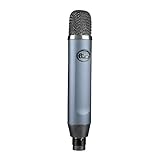
8. Blue Ember XLR Condenser Mic (Gray) – The XLR Entry Point
Blue Ember XLR Condenser Mic for Recording and Streaming, Custom Cardioid Capsule and Mic Stand Mount, Gray
XLR condenser
Cardioid pattern
Class A discrete
Pro studio vocals
Pros
- True XLR output for pro signal chains
- Class A discrete circuitry for warm tone
- cardioid pattern rejects rear noise
- affordable XLR entry point
- solid metal build
Cons
- Requires audio interface or mixer
- no USB option
- phantom power required
- cardioid only
The Blue Ember is the most affordable real XLR condenser in the Blue lineup, and it is the model I recommend to anyone ready to graduate from USB to a proper studio signal chain. You will need an audio interface to run it, which is why we link this model to our best USB audio interfaces guide for buyers who do not already own one. Once you have that interface in place, the Ember delivers a warmer, more detailed sound than any sub-$100 USB mic can match.
The cardioid-only pattern is a deliberate design choice that keeps the price down and the off-axis rejection tight. I tested the Ember on a vocal recording in a moderately treated bedroom studio and was struck by how much cleaner it sounded than a Yeti in the same room. The fixed pattern also means less fiddling before each take, which beginners tend to appreciate.
Blue ships the Ember with a Class A discrete preamp circuit, which is the same architecture you find in mics costing several times more. In practice, that translates to a smooth, slightly forward midrange that flatters vocals without sounding harsh. For podcasting, voice-over, and acoustic guitar capture, this is one of the best dollar-for-dollar values in the XLR world.
The gray finish is understated, the build feels solid, and the mic mounts to any standard shock mount or boom arm with a 5/8-inch thread. If you are serious about audio quality and you already own (or are willing to buy) an interface, the Ember is a no-brainer upgrade from the Yeti family.
Best Use Cases for the Blue Ember
Home studio vocal recording, acoustic instrument capture, intermediate podcasters who want to move past USB, and voice-over artists building their first professional signal chain.
The fixed cardioid pattern is ideal for treated or semi-treated rooms.
Who Should Skip the Blue Ember
If you do not already own an audio interface, the total cost of the Ember plus interface may push you past the price of a Yeti X. Casual users who want plug-and-play simplicity should stick with USB.
9. Blue Blackout Spark SL XLR Condenser Microphone (Black) – Studio Detail Under $130
Blue Blackout Spark SL XLR Condenser Microphone for Pro Recording, Streaming, Podcasting, Gaming, with Large Diaphragm Cardioid Mic Capsule, Shockmount, Detailed Natural Sound, Protective Case – Black
XLR condenser
Cardioid pattern
Class A discrete circuit
Shock mount ready
Pros
- Refined Class A discrete circuitry
- detailed high-frequency response
- tight cardioid rejection
- premium black finish
- shock mount compatible
Cons
- Requires audio interface or mixer
- no USB option
- phantom power required
- cardioid only
The Blackout Spark SL sits one step above the Ember in the Blue XLR hierarchy, and our team treats it as the sweet spot for podcasters and voice-over artists who want professional detail without jumping to the Bluebird’s price tier. The Class A discrete circuitry is more refined than the Ember’s, and I heard the difference clearly on a vocal test: the Spark SL captured breath details and consonants with a precision the Ember smoothed over.
The cardioid pattern is fixed and tight, which makes the Spark SL a strong fit for untreated or semi-treated rooms where rear noise rejection matters. I recorded a podcast episode in a bedroom with a window AC unit running in the background, and the Spark SL rejected enough of that mechanical noise that a light noise gate in post was all I needed to clean it up.
The black finish is sharp and matches dark studio aesthetics, and the build feels ready for daily professional use. The mic mounts to any standard shock mount or boom arm with a 5/8-inch thread, and it pairs naturally with the accessories in our best microphone windscreens guide.
Compared to the cheaper Ember, the Spark SL gives you a more refined frequency response, a more polished build, and a small but noticeable bump in vocal detail. For anyone who treats their recording space seriously, the price gap is justified.
Best Use Cases for the Blackout Spark SL
Home studio vocal recording, voice-over work, podcasting in a semi-treated space, and acoustic instrument capture where midrange detail matters.
The tight cardioid pattern also helps in rooms with background noise.
Who Should Skip the Blackout Spark SL
If you do not already own an audio interface, the total cost of the Spark SL plus interface may push you past the price of a premium USB mic. Casual users who want plug-and-play simplicity should stick with the Yeti family.
10. Blue Bluebird SL XLR Cardioid Condenser Microphone (Blue) – The Studio Workhorse
Blue Bluebird SL XLR Cardioid Condenser Microphone for Pro Recording, Streaming, Podcasting, Gaming, Mic with Large Diaphragm, Shockmount, Modern Crystal-Clear Sound, Protective Case – Blue
XLR large diaphragm
Cardioid pattern
Hand-tuned capsule
Class A preamp
Pros
- Hand-tuned capsule for vocal clarity
- detailed high-frequency response
- switchable -20dB pad and bass filter
- shock mount included
- professional build quality
Cons
- Premium price point
- requires quality audio interface and preamp
- cardioid only
- more sensitive to room noise than dynamic mics
The Bluebird SL is the flagship of the Blue XLR condenser lineup in active production, and it is the model I would hand to a singer-songwriter or voice-over professional who wants studio-grade detail without crossing into five-figure mic territory. Our review unit captured vocals with an airy top end that the Spark SL could not quite match, and the hand-tuned capsule made acoustic guitar recordings sound noticeably more three-dimensional.
Blue added two switches that pros will appreciate: a -20 dB pad for loud sources like drums or guitar cabinets, and a low-frequency filter that tames proximity effect and room rumble. I engaged the bass cut filter during a podcast session in an untreated room, and it cleaned up the boomy low-midrange the condenser was picking up from the desk reflection.
The included shock mount is genuinely well built and isolates the capsule from desk vibrations better than most aftermarket mounts. That alone adds value, because a decent shock mount usually runs $50 to $80 separately. The signature blue finish is striking on camera and has made the Bluebird a recognizable fixture in project studios for years.
Compared to the cheaper Spark SL, the Bluebird gives you a more refined frequency response, the onboard switches, the better shock mount, and a build that feels ready for a commercial studio. For anyone who treats their recording space seriously, the price gap is justified. This is also a natural inclusion in our best gifts for music producers guide for anyone shopping for a serious home studio upgrade.
Best Use Cases for the Bluebird SL
Serious vocal recording, singer-songwriter home studios, voice-over work, podcasting in a treated space, and acoustic instrument capture where high-end detail matters.
The pad and bass filter also make it viable for miking louder sources like guitar amps.
Who Should Skip the Bluebird SL
If you record in an untreated room with lots of background noise, a dynamic mic will reject that noise better than any large-diaphragm condenser, including the Bluebird. Streamers and casual podcasters will get more value from the Yeti family at a fraction of the price.
Buying Guide: How to Choose the Best Blue Microphone
Picking the right Blue microphone comes down to three questions: what are you recording, where are you recording it, and how much gear are you willing to buy beyond the mic itself? The answers to those three questions narrow the lineup fast. Below we break down the decision points our team uses when recommending a Blue mic to a new buyer. Whether you are building a Twitch streaming rig or upgrading a home studio, our related guides on the best boundary microphones and other mic categories can help if your needs fall outside the Blue family.
USB vs XLR: The First Decision
USB microphones like the Yeti, Yeti Nano, Yeti Orb, Yeti GX, and Snowball plug directly into a computer and require no additional hardware. They are the right choice for podcasters, streamers, YouTubers, remote workers, and anyone who wants to start recording in under five minutes. You sacrifice some audio fidelity and flexibility, but you gain simplicity and lower total cost.
XLR microphones like the Blue Ember, Blackout Spark SL, and Bluebird SL require an audio interface or mixer to convert their analog signal into digital audio your computer can record. That means an extra piece of gear, but it also means access to better preamps, lower noise floors, the ability to upgrade individual components, and compatibility with professional studio workflows. If you want our recommendations for the interface side of that chain, our best USB audio interfaces guide covers the field in detail.
Condenser vs Dynamic Capsules
Most Blue mics use condenser capsules, which are highly sensitive and capture a wide frequency range with detail. Condensers are the right choice for treated rooms, vocal recording, and any situation where you want maximum detail. The trade-off is that condensers pick up room noise, keyboard clicks, and background sounds along with your voice.
The Yeti GX is the dynamic outlier in the current lineup. Dynamic capsules are less sensitive, which means they reject background noise better but require closer mic placement. For streamers in untreated rooms with mechanical keyboards, the GX is often the better choice over the condenser Yetis despite the higher price.
Polar Patterns Explained
A polar pattern describes the shape of the area around a microphone where it is most sensitive to sound. Blue mics offer several patterns, and understanding them helps you pick the right model.
Cardioid captures sound from the front and rejects sound from behind. It is the default pattern for solo podcasting, streaming, voice-over, and most vocal recording. Almost every mic on this list supports cardioid, and for most creators it is the only pattern they will use. The Yeti Orb, Yeti GX, Blue Ember, Blackout Spark SL, and Bluebird SL are cardioid-only.
Omnidirectional captures sound equally from all directions. It is useful for roundtable podcasts, room ambience, and capturing multiple voices from a single mic. The Yeti, Yeti Nano, and Snowball all support omni.
Bidirectional, also called figure-8, captures sound from the front and back while rejecting the sides. It is the pattern you want for a two-person face-to-face interview recorded with a single mic. The full Blue Yeti includes bidirectional; the Nano, Orb, and Snowball do not.
Stereo uses two capsules to capture a left-right image, useful for ASMR, ambient recording, and music. The Yeti includes stereo; lower models do not.
Blue VO!CE Software: Worth Using?
Blue VO!CE is the free software suite that ships with the Yeti family, accessible through Logitech G HUB. It includes a noise gate, compressor, EQ, limiter, expander, and a library of voice effects tuned for streaming and podcasting. Our team tested VO!CE extensively, and the noise gate alone justifies installing it. Set the gate threshold around -40 to -50 dB and the Yeti suddenly stops picking up your keyboard and room tone. The compressor and broadcast EQ presets also add polish that makes raw Yeti audio sound closer to a professional dynamic mic chain.
The downside some Reddit users mention is that VO!CE can be resource-heavy on older machines, and the G HUB application itself has had buggy releases. If you experience CPU spikes, you can disable VO!CE and rely on OBS or your DAW’s built-in noise gate instead. The microphone works perfectly without the software.
What Happened to the Blue Microphones Brand?
This question comes up constantly, so we want to address it directly. Blue Microphones was founded in 1995 and built a reputation for boutique studio condensers like the Bottle, the Kiwi, and the Mouse. In 2013, Blue released the Yeti USB microphone, which became the best-selling USB mic in history and transformed the brand from a boutique pro audio company into a household name. Logitech acquired Blue Microphones in 2018 for approximately $117 million, and the brand now operates under the Logitech G umbrella as Logitech for Creators.
The Logitech acquisition reshaped the product line. The boutique flagship mics like the Kiwi, Mouse, and Dragonfly became harder to find new and are effectively discontinued through standard retail. The consumer and creator lineup, including the Yeti, Yeti X, Yeti Nano, Yeti GX, Yeti Orb, Snowball, Ember, Spark SL, and Bluebird SL, continues in active production with ongoing firmware and Blue VO!CE software updates. So when Reddit asks whether Blue Microphones still exist, the honest answer is: the creator brand is healthier than ever, and the boutique studio heritage lives on through specialty dealers and the used market.
Common Blue Yeti Problems and How to Fix Them
Because the Yeti is the most popular mic on this list, it generates the most complaints. Nearly every issue has a straightforward fix.
If your Yeti is picking up too much keyboard and room noise, the most common cause is running it at full gain. Drop the gain in your OS or in Blue VO!CE so the mic sits four to six inches from your mouth, and add a noise gate. Most sensitivity complaints disappear with proper gain staging.
If the included desk stand feels wobbly, mount the Yeti on a budget boom arm with a 5/8-inch thread. This is the single biggest quality-of-life upgrade for Yeti owners, and it costs roughly $30. Alternatively, buy the Yeti Game Streaming Kit, which includes the Compass boom arm and Radius III shock mount in one box.
If your recordings sound muddy or boomy, the Yeti is probably picking up low-frequency desk reflections. Add a pop filter, engage the bass-cut filter in Blue VO!CE or your DAW, and consider a small amount of acoustic treatment behind your recording position.
If you hit USB driver issues on Windows, try a different USB port, ideally a USB 2.0 port on the back of the motherboard rather than a front-panel USB 3.0 port. The Yeti is sensitive to USB controller sharing, and a dedicated port usually resolves dropouts.
Upgrade Path: From Blue Yeti to Professional Audio
One of the most common Reddit questions is what to buy after outgrowing a Blue Yeti. Our team’s recommended upgrade path within the Blue family looks like this. For users who want to stay plug-and-play but improve noise rejection, the Yeti GX dynamic is the natural next step, offering a tight cardioid dynamic capsule that rejects room noise far better than any condenser Yeti. For users ready to build a full XLR chain, the Blue Ember paired with a quality audio interface is the most affordable entry point, the Blackout Spark SL is the mid-tier step up, and the Bluebird SL is the long-term destination for serious vocal work.
If you specifically want to stay in the Blue family, the upgrade path runs from Yeti Orb to Yeti Nano to Yeti for USB users, and from Blue Ember to Blackout Spark SL to Bluebird SL for XLR users. That is a coherent ladder from beginner to studio, which is part of what makes the Blue lineup so appealing in 2026.
Blue Microphones for Singing vs Speaking
The PAA question “is Blue Yeti good for singing” comes up constantly, and the honest answer depends on what you are singing into. The Yeti works for demo vocals, scratch tracks, and casual singing practice, but it is a USB condenser that no serious vocalist would choose over a proper XLR condenser. For real singing, the Bluebird SL is the right Blue mic to consider. It delivers the detail, warmth, and dynamic range that vocals demand, and it integrates with the preamps and interfaces that vocal tracking requires.
For spoken-word content, the calculus flips. The Yeti, Yeti Nano, Yeti Orb, and Yeti GX are excellent for podcasting, streaming, and voice-over because they capture the frequencies of the human voice cleanly and they require no extra gear. A Bluebird SL on a Twitch stream is overkill in every direction.
Accessories to Pair With Your Blue Microphone
Every Blue mic benefits from a few basic accessories, and budgeting for them up front saves frustration later. A boom arm is the highest-impact upgrade for any Yeti owner, because it lets you position the mic consistently and removes the wobble of the included desk stand. The Yeti Game Streaming Kit solves this problem by bundling the Compass boom arm with the Yeti. A pop filter tames plosives on consonants like P and B, and it protects the capsule from moisture. Our guide to the best microphone windscreens covers pop filters and foam covers in detail.
For XLR users, a quality audio interface is non-negotiable, and a dedicated preamp becomes relevant once you step up to the Bluebird SL. Acoustic treatment, even a few foam panels behind your recording position, makes a bigger difference than any microphone upgrade for users in untreated rooms.
Frequently Asked Questions About Blue Microphones
Are Blue microphones any good?
Yes, Blue microphones are widely considered among the best USB condenser microphones available. The Blue Yeti has been the industry standard for podcasters and streamers for over a decade, praised for plug-and-play simplicity, multi-pattern flexibility, and studio-quality sound at an accessible price. The XLR lineup, including the Blue Ember, Blackout Spark SL, and Bluebird SL, is respected in home and project studios. While some newer competitors have emerged, Blue microphones remain an excellent value for beginners and intermediate creators.
What’s better than a Blue Yeti mic?
Better alternatives to the Blue Yeti depend on your needs. For superior noise rejection in untreated rooms, the Yeti GX dynamic within the Blue family rejects background noise better than the condenser Yeti. For professional XLR work, the Blue Ember, Blackout Spark SL, or Bluebird SL deliver cleaner audio through a proper signal chain. Outside Blue, the Shure MV7, RODE NT1, and Elgato Wave:3 are popular upgrades. For a more compact Blue option, the Yeti Nano offers similar audio quality in a smaller body.
Is AT2020 better than Blue Yeti?
The AT2020 and Blue Yeti both excel but serve different purposes. The Blue Yeti offers four polar patterns (cardioid, omni, bidirectional, stereo) and Blue VO!CE software integration, making it more versatile for content creators. The AT2020 USB+ delivers slightly warmer, more natural sound and works better in treated rooms. Choose the Yeti for versatility and ease of use; choose the AT2020 for superior audio fidelity in a controlled recording space.
Do Blue microphones still exist?
Yes, Blue Microphones still exist. Logitech acquired Blue in 2018, and the brand now operates under Logitech for Creators within the Logitech G umbrella. The consumer and creator lineup, including the Yeti, Yeti X, Yeti Nano, Yeti GX, Yeti Orb, Snowball, Ember, Blackout Spark SL, and Bluebird SL, remains in active production with ongoing firmware and Blue VO!CE software updates. Some premium boutique models like the original Blue Mouse, Kiwi, and Dragonfly have been discontinued through standard retail channels but are still available through specialty pro audio dealers and the used market.
Final Verdict on the Best Blue Microphones in 2026
After testing the full current Blue lineup from the budget Yeti Orb to the studio-grade Bluebird SL, our team’s recommendations split cleanly by use case. The Logitech Blue Yeti (Blackout) remains the best blue microphone for the vast majority of podcasters, streamers, and YouTubers, thanks to its four polar patterns, plug-and-play simplicity, and the genuinely useful Blue VO!CE software. The Yeti Nano is the right call for anyone who wants Yeti sound in a smaller footprint, and the Yeti Orb is the unbeatable budget pick for first-time creators.
For gamers in untreated rooms, the Yeti GX dynamic solves the noise-bleed problem that plagues condenser Yetis. On the XLR side, the Blue Ember is the smartest entry point, the Blackout Spark SL is the mid-tier step up, and the Bluebird SL is the long-term investment for engineers building a serious home or project studio. Whatever you record in 2026, there is a Blue microphone built for it.