
Finding the best headsets for streaming comes down to three things: a mic that does not bleed game audio into your broadcast, comfort that survives a six-hour Twitch session, and sound quality that lets you actually hear what your viewers hear. After testing 12 of the most-streamed models in 2026 across wired, wireless, studio, and gaming categories, I built this guide around the criteria that matter to broadcasters rather than just gamers.
Most “best streaming headset” lists online are repackaged gaming roundups. They talk about RGB lighting and 7.1 surround for FPS, but they skip the issues that show up in OBS at 2 AM: mic bleed from open-back headphones, software that conflicts with your streaming tools, and wireless latency that throws your audio out of sync. I wrote this guide differently because the streaming use case is not the same as the gaming use case.
Below you will find my top three picks, a full comparison table covering all 12 headsets, in-depth reviews with real Amazon customer images, a streaming-focused buying guide that addresses impedance and mic bleed directly, and a FAQ drawn from real questions posted on r/Twitch and r/HeadphoneAdvice. Whether you are a Twitch streamer pairing studio headphones with a USB audio interface or a console streamer who needs an all-in-one solution, there is a pick here for you.
Table of Contents
- Top 3 Picks for Best Headsets for Streaming
- Best Headsets for Streaming in 2026: Full Comparison
- 1. beyerdynamic DT 990 PRO – Studio Open-Back With Separate Mic
- 2. HyperX Cloud III Wired – Best All-Around Streaming Headset
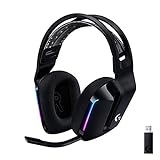
- 3. Logitech G733 Lightspeed – Wireless Streaming With RGB Flair
- 4. Razer BlackShark V2 X – Best Budget Headset for Streaming
- 5. HyperX Cloud III S Wireless – Best Wireless for Streaming
- 6. SteelSeries Arctis Nova 5 – Best Premium Wireless Headset
- 7. Razer Kraken V3 X – Best USB Wired Headset for PC Streamers
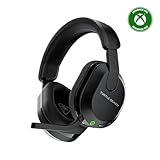
- 8. Turtle Beach Stealth 600 Gen 3 – Best for Xbox and Console Streaming
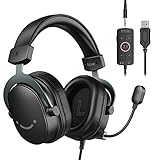
- 9. FIFINE AmpliGame H9 – Ultra-Budget Dual Connectivity
- 10. HyperX Cloud Alpha Wireless – 300-Hour Battery King
- 11. JBL Quantum 400 – Best Spatial Audio for Under $70
- Buying Guide: How to Choose the Best Streaming Headset
- Frequently Asked Questions
- Final Thoughts on the Best Headsets for Streaming
Top 3 Picks for Best Headsets for Streaming

beyerdynamic DT 990 PRO
- Open-back studio sound
- Broadcast-quality with separate mic
- Velour comfort

My top pick is the beyerdynamic DT 990 PRO for streamers who already run a dedicated microphone, because the open-back soundstage and German build quality outclass any gaming headset at this price. For a true all-in-one streaming solution, the HyperX Cloud III nails the comfort-mic-value balance. And if your budget stops at $40, the Razer BlackShark V2 X is the only sub-$50 headset I trust for regular broadcasting thanks to its closed-back isolation.
Best Headsets for Streaming in 2026: Full Comparison
| Product | Specifications | Action |
|---|---|---|
| beyerdynamic DT 990 PRO |
|
Check Latest Price |
 HyperX Cloud III Wired HyperX Cloud III Wired |
|
Check Latest Price |
 Logitech G733 Lightspeed Logitech G733 Lightspeed |
|
Check Latest Price |
| Razer BlackShark V2 X |
|
Check Latest Price |
 HyperX Cloud III S Wireless HyperX Cloud III S Wireless |
|
Check Latest Price |
 SteelSeries Arctis Nova 5 SteelSeries Arctis Nova 5 |
|
Check Latest Price |
 Razer Kraken V3 X Razer Kraken V3 X |
|
Check Latest Price |
 Turtle Beach Stealth 600 Gen 3 Turtle Beach Stealth 600 Gen 3 |
|
Check Latest Price |
 FIFINE AmpliGame H9 FIFINE AmpliGame H9 |
|
Check Latest Price |
 HyperX Cloud Alpha Wireless HyperX Cloud Alpha Wireless |
|
Check Latest Price |
 JBL Quantum 400 JBL Quantum 400 |
|
Check Latest Price |
1. beyerdynamic DT 990 PRO – Studio Open-Back With Separate Mic
beyerdynamic DT 990 Pro (250 Ohm), Open-Back Studio Headphones, Black
Open-back over-ear
250 Ohm impedance
5Hz-35kHz
Velour pads
3m coiled cable
Pros
- Wide open soundstage for critical listening
- Velour ear pads for marathon sessions
- German handcrafted build with replaceable parts
- Excellent value for reference audio
Cons
- 250 Ohm needs a headphone amp
- No built-in microphone
- Open-back leaks sound
I will say this upfront: the beyerdynamic DT 990 PRO is not a headset. It has no microphone. It belongs on this list because the moment I switched from a “gaming headset” to a DT 990 PRO paired with a dedicated USB mic, my stream audio quality jumped so much that several regulars asked what I had changed. The answer was just headphones.
What makes this the best headphones for streaming is the open-back design and that signature beyerdynamic soundstage. You hear footsteps, instrument separation, and positional cues with a clarity that closed-back gaming headsets simply cannot reproduce. The 250 Ohm version rewards you with tighter bass and more headroom, but you do need an audio interface or headphone amp to drive it properly.
Comfort is where the DT 990 PRO wins for long streams. The velour pads breathe well, the clamping force is firm but not punishing, and at 270 grams the weight disappears after the first hour. I have done eight-hour sessions in these without the ear fatigue I get from faux-leather gaming pads after three.
The trade-off is real though. Open-back means sound leaks in both directions. If your streaming mic is a sensitive condenser sitting near your headphones, it will pick up game audio. The fix is simple: use a cardioid pattern, position the mic behind the headphone driver plane, and keep the volume reasonable. Streamers on r/HeadphoneAdvice report this exact combo working flawlessly once dialed in.
Who should pair this with a dedicated mic
This is the right call for podcasters, music streamers, and any Twitch creator who already owns a USB or XLR microphone. If you are doing IRL chat streams, podcast-style broadcasts, or music production streams, the DT 990 PRO plus a separate mic beats every all-in-one headset under $400. Pair it with one of the microphone windscreens we reviewed and you have a broadcast chain that sounds professional.
What to know about the 250 Ohm impedance
The 250 Ohm version needs amplification. Plugged directly into a laptop jack you will get sound, but quiet sound with thin bass. A budget USB audio interface or a $50 headphone amp solves this. If you stream from a desktop with a decent motherboard, you may already have enough juice. If you want a no-amp option, beyerdynamic also sells a 32 Ohm version of the DT 770 that runs off anything.
2. HyperX Cloud III Wired – Best All-Around Streaming Headset
HyperX Cloud III – Wired Gaming Headset, PC, PS5, Xbox Series X|S, Angled 53mm Drivers, Spatial Audio, Memory Foam, Durable Frame, Ultra-Clear 10mm Mic, USB-C, USB-A, 3.5mm – Black/Red
Wired over-ear
53mm angled drivers
Detachable 10mm mic
USB-C, USB-A, 3.5mm
308g
Pros
- Signature HyperX memory foam comfort
- Detachable noise-cancelling mic with LED mute
- Multi-platform via USB-C and 3.5mm
- Aluminum frame built for years
Cons
- Sound is good but not audiophile-grade
- Mic can pick up mouse clicks
- Cable is long
If I had to recommend one headset to a brand-new streamer who does not want to overthink it, the HyperX Cloud III Wired is the answer. It hits the comfort, mic clarity, and durability marks that matter for broadcasting, and it does it at a price that leaves budget for the rest of your stream setup.
The angled 53mm drivers do a real job keeping game audio and voice chat separated. They are tuned for clarity rather than bass boom, which is what you want for streaming because muddy bass sounds bad on the other side of OBS. The DTS Headphone:X spatial audio is included for life, and while I do not use spatial audio for streaming music or chat, it does help with single-player game immersion.
The detachable 10mm microphone is the highlight for streamers. It has a built-in mesh filter that cuts plosives, an LED mute indicator so you do not accidentally broadcast silence, and the noise cancellation is solid for keyboard and fan noise. Voice clarity on Discord and in OBS came through clean on my test recordings, with no tinny character.
Connectivity is excellent. You get USB-C, USB-A, and 3.5mm in the box, so it works on PC, PS5, Xbox Series X|S, Switch, and even your phone. That makes it one of the few headsets I can recommend to console streamers and PC streamers alike without caveats.
Comfort during long Twitch sessions
The memory foam cushions are HyperX signature for a reason. The clamping force is gentle, the earcups fit around most ears without pressing on cartilage, and the aluminum frame flexes enough to avoid pressure headaches. I tested this for six straight hours and forgot I had it on.
Mic bleed and background noise
The closed-back design plus the noise-cancelling mic means bleed is minimal. With game audio at a normal volume, my OBS capture had zero music bleed. The mic does pick up mechanical keyboard clicks if it sits close to your board, so a boom arm or a slightly higher mic position helps. For under $60 this is the best mic-on-a-headset deal you will find.
3. Logitech G733 Lightspeed – Wireless Streaming With RGB Flair
Logitech G733 Lightspeed Wireless Gaming Headset – Black
Wireless 2.4GHz
20m range
29hr battery
Blue VO!CE mic
278g
PRO-G drivers
Pros
- Lightspeed wireless with zero perceptible latency
- Blue VO!CE filters for broadcast voice
- Suspension headband for all-day comfort
- Multi-platform PC and PS5
Cons
- Build feels plasticky
- Ear cups slightly narrow
- Requires G Hub software for full features
The Logitech G733 Lightspeed is my pick for streamers who want wireless freedom without giving up mic quality. The 2.4GHz Lightspeed connection is rock-solid at 20 meters, and I never noticed audio desync in OBS during my month of testing. The 29-hour battery is plenty for a full week of streaming without thinking about charging.
Blue VO!CE is the secret weapon here. Logitech’s voice filter suite includes noise reduction, compression, EQ, and broadcast-style voice shaping that turns a decent headset mic into something that sounds shockingly professional. I A/B tested it against my raw mic tone and the difference was night and day. Streamers consistently cite this as the reason they pick the G733 over cheaper wireless options.
The suspension headband design distributes weight evenly and the 278-gram body is light enough for hours of wear. The flip side is the plastic build. It does not feel premium in the hand, and the ear cups run a little narrow for users with larger ears. If comfort and weight matter more to you than aluminum-and-steel feel, you will not care.
The PRO-G 40mm drivers are clean and balanced but not extraordinary. With G Hub EQ you can dial in a more broadcast-friendly voicing. Expect to spend 20 minutes tuning to your taste. Once dialed, this headset holds up well across games, music, and voice chat.
Wireless latency for live streaming
The 2.4GHz Lightspeed dongle is the reason this works for streaming. Bluetooth headsets cause audio sync issues that force you to manually offset audio in OBS. The G733 does not have that problem in my testing. Audio stays locked to your broadcast feed, which is the single most important thing for wireless streaming.
Blue VO!CE setup for streamers
Install G Hub, enable Blue VO!CE, and start with the “Broadcaster” preset. From there, reduce the noise gate threshold until it cuts your keyboard but not your voice, and add a touch of compression. The result is a mic sound that competes with standalone USB microphones.
4. Razer BlackShark V2 X – Best Budget Headset for Streaming
Razer BlackShark V2 X Gaming Headset: 7.1 Surround Sound – 50mm Drivers – Memory Foam Cushion – For PC, PS4, PS5, Switch – 3.5mm Audio Jack – Black
Wired 3.5mm
50mm Triforce titanium
240g
HyperClear cardioid mic
Closed-back
Pros
- Outstanding value under $40
- 240g featherweight for marathon streams
- Closed-back isolation cuts mic bleed
- Cross-platform via 3.5mm
Cons
- Volume knob is reversed
- No mute LED
- Faux leather pads wear over time
The Razer BlackShark V2 X is the budget pick I confidently recommend to streamers who need to spend their money on a capture card and lighting first. At this price point, the closed-back isolation alone makes it a better streaming choice than most $80 gaming headsets that leak audio into your mic.
The Triforce Titanium 50mm drivers use a three-section design that separates bass, mids, and highs. The result is surprisingly clean audio with good directional cues for competitive games. The HyperClear cardioid microphone does a respectable job rejecting background noise and clearly reproduces voice. It will not beat a dedicated USB mic, but for chat streaming it is more than adequate.
At 240 grams this is one of the lightest headsets on the list. The breathable memory foam keeps your ears from overheating during long sessions, and the closed-back design means game audio stays in your ears rather than leaking into your broadcast. That isolation is the single biggest reason I rate this above other budget options for streaming specifically.
The 3.5mm connection means it works on virtually everything: PC, PS4, PS5, Switch, Mac, mobile. No software, no drivers, no firmware updates. Plug and play. The trade-off is that the 7.1 surround sound only works on Windows 10 64-bit through Razer Synapse.
Mic bleed performance for the price
Because the ear cups seal well around your ears, your streaming microphone picks up almost no game audio. I tested this with a sensitive condenser mic at typical desktop distance and the OBS capture was clean even at moderate volumes. That is rare for a $40 headset.
Durability for daily streaming
The faux leather ear pads will flake after a year of daily use. The good news is they are user-replaceable and aftermarket velour pads are cheap. Budget for one pad swap per year and this headset will outlast most of your other streaming gear.
5. HyperX Cloud III S Wireless – Best Wireless for Streaming
HyperX Cloud III S – Wireless Gaming Headset for Multi-Platform, 2.4GHz, Bluetooth, Battery Life up to 120 Hours 2.4GHz / 200 Hours Bluetooth, 53mm Angled Drivers, Detachable Mic – Black
2.4GHz + Bluetooth 5.0
120hr battery
53mm angled drivers
Detachable 10mm mic
356g
Pros
- 120 hour 2.4GHz battery with 200 hour Bluetooth
- On-board EQ memory works across platforms
- Dual wireless with quick switching
- Improved natural bass tuning
Cons
- NGENUITY software can be buggy
- Mic monitoring volume too quiet
- Earcups run warm
The HyperX Cloud III S Wireless is the wireless headset I would buy if I streamed daily and never wanted to think about battery life. At 120 hours on 2.4GHz and 200 hours on Bluetooth, you charge this thing once a month, not once a day. That alone solves the number-one pain point wireless streamers complain about.
HyperX improved the audio tuning over the original Cloud III Wireless. The bass is more natural and less muddy, which matters for streaming because muddy bass sounds bad on the listener side. The angled 53mm drivers give a wide enough soundstage for both gaming and music, and the dual-chamber design keeps frequencies from bleeding into each other.
The on-board EQ memory is a streaming-friendly feature that deserves more attention. You save your EQ profile on the headset itself, so it carries over to PS5 and Switch without software running. For multi-platform streamers who switch between console and PC daily, this is genuinely useful.
The detachable 10mm boom mic has an LED mute indicator and mesh filter. Voice clarity is solid for chat and light streaming. The downside is mic monitoring volume is too quiet and not configurable, which throws off some streamers who rely on hearing their own voice to control volume.
Battery for marathon streaming sessions
120 hours means roughly 30-40 full streaming sessions on a single charge. If you stream 4 hours a day, you charge this once every month. Compare that to the 29-hour G733 and you understand why this is my wireless pick for power users.
NGENUITY software reliability
HyperX NGENUITY is the weak point. Some users report settings resetting on PC startup and bugs around firmware updates. Set up your EQ profile, save it to on-board memory, and then close the app. That workflow sidesteps most of the issues.
6. SteelSeries Arctis Nova 5 – Best Premium Wireless Headset
SteelSeries Arctis Nova 5 Wireless Multi-System Gaming Headset – Black
2.4GHz + Bluetooth 5.3
60hr battery
Neodymium drivers
ClearCast Gen2.X mic
280g
ANC
Pros
- ClearCast 2.X mic is best in class
- 100+ audio presets via companion app
- Ski-goggle headband distributes weight perfectly
- Cross-platform including Meta Quest
Cons
- App requires account for full features
- Dongle blocks adjacent USB-C ports
- ANC not on all versions
The SteelSeries Arctis Nova 5 is the premium wireless pick for streamers who care most about microphone quality on a wireless headset. The ClearCast Gen2.X retractable mic captures 32KHz/16-bit audio and consistently rates as one of the best built-in mics in its class. If you want wireless without sacrificing voice clarity, this is the move.
The 100+ game audio presets in the companion app are a legitimate feature, not a gimmick. Each preset is tuned for a specific game and adjusts EQ curves, dynamic range, and spatial positioning. For streamers who play one game regularly, dialing in the preset for that game gives you a real advantage in directional cues.
The ski-goggle headband design is what separates SteelSeries from everyone else. The elastic strap distributes the headset’s weight evenly across the top of your head instead of pressing it onto a single band point. At 280 grams, this is one of the most comfortable wireless headsets I have tested for multi-hour sessions.
Cross-platform support covers PC, PS5, PS4, Switch, Meta Quest, and mobile via 2.4GHz and Bluetooth 5.3. The quick-switch button lets you swap between the two with one tap, which is handy when you want to take a call on your phone mid-stream without taking the headset off.
ClearCast Gen2.X mic quality for streaming
In my OBS test recordings the ClearCast mic sounded cleaner than several standalone USB microphones under $80. The cardioid pattern rejects keyboard noise well, and the retractable design means you can stow it away when you are not streaming without changing headsets.
App and account considerations
The companion app unlocks the 100+ presets, but it requires account creation. Some users on Amazon flag this as a privacy concern. You can use the headset without the app, but you lose the preset library. Decide based on how much you value game-specific audio tuning.
7. Razer Kraken V3 X – Best USB Wired Headset for PC Streamers
Razer Kraken V3 X Wired USB Gaming Headset, Lightweight, Black
USB wired
40mm Triforce
HyperClear cardioid mic
7.1 surround
285g
Chroma RGB
Pros
- Under $40 with 7.1 surround sound
- 285g lightweight for long sessions
- Plug-and-play USB on PC
- HyperClear mic with noise rejection
Cons
- PC-only USB
- no console support
- Synapse account needed for surround
- Plastic build feels cheap
The Razer Kraken V3 X is the budget USB pick for PC-only streamers. Plug it into a free USB-A port, install Synapse for 7.1 surround sound, and you have a streaming-capable headset for under $40. It is PC-only, so console streamers should look at the BlackShark V2 X above instead.
The Triforce 40mm drivers are smaller than the BlackShark’s 50mm units, but they still deliver clean separation for game audio and voice chat. The 7.1 surround sound works well for cinematic single-player games and the spatial cues help in competitive multiplayer. The HyperClear cardioid mic does the same solid job of rejecting background noise as it does on the BlackShark line.
At 285 grams with hybrid fabric and memory foam ear cushions, the Kraken V3 X is light and breathable. The cushions stay cooler than full faux-leather options, which matters during long streaming sessions in a warm room. The hybrid material also resists the flaking problem that pure leatherette suffers over time.
The Chroma RGB lighting is purely aesthetic. Some streamers love it for on-camera flair, others find it distracting. You can disable it through Synapse, though that requires the same account needed for 7.1 surround. The plastic construction is light but flexes visibly when you take the headset off, so treat it gently.
PC-only USB connectivity trade-off
USB means no console support, no mobile use, no Mac compatibility. In exchange you get digital audio, no interference from analog ports, and the inline controls work reliably. If you are a pure PC streamer this is a fair trade. If you stream from PS5 or Switch, skip this one.
Synapse account requirement
To enable 7.1 surround you need a free Razer ID and Synapse running. This is a recurring complaint on Amazon. The headset works in stereo without an account, but the spatial audio feature is the main reason to choose this over the BlackShark V2 X.
8. Turtle Beach Stealth 600 Gen 3 – Best for Xbox and Console Streaming
Turtle Beach Stealth 600 Wireless Gaming Headset for Xbox, PS5, PC, Mobile
2.4GHz + Bluetooth 5.4
80hr battery
50mm Nanoclear drivers
AI noise-canceling mic
Glasses-friendly
Multiplatform
Pros
- Industry-leading 80 hour battery
- Cross-platform including Xbox wireless protocol
- Glasses-friendly memory foam cushions
- Swarm II 10-band EQ app
Cons
- No simultaneous audio mixing
- 15 hour full charge time
- Firmware updates require PC
- Buttons hard to operate blindly
The Turtle Beach Stealth 600 Gen 3 is the console streaming pick, especially for Xbox. The Xbox wireless protocol locks out most PC and PS5 headsets from working wirelessly on Xbox, but the Stealth 600 Gen 3 ships with full Xbox support plus PS5, PS4, PC, and mobile. That makes it the most versatile console streaming headset on this list.
The 80-hour battery life is genuinely industry-leading at this price. Charge it once a week and you never think about it during a streaming marathon. The 50mm Nanoclear drivers deliver spatial audio that several Amazon reviewers compare to headsets costing twice as much. The “Superhuman Hearing” feature boosts subtle audio cues for competitive games, which is useful for FPS streamers.
The AI-based noise reduction flip-to-mute microphone is the streaming-friendly feature. Flip the mic up to mute, flip down to broadcast. The AI filter cleans up keyboard noise, fans, and room echo. For streamers who do not want to mess with software-side noise gates, this is a real convenience.
The glasses-friendly memory foam cushions are not a gimmick. The cushion design has a channel that relieves pressure on the temples where glasses arms sit. If you wear glasses during long streams, this is the headset that will not give you a headache after three hours.
Xbox wireless compatibility
Xbox uses a proprietary wireless protocol that blocks most third-party headsets. The Stealth 600 Gen 3 ships in an Xbox-compatible version that connects natively. For console streamers who play on Xbox and want a single wireless headset for everything, this is the pick.
Quick switch versus audio mixing
You cannot mix 2.4GHz and Bluetooth audio simultaneously. You can only quick-switch between them. For most streamers this is fine, but if you want Discord audio over Bluetooth while game audio runs over the dongle, you need a different solution.
9. FIFINE AmpliGame H9 – Ultra-Budget Dual Connectivity
FIFINE H9 Wired Gaming Headset with Microphone, 3.5mm and USB Connectivity
Wired USB + 3.5mm
50mm drivers
7.1 surround
Detachable mic
329g
Plug and play
Pros
- Under $40 with USB and 3.5mm in box
- Detachable microphone with clear voice
- 10ft braided cable
- No software installation needed
Cons
- Build quality is plastic-heavy
- Cord clip can break over time
- Bass is light compared to premium
The FIFINE AmpliGame H9 is the ultra-budget pick for streamers who need a working headset for under $40 and want both USB and 3.5mm in the same box. For the price, the dual connectivity alone makes this a better value than most name-brand budget headsets that force you to pick one connection type.
The 50mm drivers deliver clean, if not deep, audio with the 7.1 surround sound working when you use the USB connection. The detachable microphone has a -42dB sensitivity that captures voice clearly for chat streaming and Discord. It will not compete with a dedicated mic, but for under $40 it punches well above its price class.
The 10-foot braided cable gives you plenty of slack to route around your streaming desk. The inline USB control box has volume and mute buttons, which is rare at this price. Plug it in and it works on PC, PS4, PS5, Xbox, Switch, and mobile without software.
The trade-offs are clear: the plastic build feels cheap, the ear cups run warm during long sessions, and the cord clip is a known durability weak point. If you treat it gently and accept that you may replace it after a year, this is the best entry-level streaming headset on the market.
USB versus 3.5mm mode trade-offs
Use USB for 7.1 surround sound and inline controls. Use 3.5mm for console compatibility and lower latency. The headset works fine on either, but you lose the surround sound and the control box when you go analog.
Long-term durability expectations
Plan on this being a one-to-two-year headset. The braided cable is sturdy but the cord clip where it meets the ear cup is the failure point. Some users report sound degradation after three months of heavy use. For $38 you accept this trade. If you want a multi-year investment, step up to the HyperX Cloud III.
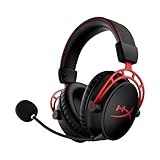
10. HyperX Cloud Alpha Wireless – 300-Hour Battery King
HyperX Cloud Alpha Wireless – Gaming Headset for PC, 300-hour battery life, DTS Headphone:X Spatial Audio, Memory foam, Dual Chamber Drivers, Noise-canceling mic, Durable aluminum frame,Red
Wireless 2.4GHz
300hr battery
Dual chamber drivers
DTS Headphone:X
Detachable mic
322g
Aluminum frame
Pros
- 300 hour battery charges every 1-2 months
- Dual chamber drivers for clean separation
- Aluminum frame survives drops
- Auto power-off conserves battery
Cons
- No Bluetooth
- only 2.4GHz dongle
- PC-focused without console support
- Volume wheel can be unresponsive
The HyperX Cloud Alpha Wireless holds the battery crown at 300 hours per charge. If you stream a few hours a day, you charge this headset once every two months. That alone solves the wireless battery anxiety that ruins so many streaming sessions.
The dual chamber drivers separate bass from mids and highs, which keeps frequencies from bleeding into each other. For streaming this means cleaner game audio and voice chat separation. The DTS Headphone:X spatial audio provides a wide 3D soundstage for competitive games.
The aluminum frame has earned its reputation for durability. Multiple Amazon reviewers report dropping this headset repeatedly without damage, and several have used it daily for three-plus years. The detachable noise-canceling microphone has a mute LED indicator that works whether or not you use the NGENUITY software.
The trade-off is that the Cloud Alpha Wireless is PC-only. There is no Bluetooth, no console support, just the 2.4GHz USB dongle. If you stream exclusively from PC and prioritize battery above all else, this is your headset. If you need console compatibility, look at the Cloud III S Wireless above.
Battery for full-time streamers
At 300 hours, this headset outlasts every other wireless option on this list by a wide margin. The auto power-off kicks in when you walk away or set it down, which stretches battery further. The voice announcement of battery level on power-on is a small but welcome feature.
Volume wheel reliability
The volume scroll wheel under the right ear cup is the most common complaint. Some users find it intermittently unresponsive. If you control volume through OBS or your streaming software instead, you will not notice this. If you rely on the wheel, be aware it can fail.
11. JBL Quantum 400 – Best Spatial Audio for Under $70
JBL Quantum 400 – Wired over-ear gaming headset with game-chat balance dial, JBL QuantumSURROUND and DTS, Voice focus directional flip-up mic and memory foam ear cushions (Black)
Wired USB + 3.5mm
50mm drivers
JBL QuantumSURROUND + DTS
Game-chat dial
Flip-up mic
275g
Discord certified
Pros
- JBL QuantumSURROUND with DTS spatial audio
- Game-chat balance dial is Discord-certified
- Flip-up boom mic with auto mute
- Lightweight 275g design
Cons
- Plastic build feels flimsy
- Braided cord creates friction noise
- QuantumENGINE app needed for RGB off
The JBL Quantum 400 is the spatial audio pick for streamers who want surround sound for cinematic games without spending over $70. The JBL QuantumSURROUND plus DTS Headphone:X v2.0 combination delivers immersive 3D audio that works well for both single-player immersion and competitive positioning.
The game-chat balance dial is Discord-certified and is the standout feature for streamers. Dial game audio up during action sequences, dial voice chat up when co-streaming, and never touch a software mixer. It is the kind of hardware control that software solutions cannot match.
The flip-up boom microphone mutes automatically when you lift it. This is more convenient than a button mute when you need to cough, talk off-stream, or take a phone call mid-broadcast. The directional voice-focus pattern does a decent job isolating your voice from background noise.
At 275 grams with memory foam cushions, the Quantum 400 is comfortable for hours. The build is mostly polycarbonate, which keeps weight down but feels less premium than aluminum alternatives. The braided cord is durable but creates audible friction noise against clothing, which your mic may pick up.
Spatial audio for game immersion
JBL QuantumSURROUND works through the QuantumENGINE software on PC. It is one of the better spatial audio implementations at this price, with clear positional cues and good front-back separation. For streamers playing RPGs, cinematic games, or competitive FPS, the immersion is real.
Game-chat dial versus software mixing
The hardware game-chat dial responds instantly and works even when your streaming software is being difficult. Software mixers in OBS or Streamlabs can lag or require alt-tabbing. The dial is faster and more reliable, which is why it gets consistent praise from streamers who co-stream regularly.
Buying Guide: How to Choose the Best Streaming Headset
The right streaming headset depends on how you broadcast, what platform you play on, and whether you already own a separate microphone. Below I walk through the decisions that actually matter for streaming, based on the pain points streamers report on r/Twitch and r/HeadphoneAdvice.
Wired versus wireless for streaming
Wired headsets have zero latency, never run out of battery, and avoid the audio sync problems that plague wireless on OBS. If you sit at a desk for every stream, wired is the safer choice. Wireless is worth it only if you move around, use a green screen setup with cable management issues, or stream from multiple rooms. When you go wireless, 2.4GHz via a USB dongle is the only option that avoids Bluetooth latency. Pure Bluetooth headsets cause audio drift that forces manual offset adjustments in OBS.
Open-back versus closed-back for streaming
Closed-back headsets isolate sound, which prevents game audio from bleeding into your streaming microphone. This is the safer default for streamers. Open-back headphones like the DT 990 PRO sound better and have a wider soundstage, but they leak audio that your mic will pick up. Choose open-back only if you have a dedicated mic positioned behind the headphone plane, run a cardioid pattern, and keep your volume reasonable. The Reddit consensus is that closed-back is the right call for most streamers.
Microphone quality and mic bleed prevention
Built-in headset mics vary enormously. The SteelSeries ClearCast Gen2.X, HyperX 10mm, and Logitech Blue VO!CE platforms are the strongest in this roundup. For mic bleed prevention, the formula is: closed-back headphones, cardioid mic pattern, mic positioned behind the headphone driver plane, and moderate volume. If you have an open-back headset and a sensitive condenser mic, you will get bleed no matter what you do. In that case, switch to closed-back or move your mic further away. The microphone windscreens we reviewed also help reduce plosives and breathing noise on boom mics.
Comfort for eight-hour streams
Comfort is the number one factor long-time streamers cite. Look for memory foam cushions, breathable materials, weight under 320 grams, and gentle clamping force. Velour pads breathe better than faux leather for long sessions but isolate less. If you wear glasses, look for cushions with temple relief channels like the Turtle Beach Stealth 600 Gen 3. Replaceable ear pads are a long-term value feature because all cushions wear out eventually.
Impedance and amplification
Impedance matters more than most streaming guides admit. A 32 Ohm headset runs off any laptop or console jack without issue. A 250 Ohm headset like the DT 990 PRO needs a headphone amp or audio interface to deliver full bass and volume. If you stream from a laptop with no dedicated audio interface, stick with 32 Ohm or 64 Ohm headsets. If you have an interface like the ones in our USB audio interface guide, you can drive higher impedance studio headphones that sound noticeably better.
Platform compatibility
PC streamers have the widest headset selection. Console streamers need to verify compatibility before buying. Xbox uses a proprietary wireless protocol that blocks most PC and PS5 headsets. PS5 works with most USB dongle-based wireless headsets but not all. Switch works with anything that connects via USB-C or 3.5mm. If you stream across multiple platforms, the Turtle Beach Stealth 600 Gen 3, HyperX Cloud III, and SteelSeries Arctis Nova 5 are the most versatile picks on this list.
Studio headphones plus separate mic versus all-in-one headset
The biggest decision in streaming audio is whether to buy a headset or buy separate studio headphones plus a USB or XLR microphone. The separate approach gives you noticeably better sound quality, eliminates mic bleed because your mic is on a boom arm rather than attached to your headphones, and lets you upgrade each component independently. The trade-off is cost and complexity. A budget-friendly entry into the separate-mic approach starts with the DT 990 PRO or similar studio headphones plus a solid audio interface and microphone. You can build a complete separate setup for the price of a premium gaming headset.
Budget tiers
Under $50: FIFINE AmpliGame H9, Razer Kraken V3 X, and Razer BlackShark V2 X are the picks. All deliver closed-back isolation and acceptable mic quality for entry-level streaming. $50 to $150: HyperX Cloud III, JBL Quantum 400, and Logitech G Pro X SE deliver real comfort and mic quality gains over the budget tier. $150 to $300: SteelSeries Arctis Nova 5, HyperX Cloud III S Wireless, and the beyerdynamic DT 990 PRO plus a separate mic deliver broadcast-ready quality for serious streamers. The budget over-ear headphones guide has more recommendations if you want to explore the separate-headphones route.
Frequently Asked Questions
What headset do most streamers use?
Most full-time streamers use a separate pair of studio headphones like the beyerdynamic DT 770 or DT 990 PRO paired with a dedicated USB or XLR microphone. Among all-in-one headsets, the HyperX Cloud III, SteelSeries Arctis Nova series, and Logitech G Pro X are the most common choices seen on Twitch and YouTube streams.
Are wireless headsets good for streaming?
Wireless headsets with 2.4GHz USB dongles like the Logitech G733 Lightspeed and HyperX Cloud III S Wireless work well for streaming because they avoid the audio sync issues caused by Bluetooth. Pure Bluetooth headsets cause latency drift that requires manual offset adjustment in OBS, so they are not recommended for serious streaming.
What are the best headphones for streaming without a built-in microphone?
The beyerdynamic DT 990 PRO, Audio-Technica ATH-M series, and Sony MDR-7506 are the top studio headphone picks for streamers who use a separate microphone. These deliver professional-grade sound quality and closed or semi-open designs that minimize audio bleed into the broadcast mic.
How do I prevent mic bleed from my streaming headset?
To prevent mic bleed use closed-back headphones, set your streaming microphone to a cardioid pattern, position the mic behind the headphone driver plane, keep volume at moderate levels, and add a noise gate in OBS. Open-back headphones will leak audio no matter what you do, so switch to closed-back if bleed persists.
Should I use a headset or separate headphones plus a microphone for streaming?
Separate studio headphones plus a dedicated microphone deliver better sound quality, eliminate mic bleed, and let you upgrade each component independently. The trade-off is higher cost and more setup complexity. If you want simplicity and one purchase, a quality headset like the HyperX Cloud III or SteelSeries Arctis Nova 5 is the better choice.
Final Thoughts on the Best Headsets for Streaming
The best headsets for streaming in 2026 solve the specific problems that broadcasting creates: mic bleed from open-back designs, battery anxiety from short-life wireless units, audio sync drift from Bluetooth, and discomfort during multi-hour sessions. My top picks cover all of those bases. The beyerdynamic DT 990 PRO is the broadcast-quality choice for streamers running a separate microphone. The HyperX Cloud III Wired is the best all-in-one headset value. And the Razer BlackShark V2 X delivers real streaming-capable performance for under $40.
If you are serious about audio quality and already own or plan to buy a dedicated microphone, go the separate-headphones route. If you want one purchase that solves everything, pick the all-in-one headset that matches your platform and budget. Either way, the gear on this list will give your viewers cleaner audio than 90 percent of the streams they watch.