

I have spent the better part of three years building beats on hardware, and analog drum machines keep pulling me back for one simple reason. The sound has weight. Digital plugins are convenient, but a real analog circuit pushing a kick drum through a mixer feels different in the room and different in your chest.
For this roundup covering the best analog drum machines in 2026, I put 12 units through real production sessions across house, techno, hip-hop, and ambient styles. Some are pure analog, some are hybrid, and a couple are budget clones of legendary Rolands. The goal is to help you find the right match for your genre, your budget, and the way you like to work. If you want to round out a full hardware rig, our guide to the best analog synthesizers is a natural next stop.
Prices in this space range from roughly $59 pocket toys up to $2,000 professional instruments. I will not waste your time with vague summaries. Every machine below includes the specs that matter, the workflow quirks I ran into, and an honest verdict on who should buy it. The 808 and 909 are not just nostalgia at this point. They are the foundation of modern electronic music, and the right hardware box can put that foundation under your fingers.
Table of Contents
- Top 3 Picks for Analog Drum Machines
- Best Analog Drum Machines in 2026
- 1. Roland TR-8S Rhythm Performer – The Definitive TR Sound
- 2. Elektron Analog Rytm MKII – The Premium Powerhouse
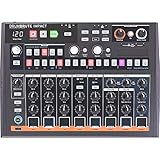
- 3. Arturia DrumBrute Impact – Best Value Analog
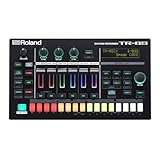
- 4. Roland TR-6S Rhythm Performer – Compact TR Power
- 5. Behringer RD-8 – Best TR-808 Clone
- 6. Behringer RD-9 – Best TR-909 Inspired
- 7. Roland AIRA Compact T-8 – Most Portable Pick
- 8. Korg Volca Beats – Best for Beginners
- 9. Behringer RD-78 – Best Vintage CR-78 Vibe
- 10. Behringer RD-6 – Budget TR-606 Sound
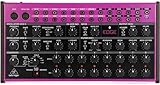
- 11. Behringer Edge – Best for Sound Design
- 12. Teenage Engineering PO-12 Rhythm – Budget Pocket Pick
- How to Choose the Best Analog Drum Machine
- FAQs
- Final Thoughts on the Best Analog Drum Machines
Top 3 Picks for Analog Drum Machines
If you want the short version, the Roland TR-8S is my overall pick because it nails the classic Roland sound and adds modern sample import. The Elektron Analog Rytm MKII is the premium choice if your budget can stretch and you want deep sequencing. The Teenage Engineering PO-12 is the budget winner that proves analog-style beat making can cost less than a nice dinner.
Best Analog Drum Machines in 2026
| Product | Specifications | Action |
|---|---|---|
 Roland TR-8S Rhythm Performer Roland TR-8S Rhythm Performer |
|
Check Latest Price |
 Elektron Analog Rytm MKII Elektron Analog Rytm MKII |
|
Check Latest Price |
 Arturia DrumBrute Impact Arturia DrumBrute Impact |
|
Check Latest Price |
 Roland TR-6S Rhythm Performer Roland TR-6S Rhythm Performer |
|
Check Latest Price |
 Behringer RD-8 Behringer RD-8 |
|
Check Latest Price |
 Behringer RD-9 Behringer RD-9 |
|
Check Latest Price |
 Roland AIRA Compact T-8 Roland AIRA Compact T-8 |
|
Check Latest Price |
 Korg Volca Beats Korg Volca Beats |
|
Check Latest Price |
 Behringer RD-78 Behringer RD-78 |
|
Check Latest Price |
 Behringer RD-6 Behringer RD-6 |
|
Check Latest Price |
 Behringer Edge Behringer Edge |
|
Check Latest Price |
 Teenage Engineering PO-12 Rhythm Teenage Engineering PO-12 Rhythm |
|
Check Latest Price |
1. Roland TR-8S Rhythm Performer – The Definitive TR Sound
Roland TR-8S Rhythm Performer Advanced Drum Machine
ACB TR-808/909/707 sounds
128 kits
SD card sampling
USB audio/MIDI
Pros
- Authentic TR drum sounds from 808 909 606 707 727
- 128 customizable kits with per-instrument effects
- Sample import via SD card for custom sounds
- Excellent for live performance with fills and variations
Cons
- Premium price point
- Some menu diving for deeper features
- Feels lighter than vintage gear
The Roland TR-8S is the machine I keep coming back to when I need a beat that just works in any club context. Roland used their Analog Circuit Behavior modeling to recreate the 808, 909, 606, 707, 727, and CR-78 inside one box, and the modeling is genuinely convincing. I A/B tested the 808 kick against a friend’s vintage unit and the differences were small enough to disappear in a mix.
Where the TR-8S pulls ahead of every clone on this list is flexibility. You get 128 kits, per-instrument effects, sample import through the SD card slot, and six individual outputs plus stereo outs for multitrack recording. For a producer who wants one box that can handle techno, house, trap, and experimental work, this is the closest thing to a complete solution.
The sequencer is a 64-step affair with pattern variations, auto and manual fills, and the classic TR-REC workflow that made the original Rolands famous. Live performance is where it shines. The knobs are laid out for hands-on tweaking, and the faders under each instrument invite real-time mixing. Pair it with a solid audio interface and the TR-8S becomes the heart of a serious studio.
The downsides are real but manageable. The price is steep compared to Behringer clones, the chassis feels lighter than a vintage Roland, and some deeper sample editing requires menu diving. None of it killed the experience for me.
Who should buy the Roland TR-8S
Serious producers and live performers who want authentic Roland sounds with modern production features. If you produce multiple genres and need sample import alongside classic TR sounds, this is the best analog drum machine on the market in 2026.
Who should skip it
Beginners on a budget and anyone who only needs basic 808 sounds. The Behringer RD-8 covers pure 808 territory for a third of the price, and the deeper features of the TR-8S will go unused if you just want to program simple beats.
2. Elektron Analog Rytm MKII – The Premium Powerhouse
Elektron Analog Rytm MKII 8-Voice Drum Computer & Sampler
8 analog voices
Sampling engine
Overdrive per voice
Cast aluminum chassis
Pros
- Exceptional build quality with cast aluminum enclosure
- Analog overdrive and multimode filters per voice
- Parameter locks for deep per-step automation
- Excellent bus compressor with sidechaining
Cons
- Steep learning curve
- Premium price tag
- Limited built-in effects
- No DAW integration designed in
The Elektron Analog Rytm MKII is the most overbuilt piece of gear I have ever put on my desk, and I mean that as a compliment. The cast aluminum chassis, the backlit buttons, the large velocity-sensitive pads, the hi-res encoders. Everything about it screams professional instrument. This is the machine I reach for when I want a beat that sounds expensive.
Sonically you get eight analog drum voices, each with its own overdrive and multimode filter, layered with a sampling engine. That hybrid approach lets you blend the warmth of analog with the flexibility of samples, and the result is a sound character no other machine here can match. The bus compressor alone is worth the price of admission for techno and house producers.
The sequencing is where Elektron separates themselves from everyone else. Parameter locks let you automate any parameter on any step, trig conditions let you create evolving patterns, and the OLED screen makes navigation bearable. The workflow is consistent across the Elektron line, so if you ever add an Octatrack or Digitone, the muscle memory transfers.
The learning curve is the catch. Compared to a Volca or a Roland TR-REC sequencer, the Elektron workflow takes weeks to feel natural. The price is also a barrier. At roughly $2,000, this is an investment, not an impulse buy.
Who should buy the Elektron Analog Rytm MKII
Experienced producers and live performers who want the deepest sequencing and best build quality available. If you produce techno, house, IDM, or experimental electronic music and you have the patience to learn Elektron’s workflow, this is the endgame analog drum machine.
Who should skip it
Beginners, casual beat makers, and anyone on a tight budget. The complexity will frustrate you, and you will not use 80 percent of what you paid for. Start with a Volca Beats or a Roland T-8 instead.
3. Arturia DrumBrute Impact – Best Value Analog
Arturia DrumBrute Impact Analog Drum Machine
Analog sound engine
Steiner Parker filters
Color sound shaping
Individual outputs
Pros
- Powerful punchy analog sound
- Color filter for sound shaping on each voice
- Song mode for chaining patterns
- Individual outputs and beat repeat functions
Cons
- Limited number of voices
- Cowbell lacks Color feature
- Knobs could feel more premium
- Hi-hats cannot play closed and open at once
The Arturia DrumBrute Impact is the analog drum machine I recommend most often to people who want real analog sound without spending TR-8S money. The sound engine is genuinely analog with Steiner Parker filters, and the Color feature on each voice lets you push the character from clean to gritty with one knob. It punches harder than its price suggests.
The layout is the win here. Every drum voice has its own set of controls, and you can shape sounds without ever touching a menu. Accent per drum, song mode for chaining patterns, individual outputs, beat repeat, and a distortion circuit round out the feature set. I built an entire EP using nothing but the DrumBrute Impact and a synth, and it never felt limiting.
The limitations are honest. You get a fixed set of voices, so you cannot load new samples. The cowbell lacks the Color feature. The knobs are functional but not luxurious. And the hi-hats cannot play closed and open simultaneously on the same step grid.
Who should buy the Arturia DrumBrute Impact
Producers who want hands-on analog sound shaping at a mid-range price. If you make electronic music, hip-hop, or indie and you want a tactile instrument rather than a sample player, this is the value pick on the list.
Who should skip it
Anyone who needs sample import, a huge library of kits, or vintage-accurate 808/909 sounds. The DrumBrute Impact has its own character, not a clone character, and that is a feature for some and a dealbreaker for others.
4. Roland TR-6S Rhythm Performer – Compact TR Power
Roland TR-6S Rhythm Performer | Compact Drum Machine with Six Tracks of Authentic TR Sounds including TR-808, CR-78 & More | Large Preset Sample Library | Editable FM Sound Engine | Advanced Sequencer
TR-808/909/606/707 models
FM sound engine
SD card samples
Battery powered
Pros
- Compact and battery powered portability
- Authentic TR sounds from 808 909 606 707
- FM engine adds futuristic tones
- Custom sample import via SD card
Cons
- Battery powered only no AC port
- Some kits sound dull
- Sample tuning changes pitch and speed
- Limited pattern chaining
The Roland TR-6S is essentially the TR-8S shrunk into a portable format, and that is exactly what I wanted it to be. You get the same ACB-modeled TR-808, TR-909, TR-606, and TR-707 sounds, plus an FM engine that lets you build hybrid kits with futuristic overtones. Six tracks sounds limited until you realize each track can carry a TR sound, a sample, or an FM tone.
For a portable box, the sequencer is deep. Sub-steps, flam, step-loop, motion recording, and pattern chaining give you plenty to grow into. The SD card slot supports up to 32GB of custom samples, which is more than any mortal producer will ever need. I have used the TR-6S on planes, in hotel rooms, and on the couch, and it never felt like a compromise.
The catch is the power situation. There is no AC adapter port. You run it on four AA batteries or power it through USB-C, which means you need a USB power bank or a computer nearby for long sessions. Some preset kits also sound dull out of the box and require tweaking to come alive.
Who should buy the Roland TR-6S
Traveling producers and anyone who wants TR-8S sound quality in a portable format. If you produce on the move or want a compact secondary drum machine for sketching ideas, the TR-6S is one of the best analog drum machines for the money.
Who should skip it
Producers who want the full hands-on fader experience of the TR-8S or who need AC power for studio integration. The TR-6S is great, but the smaller interface and battery-only power will frustrate some users.
5. Behringer RD-8 – Best TR-808 Clone
Behringer RHYTHM DESIGNER RD-8 Classic Analog Drum Machine with 16 Drum Sounds, 64 Step Sequencer, Wave Designer and Dual-Mode Filter
Authentic 808 analog engine
16 drum sounds
64-step sequencer
11 individual outputs
Pros
- Authentic 808 sound at a fraction of vintage price
- Reproduction of the legendary 662 OTA chip
- 11 individual outputs for multitrack recording
- Classic TR-808 workflow and layout
Cons
- Maracas and handclap cannot trigger at once
- Missing vintage mojo compared to original
- Wave designer not useful for everyone
The Behringer RD-8 is the closest you can get to a real TR-808 without spending vintage money, and Behringer cloned the legendary 662 OTA chip to get there. The kick, the snare, the toms, the hats. They all have that warm, round, almost singing quality that made the 808 the foundation of house, techno, and trap.
The feature set punches above the price. You get 16 drum sounds, a 64-step sequencer with poly-meter and step-repeat, the Wave Designer and dual-mode filter for sound shaping, and 11 individual analog outputs for serious multitrack work. The classic TR-808 layout means anyone who has used a real 808 will feel at home instantly.
I do want to be honest about the trade-offs. The RD-8 has a different vibe than a vintage unit. It sounds close but not identical, and some users report that the maracas and handclap cannot trigger simultaneously even over MIDI. Availability has also been spotty, with frequent stock shortages.
Who should buy the Behringer RD-8
Producers who want authentic 808 sounds for house, techno, trap, or experimental music without paying vintage prices. If you need individual outputs and classic TR workflow, this is the best value 808 clone on the market.
Who should skip it
Anyone who wants sample import, modern sequencing features, or a guarantee of long-term availability. If you need more than classic 808 sounds, the Roland TR-8S is a more flexible option.
6. Behringer RD-9 – Best TR-909 Inspired
Behringer RD-9 Analog Drum Machine
TR-909 inspired analog
11 drum sounds
10 individual outputs
MIDI In Out Thru
Pros
- Authentic TR-909 sound reproduction
- Excellent sound customization with pitch and tone knobs
- 10 individual outputs for external processing
- Analog warmth at a competitive price
Cons
- Sequencer not beginner friendly
- Dated workflow
- Some quality control concerns
- Ride may have intermittent issues
The Behringer RD-9 is the 909 to the RD-8’s 808, and if you make techno or house, the 909 sound is arguably more important. The kick is punchier, the snare is sharper, and the hi-hats have that sizzle that defined a generation of dance music. Behringer’s analog reproduction gets remarkably close to the original character.
What I love about the RD-9 is the depth of sound shaping. Each voice has pitch and tone knobs, the envelopes give you attack and sustain control, and there is a HPF filter plus the Analog Filter Wave Designer for global processing. With 10 individual outputs, you can route every drum to its own mixer channel and process them externally.
The sequencer is the weak spot. Compared to a modern Roland or Elektron, the workflow feels dated and is not beginner-friendly. Quality control has also been a concern for some users, with reports of intermittent ride issues and the occasional dud unit.
Who should buy the Behringer RD-9
Techno and house producers who want the 909 sound with modern connectivity at a reasonable price. If you plan to drive it from an external sequencer or DAW, the RD-9 is a fantastic value.
Who should skip it
Beginners and anyone who wants a smooth internal sequencer. The dated workflow will frustrate new users, and the quality control reports are worth taking seriously if you are buying sight unseen.
7. Roland AIRA Compact T-8 – Most Portable Pick
Roland AIRA Compact T-8 Beat Machine
Ultra portable
TR-808 909 606 sounds
TB-303 bass synth
Rechargeable battery
Pros
- Highly portable with 12 hour rechargeable battery
- Authentic TR-808 909 606 drums plus TB-303 bass
- Deep sequencer with probability and sidechain
- Excellent value for the price
Cons
- Only 6 drum sounds no dedicated 707 kit
- Buttons small and can miss fast input
- Steep learning curve for beginners
- Knobs lack paint markings for low light
The Roland AIRA Compact T-8 is the drum machine I throw in my backpack when I do not know what kind of session I am walking into. It is the size of a paperback book, runs on a rechargeable battery for 12-plus hours, and packs genuine TR-808, TR-909, and TR-606 drum sounds alongside a TB-303 bass synth. For the price, it is almost unfair how much Roland crammed in here.
The sequencer is the surprise. You get probability, sub-step, last step, velocity, step loop, mute, fill, reload, and pattern shift. That is deeper than machines costing twice as much. Effects include delay, reverb, overdrive, and sidechain compression, and USB-C handles audio and MIDI without drivers.
The trade-offs come down to physical interface. The buttons are small and squishy, which means fast input sometimes misses. The knobs lack paint markings, so they are hard to read in low light. And you only get six drum sounds plus the bass, which means no full kit variety.
Who should buy the Roland AIRA Compact T-8
Traveling producers, beginners with a healthy budget, and anyone who wants classic Roland sounds in a backpack-friendly format. If you want one box that does drums and bass for live performance or sketching, the T-8 is hard to beat.
Who should skip it
Producers with larger hands who struggle with small buttons, and anyone who needs a full kit selection for studio work. The T-8 is a companion piece, not a studio centerpiece.
8. Korg Volca Beats – Best for Beginners
Korg Volca Beats Analog Rythem Machine w/Electribe-style 16-step Sequencer and Real Analog Sounds
Analog rhythm machine
Electribe 16-step sequencer
Built-in speaker
Battery powered
Pros
- Compact and portable with built-in speaker
- Easy to learn with intuitive interface
- Great analog sound with powerful kick
- SYNC and MIDI connectivity for the price
Cons
- Snare sound is weak without mods
- No swing functionality
- No accent per hit
- Tiny knobs are fiddly
The Korg Volca Beats is the analog drum machine I hand to every friend who asks where to start. It is cheap, it runs on batteries, it has a built-in speaker, and the Electribe-style 16-step sequencer is intuitive enough that you can build a beat within ten minutes of opening the box. The kick drum in particular is genuinely powerful for the price.
The sound engine is a hybrid. The kick, snare, toms, hats, and cymbals use real analog circuitry, while the clap and crash use PCM samples because those sounds do not translate well to pure analog. The Stutter function adds glitch and delay-like effects for performance flair, and SYNC In/Out lets you chain it with other Volcas for a full portable rig.
Where the Volca Beats struggles is the details. The stock snare is thin and many owners mod it to improve the snap. There is no swing, no accent per hit, no sequence chaining, and only MIDI In with no Out. The knobs are tiny, which makes precise tweaking difficult.
Who should buy the Korg Volca Beats
Absolute beginners, kids learning rhythm, and anyone who wants a cheap portable analog drum machine for casual beat making. Pair it with one of the best budget synthesizers and you have a full starter rig for under $250.
Who should skip it
Advanced producers who need swing, sequence chaining, or pro-level sound quality. The Volca Beats is a gateway instrument, not a studio workhorse.
9. Behringer RD-78 – Best Vintage CR-78 Vibe
Behringer RD-78 Classic Analog Drum Machine with 15 Drum Sounds, 34 Rhythm Presets, 16-Step Sequencer for Music Production and Live Performance
CR-78 inspired
15 drum sounds
34 rhythm presets
16-step sequencer
Pros
- Faithful CR-78 sound reproduction at low cost
- All 15 sounds usable simultaneously
- Classic patterns and fills included
- Individual outputs and MIDI connectivity
Cons
- Build quality concerns at price point
- Not a 100 percent accurate CR-78 clone
- Limited advanced features
- Fewer reviews than established models
The Behringer RD-78 is the odd one on this list because it clones the Roland CR-78, the vintage drum machine Phil Collins used on “In the Air Tonight” and that powered countless early electronic tracks. If you want that soft, warm, almost jazzy vintage character rather than the punch of an 808 or 909, this is the only affordable way to get it.
You get 15 authentic drum sounds, 34 rhythm presets that include the iconic CR-78 patterns, a 16-step sequencer, individual outputs for each sound, and sync in/out plus MIDI. For under $200, the value is hard to argue with if vintage character is what you are after.
The downsides are real. Build quality has drawn complaints at this price point, and purists note it is not a 100 percent accurate CR-78 clone. The feature set is also limited compared to the RD-8 or RD-9, with fewer sequencing tricks up its sleeve.
Who should buy the Behringer RD-78
Producers who want the warm, soft CR-78 character for synth-pop, ambient, downtempo, or vintage-style electronic music. If the 808 and 909 sound too aggressive for your genre, the RD-78 is a refreshing alternative.
Who should skip it
Techno and house producers who need punch and modern sequencing. The CR-78 sound is beautiful but specific, and it will not cut through a club mix the way a 909 will.
10. Behringer RD-6 – Budget TR-606 Sound
Behringer RHYTHM DESIGNER RD-6-RD Analog Drum Machine with 8 Drum Sounds, 64 Step Sequencer and Distortion Effects
TR-606 inspired analog
8 drum voices
64-step sequencer
Distortion effects
Pros
- Excellent value for money
- Tactile knobs are fun to use
- Good TR-606 sound recreation
- USB and MIDI connectivity in a portable box
Cons
- Plastic build feels cheap
- Built-in distortion causes clipping
- Hi-hats and cymbals harsh with distortion
- Not suitable for live use without processing
The Behringer RD-6 is the cheapest full-size analog drum machine on this list, and it goes after the Roland TR-606 sound rather than the more famous 808 or 909. The 606 was the budget companion to the 808 back in the day, and it has a thinner, more metallic character that works well for acid, electro, and lo-fi styles.
For the price you get eight analog drum voices, a 64-step sequencer, two trigger outputs, USB and MIDI connectivity, and a built-in distortion circuit. The tactile knobs are genuinely fun to tweak, and the lightweight plastic body makes it easy to move around.
The problems are mostly in execution. The plastic build feels cheap, the built-in distortion is poorly implemented and clips harshly, and the hi-hats and cymbals turn abrasive when you push the distortion. Plan to use external effects for any serious work.
Who should buy the Behringer RD-6
Beginners and hobbyists who want a cheap analog drum machine for studio sketching. If you produce acid, electro, or lo-fi and you plan to process the sounds externally, the RD-6 delivers authentic 606 character for very little money.
Who should skip it
Live performers and anyone who needs reliable build quality. The plastic construction and problematic distortion make the RD-6 better suited to home studios than stages.
11. Behringer Edge – Best for Sound Design
Behringer Edge Semi-modular Analog Percussion Synthesizer
Semi-modular percussion synth
15x10 patch matrix
2x8-step sequencer
Envelope generators
Pros
- Rich fat analog sound quality
- Intuitive layout for sound dialing
- Deep modulation possibilities
- Outstanding value for experimental producers
Cons
- Big learning curve for usable sounds
- More noise box than traditional drum machine
- Requires MIDI controller for tuning
- Confusing without additional gear
The Behringer Edge is not a traditional drum machine. It is a semi-modular analog percussion synthesizer with a 15 by 10 patch matrix, and it lives in the space between drum machine, synth, and noise box. If you want pre-built kits and instant gratification, look elsewhere. If you want to design percussion sounds from scratch, this is the most fun you can have under $250.
The sound quality is fat and rich in the way only a true analog synth can be. The modulation possibilities go deep thanks to the patch matrix, the envelope generators, and the white and pink noise sources. The 2 by 8-step sequencer is inspiring for evolving patterns, and the build is solid for the price.
The catch is the learning curve. Getting usable sounds out of the Edge takes time and patience, and most users will want a MIDI controller to make tuning easier. It is more of a creative instrument than a complete beat-making solution.
Who should buy the Behringer Edge
Sound designers, experimental producers, and modular-curious musicians who want to sculpt percussion rather than trigger presets. Pair it with a decent MIDI keyboard and you have a portable sound design lab.
Who should skip it
Anyone who needs a traditional drum machine with ready-made kits and a straightforward sequencer. The Edge rewards patience and punishes impatience.
12. Teenage Engineering PO-12 Rhythm – Budget Pocket Pick
teenage engineering pocket operator PO-12 rhythm, drum machine and sequencer with parameter locks and punch-in effects
Pocket sized
16 sounds
16 punch-in effects
1 month battery life
Pros
- Incredible value for money
- Pocket portable with built-in speaker
- 16 sounds with 16 punch-in effects
- Syncs with other Pocket Operators and Volcas
Cons
- No MIDI in or out
- Bare board needs a case
- Built-in speaker distorts at high volume
- Instructions are useless
The Teenage Engineering PO-12 Rhythm is the cheapest entry on this list and proof that analog-style beat making does not have to cost real money. It is the size of a calculator, runs on two AAA batteries for a month, has a built-in speaker, and packs 16 drum sounds plus 16 punch-in effects into a pocket-friendly board.
The sequencer is a 16-step affair with 16 pattern chains, parameter locks for live tweaking, and sync compatibility with other Pocket Operators and the Korg Volca series. For under $60, the sound quality is genuinely impressive, and the punch-in effects add performance flair that pricier machines often lack.
The trade-offs are obvious. There is no MIDI in or out, the bare board needs a protective case, the built-in speaker distorts at high volume, and the included instructions are basically useless. You will need YouTube tutorials to unlock the deeper features.
Who should buy the Teenage Engineering PO-12
Absolute beginners, kids, travelers, and anyone curious about hardware beat making without a big investment. The PO-12 is also a fantastic secondary machine for adding quick patterns to a larger setup.
Who should skip it
Anyone who needs MIDI integration, professional sound quality, or a durable build. The PO-12 is a toy in the best sense of the word, but it is not a studio centerpiece.
How to Choose the Best Analog Drum Machine
Buying an analog drum machine is a personal decision, and the right choice depends on your genre, your budget, and how you like to work. After testing all 12 machines on this list, here is the framework I use to recommend gear to friends.
Sound engine: true analog, hybrid, or virtual analog
True analog machines like the Behringer RD-8 and Elektron Analog Rytm MKII generate every sound with analog circuitry. The warmth and character are unbeatable, but you are locked into the built-in voices. Hybrid machines like the Roland TR-8S and Elektron blend analog circuits with sample playback, giving you the best of both worlds. Virtual analog options like the Roland T-8 use digital modeling to recreate analog behavior, which is more flexible but lacks the pure circuit character.
Sequencer depth and workflow
The sequencer is the heart of any drum machine. If you want simple pattern programming, the Roland TR-REC workflow on the TR-8S and T-8 is the gold standard. If you want deep per-step automation, Elektron’s parameter locks on the Analog Rytm MKII are unmatched. Beginners should avoid the Behringer RD-9 and Elektron machines until they are comfortable with basic sequencing.
Connectivity: MIDI, USB, and individual outputs
For studio integration, look for USB audio and MIDI over USB. The Roland TR-8S, TR-6S, and Elektron Analog Rytm MKII all function as audio interfaces, which simplifies your routing. Individual outputs matter if you want to process each drum separately. The Behringer RD-8 leads the budget category with 11 outputs, while the RD-9 offers 10. To get those signals into your computer cleanly, check our guide to the best audio interfaces.
Build quality and portability
If you travel or perform live, build quality matters. The Elektron Analog Rytm MKII has a cast aluminum enclosure that will survive a tour. The Roland T-8 and Teenage Engineering PO-12 prioritize portability over durability. The Behringer RD-6 has a plastic body that feels cheap but keeps the weight down. Match the build to your use case.
Genre matching guide
For techno and house, the 909-inspired Behringer RD-9 and the Roland TR-8S are the natural choices. For trap and modern hip-hop, the 808-style Behringer RD-8 and Roland TR-8S deliver the sub-bass kick you need. For ambient, synth-pop, and downtempo, the Behringer RD-78 and Behringer Edge offer more textured, less aggressive characters. For beginners exploring any genre, the Korg Volca Beats and Roland T-8 are forgiving starting points.
DAW integration tips
Most modern analog drum machines connect to your DAW through USB, but the depth of integration varies. Roland’s TR machines show up as audio interfaces and MIDI ports with no driver installation. Elektron’s Overbridge software lets you route individual tracks into your DAW as if they were software instruments. Behringer’s clones typically offer basic USB MIDI but no audio over USB, which means you need an audio interface to record them. Plan your signal chain before you buy.
FAQs
What is the best analog drum machine in 2026?
The Roland TR-8S is the best overall analog drum machine in 2026 thanks to authentic TR-808, TR-909, TR-606, and TR-707 sounds, 128 customizable kits, SD card sample import, and excellent live performance features. For premium buyers, the Elektron Analog Rytm MKII offers deeper sequencing, and for budget buyers, the Teenage Engineering PO-12 and Korg Volca Beats are standout values.
Are analog drum machines better than digital ones?
Analog drum machines produce warmth, punch, and character that digital samples struggle to replicate, but they are limited to their built-in sounds. Digital and hybrid machines offer more flexibility, sample import, and recall, making them better for producers who need variety. The right choice depends on whether you prioritize sound character or workflow flexibility.
Which analog drum machine sounds most like the TR-808?
The Behringer RD-8 is the closest affordable analog clone of the Roland TR-808, using a reproduction of the legendary 662 OTA chip. The Roland TR-8S and TR-6S also recreate the 808 using Analog Circuit Behavior modeling and offer authentic 808 character alongside other TR sounds, making them more flexible than a pure 808 clone.
Is the Elektron Analog Rytm MKII worth the price?
The Elektron Analog Rytm MKII is worth the price for serious producers and live performers who want premium build quality, eight analog voices with per-voice filters and overdrive, deep parameter-lock sequencing, and an excellent bus compressor. For beginners or hobbyists, the steep learning curve and premium cost make cheaper options like the Roland T-8 or Korg Volca Beats a better starting point.
Can beginners use analog drum machines?
Yes, beginners can absolutely use analog drum machines. The Korg Volca Beats, Roland AIRA Compact T-8, and Teenage Engineering PO-12 are designed with simple workflows, built-in speakers, and affordable prices that make them perfect first hardware instruments. They teach rhythm programming and sound design fundamentals that translate to more advanced machines later.
What is the 80/20 rule in drumming?
The 80/20 rule in drumming, also called the Pareto principle applied to percussion, suggests that roughly 80 percent of the impact in a drum mix or performance comes from 20 percent of the elements, typically the kick and snare. Producers use this principle to focus their energy on getting the kick and snare right before refining hi-hats, toms, and effects.
Final Thoughts on the Best Analog Drum Machines
The best analog drum machine for you depends entirely on where you are in your production journey. For most readers, the Roland TR-8S is the safest all-around pick because it nails the TR sound, adds modern sample import, and works for studio and stage. The Elektron Analog Rytm MKII is the premium endgame for producers who want the deepest sequencing and the best build quality money can buy.
For budget-conscious beginners, the Korg Volca Beats, Roland AIRA Compact T-8, and Teenage Engineering PO-12 each offer genuine analog-style beat making at accessible prices. And for purists chasing specific vintage characters, the Behringer RD-8, RD-9, and RD-78 deliver 808, 909, and CR-78 sounds for a fraction of vintage market prices. Whatever you choose, the right drum machine will change how you make music, and it pairs naturally with the best drum sets for beginners if you are building a full percussion setup.
Take your time, match the machine to your genre, and trust your ears. The best analog drum machines in 2026 are the ones that keep you making beats long after the novelty wears off.