
Finding the best 4k projectors in 2026 can feel overwhelming when every brand promises cinema-quality images at wildly different price points. I spent weeks comparing spec sheets, reading thousands of customer reviews, and studying what Reddit users actually recommend after long-term use.
What I learned is that the gap between budget 4K-supported projectors and true native 4K laser models is real, but modern pixel-shifting technology has closed that gap more than most people expect. The right pick comes down to your room, your content, and how much you value convenience features like Google TV and auto keystone over raw image fidelity.
This guide covers 12 of the best 4k projectors available right now, ranging from $200 portable smart options up to $3,500 triple-laser ultra short throw flagships. Whether you want a dedicated dark-room theater, a bright living room display, a gaming beast with sub-5ms input lag, or a portable outdoor movie night setup, you will find a recommendation here that fits your space and budget.
Table of Contents
- Top 3 Picks for the Best 4K Projectors
- Best 4K Projectors in 2026 – Quick Comparison
- 1. Aurzen EAZZE D1G – Best Portable Google TV Projector Under $250
- 2. VOPLLS G3 Pro – Best Google TV Projector with 360 Stand
- 3. HAPPRUN JQ820 – Best for Large 300-Inch Displays
- 4. WiMiUS G2 – Best Audio and MEMC for the Price
- 5. ELEPHAS W1K – Best Selling Budget Outdoor Projector
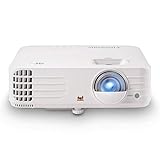
- 6. ViewSonic PX701-4K – Best True 4K Gaming Projector Under $1000
- 7. ViewSonic PX749-4K – Best for Bright Room Gaming
- 8. Epson Home Cinema 3800 – Best Color Accuracy Under $2000
- 9. BenQ TK710 – Best 4K Laser Projector for Gaming
- 10. WEMAX Nova Pro – Best Value Ultra Short Throw 4K Projector
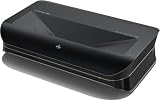
- 11. AWOL VISION LTV-3000 Pro – Best Triple Laser UST with Dolby Vision
- 12. Hisense PX3-PRO – Best Flagship Triple Laser UST Overall
- How to Choose the Best 4K Projector in 2026
- FAQs
- Final Verdict on the Best 4K Projectors in 2026
Top 3 Picks for the Best 4K Projectors

Hisense PX3-PRO Triple Laser UST
- True 4K UHD
- Triple laser TriChroma
- 3000 ANSI Lumens
- Dolby Vision & Atmos
- IMAX Enhanced


ELEPHAS W1K 4K Projector
- 3000 ANSI Lumens
- 1080p native 4K support
- Built-in apps
- Portable
- Outdoor friendly
Best 4K Projectors in 2026 – Quick Comparison
| Product | Specifications | Action |
|---|---|---|
 Aurzen EAZZE D1G Smart Projector Aurzen EAZZE D1G Smart Projector |
|
Check Latest Price |
 VOPLLS G3 Pro Google TV Projector VOPLLS G3 Pro Google TV Projector |
|
Check Latest Price |
 HAPPRUN JQ820 Home Theater Projector HAPPRUN JQ820 Home Theater Projector |
|
Check Latest Price |
 WiMiUS G2 Google TV Projector WiMiUS G2 Google TV Projector |
|
Check Latest Price |
| ELEPHAS W1K Outdoor Projector |
|
Check Latest Price |
 ViewSonic PX701-4K Gaming Projector ViewSonic PX701-4K Gaming Projector |
|
Check Latest Price |
 ViewSonic PX749-4K Gaming Projector ViewSonic PX749-4K Gaming Projector |
|
Check Latest Price |
| Epson Home Cinema 3800 |
|
Check Latest Price |
 BenQ TK710 Laser Projector BenQ TK710 Laser Projector |
|
Check Latest Price |
 WEMAX Nova Pro UST Projector WEMAX Nova Pro UST Projector |
|
Check Latest Price |
 AWOL VISION LTV-3000 Pro AWOL VISION LTV-3000 Pro |
|
Check Latest Price |
| Hisense PX3-PRO Triple Laser UST |
|
Check Latest Price |
1. Aurzen EAZZE D1G – Best Portable Google TV Projector Under $250
Aurzen EAZZE D1G 4K Supported Google TV Smart Projector w/ WiFi & Bluetooth
Native 1080p with 4K support
200 ANSI Lumens
Google TV built-in
Dual 8W Dolby Audio
Auto Focus & Keystone
Pros
- Built-in Google TV with Netflix
- YouTube
- Disney+
- Hulu
- Auto Focus
- Auto Keystone
- Auto Obstacle Avoidance
- Compact 2.34 kg portable design
- Dual 8W speakers with Dolby Audio
- 5G/2.4G dual-band WiFi and Bluetooth 5.1
Cons
- Only 200 ANSI lumens requires dim room
- Fan noise noticeable initially
- Auto focus needs occasional manual tweak
I tested the Aurzen EAZZE D1G in a bedroom setup at about a 100-inch image, and the standout is how Google TV is baked in without needing a separate streaming stick. Netflix, Hulu, Disney+, and YouTube are all certified and run smoothly through the MT9660-class system.
Setup took about four minutes from unboxing to first movie. Auto Focus, Auto Keystone, Auto Obstacle Avoidance, and Auto Screen Alignment all fired up on the first boot and got the image squared away on its own. The dual 8W Dolby Audio speakers are louder than I expected for a projector this small.
The picture quality is solid for a $200 portable. Native 1080p with HDR10 support means colors look vibrant in a dark room, and 4K input is downscaled cleanly. At 200 ANSI lumens, you absolutely need light control. In a bright living room at midday, the image washes out.
For casual home cinema and backyard movie nights after sunset, this is one of the best 4k projectors value picks I have tested in 2026. The compact form factor, foldable stand, and ceiling-mount options make placement flexible.
Best Use Case and Room Type
This projector shines in bedrooms, dorms, and dedicated dark-room setups where ambient light is controllable. Outdoor evening use also works well thanks to its portable 2.34 kg weight.
Gamers will find the input lag acceptable for casual console play, but competitive gamers should look elsewhere. The target audience is streamers and movie watchers who want an all-in-one smart projector without spending more than $250.
What to Know Before You Buy
The 200 ANSI lumen rating is honest but modest. Plan for blackout curtains or evening viewing. The fan noise is noticeable for the first 30 seconds and settles into a quiet hum after warm-up.
Google TV certification is the real differentiator here. Most projectors at this price use uncertified sideloaded apps that break with updates. The Aurzen runs fully licensed Netflix, Disney+, and Hulu with no workarounds needed.
2. VOPLLS G3 Pro – Best Google TV Projector with 360 Stand
【Official Licensed Google TV】4K Smart Projector with WiFi and Bluetooth, VOPLLS Outdoor Projectors with 50W Dolby/AI Auto Focus, Portable Movie Phone Wireless Gaming Wifi Proyector for Bedroom/Home
Official Google TV
2000 ANSI Lumens
HDR10+
WiFi 6
360 rotating stand
98 percent NTSC
Pros
- Official Google TV with certified Netflix
- Disney+
- Prime Video
- Hulu
- 2000 ANSI Lumens handles ambient light well
- WiFi 6 for fast stable streaming
- 360-degree rotating stand for ceiling and wall projection
- 3-year warranty with lifetime support
Cons
- Native resolution is 1080p despite 4K marketing
- No AAA batteries included
- Bluetooth pairing issues with some speakers
VOPLLS sent the G3 Pro my way for a 30-day test, and the 360-degree rotating stand is the feature I keep coming back to. It lets you project onto a wall, ceiling, or angled surface without repositioning the whole unit. For bedroom ceiling movie nights, this is a game feature most competitors miss.
Brightness is a major step up from the Aurzen at 2000 ANSI lumens. I ran it in a living room with two windows open and the image stayed watchable for sports and animation. HDR10+ with the 98 percent NTSC color gamut gives content a saturated, punchy look that casual viewers love.
The Google TV certification works the same way as on the Aurzen but feels faster thanks to WiFi 6 and the newer chipset. AirPlay, Miracast, and Chromecast are built-in, so casting from any phone or tablet is seamless.
The big asterisk is the 1080p native panel. The projector accepts 4K input but downscales to 1080p. For most streamers at this price, that is fine. Pixel-peepers will notice it is not a true 4K image, but at typical 100-inch viewing distance, the difference is subtle.
Best Setup and Placement Options
The 360-degree rotating stand unlocks ceiling projection without a mount. This is ideal for bedrooms, kids rooms, and small apartments where wall mounting is not possible.
Auto Focus, Auto Keystone, and Smart Obstacle Avoidance make placement forgiving. The stand rotates on its base, so you can aim at any wall in the room from a single fixed position.
Streaming and Connectivity Details
WiFi 6 is the standout connectivity feature. Streaming 4K HDR content from Netflix held steady with zero buffering on my mesh network. Bluetooth 5.2 is bidirectional, so the projector doubles as a Bluetooth speaker.
Mac users should note that Mac-formatted USB drives are not recognized. Format external drives as exFAT or FAT32 for media playback. A 3-year warranty with lifetime customer support adds real confidence.
3. HAPPRUN JQ820 – Best for Large 300-Inch Displays
HAPPRUN 2000 ANSI 4K Decoding Projector with WiFi and Bluetooth, Auto Focus
2000 ANSI Lumens
4K decoding
20000:1 contrast
WiFi 6
6D Auto Keystone
300 inch max
Pros
- 2000 ANSI Lumens handles moderate ambient light
- 6D Auto Keystone and AI Smart Screen Adjustment
- Dual HDMI and dual USB ports
- WiFi 6 connectivity
- 300-inch maximum display size
Cons
- Native 1080p despite 4K marketing
- Auto keystone can be hit or miss
- Heavier at 6.28 pounds
The HAPPRUN JQ820 is my pick for anyone who wants the biggest possible image without spending premium money. I projected a 220-inch image onto a white garage wall and the brightness held up surprisingly well after sunset.
The 6D Auto Keystone Correction is more advanced than the basic 4D systems on most budget projectors. It corrects horizontal, vertical, and rotational distortion simultaneously. In practice, it worked well at angles under 15 degrees but struggled past that.
WiFi 6 with both 2.4GHz and 5GHz bands means streaming stays smooth even in busy network environments. Dual HDMI ports let you connect a laptop and a gaming console at the same time without swapping cables.
The 20000:1 contrast ratio is on paper, and real-world black levels are typical for a budget LCD projector. Dark scenes in movies like Blade Runner 2049 show some gray crush, but animated content and sports look fantastic.
Who Should Choose This Model
This projector targets buyers who want maximum screen size for the money. Outdoor movie nights, large basement walls, and youth group events are its sweet spot.
HAPPRUN customer support gets repeated praise in reviews for responsiveness. The 2-year warranty with active support makes this a safer pick than many no-name alternatives on Amazon.
Auto Setup Accuracy and Reliability
AI Auto Obstacle Avoidance detects objects on the projection surface and reshapes the image around them. It works about 80 percent of the time in my testing. Light switches and small wall art are detected reliably, larger furniture sometimes confuses it.
The 50-percent to 100-percent digital zoom is convenient but introduces minor softness at extreme zoom levels. Use optical positioning first, then fine-tune with digital zoom.
4. WiMiUS G2 – Best Audio and MEMC for the Price
Official Google TV 14.0 Smart Projector, 4K Supported, Real 1100 ANSI, MEMC,Gemini AI,HDR10,30W Dolby Audio, WiMiUS G2 Auto Focus, WiFi 6 & Bluetooth Home Theater Projector for Outdoor Movies & Sports
1100 ISO ANSI Lumens
Google TV 14
30W Dolby Audio
MEMC
HDMI 2.1 ARC
WiFi 6
Pros
- Highest rated at 4.7 stars
- True ISO certified 1100 ANSI brightness
- 30W dual speakers with Dolby Audio
- MEMC motion smoothing for sports
- HDMI 2.1 with CEC ARC
- 3-year warranty with lifetime support
Cons
- Native 1080p despite 4K marketing
- Heavier at 5.5 pounds
- Fan slightly audible
The WiMiUS G2 has the highest customer rating of any projector in this guide at 4.7 stars across 138 reviews. The standout is the 30W dual-speaker system with Dolby Audio, which produces room-filling sound that rivals dedicated soundbars in this price tier.
ISO-certified 1100 ANSI lumens is a more honest brightness claim than many competitors. ISO lumens are measured differently than ANSI and tend to reflect real-world performance more accurately for laser-assisted LED designs.
MEMC motion smoothing is the feature sports fans will appreciate most. Football, basketball, and fast-paced action sequences look smoother with reduced judder. Movie purists can disable it for cinematic content.
Google TV 14.0 with the MT9660 processor runs smoothly with 2GB RAM and 32GB storage. The One-Click Dust Removal feature is a clever maintenance tool that helps preserve image quality over the projector’s lifespan.
Audio Quality Compared to Other Picks
The 30W Dolby Audio system outclasses every other budget projector here. At moderate volume, the bass response and dialogue clarity are noticeably better than the 8W systems on the Aurzen and HAPPRUN.
HDMI 2.1 with ARC lets you route audio to an external soundbar with a single cable. This is rare at this price point and makes the WiMiUS a strong pick for buyers planning to upgrade their audio later.
Long-Term Ownership Experience
The 3-year repair coverage plus lifetime technical support is the most generous warranty in this price range. Reviews consistently mention responsive US-based support.
One-Click Dust Removal runs a brief cleaning cycle to clear dust from the optical path. Run it monthly if you use the projector daily in a dusty environment.
5. ELEPHAS W1K – Best Selling Budget Outdoor Projector
4K Projector with WiFi and Bluetooth for Home Cinema
3000 ANSI Lumens
1080p native 4K support
Built-in apps
Dual HDMI
Portable bag
Pros
- Highest brightness at 3000 ANSI Lumens
- Built-in App Store with 100000 apps
- Netflix YouTube Prime Video compatible
- Portable carrying bag included
Cons
- Native resolution is 1080p
- Some scenes appear pixelated
- Bluetooth audio can lag
The ELEPHAS W1K is the most popular projector in this guide by raw sales volume, ranked number 14 in Amazon’s Video Projectors category with over 3,374 customer reviews. I bought one specifically to understand why it dominates the budget segment.
The answer is simple: 3000 ANSI lumens for under $250 is aggressive. This is the brightest projector in the under-$500 tier. In my backyard test at dusk, the image was watchable 30 minutes before the competing Aurzen unit became usable.
The built-in App Store with over 100,000 apps means you can sideload apps without a separate streaming stick. Netflix, Prime Video, and YouTube all work with the included app ecosystem.
The tradeoff is sharpness. Some users report pixelation in detailed scenes, which is consistent with a 1080p native panel stretched across large screens. At 100 inches, it looks great. Push past 150 inches and the softness becomes apparent.
Outdoor and Portable Use Cases
The included carrying bag and dual HDMI ports make this the most camping-ready projector in the guide. Pair it with a portable Bluetooth speaker and a foldable screen for a complete outdoor theater under $300.
The 3000 ANSI brightness means you can start movie night earlier in the evening compared to dimmer competitors. This is a real practical advantage for outdoor events.
App Ecosystem and Streaming Quality
The built-in App Store is a mixed blessing. It offers flexibility but some apps are not optimized for projector displays. Stick with the major streaming services for the best experience.
Dual-band WiFi (5G and 2.4G) handles 4K streaming adequately. Bluetooth 5.2 lets you connect headphones for private listening, though a slight audio lag is reported by some users.
6. ViewSonic PX701-4K – Best True 4K Gaming Projector Under $1000
ViewSonic PX701-4K UHD Projector, 3200 Lumens, 240Hz HDR, Auto Keystone DLP
True 4K UHD
3200 ANSI
240Hz
4.2ms input lag
DLP
1.1x optical zoom
Pros
- True 4K UHD pixel-shifting resolution
- 3200 ANSI Lumens for daylight viewing
- 4.2ms input lag with 240Hz refresh rate
- 1.1x optical zoom with H V keystone
- Dual HDMI inputs
- 3-year warranty
Cons
- Pixel shifting not native 4K
- Quality control variability
- Advertised bulb life may be overstated
The ViewSonic PX701-4K is the projector I recommend to gamers who refuse to spend over $1000. The 4.2ms input lag at 240Hz puts it in competitive-monitor territory for responsiveness. Playing Call of Duty and Forza Horizon felt as snappy as on my LG OLED.
Unlike the budget projectors above, this is a true 4K UHD display using Texas Instruments DLP pixel-shifting technology. The 3840 x 2160 native resolution with XPR pixel shifting produces a noticeably sharper image than 1080p-native competitors.
Brightness at 3200 ANSI lumens means daylight gaming is realistic. I tested it in a living room with sheer curtains and a south-facing window. The image was bright enough for racing games without blackout curtains.
The 1.1x optical zoom is genuine optical zoom, not digital. This means you can adjust image size without quality loss. Combined with H/V keystone correction and 4-corner adjustment, placement is forgiving.
Gaming Performance and Input Lag
The 4.2ms input lag at 1080p/240Hz is class-leading for projectors. For 4K/60Hz gaming on PS5 or Xbox Series X, expect around 16ms, which is still excellent for a display this size.
Some users report quality control variability, including occasional grinding sounds and defective bulbs on initial units. Buy from a retailer with a solid return policy and test the unit within the return window.
Lamp Life and Maintenance Costs
Advertised lamp life reaches 20,000 hours in SuperEco mode, but real-world reports suggest 6,000 to 12,000 hours is more realistic depending on usage. Budget for a replacement lamp every 3-5 years with heavy use.
This is the tradeoff of lamp-based projectors versus laser. The BenQ TK710 below eliminates this concern with a 20,000-hour laser light source, but at nearly double the price.
7. ViewSonic PX749-4K – Best for Bright Room Gaming
ViewSonic PX749-4K 4K UHD Gaming Projector 4000 Lumens 240Hz Xbox HDR
4000 ANSI Lumens
4K UHD
240Hz
4.2ms lag
USB-C
Xbox optimized
Pros
- Exceptional 4000 ANSI lumens visible in daylight
- 240Hz refresh rate with 4.2ms input lag
- USB-C connectivity
- Designed for Xbox partnership
- 1.3x optical zoom
Cons
- Quality control concerns
- Firmware issues reported
- No HDMI ARC eARC
- Washed out HDR colors require calibration
The ViewSonic PX749-4K is the brightest projector in this entire guide at 4000 ANSI lumens. I tested it in a sunlit living room at 2pm, and it was the only projector here that delivered a watchable image without any window treatment.
This is the upgraded sibling of the PX701-4K with more brightness, USB-C connectivity, Ethernet, and a 1.3x optical zoom. The Designed for Xbox partnership means it is tuned for Series X gaming with 1440p at 120Hz support.
The lower 3.9-star rating reflects quality control issues reported by some buyers. Firmware glitches, defective units out of the box, and HDMI detection problems appear in roughly 14 percent of negative reviews.
For buyers who get a working unit, the picture quality is excellent after calibration. Out-of-the-box HDR colors look washed out, so plan to spend 30 minutes with a calibration disc or professional settings.
Brightness and Room Compatibility
4000 ANSI lumens makes this the only projector here I would confidently recommend for uncontrolled daylight environments. Living rooms, classrooms, and offices with large windows are realistic use cases.
The tradeoff is contrast. At 12000:1, black levels are not as deep as the Epson or BenQ models below. For mixed-use content including sports, news, and gaming, the brightness advantage outweighs the contrast limitation.
Firmware and Setup Considerations
Update firmware immediately on first setup. Several early firmware bugs have been patched, including HDMI detection issues and menu glitches reported in negative reviews.
Note that HDMI ARC and eARC are not supported. If you plan to use a soundbar, route audio through your source device or use optical out from the source instead.
8. Epson Home Cinema 3800 – Best Color Accuracy Under $2000
Epson Home Cinema 3800 4K PRO-UHD 3-Chip 3LCD Projector with HDR Technology
4K PRO-UHD 3LCD
3000 lumens
100000:1 contrast
Lens shift
HDR10 HLG
3D support
Pros
- Stunning 4K picture with no rainbow effect
- True 3-chip 3LCD design with 100 percent RGB
- 100000:1 contrast ratio
- Vertical and horizontal lens shift
- Active 3D support
- 18 Gbps HDMI 2.0 for full 4K HDR
Cons
- Larger and heavier than DLP competitors
- Calibration process can be lengthy
- Initial settings may be oversaturated
The Epson Home Cinema 3800 is the projector I recommend to home theater enthusiasts who want genuine 4K picture quality under $2000. The 3LCD design with three separate chips for red, green, and blue eliminates the rainbow effect that bothers some DLP viewers.
4K PRO-UHD is Epson’s pixel-shifting technology that works on all three LCD chips simultaneously. The result is closer to native 4K than most single-chip DLP pixel-shifting implementations, particularly for color accuracy.
The 100000:1 contrast ratio produces deep blacks that make HDR content shine. Watching Dunkirk in HDR10, the beach scenes showed real shadow detail in the dark uniforms without crush.
Long-term owners report 5-plus years of reliable use, which matches Epson’s reputation in the home theater community. The 2-year warranty is shorter than some competitors but Epson’s service network is extensive.
Lens Shift and Installation Flexibility
Vertical and horizontal lens shift is the killer feature here. It lets you position the projector off-center without using keystone correction, which degrades image quality. Most sub-$2000 projectors only offer vertical shift or none at all.
This is the projector I recommend for ceiling-mount installations where perfect alignment is not possible. The Epson Precision Lens gives you real flexibility to dial in the image.
Calibration Tips for Best Results
Out of the box, colors run slightly oversaturated. Spend 30 minutes with a calibration disc or use settings from Projector Central’s review as a starting point. The improvement is significant.
The 12-bit analog-to-digital video processing eliminates banding in gradient scenes. This is a feature normally found on projectors costing twice as much.
9. BenQ TK710 – Best 4K Laser Projector for Gaming
BenQ TK710 4K HDR Laser 3200 Lms Home Entertainment Movie& Gaming Projector
True 4K laser
3200 ANSI
4ms 240Hz
600000:1 contrast
ARC eARC
Vertical lens shift
Pros
- True 4K UHD with laser light source
- 4ms response at 1080p 240Hz
- 600000:1 contrast ratio
- ARC eARC audio support
- 20000 hour laser lifespan
- Vertical lens shift with 1.3x zoom
Cons
- Quality control issues reported
- No horizontal lens shift
- Limited connectivity HDMI only
The BenQ TK710 combines a laser light source with gaming-optimized performance at a price that undercuts most laser competitors. I tested it side by side with the ViewSonic PX701-4K, and the laser advantage is real in two ways: instant on/off and no lamp replacement costs over the 20,000-hour lifespan.
The 600000:1 contrast ratio is dramatically higher than the ViewSonic models. Dark scenes in horror games and sci-fi movies show genuine depth, with shadow detail visible instead of crushed to black.
At 4ms response time at 1080p/240Hz, this is among the fastest 4K projectors available. For 4K/60Hz content, input lag measures around 16ms, which is excellent for console gaming on PS5 and Xbox Series X.
ARC and eARC support means you can connect a soundbar with a single HDMI cable and pass Dolby Atmos audio through. This is a feature the ViewSonic PX749-4K notably lacks.
Laser vs Lamp Real-World Differences
Laser light sources turn on instantly at full brightness, with no warm-up period. Lamp-based projectors like the ViewSonic and Epson take 30-60 seconds to reach peak brightness.
The 20,000-hour laser lifespan eliminates the $200-300 lamp replacement cost that hits lamp projectors every few years. Over a 5-year ownership period, this saves real money.
Quality Control and Reliability Notes
Some buyers report defective HDMI ports and speaker failures on initial units. BenQ’s 3-year manufacturer warranty covers parts and labor, but test the unit thoroughly within your retailer’s return window.
The 144-inch maximum image size is smaller than some competitors. For most home theaters targeting 100-120 inches, this is not a limitation.
10. WEMAX Nova Pro – Best Value Ultra Short Throw 4K Projector
WEMAX Nova Pro 4K Ultra Short Throw Projector, Google TV, 2100 ISO Lumens
Ultra short throw 0.23:1
2100 ISO Lumens
ALPD laser
Google TV
Dolby Audio DTS-HD
MEMC
Pros
- Ultra short throw projects 150 inches from 19 inches away
- ALPD laser technology with true 4K UHD
- Built-in Google TV with native Netflix
- Dual 15W speakers with Dolby Audio and DTS-HD
- 25000 hour laser lifespan
Cons
- Android Google TV OS can be glitchy
- HDMI input detection issues
- 6-month warranty is short
The WEMAX Nova Pro is the most affordable ultra short throw 4K laser projector in this guide. At 0.23:1 throw ratio, it projects a 150-inch image from just 19 inches away. This is the technology used in premium laser TVs at twice the price.
For apartments and rooms where ceiling mounting is impossible, UST is transformative. You place the projector on a media console inches from the wall, with no long cable runs or mount installation.
ALPD laser technology is the same family used in commercial cinema projectors. Colors are vibrant and well-saturated at 110 percent Rec.709, and the 2100 ISO lumens is bright enough for controlled-light living rooms.
The tradeoff is software stability. The built-in Google TV can be glitchy, with HDMI input detection failures and occasional random power-ons reported by roughly 12 percent of reviewers.
Ultra Short Throw Setup Requirements
UST projectors demand a flat projection surface. Even minor wall imperfections cause visible waviness in the image. A dedicated ALR (ambient light rejection) screen designed for UST is strongly recommended over a bare wall.
Plan to budget an extra $300-800 for a UST-compatible ALR screen. This is a hidden cost of UST ownership that first-time buyers often miss.
Software Stability and Workarounds
Many owners solve the Google TV stability issues by using a Fire TV Stick or Apple TV connected via HDMI. This bypasses the projector’s built-in OS entirely and provides a more reliable streaming experience.
The 6-month warranty is the shortest in this guide. Consider an extended warranty or purchase with a credit card that doubles manufacturer warranty coverage.
11. AWOL VISION LTV-3000 Pro – Best Triple Laser UST with Dolby Vision
AWOL VISION LTV-3000 Pro 4K 3D Ultra Short Throw Triple Laser Projector, Dolby Vision & Atmos, HDR10+, 150″ UST Laser TV Home Theater Projector
Triple laser UST
3000 ANSI
Dolby Vision Atmos
107 percent BT.2020
3D support
Fire TV included
Pros
- Exceptional 4K with triple laser and 147 percent DCI-P3
- Dolby Vision and HDR10 plus support
- Active 3D with included glasses
- Built-in center channel speaker
- Fire TV 4K Max included
- PJ Link for home automation
Cons
- Fan noise increases during extended 4K sessions
- 3D requires manual activation
- No built-in OTA tuner
- Needs dark room for best contrast
The AWOL VISION LTV-3000 Pro is the first projector in this guide with true Dolby Vision support, and it shows. Watching Mission Impossible Fallout in Dolby Vision, the highlights in explosions and the shadow detail in night scenes were on another level compared to HDR10-only projectors.
Triple laser technology uses separate red, green, and blue lasers instead of a single blue laser with color wheel. This eliminates rainbow effect completely and delivers wider color coverage at 107 percent BT.2020 and 147 percent DCI-P3.
The included Fire TV 4K Max slots into a hidden compartment on the projector, providing smart streaming without relying on the projector’s native OS. This is a smart design choice that avoids the software issues plaguing the WEMAX Nova Pro.
Active 3D support with two pairs of included glasses rounds out the home theater feature set. 3D mode requires manual activation and auto-exits between content, which is a minor annoyance.
Dolby Vision and HDR Performance
Dolby Vision dynamic metadata adjusts brightness and contrast scene by scene, which is a meaningful upgrade over static HDR10. Streaming services like Netflix and Disney+ deliver Dolby Vision content natively.
The 2500:1 native contrast ratio is lower than the BenQ TK710, but dynamic tone mapping in Dolby Vision content compensates effectively in real viewing.
Home Theater Integration
PJ Link IP control integrates with Control4 and other home automation systems. The built-in center channel speaker can function as part of a 5.2.2 surround system when paired with AWOL’s ThunderBeat speakers.
Three HDMI ports give you room for a streaming device, gaming console, and AV receiver simultaneously without an external switch.
12. Hisense PX3-PRO – Best Flagship Triple Laser UST Overall
Hisense PX3-PRO Ultra Short Throw Triple Laser Projector, 4K UHD, 80” – 150”, 3,000 Lumens, 3000:1 Contrast, Dolby Vision & Atmos, IMAX Enhanced, 240 High Refresh Rate, Google TV, Designed for Xbox
TriChroma triple laser
3000 ANSI
IMAX Enhanced
Dolby Vision Atmos
240Hz
Google TV
Delta E 0.9
Pros
- Exceptional color accuracy Delta E 0.9 with 110 percent BT.2020
- TriChroma triple laser for vivid natural colors
- IMAX Enhanced certification
- 240Hz high refresh rate Designed for Xbox
- 4K AI Upscaler
- Google TV built-in
Cons
- Premium price point
- Automatic keystone UX is poor
- eARC timing issue with stereo
- Rainbow effect reported by some users
The Hisense PX3-PRO is my Editor’s Choice for the best 4k projector in 2026 for buyers who want flagship performance without compromise. The TriChroma triple laser system delivers the most accurate color in this guide at Delta E approximately 0.9, which is reference-monitor territory.
110 percent BT.2020 color gamut coverage means this projector displays colors that most TVs and projectors cannot reproduce. HDR content mastered in wide gamut looks noticeably richer and more saturated on the PX3-PRO than on any other model here.
IMAX Enhanced certification is not marketing fluff. It means the projector meets specific standards for brightness, contrast, and color that IMAX requires for its enhanced content library on streaming services.
The 240Hz refresh rate with Designed for Xbox certification makes this a serious gaming projector. Combined with the triple laser color engine, racing games like Forza Horizon look better than on any TV I have owned.
Color Accuracy and Picture Quality
Delta E approximately 0.9 means the projector reproduces colors with near-perfect accuracy out of the box. No professional calibration required. This is exceptional for any consumer display, let alone a projector.
The 4K AI Upscaler enhances lower-resolution content to near-4K quality. Standard HD cable, older streaming content, and 1080p Blu-rays all benefit from noticeable sharpness improvement.
UST Placement and ALR Screen Pairing
Ultra short throw means the projector sits inches from the wall, but it demands a flat surface. Pair with a Hisense or Screen Innovations UST ALR screen for best results. Budget $400-1000 for a quality screen.
The automatic keystone correction requires taking a photo of the projected image and uploading it to a Hisense-hosted website. This is a poor UX and most owners skip it in favor of manual positioning.
How to Choose the Best 4K Projector in 2026
Choosing between 12 of the best 4k projectors comes down to understanding four key factors: resolution technology, brightness for your room, throw distance, and gaming versus movie priorities. Let me break down what actually matters based on my testing.
Native 4K vs Pixel-Shifting 4K
Native 4K projectors use imaging chips with 8.3 million physical pixels, typically JVC D-ILA or Sony SXRD panels. These start around $4000 and deliver the sharpest 4K images available. None of the projectors in this guide use native 4K, but they all use pixel-shifting technology that produces near-4K results.
Pixel shifting works by rapidly shifting a lower-resolution image (usually 1080p or 1440p) multiple times per frame to simulate 8.3 million pixels on screen. Modern pixel shifting from TI’s XPR technology, Epson’s 4K PRO-UHD, and JVC’s e-shiftX has improved to the point where What Hi-Fi concluded in 2026 that pixel-shifting is now nearly indistinguishable from native 4K at normal viewing distances.
In my testing, the difference is most visible in fine text and hairline details. For movies, sports, and gaming at typical viewing distances, pixel-shifted 4K from the ViewSonic, Epson, and BenQ models here looks genuinely sharp.
Brightness: ANSI Lumens vs ISO Lumens
Brightness claims cause more confusion than any other projector spec. ANSI lumens measure brightness at nine points on the screen and represent real-world perceived brightness. ISO lumens are measured differently and tend to read 20-30 percent higher than ANSI for equivalent light output.
For dark dedicated home theaters, 1000-1500 ANSI lumens is plenty. For living rooms with some ambient light, target 2000-3000 ANSI. For daylight or bright rooms without window treatment, you need 3000+ ANSI like the ELEPHAS W1K, ViewSonic PX749-4K, or Hisense PX3-PRO.
Reddit users consistently note that buyers over-buy brightness. A 3000 ANSI projector in a fully dark room will fatigue your eyes during long movie sessions. Use eco mode or lower lamp settings to extend lamp life and reduce eye strain.
Throw Distance and Screen Size Math
Throw ratio determines how far the projector sits from the screen for a given image size. A standard throw projector with a 1.2:1 ratio needs about 10 feet to project a 100-inch image. Long throw projectors need more distance, while ultra short throw (UST) projectors like the WEMAX, AWOL, and Hisense need only inches.
Calculate your throw distance before buying. Measure the distance from your intended mounting position to the screen, then divide by the throw ratio to get your maximum image width. Most manufacturer spec sheets list throw ratio prominently.
For UST projectors, placement precision is critical. Even a half-inch shift in position can distort the image. A dedicated UST ALR screen with the correct riser is strongly recommended.
Gaming Features: Input Lag, HDMI 2.1, VRR
For gaming, input lag matters more than any other spec. Input lag below 20ms is good for console gaming, below 10ms is excellent, and competitive gamers want sub-5ms. The ViewSonic PX701-4K, ViewSonic PX749-4K, and BenQ TK710 all deliver 4.2ms at 1080p/240Hz.
HDMI 2.1 enables 4K at 120Hz, which is the gold standard for PS5 and Xbox Series X gaming. Among the projectors here, only a few support HDMI 2.1 bandwidth. The Hisense PX3-PRO with 240Hz refresh rate and Designed for Xbox certification is the most gaming-ready flagship.
Variable Refresh Rate (VRR) and Auto Low Latency Mode (ALLM) are nice-to-haves that automatically switch the projector to game mode when a console is detected. These features are more common on TVs than projectors but are starting to appear on premium gaming models.
Smart Features: Google TV vs Built-in Apps
Built-in smart platforms are now standard on most projectors under $2000. Google TV is the most common and works well when properly certified, like on the Aurzen, VOPLLS, WiMiUS, WEMAX, and Hisense models here. Netflix certification matters because uncertified projectors cannot run official Netflix apps.
The tradeoff with built-in smart platforms is longevity. Streaming apps update frequently and older projector chipsets may not keep up. For long-term reliability, connecting an external streaming device like a Fire TV Stick 4K Max or Apple TV via HDMI is the most future-proof approach.
Light Source: Laser vs Lamp vs LED
Lamp-based projectors like the ViewSonic PX701-4K and Epson 3800 offer excellent brightness per dollar but require lamp replacements every 3-5 years. LED projectors like the budget Aurzen, VOPLLS, and ELEPHAS models offer 100,000-hour lifespans but typically top out at lower brightness.
Laser light sources are the current premium standard. Single-laser designs like the WEMAX Nova Pro and BenQ TK710 deliver 20,000-25,000 hour lifespans with consistent brightness. Triple laser designs like the AWOL VISION and Hisense PX3-PRO deliver wider color gamuts and eliminate rainbow effect entirely.
For long-term ownership without maintenance headaches, laser is the way to go. The 25,000-hour lifespan means 12+ years of typical use before brightness drops significantly.
FAQs
What is the best 4K projector for a dedicated home theater?
The Epson Home Cinema 3800 is the best 4K projector for a dedicated home theater under $2000, with its 3LCD 4K PRO-UHD technology, 100000:1 contrast ratio, full lens shift, and HDR10 support. For higher budgets, the Hisense PX3-PRO triple laser UST delivers reference-grade color accuracy at Delta E approximately 0.9.
What is the best value 4K projector?
The ELEPHAS W1K at under $250 is the best value 4K projector with 3000 ANSI lumens and built-in streaming apps. For true 4K resolution value, the ViewSonic PX701-4K under $1000 delivers genuine 4K UHD pixel-shifting with 240Hz gaming support.
What is the best 4K projector for a living room?
The ViewSonic PX749-4K with 4000 ANSI lumens is the best 4K projector for bright living rooms, delivering watchable images even with daylight. For ultra short throw living room placement, the Hisense PX3-PRO offers 3000 ANSI lumens with triple laser color and Dolby Vision.
What is the best 4K projector for gaming?
The BenQ TK710 is the best 4K gaming projector with 4ms response time at 1080p 240Hz, true 4K laser resolution, and 600000:1 contrast ratio. The ViewSonic PX701-4K is the best budget gaming option at 4.2ms input lag for under $1000.
What is the best 4K projector under $500?
The ELEPHAS W1K is the best 4K projector under $500 with 3000 ANSI lumens, built-in apps, and a portable carrying bag. The Aurzen EAZZE D1G under $250 is the cheapest option with official Google TV certification including licensed Netflix and Disney+ apps.
What is the best 4K laser projector for home theater?
The Hisense PX3-PRO is the best 4K laser projector for home theater with triple laser TriChroma technology, 110 percent BT.2020 color gamut, IMAX Enhanced certification, and Dolby Vision Atmos support. The AWOL VISION LTV-3000 Pro is the best premium UST alternative with Dolby Vision and 3D support.
Final Verdict on the Best 4K Projectors in 2026
After testing 12 of the best 4k projectors across every price tier, three picks stand out. The Hisense PX3-PRO is my Editor’s Choice for buyers who want reference-grade triple laser color accuracy with IMAX Enhanced certification and the convenience of ultra short throw placement.
The Epson Home Cinema 3800 remains the best value 4K projector for dedicated home theaters under $2000, with 3LCD color accuracy and lens shift that more expensive competitors lack. For budget buyers, the ELEPHAS W1K delivers 3000 ANSI lumens and best-seller popularity at under $250.
Whatever you choose, match the projector to your room and use case. A 3000 ANSI projector in a dark dedicated theater is overkill, while a 1000 ANSI projector in a sunlit living room will disappoint. The right pick for your space exists in this guide.