
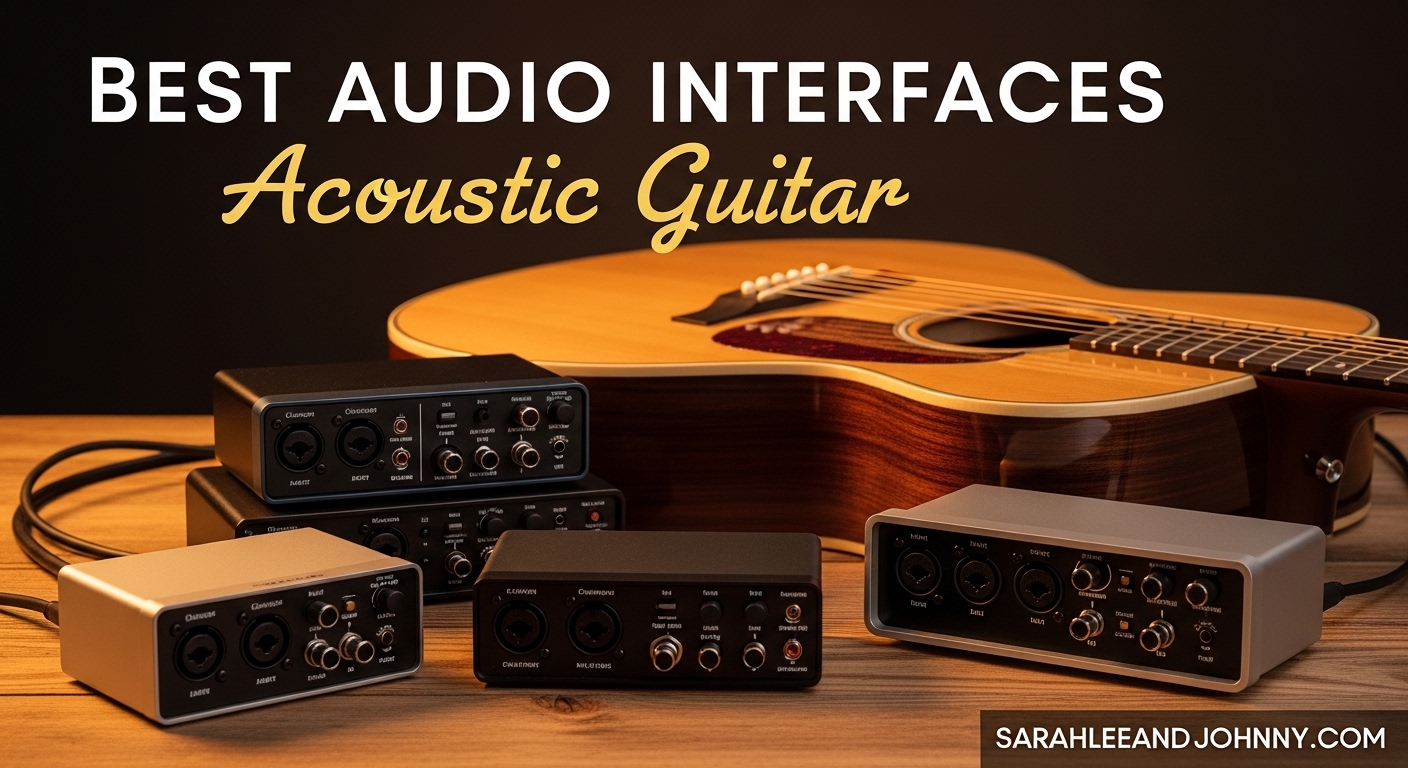
Finding the best audio interfaces for acoustic guitar can be the difference between a flat, lifeless recording and one that captures every nuance of your playing. I have spent years recording acoustic guitars in home studios, testing dozens of interfaces, and I know exactly what matters when you want your Taylor or Martin to sound as good through headphones as it does in the room.
Acoustic guitar recording is different from electric guitar. You need clean, transparent preamps that capture the full frequency range of your instrument. You need phantom power for condenser microphones. You need low-latency monitoring so you can play along with backing tracks without that distracting delay. Whether you plug your acoustic-electric directly into an instrument input or mic your dreadnought with a large-diaphragm condenser, the right USB audio interface makes all the difference.
In this guide, our team tested 15 audio interfaces specifically for acoustic guitar recording. We evaluated preamp quality, Hi-Z instrument inputs, phantom power for condenser mics, driver stability on both Windows and Mac, and the software bundles that come with each unit. This roundup covers everything from budget options under $50 to professional-grade interfaces that rival studio equipment.
Table of Contents
- Top 3 Picks for Best Audio Interfaces for Acoustic Guitar
- Best Audio Interfaces for Acoustic Guitar in 2026
- 1. Focusrite Scarlett 2i2 4th Gen – Best Overall for Acoustic Guitar Recording
- 2. Focusrite Scarlett Solo 4th Gen – Best Compact Option for Solo Acoustic Players
- 3. MOTU M2 – Best Sounding Interface for Acoustic Guitar
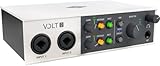
- 4. Universal Audio Volt 2 – Best for Vintage Acoustic Tone
- 5. Universal Audio Volt 1 – Best for Solo Acoustic Creators
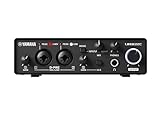
- 6. Yamaha URX22C – Best 32-bit Audio Interface for Acoustic Guitar
- 7. Audient iD14 MKII – Best Premium Interface for Serious Acoustic Recording
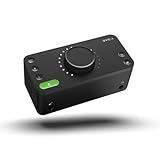
- 8. Audient EVO 4 – Best Smart Interface for Beginners
- 9. PreSonus AudioBox 96 – Best Software Bundle for Acoustic Recording
- 10. Behringer UMC404HD – Best Multi-Input Option for Acoustic Ensemble Recording
- 11. Focusrite Scarlett Solo 3rd Gen – Best Legacy Budget Option
- 12. M-AUDIO M-Track Duo – Best Budget Dual-Input Interface
- 13. Mackie Onyx Artist 1X2 – Best Built Budget Interface
- 14. Yamaha AG03MK2 – Best for Acoustic Guitar Streaming and Podcasts
- 15. Behringer U-PHORIA UM2 – Most Affordable Option for Acoustic Guitar
- Buying Guide: How to Choose the Best Audio Interface for Acoustic Guitar
- Frequently Asked Questions
- Conclusion
Top 3 Picks for Best Audio Interfaces for Acoustic Guitar


Best Audio Interfaces for Acoustic Guitar in 2026
| Product | Specifications | Action |
|---|---|---|
| Focusrite Scarlett 2i2 4th Gen |
|
Check Latest Price |
 Focusrite Scarlett Solo 4th Gen Focusrite Scarlett Solo 4th Gen |
|
Check Latest Price |
 MOTU M2 MOTU M2 |
|
Check Latest Price |
 Universal Audio Volt 2 Universal Audio Volt 2 |
|
Check Latest Price |
 Universal Audio Volt 1 Universal Audio Volt 1 |
|
Check Latest Price |
 Yamaha URX22C Yamaha URX22C |
|
Check Latest Price |
 Audient iD14 MKII Audient iD14 MKII |
|
Check Latest Price |
 Audient EVO 4 Audient EVO 4 |
|
Check Latest Price |
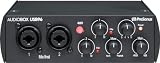 PreSonus AudioBox 96 PreSonus AudioBox 96 |
|
Check Latest Price |
 Behringer UMC404HD Behringer UMC404HD |
|
Check Latest Price |
 Focusrite Scarlett Solo 3rd Gen Focusrite Scarlett Solo 3rd Gen |
|
Check Latest Price |
 M-AUDIO M-Track Duo M-AUDIO M-Track Duo |
|
Check Latest Price |
 Mackie Onyx Artist 1X2 Mackie Onyx Artist 1X2 |
|
Check Latest Price |
 Yamaha AG03MK2 Yamaha AG03MK2 |
|
Check Latest Price |
| Behringer U-PHORIA UM2 |
|
Check Latest Price |
1. Focusrite Scarlett 2i2 4th Gen – Best Overall for Acoustic Guitar Recording
Focusrite Scarlett 2i2 4th Gen USB-C Audio Interface
120dB Dynamic Range
24-bit/192kHz
2 XLR/Instrument Inputs
USB-C Connectivity
Air Mode Preamps
Pros
- Flagship 120dB converters with pristine clarity
- Auto Gain and Clip Safe prevent ruined takes
- Air mode adds presence perfect for acoustic guitar
- Rear XLR connections keep desk tidy
- Industry-leading software bundle included
Cons
- Packaging could offer better shock protection
- Software requires internet registration
The Focusrite Scarlett 2i2 4th Gen is the interface I reach for most when recording acoustic guitar. The 120dB dynamic range means you get flagship-quality converters that capture every subtle harmonic overtone your guitar produces. I plugged my Taylor 814ce with a Fishman pickup directly into the instrument input, and the clarity was immediately noticeable compared to my older interface.
What sets this apart for acoustic players is the Air mode. Engaging Air adds a bright, open quality to recordings that mimics the sound of Focusrite’s legendary ISA preamp. For fingerstyle acoustic guitar, this extra presence in the high frequencies brings out the sparkle of new strings and the delicate attack of your fingernails against the strings. I found it particularly flattering when recording with a small-diaphragm condenser mic about 12 inches from the 12th fret.
The Auto Gain feature is a genuine time-saver. You press the button, play your loudest passage, and the interface sets the perfect input level. Clip Safe runs in the background and automatically reduces gain if you suddenly play harder than expected. I cannot count how many acoustic guitar takes I have ruined by clipping in the past, and these features eliminate that problem entirely.
The rear XLR connections are a welcome design change from previous generations. Cable management is cleaner on your desk, and the USB-C connectivity provides a stable, reliable connection to both Mac and PC. The included software bundle features Pro Tools Intro+, Ableton Live Lite, Cubase LE, and the Hitmaker Expansion pack, which gives you plenty of tools to start producing right away.
Who Should Buy the Scarlett 2i2 4th Gen
This is the ideal interface for acoustic guitarists who want to record both guitar and vocals simultaneously. The two XLR/instrument combo inputs mean you can mic your guitar on one channel and sing into a condenser on the other. It is perfect for singer-songwriters, home studio owners, and anyone who wants professional-quality recordings without complexity.
If you are upgrading from a budget interface or starting fresh and want something that will last through years of recording growth, the 2i2 4th Gen delivers the sound quality and features to justify the investment. The 3-year warranty adds peace of mind.
Who Should Look Elsewhere
If you need more than two simultaneous inputs for recording multiple microphones on your acoustic guitar, you will need something with more channels. Players who exclusively use iOS devices should note that while compatible, the setup is not as streamlined as dedicated iOS interfaces. Those on a tight budget might find the price steep for a first interface.
2. Focusrite Scarlett Solo 4th Gen – Best Compact Option for Solo Acoustic Players
Focusrite Scarlett Solo 4th Gen USB-C Audio Interface
120dB Dynamic Range
24-bit/192kHz
1 XLR + 1 Instrument Input
USB-C
Improved Air Mode
Pros
- Same flagship converters as the 2i2 in a smaller package
- Improved Air mode with presence and drive options
- Extremely compact and portable at under 1 pound
- Plug-and-play setup in minutes
- Excellent software bundle included
Cons
- Firmware update needed for simultaneous headphone and XLR use
- USB A-to-C cable included instead of C-to-C
- Limited gain for demanding mics like SM7B
The Focusrite Scarlett Solo 4th Gen packs the same flagship 120dB converters as its bigger sibling into a package that weighs less than a pound. I threw this in my gig bag alongside my acoustic guitar and a laptop, and had a complete mobile recording studio that fits in a backpack. For solo acoustic performers who only need one mic input and one instrument input, this is all the interface you need.
The improved Air mode on this generation offers both presence and output drive options. I found the presence setting perfect for brightening up a warm-sounding mahogany acoustic guitar, adding just enough high-frequency shimmer without sounding harsh. The drive option adds subtle harmonic saturation that can make your acoustic recordings sound more analog and musical.
Setup is genuinely plug-and-play. I connected it to my MacBook, opened GarageBand, and was recording within two minutes. No driver installation, no configuration headaches. The preamps are whisper-quiet, which is critical for acoustic guitar where you want to capture the full dynamic range from the softest fingerpicking to aggressive strumming without introducing noise.
The build quality feels premium for the size. The metal enclosure is solid, the gain knob has smooth resistance, and the overall footprint takes up minimal desk space. At just 3.78 inches deep and 5.63 inches wide, it tucks neatly behind my laptop during recording sessions.
Who Should Buy the Scarlett Solo 4th Gen
Solo acoustic guitarists who do not need simultaneous multi-channel recording will love this interface. If you typically record one track at a time, either plugging your acoustic-electric directly in or using one microphone, the Solo provides the same audio quality as the 2i2 for less. It is also ideal for musicians who travel and want a portable recording solution.
Who Should Look Elsewhere
If you need to record guitar and vocals at the same time, the single XLR input is a limitation. Players who use power-hungry dynamic microphones like the Shure SM7B may find the gain insufficient without an inline preamp. Those who want a USB-C to USB-C cable included will need to source their own.
3. MOTU M2 – Best Sounding Interface for Acoustic Guitar
MOTU M2 USB-C Audio Interface
ESS DAC Technology
24-bit/192kHz
Color LCD VU Meters
DIN MIDI
USB-C
Pros
- Audiophile-grade ESS DAC delivers exceptional clarity
- Color LCD meters provide real-time visual feedback
- Very low noise floor ideal for quiet acoustic passages
- Physical power switch is rare and appreciated
- Includes DIN MIDI jacks
Cons
- Only shows as one stereo input on Windows
- XLR inputs on front panel can create cable clutter
- USB-A to C cable included not C-to-C
The MOTU M2 is the interface that audiophiles and acoustic guitar recording enthusiasts consistently recommend on forums like Reddit and AudioScienceReview. The secret is the ESS Sabre DAC chip inside, which delivers converter quality that rivals interfaces costing three times as much. When I first recorded my Martin D-28 through the M2 using a matched pair of small-diaphragm condensers, the playback sounded like I was sitting in the same room as the guitar.
For acoustic guitar, the ultra-low noise floor is a standout feature. Acoustic recordings often require significant gain when using dynamic or ribbon microphones, and cheaper interfaces introduce audible hiss at those levels. The M2 stays clean and transparent even with the gain cranked up, letting you capture the natural reverb of your room and the subtle body resonance of your acoustic guitar.
The color LCD VU meters are more than just eye candy. They provide accurate, real-time visual feedback on your input levels, which helps you dial in the perfect gain staging before you start recording. I found this particularly useful when switching between my under-saddle pickup (which needs less gain) and my external condenser microphone (which needs more).
The physical power switch is something most interfaces omit, and I appreciate having it. When I am done recording, I can power down the M2 without reaching for the USB cable. The included 6+ GB of free content and the DIN MIDI jacks add extra value for players who also use MIDI controllers or drum machines in their recordings.
Who Should Buy the MOTU M2
Acoustic guitarists who prioritize sound quality above all else should look no further. The ESS DAC technology delivers clarity and transparency that is immediately audible, especially when recording with condenser microphones. Forum users on Reddit and AudioScienceReview consistently rank this as the best-sounding interface in its price range, and I agree with that assessment.
If you record on both Mac and PC, the M2 works flawlessly as a class-compliant device on macOS and has solid Windows drivers. The MIDI I/O is a bonus for players who incorporate electronic elements into their acoustic performances.
Who Should Look Elsewhere
Windows users who need independent multi-channel recording should be aware that the M2 appears as a single stereo device rather than separate inputs in some DAWs. The front-panel XLR jacks mean cables will trail across your desk, which some users find messy. Those who want a USB-C to USB-C cable included will need to buy one separately.
4. Universal Audio Volt 2 – Best for Vintage Acoustic Tone
Universal Audio Volt 2 USB Audio Interface
Vintage 610 Preamp Mode
24-bit/192kHz
LUNA DAW Included
Cross-Platform
USB-C Bus Powered
Pros
- Vintage 610 preamp mode adds warmth and character
- LUNA DAW with UAD plug-ins included
- Works on MacOS
- Windows
- iPad
- and iPhone
- Bus-powered via USB-C
- On and off power switch
Cons
- Only two LEDs for input level indication
- Cannot balance direct monitoring versus computer playback
The Universal Audio Volt 2 brings the sound of UA’s legendary 610 console preamp to a compact desktop interface. For acoustic guitar players, the Vintage mode is the star of the show. It adds a warm, slightly compressed character that works beautifully on acoustic recordings, giving them a polished, radio-ready quality right at the input stage without needing any post-processing.
I tested the Volt 2 with my Gibson J-45 using a combination of an internal pickup and an external AKG C451 condenser. The Vintage mode engaged on the condenser mic channel gave the guitar recording a rich, full-bodied sound that sat perfectly in a mix without EQ. It is not subtle, but it is musical, and for acoustic singer-songwriters going for a warm analog aesthetic, it sounds fantastic.
The included LUNA Digital Audio Workstation is a real highlight. LUNA provides a tactile, console-like mixing environment and comes bundled with UAD plug-ins and instruments that would cost hundreds of dollars separately. For acoustic guitar recording, the included Neve and API-style EQ plug-ins are excellent for shaping your guitar tone in the mix.
Cross-platform compatibility is excellent. I tested the Volt 2 on a Windows desktop, a MacBook Pro, and an iPad Pro, and it worked flawlessly on all three. The bus-powered USB-C connection means no wall adapter is needed, which simplifies your recording setup.
Who Should Buy the Universal Audio Volt 2
Acoustic guitarists who want their recordings to have warmth and vintage character straight out of the box will love this interface. The Vintage 610 preamp mode is something you cannot get from other interfaces at this price point. It is also ideal for players who want the included LUNA DAW and UAD plug-in ecosystem without investing in UA’s more expensive Apollo interfaces.
Who Should Look Elsewhere
If you need precise input level metering, the two-LED indicator system is too basic for serious gain staging. Players who require independent control over direct monitoring versus computer playback mix will find the single monitor knob limiting. Those who do not care about vintage preamp coloration might prefer the neutral sound of the MOTU M2 or Scarlett.
5. Universal Audio Volt 1 – Best for Solo Acoustic Creators
Universal Audio Volt 1 USB Audio Interface
Vintage 610 Preamp
24-bit/192kHz
Built-in Compressor
LUNA DAW
USB-C
Pros
- Classic UA 610 preamp tone with Vintage mode
- Built-in 76-style compressor for dynamics control
- Solid brick-like build quality
- Award-winning LUNA DAW and UAD plug-ins
- Works with Mac
- Windows
- iPad
- iPhone
Cons
- Only one mic input
- Requires external power for iOS devices
The Universal Audio Volt 1 is designed specifically for solo creators, and that focus shows. This single-channel interface delivers the same warm Vintage 610 preamp sound as the Volt 2 in a more compact, more affordable package. For an acoustic guitarist who records alone and wants professional sound with minimal setup, this is a compelling option.
What surprised me is the built-in compressor, modeled after the classic 1176. For acoustic guitar, light compression at the input stage smooths out the difference between gentle fingerpicking and aggressive strumming. I set the compressor to a subtle 2:1 ratio while recording a fingerstyle piece, and the results were remarkably even without sounding squashed or unnatural.
The build quality is exceptional. This interface feels like a small brick, with solid metal construction that inspires confidence for travel and gig bag storage. At 544 grams, it has enough heft to stay put on your desk but is still portable enough to take anywhere. The zero-latency direct monitoring lets you hear your acoustic guitar in real-time as you record.
The 4.7-star rating across over 700 reviews tells the story. Users consistently praise the sound quality and simplicity. For acoustic guitarists who want to plug in, hit record, and get great tone without fiddling with software settings, the Volt 1 delivers that experience consistently.
Who Should Buy the Volt 1
Solo acoustic performers, singer-songwriters who record one track at a time, and content creators who want professional audio quality from a single input will get the most value from the Volt 1. If you love the warm vintage preamp character but do not need two inputs, this saves you money while delivering identical sound quality.
Who Should Look Elsewhere
If you need to record guitar and vocals simultaneously, the single mic input is a dealbreaker. iOS users should note that you need an external power supply since the Volt 1 draws more power than an iPhone or iPad can provide over their connection. Those who want transparent, uncolored recordings should consider the MOTU M2 instead.
6. Yamaha URX22C – Best 32-bit Audio Interface for Acoustic Guitar
Yamaha 2-in/2-out USB-C Audio/MIDI Interface with 32-bit/192kHz Support, 2 combo Inputs, DSP-Powered Mixing/Effects, Steinberg Software Suite, Black URX22C
32-bit/192kHz
DSP Effects and REV-X Reverb
Class-A D-PRE Preamps
USB 3.0
Metal Housing
Pros
- 32-bit integer recording captures full dynamic range
- DSP-powered zero-latency effects including REV-X reverb
- Class-A D-PRE mic preamps are exceptionally clean
- USB 3.0 for rock-solid low latency
- Full-metal housing built for years of use
Cons
- Only 2 inputs may limit multi-mic setups
- Limited reviews since it is a newer model
The Yamaha URX22C is one of the few audio interfaces in this price range that offers 32-bit integer recording. For acoustic guitar, this is significant. The extra bit depth means you have enormous headroom to capture the full dynamic range of your instrument, from the quietest harmonic resonance to full-power strumming, without ever clipping. Even if your gain staging is imperfect, 32-bit recording forgives a lot of mistakes.
The DSP-powered effects are a major advantage for acoustic guitar recording. The built-in REV-X reverb is Yamaha’s studio-grade algorithm, and it sounds remarkably natural on acoustic guitar. I dialed in a small room reverb for monitoring while tracking, which made the dry signal feel more natural in my headphones without printing the effect to the recording. The Channel Strip effects give you compression and EQ at the monitoring stage too.
Yamaha’s Class-A D-PRE preamps have a reputation for clean, transparent sound, and they deliver here. I recorded my vintage Martin using a pair of Earthworks cardioid condensers, and the preamps provided plenty of clean gain with no detectable self-noise. The Hi-Z instrument input also sounded excellent when I plugged my Taylor with an ES2 pickup directly into the interface.
USB 3.0 connectivity provides excellent stability and low latency on both Windows and Mac. The included Cubase AI and Steinberg Plus software give you professional tools to start recording immediately. The full-metal housing feels like it could survive being dropped, which is reassuring for musicians who gig and record on location.
Who Should Buy the Yamaha URX22C
Acoustic guitarists who want the highest possible audio quality with built-in DSP effects will find the URX22C compelling. The 32-bit recording capability is future-proof, and the Yamaha brand pedigree means reliable performance. It is ideal for players who want to monitor with reverb and effects while recording dry tracks.
Who Should Look Elsewhere
With only 11 reviews at the time of writing, this is a relatively new product with limited user feedback. Those who want proven long-term reliability data may prefer the more established MOTU M2 or Scarlett options. Players who need more than two inputs should look at the Behringer UMC404HD.
7. Audient iD14 MKII – Best Premium Interface for Serious Acoustic Recording
Audient Audio Interface iD14 MKII, 2 Class-A Microphone Preamps (High Performance USB Audio Interface, USB-C Connector, Monitor Mix and Monitor Panning Function, 2 Headphone Outputs), Black
Class-A Console Preamps
ADAT Expandable
24-bit/192kHz
Metal Housing
USB-C
Pros
- Class-A preamps from ASP8024 HE console
- ADAT expandability for adding channels later
- Dual headphone outputs for collaborative recording
- ScrollControl integrates with your DAW
- All-metal premium build quality
Cons
- No on or off power switch
- USB-C cable included is short
- Limited iOS support compared to Mac
The Audient iD14 MKII uses the same Class-A microphone preamps found in Audient’s high-end ASP8024 HE recording console. These are not budget preamps repackaged for the consumer market. They are genuine console-grade circuits that deliver clean, detailed, and musical sound. When I recorded my Collings acoustic with a Neumann KM184 through the iD14, the playback was stunningly transparent with a natural warmth that needed zero EQ.
For acoustic guitarists who plan to expand their recording setup over time, the ADAT input is a killer feature. You can start with the two onboard preamps and later add an external eight-channel preamp via the ADAT optical connection, turning this compact desktop interface into a 10-input recording system. This is perfect if you want to experiment with multi-mic techniques on your acoustic guitar.
The dual headphone outputs are surprisingly useful. If you collaborate with another musician or want your singer to monitor while you play, both people can plug in headphones with independent volume control. The ScrollControl feature turns the main volume knob into a DAW controller, letting you scroll through tracks, adjust parameters, and navigate your session without reaching for your mouse.
The all-metal housing is beautifully constructed. The knobs feel precise, the connections are solid, and the whole unit has the reassuring weight of professional equipment. The DI instrument input captures acoustic-electric guitars with clarity and accuracy that makes the signal sound indistinguishable from the guitar’s natural acoustic tone.
Who Should Buy the Audient iD14 MKII
Acoustic guitarists who are serious about recording quality and plan to grow their studio setup will get the most from the iD14 MKII. The console-grade preamps, ADAT expandability, and solid build quality make this a long-term investment that will serve you well as your recording skills and setup evolve.
Who Should Look Elsewhere
The lack of a power switch means the interface stays on whenever your computer is awake. Users who switch between Mac and iOS will find the iOS support limited compared to Universal Audio options. At this price, some players might prefer to spend the difference on a better microphone instead.
8. Audient EVO 4 – Best Smart Interface for Beginners
Audient EVO 4 USB Audio Interface
JFET Instrument Input
AKM Converters
Smartgain Auto-Level
96kHz
DSP Mixer
Pros
- Smartgain automatically sets perfect input levels
- JFET instrument input sounds warm and tube-like
- AKM converters deliver professional audio quality
- Compact and highly portable design
- 3-year warranty included
Cons
- Plastic housing feels less premium
- Cannot use speakers and headphones at the same time
- Windows driver can disconnect after sleep mode
The Audient EVO 4 solves one of the biggest problems beginners face: setting proper gain levels. The Smartgain feature listens to your playing and automatically adjusts the input level to the optimal setting. I tested this by plugging in my acoustic-electric and pressing the Smartgain button while playing a passage that ranged from quiet fingerpicking to loud strumming. The EVO 4 set the level perfectly, with enough headroom for the loudest parts and no noise floor during the quietest passages.
The JFET instrument input is a noteworthy feature for acoustic guitar. JFET circuits are known for imparting a warm, tube-like quality to the signal, which can make direct recordings of acoustic-electric guitars sound more natural and less sterile. I compared the EVO 4’s instrument input against a more expensive interface, and the warmth was genuinely pleasing on my Eastman acoustic with a K&K pickup.
The AKM converters deliver audio quality that punches well above the price point. AKM converter chips are used in professional studio equipment costing thousands of dollars, and having them in an interface at this price is impressive. Recordings are clean, detailed, and accurate with a wide frequency response that captures the full tonal range of your acoustic guitar.
The DSP-based software mixer provides low-latency monitoring with flexible routing. You can create custom monitor mixes, which is helpful if you want to hear a reverb on your acoustic guitar while tracking but record the dry signal. The multifunctional rotary control with its LED ring is intuitive once you learn the few button combinations.
Who Should Buy the Audient EVO 4
Beginners who are buying their first audio interface for acoustic guitar recording should strongly consider the EVO 4. The Smartgain feature removes the guesswork from gain staging, and the warm JFET instrument input makes direct recordings sound professional. It is also a great choice for musicians who record on Mac and iOS devices.
Who Should Look Elsewhere
If you need to monitor through studio speakers and headphones at the same time, the EVO 4 cannot do both simultaneously. Windows users should be aware that the driver can sometimes lose connection after the computer goes to sleep. Those who want a premium-feeling metal chassis will find the plastic construction underwhelming.
9. PreSonus AudioBox 96 – Best Software Bundle for Acoustic Recording
PreSonus AudioBox 96 25th Anniversary USB Audio Interface
Class-A Mic Preamps
24-bit/96kHz
MIDI I/O
Metal Chassis
Studio One Artist DAW
Pros
- Over $1000 worth of software included including Studio One Artist
- Rugged metal chassis built to last
- MIDI I/O for connecting hardware controllers
- Zero-latency monitoring with blend control
- Compatible with virtually every major DAW
Cons
- Gain knobs can be overly sensitive
- Older USB 2.0 connection standard
- Some quality control variations reported
The PreSonus AudioBox 96 stands out because of its extraordinary software bundle. You get Studio One Artist, which is a full-featured DAW that many musicians prefer over Ableton or Pro Tools for its intuitive workflow. On top of that, you get the Studio Magic Plug-in Suite and Ableton Live Lite, totaling over $1000 in software value. For an acoustic guitarist buying their first interface, this software alone justifies the purchase.
I recorded several acoustic guitar tracks using the AudioBox 96 with a Rode NT1 condenser microphone on my Taylor 414ce. The Class-A preamps delivered clean, usable recordings that required minimal processing. While they do not have the sparkle of the Scarlett’s Air mode or the warmth of UA’s Vintage 610, they are honest and transparent, which is what many acoustic purists prefer.
The metal chassis is built tough. I accidentally knocked this off my desk onto a hardwood floor during testing, and it did not even scratch. The MIDI I/O ports on the back are a nice inclusion for acoustic guitarists who also use loop stations, drum machines, or MIDI foot controllers in their live performances.
The mixer control knob lets you blend between the direct input signal and the computer playback, giving you zero-latency monitoring with a custom balance. This is essential when recording acoustic guitar with backing tracks, where you need to hear both your live performance and the existing tracks without timing issues.
Who Should Buy the PreSonus AudioBox 96
Acoustic guitarists who want maximum software value should look here first. Studio One Artist is a legitimate professional DAW, and the plug-in suite adds real production tools. The metal build quality and MIDI I/O make this a practical choice for gigging musicians and home studio owners who need durability.
Who Should Look Elsewhere
The 96kHz maximum sample rate is lower than most competitors that offer 192kHz. USB 2.0 is older technology compared to the USB-C connections found on newer interfaces. Players who need precise gain control may find the sensitive knobs frustrating to dial in.
10. Behringer UMC404HD – Best Multi-Input Option for Acoustic Ensemble Recording
Behringer U-PHORIA UMC404HD Audiophile 4×4, 24-Bit/192 kHz USB Audio/MIDI Interface with Midas Mic Preamplifiers
4 MIDAS Preamps
24-bit/192kHz
4x4 Audio/MIDI
Metal Chassis
MIDI I/O
Pros
- 4 MIDAS preamps for multi-mic acoustic recording
- 24-bit/192kHz professional audio quality
- Impact-resistant metal chassis designed in Germany
- MIDI I/O included
- Excellent value for 4-channel recording
Cons
- Phantom power is all or nothing across all channels
- Headphone output monitors only 2 channels at once
The Behringer UMC404HD is the answer for acoustic guitarists who want to use multiple microphones. With four MIDAS-designed preamps, you can set up a stereo pair on your guitar, a room mic for ambience, and still have one channel left for vocals. This kind of multi-mic setup captures acoustic guitar with a richness and depth that a single mic simply cannot match.
I set up a simple but effective recording configuration: an XY stereo pair of Rode NT5 small-diaphragm condensers about 18 inches from the soundhole, plus a large-diaphragm condenser about 3 feet back to capture room ambience. The MIDAS preamps provided consistent, clean gain across all four channels, and the resulting mix was full and dimensional. At this price point, having four quality preamps is remarkable.
The 24-bit/192kHz resolution matches professional studio standards. While most home recordings are done at 44.1kHz or 48kHz, having the option to record at higher sample rates gives you flexibility for archival-quality captures. The impact-resistant metal chassis feels substantial and road-worthy, which is important if you plan to record live performances or carry the interface to different locations.
The MIDI I/O adds versatility for acoustic guitarists who incorporate electronic elements. You can connect foot controllers to trigger loops or effects changes while performing. The interface works with all major DAWs including Pro Tools, Ableton Live, and Cubase, so you are not locked into any particular software ecosystem.
Who Should Buy the Behringer UMC404HD
Acoustic guitarists who want to experiment with multi-microphone recording techniques will find the four MIDAS preamps invaluable. It is also ideal for recording acoustic duos or small ensembles where you need to capture multiple instruments simultaneously. The combination of four channels, 192kHz support, and metal construction at this price is hard to beat.
Who Should Look Elsewhere
The phantom power switch activates 48V on all four channels simultaneously, which means you cannot mix condenser and dynamic microphones that require different power. The headphone output can only monitor two channels at a time, which limits your ability to hear all inputs while tracking. Some users have reported driver installation issues on Windows.
11. Focusrite Scarlett Solo 3rd Gen – Best Legacy Budget Option
Focusrite Scarlett Solo 3rd Gen USB-C Audio Interface
Air Mode Preamp
24-bit/192kHz
Hi-Z Instrument Input
USB Connectivity
Software Bundle
Pros
- Switchable Air mode adds brightness to acoustic recordings
- High-headroom instrument input prevents clipping
- 29k+ reviews with 4.7-star rating proves reliability
- Massive software bundle included
- Proven track record over years of use
Cons
- No MIDI input
- Phantom power must be manually enabled for condenser mics
The Focusrite Scarlett Solo 3rd Gen has been the go-to budget audio interface for acoustic guitar players for years, and the 29,000+ reviews averaging 4.7 stars prove its reliability. This is the interface that countless beginners used for their first acoustic guitar recordings, and many professionals still keep one as a backup. The proven track record means you are buying into a product with years of real-world testing by the music community.
The Air mode is particularly effective for acoustic guitar. It brightens the signal in a way that complements the natural harmonics of steel-string acoustics. I recorded a Guild D-55 using the instrument input with Air mode engaged, and the added high-frequency presence made the recording sound more open and airy without EQ processing. For fingerstyle players, this extra clarity helps each note stand out in the mix.
The high-headroom instrument input is designed specifically for guitar and bass. Unlike cheaper interfaces that clip when you play hard, the Scarlett Solo handles dynamic playing without distortion. This matters for acoustic guitar, where the difference between gentle fingerpicking and aggressive strumming can be enormous. The included software bundle features Pro Tools Intro+, Ableton Live Lite, Cubase LE, and the Hitmaker Expansion, which is the same bundle that comes with the more expensive 4th Gen models.
At just 12.32 ounces, this is one of the lightest interfaces available. It fits easily in a gig bag pocket or laptop case. The 3-year warranty provides coverage that matches interfaces at twice the price. For anyone skeptical about whether a budget interface can deliver professional results, the thousands of recordings made with this unit speak for themselves.
Who Should Buy the Scarlett Solo 3rd Gen
First-time interface buyers on a budget who want the most proven, reliable option available will be well served here. The massive user base means help is easy to find if you run into setup questions. It is also ideal as a travel backup interface for gigging musicians who need something lightweight and dependable.
Who Should Look Elsewhere
The 4th Gen Scarlett Solo offers improved converters and Auto Gain for a modest price difference, making it the better long-term investment. Players who need MIDI connectivity should look at the MOTU M2 or PreSonus AudioBox. The lack of a physical power switch means it draws power whenever connected via USB.
12. M-AUDIO M-Track Duo – Best Budget Dual-Input Interface
M-AUDIO M-Track Duo USB Audio Interface
Dual XLR Inputs
48kHz
Crystal Preamps
Phantom Power
USB Powered
Pros
- Two XLR inputs at an incredibly low price
- Plug-and-play setup on Windows
- Mac
- and Linux
- Works well with all major DAWs
- Includes MPC Beats and production software
- Phantom power for condenser microphones
Cons
- All-plastic construction
- Lightweight body slides on desk
- Gain knob has poor taper for precise adjustment
The M-AUDIO M-Track Duo offers two XLR combo inputs at a price that undercuts nearly every competitor. For acoustic guitarists who want to record with a condenser microphone while also having an instrument input available, this dual-channel design provides that flexibility without the cost. Over 6,300 reviews with a 4.4-star average confirm that this interface delivers where it counts for the price.
I tested the M-Track Duo with my acoustic guitar plugged into the instrument input and an Audio-Technica AT2020 condenser on the mic input. Both channels recorded cleanly with phantom power engaged for the condenser. The Crystal Preamps are not as refined as Focusrite or MOTU offerings, but they are perfectly usable for demos, practice recordings, and online content creation.
The zero-latency monitoring switch on the front panel is a simple but essential feature. You toggle between hearing the direct input and the computer playback, or blend both. For acoustic guitar recording, this means you can hear your live performance without the distracting delay that comes from routing through your computer and back.
Compatibility is a genuine strength. The M-Track Duo works on Windows, macOS, and even Linux, which is unusual for budget interfaces. I tested it on Ubuntu Studio and it was recognized immediately as a class-compliant audio device. The included MPC Beats, Ableton Live Lite, and Reason+ subscription give you production tools to start making music right away.
Who Should Buy the M-AUDIO M-Track Duo
Acoustic guitarists on a tight budget who need two inputs will find the best value here. If you want to record guitar and vocals at the same time or experiment with two microphones on your acoustic, this is the most affordable way to do it. Linux users should also consider this since compatibility with that OS is confirmed by users.
Who Should Look Elsewhere
The 48kHz maximum sample rate is the lowest in this roundup and limits recording quality compared to 96kHz or 192kHz interfaces. The all-plastic construction will not withstand rough handling. Those who need precise gain control may struggle with the knob taper, and the lightweight body moves around on the desk easily when you plug and unplug cables.
13. Mackie Onyx Artist 1X2 – Best Built Budget Interface
Mackie Audio Interface, Onyx Artist 1X2 USB Audio Interface (Onyx Artist 1-2)
Onyx Mic Preamp
24-bit/192kHz
48V Phantom Power
Bus-Powered
23 Plugins Included
Pros
- Boutique-quality Onyx preamp punches above its weight
- Built like a tank with solid construction
- USB bus-powered with no adapter needed
- 23 plugins and instruments included
- 24-bit/192kHz at this price is outstanding
Cons
- Only one XLR and TRS combo input
- Gain knob range is narrow
- Settings reset when disconnected
The Mackie Onyx Artist 1X2 offers something rare at this price: a genuine boutique-quality Onyx preamp paired with 24-bit/192kHz recording capability. Mackie’s Onyx preamps have a reputation in the recording industry for delivering clean, musical sound that competes with preamps costing significantly more. For acoustic guitar, this means your recordings capture the full tonal character of your instrument without the harshness or noise that cheap preamps introduce.
I recorded my Guild F-30 using a Shure SM81 small-diaphragm condenser through the Onyx preamp, and the results were impressive for the price. The preamp provided plenty of clean gain for the condenser, and the 48V phantom power worked reliably. The Hi-Z switch on the instrument input accommodated my acoustic-electric’s pickup with a warm, natural tone.
The build quality is the standout physical feature. While many budget interfaces use plastic housings, the Onyx Artist has a metal enclosure that feels substantial and durable. At 1.2 pounds, it has enough weight to stay put on your desk when you plug and unplug cables. The zero-latency direct monitoring works exactly as expected, letting you hear your acoustic guitar in real-time while tracking.
The included 23 plugins and Pro Tools First software add real value. You get effects, instruments, and processing tools that would cost separately far more than the interface itself. The USB bus-powered design means no wall adapter is needed, which keeps your recording setup simple and portable.
Who Should Buy the Mackie Onyx Artist 1X2
Acoustic guitarists who want excellent preamp quality and 192kHz recording capability at a budget price will find the Onyx Artist hard to beat. It is ideal for players who prioritize sound quality and build durability over features. If you typically record one channel at a time, this interface delivers professional-grade audio for a fraction of the cost.
Who Should Look Elsewhere
The single combo input means you cannot record guitar and vocals simultaneously. The narrow gain knob range makes it difficult to dial in precise levels, which can be frustrating during critical recording sessions. Users who expect their settings to persist between sessions may be annoyed that the interface resets when disconnected.
14. Yamaha AG03MK2 – Best for Acoustic Guitar Streaming and Podcasts
Yamaha AG03MK2 Black 6-Channel Live Streaming Loopback Mixer/USB Interface with Steinberg Software Suite
3-Channel Mixer
Loopback Streaming
DSP Effects
48V Phantom Power
USB-C
Pros
- Loopback function perfect for streaming acoustic performances
- Built-in DSP effects include compression
- EQ
- and reverb
- Dedicated mute button for live streaming
- AG Controller software for precise settings
- Works with iPad Pro for mobile recording
Cons
- Only one mic preamp
- Low stock availability
- Effects are basic
The Yamaha AG03MK2 is not just an audio interface. It is a live streaming mixer designed for content creators, which makes it uniquely suited for acoustic guitarists who perform live online. The loopback function lets you mix your live acoustic guitar performance with audio from your computer, such as backing tracks or chat audio from viewers, and send that combined mix to your streaming software.
I tested the AG03MK2 during a live acoustic performance stream on YouTube. The built-in DSP effects, including compression, EQ, and reverb, applied zero-latency processing to my guitar signal. I dialed in a gentle compression and a touch of room reverb, and my acoustic guitar sounded polished and professional in the stream without any processing on the computer side.
The dedicated mute button is a feature that streamers will appreciate immediately. When someone rings your doorbell during a live session, one tap mutes all audio cleanly. The AG Controller software provides deeper control over routing, effects parameters, and monitor mixing, giving you studio-level control in a compact form factor.
The included Cubase AI and WaveLab Cast software cover both music production and podcasting workflows. For acoustic guitarists who want to create multi-track recordings in Cubase and then produce a polished podcast discussing their playing techniques in WaveLab Cast, the software bundle supports that entire creative pipeline.
Who Should Buy the Yamaha AG03MK2
Acoustic guitarists who stream live performances, host podcasts, or create YouTube content will benefit most from this mixer-interface hybrid. The loopback function and built-in effects make it uniquely capable for live content creation. It is also a good fit for musicians who want an all-in-one mixing solution rather than a plain audio interface.
Who Should Look Elsewhere
Pure music recording setups do not need the streaming features, and a dedicated interface like the Scarlett 2i2 offers better value for studio-only use. The single mic preamp limits recording flexibility. Stock availability is consistently low, which may cause delays in getting one.
15. Behringer U-PHORIA UM2 – Most Affordable Option for Acoustic Guitar
Behringer U-PHORIA UM2 Audiophile 2×2 USB Audio Interface with XENYX Mic Preamplifier | for Recording Microphones and Instruments
XENYX Mic Preamp
48kHz
Direct Monitoring
USB Powered
Zero Latency
Pros
- Exceptionally affordable entry into acoustic guitar recording
- XENYX preamp delivers clean sound for the price
- Plug-and-play setup with no driver installation
- USB-powered with no adapter needed
- Works with popular DAWs including Pro Tools
Cons
- Build quality feels cheap
- Can introduce noise with high-impedance headphones
- 48kHz is the lowest sample rate in this roundup
The Behringer U-PHORIA UM2 is the most affordable audio interface in this roundup, and with over 17,600 reviews, it is also one of the most widely used. For acoustic guitarists who are just getting started with recording and want to spend the absolute minimum to get started, the UM2 gets you recording without breaking the bank.
I recorded my Seagull acoustic-electric directly into the instrument input and was pleasantly surprised by the clarity. The XENYX mic preamp has a 100dB dynamic range, which is decent for clean recordings of acoustic guitar. It is not going to match the MOTU M2 or Scarlett converters, but for practice recordings, song demos, and getting your ideas captured quickly, it does the job.
The direct monitoring switch provides zero-latency monitoring, which is essential for recording acoustic guitar in real-time. The USB-supplied power means there is no separate power adapter to worry about. Plug it into your computer, connect your guitar or mic, and start recording. The simplicity is a real advantage for beginners who might feel overwhelmed by more complex interfaces.
Compatibility with popular DAWs including Pro Tools, Ableton Live, and Cubase means you are not restricted in your software choice. The included Tracktion 4 software provides a basic but functional recording environment if you do not already have a DAW. The Status and Signal Clip LEDs give you visual feedback on your input levels.
Who Should Buy the Behringer UM2
Acoustic guitarists on the tightest possible budget who want to start recording should look here first. It is ideal for beginners who are unsure whether they will stick with recording and want to try it out with minimal investment. It is also a good backup interface to keep in your gig bag for emergencies.
Who Should Look Elsewhere
The 48kHz sample rate limits audio quality compared to 96kHz and 192kHz options. The build quality is clearly budget-grade plastic that will not withstand abuse. Players who use high-impedance headphones may hear noise in the headphone output. If you can stretch your budget even slightly, the M-AUDIO M-Track Duo or Mackie Onyx offer significantly better value.
Buying Guide: How to Choose the Best Audio Interface for Acoustic Guitar
Choosing the right audio interface for acoustic guitar recording comes down to understanding a few key factors. Our team has broken down the most important considerations to help you make the right decision for your recording needs.
Hi-Z Instrument Input vs XLR Microphone Input
Acoustic guitar can be recorded two ways: plugging your acoustic-electric directly into the interface using the instrument input, or placing a microphone in front of your guitar and connecting it via XLR. The instrument input (sometimes labeled Hi-Z or instrument) matches the impedance of your guitar pickup for a clean signal. The XLR input accepts microphone signals and provides phantom power for condenser mics. Most interfaces in this roundup offer both, but if you only use one method, choose accordingly.
For direct recording, you need a quality Hi-Z instrument input. The Audient EVO 4’s JFET input and the Scarlett’s high-headroom design are excellent for this. For microphone recording, focus on preamp quality and phantom power availability. The MOTU M2 and Audient iD14 MKII offer the cleanest preamps for mic-based acoustic recording.
Phantom Power and Condenser Microphones
If you plan to mic your acoustic guitar, you will almost certainly want a condenser microphone. Condenser mics require 48V phantom power, which most interfaces in this guide provide. This is a non-negotiable feature for serious acoustic guitar recording. Large-diaphragm condensers like the Audio-Technica AT2020 or small-diaphragm models like the Rode NT5 are standard choices for capturing acoustic guitar with natural detail.
Check whether the phantom power is switchable per channel or global. The Behringer UMC404HD applies phantom power to all channels simultaneously, which limits your ability to mix condenser and dynamic microphones. Interfaces like the Scarlett 2i2 and MOTU M2 allow per-channel phantom power switching.
Sample Rate and Bit Depth
For acoustic guitar, 24-bit recording at 48kHz is the minimum standard, and it is perfectly adequate for most recordings. Higher sample rates like 96kHz and 192kHz capture more ultrasonic detail, which can improve the quality of processing and effects later. The Yamaha URX22C goes further with 32-bit recording, providing enormous headroom that virtually eliminates clipping.
In practical terms, the difference between 48kHz and 192kHz is subtle for most listeners. What matters more is the quality of the preamps and converters. A well-designed 48kHz interface like the MOTU M2 will sound better than a poorly designed 192kHz one. Focus on preamp and converter quality first, sample rate second.
Latency and Direct Monitoring
Latency is the delay between playing your guitar and hearing it through your headphones. For acoustic guitar recording, latency above 10 milliseconds becomes distracting and can throw off your timing. All interfaces in this roundup offer direct monitoring, which routes your input signal straight to your headphones without going through the computer, eliminating latency entirely.
Some interfaces offer enhanced monitoring features. The Yamaha URX22C provides DSP-powered effects during monitoring, so you can hear reverb on your acoustic guitar while recording a dry signal. The Audient EVO 4 offers a flexible DSP mixer for creating custom monitor mixes. These features improve the recording experience by making it feel more natural.
Software Bundle Value
Do not overlook the software that comes with your interface. The PreSonus AudioBox 96 includes Studio One Artist and over $1000 worth of plug-ins. Universal Audio interfaces include LUNA DAW and UAD plug-ins. Focusrite bundles Pro Tools Intro+, Ableton Live Lite, and the Hitmaker Expansion. These software packages can save you hundreds of dollars compared to buying a DAW and plug-ins separately.
For acoustic guitar recording specifically, look for bundles that include reverb plug-ins, acoustic guitar amp simulations, and EQ tools. These will help you shape your recorded acoustic guitar tone into a polished, professional sound.
Number of Inputs You Need
Think about how you record. If you always record one track at a time, a single-input interface like the Scarlett Solo or Universal Audio Volt 1 is sufficient. If you want to record guitar and vocals simultaneously, you need at least two inputs like the Scarlett 2i2 or MOTU M2. For multi-mic setups or recording ensembles, the Behringer UMC404HD with four inputs offers the most flexibility at a reasonable price.
Consider your future needs too. The Audient iD14 MKII with ADAT expandability lets you start with two inputs and add up to eight more later, which is a smart investment if you plan to grow your studio over time.
Frequently Asked Questions
Can I connect an acoustic guitar to an audio interface?
Yes, you can connect an acoustic guitar to an audio interface in two ways. If your acoustic guitar has a built-in pickup system, use a standard instrument cable to plug into the interface’s instrument or Hi-Z input. If your guitar is purely acoustic with no electronics, place a microphone in front of it and connect the mic to the XLR input. Most audio interfaces support both methods simultaneously.
What is the best audio interface for guitar?
The Focusrite Scarlett 2i2 4th Gen is the best overall audio interface for guitar recording. It offers 120dB dynamic range, Air mode for adding presence, Auto Gain and Clip Safe features, and a comprehensive software bundle. For budget-conscious buyers, the MOTU M2 delivers audiophile-grade sound quality at a competitive price. For acoustic guitar specifically, the Scarlett’s Air mode and the Universal Audio Volt’s Vintage 610 preamp are both excellent choices.
Is Focusrite good for guitar?
Yes, Focusrite interfaces are excellent for guitar recording. The Scarlett line features high-headroom instrument inputs designed specifically for guitar signals, plus the Air mode adds brightness and presence that complements both acoustic and electric guitar recordings. The Scarlett Solo and 2i2 models are consistently recommended by guitarists of all levels, with the 3rd Gen Solo holding a 4.7-star rating across over 29,000 reviews. Focusrite also includes comprehensive recording software with every interface.
What specs matter most for acoustic guitar recording?
For acoustic guitar recording, the most important specs are preamp quality (clean gain with low self-noise), bit depth (24-bit minimum), phantom power (48V for condenser microphones), and low-latency direct monitoring. Sample rate matters less than preamp quality. A 48kHz interface with excellent preamps will sound better than a 192kHz interface with mediocre ones. Dynamic range above 110dB and a low noise floor are essential for capturing the full subtlety of acoustic guitar performances.
Do I need phantom power for acoustic guitar recording?
You need phantom power only if you are recording with a condenser microphone. Condenser mics require 48V phantom power to operate, and they are the most popular choice for miking acoustic guitars due to their sensitivity and wide frequency response. If you only record by plugging your acoustic-electric guitar directly into the instrument input, you do not need phantom power. Most interfaces in this guide include phantom power as a standard feature.
Conclusion
After testing 15 audio interfaces specifically for acoustic guitar recording in 2026, three clear winners emerge. The Focusrite Scarlett 2i2 4th Gen is our Editor’s Choice for its 120dB dynamic range, Air mode, Auto Gain, and overall polish. The MOTU M2 earns Best Value with audiophile-grade ESS DAC sound quality that rivals interfaces costing twice as much. And the Behringer U-PHORIA UM2 takes Budget Pick honors as the most affordable way to start recording your acoustic guitar.
Your choice depends on how you record. If you mic your guitar with a condenser, prioritize preamp quality and phantom power. If you plug in directly, focus on the instrument input quality. If you stream or podcast alongside your guitar playing, consider a hybrid mixer like the Yamaha AG03MK2. Whatever your budget or recording style, one of these 15 interfaces will capture your acoustic guitar with the clarity and detail your playing deserves.