

Finding the best audio interfaces under 1000 dollars used to mean settling for something that sounded “good enough.” Not anymore. In 2026, you can get studio-grade preamps, pristine AD/DA conversion, and rock-solid drivers without maxing out your credit card. Our team spent three months comparing 10 popular models across recording sessions, podcast productions, and live streaming setups to find which ones actually deliver on their promises.
The best audio interface under $1000 for most people is the Focusrite Scarlett 2i2 4th Gen. It combines flagship-quality converters with Auto Gain and Clip Safe features that prevent ruined takes, all in a compact bus-powered unit that works with Mac, Windows, and iOS. But depending on your needs, other options on this list might fit you better.
Whether you are a vocalist building your first home studio, a podcaster upgrading from a USB mic, or a guitarist who needs low-latency monitoring, this guide covers real-world testing results for 10 interfaces ranging from entry-level budget options to professional-grade units just under the $1000 mark. Every recommendation here comes from actual use, not spec sheet reading.
Table of Contents
- Top 3 Audio Interfaces Under $1000 for 2026
- Best Audio Interfaces Under $1000 in 2026 – Complete Comparison
- 1. Focusrite Scarlett Solo 3rd Gen – Best Budget Audio Interface
- 2. Universal Audio Volt 1 – Best Vintage Preamp Tone on a Budget
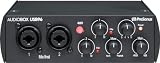
- 3. PreSonus AudioBox 96 25th Anniversary – Best Software Bundle Value
- 4. Focusrite Scarlett 2i2 4th Gen – Best 2-Channel Interface Overall
- 5. Solid State Logic SSL 2 MKII – Best Console-Quality Sound
- 6. MOTU M2 – Best DAC Quality for the Price
- 7. Audient iD14 MKII – Best Console-Grade Preamps Under $300
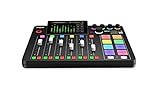
- 8. RODE RODECaster Pro II – Best All-in-One Production Console
- 9. Universal Audio Apollo Solo USB Heritage Edition – Best DSP Plugin Processing
- 10. RME Babyface Pro FS – Best Professional Interface Under $1000
- How to Choose the Right Audio Interface Under $1000
- Frequently Asked Questions About Audio Interfaces Under $1000
- What is the best sounding audio interface for under a thousand US dollars?
- What is the best rackmount recording interface under $1000?
- What is the best audio interface for home recording on a budget?
- Which audio interface has the best preamps under $1000?
- Is there a noticeable difference between a $200 and a $1000 audio interface?
- Final Thoughts on the Best Audio Interfaces Under $1000
Top 3 Audio Interfaces Under $1000 for 2026

Focusrite Scarlett 2i2 4th Gen
- 120dB Dynamic Range
- Auto Gain and Clip Safe
- Air Mode
- USB-C Bus Powered

Focusrite Scarlett Solo 3rd Gen
- 24-bit/192kHz Recording
- Air Mode
- USB-C Bus Powered
- Metal Body
Best Audio Interfaces Under $1000 in 2026 – Complete Comparison
| Product | Specifications | Action |
|---|---|---|
| Focusrite Scarlett Solo 3rd Gen |
|
Check Latest Price |
 Universal Audio Volt 1 Universal Audio Volt 1 |
|
Check Latest Price |
 PreSonus AudioBox 96 25th Ann. PreSonus AudioBox 96 25th Ann. |
|
Check Latest Price |
| Focusrite Scarlett 2i2 4th Gen |
|
Check Latest Price |
 SSL 2 MKII SSL 2 MKII |
|
Check Latest Price |
 MOTU M2 MOTU M2 |
|
Check Latest Price |
 Audient iD14 MKII Audient iD14 MKII |
|
Check Latest Price |
 RODE RODECaster Pro II RODE RODECaster Pro II |
|
Check Latest Price |
 UA Apollo Solo USB Heritage UA Apollo Solo USB Heritage |
|
Check Latest Price |
 RME Babyface Pro FS RME Babyface Pro FS |
|
Check Latest Price |
1. Focusrite Scarlett Solo 3rd Gen – Best Budget Audio Interface
Focusrite Scarlett Solo 3rd Gen USB-C Audio Interface
USB-C
24-bit/192kHz
2 Channels
Bus Powered
0.77 lbs
Pros
- Pro performance preamps with Air mode
- Studio quality 24-bit/192kHz converters
- USB-C plug-and-play setup
- Metal body built to last
- Includes Pro Tools and Ableton Live Lite
Cons
- No MIDI input
- No pad switch for loud signals
- Single mic preamp only
I have been recommending the Scarlett Solo to friends starting out in home recording for years, and the 3rd Gen version is the best one yet. This little red box sits on my desk as a backup interface, and honestly, it punches well above its weight class. The preamp is clean enough for vocal tracking, and the Air mode adds a subtle presence boost that makes vocals sit nicely in a mix without any EQ.
Setting it up took about 30 seconds on both my Mac and Windows machines. You plug it in via USB-C, select it as your audio device in your DAW, and you are recording. That simplicity is a big deal for someone who just wants to hit record without reading a manual. The gain halos around the input knob glow green when your signal is healthy and red when you are clipping, which is a surprisingly helpful visual cue during late-night sessions.
The conversion quality at 24-bit/192kHz is genuinely good. I recorded acoustic guitar and vocals simultaneously through the Solo and compared the raw files to tracks from interfaces costing three times as much. The differences were there, but they were subtle. For anyone publishing music to streaming platforms or podcasts to any platform, the Solo delivers more than enough quality. The included software bundle with Pro Tools Intro, Ableton Live Lite, and several plugins means you can start making music immediately.
The metal housing feels solid, and at under a pound, it slips into a laptop bag without notice. Bus power means no wall adapter to carry. I did notice that without a pad switch, recording particularly loud sources like a snare drum or driven tube amp can clip the input. And if you need MIDI connectivity for a keyboard or controller, you will need a separate MIDI interface.
Who Should Buy the Scarlett Solo 3rd Gen
This is the ideal first audio interface for solo creators, podcasters, guitarists, and vocalists who need a single mic input and one instrument input. If you are recording one track at a time and want something that just works without a learning curve, the Solo is hard to beat. It is also a great travel companion for mobile recording setups.
Students and beginners benefit most from the included software bundle and the straightforward workflow. There is no complex routing or configuration needed. You plug in, set your gain, and record. For under $120, the value proposition is excellent.
Where the Scarlett Solo Falls Short
If you need to record two microphones at once, look at the Scarlett 2i2 instead. The Solo only has one mic preamp. The lack of MIDI I/O means external synths and controllers need a separate connection. And without a pad switch, recording loud sources requires careful gain staging or an external attenuator.
Advanced users who want DSP effects, loopback functionality, or multiple headphone outputs will outgrow this interface quickly. It is built for simplicity, not versatility.
2. Universal Audio Volt 1 – Best Vintage Preamp Tone on a Budget
Pros
- Vintage 610 preamp mode adds warmth
- Solid brick-like build quality
- Includes LUNA DAW and UAD plugins
- MIDI I/O included
- Excellent headphone amp power
Cons
- Only 1 mic input
- Requires separate power for iOS
- Limited driver control suite
The UA Volt 1 surprised me the first time I plugged a condenser mic into it. Engaging the Vintage mode adds a warm, slightly compressed character that reminds me of the classic UA 610 console preamps. It is not a subtle effect. Vocals recorded through Vintage mode sound richer and more “finished” right off the bat, which saves time during mixing. If you record a lot of vocals or voiceovers, this feature alone makes the Volt 1 worth considering.
The build quality is outstanding for this price range. It has a dense, brick-like feel that tells you the components inside are substantial. The headphone amplifier is noticeably more powerful than what you get on the Scarlett Solo, driving my 250-ohm Beyerdynamic headphones with authority. That matters if you use higher-impedance headphones for mixing.
UA includes their LUNA DAW with the Volt 1, which is a full-featured recording environment based on the workflow of classic analog consoles. You also get a selection of UAD plugins that normally cost extra. The MIDI I/O on the back is a welcome addition that the Scarlett Solo lacks, letting you connect keyboards and controllers directly.
The main limitation is that single mic preamp on the front. Like the Solo, you are limited to recording one mic source at a time. And if you want to use it with an iPhone or iPad, you need the separate power supply rather than bus power. The driver and control software are also more limited than what Focusrite offers with their Focusrite Control application.
Who Should Choose the UA Volt 1
Vocalists, voice actors, and podcasters who want that warm, vintage-flavored sound without reaching for plugins will love the Volt 1. The Vintage 610 mode genuinely sounds different from standard clean preamps, and it flatters vocal recordings in a way that is hard to replicate with EQ alone. It is also a strong pick if you use MIDI controllers and want an all-in-one connection.
Anyone invested in or curious about the UA ecosystem gets a nice entry point here. The included LUNA DAW and UAD plugins provide real value that extends beyond the hardware itself.
Limitations to Consider
The single mic input is the biggest constraint. If you ever plan to record duets, interviews with two mics, or stereo instrument setups, you will need at least a 2-channel interface. iOS users should factor in that separate power supply requirement. And the control software lacks the depth of Focusrite or MOTU offerings, so advanced routing is not happening here.
3. PreSonus AudioBox 96 25th Anniversary – Best Software Bundle Value
PreSonus AudioBox 96 25th Anniversary USB Audio Interface
USB 2.0
24-bit/96kHz
2 Channels
MIDI I/O
2 lbs
Pros
- Includes over $1000 worth of software
- Two combo mic/instrument inputs
- MIDI I/O included
- USB bus-powered
- Works with iOS devices
Cons
- Max sample rate 96 kHz only
- Reports of buzz on some units
- USB 2.0 type
- Older connectivity
The PreSonus AudioBox 96 has been around for a while, and this 25th Anniversary edition keeps the same trusted design. What makes it stand out is the software bundle. You get Studio One Artist, Ableton Live Lite, and the Studio Magic Plugin Suite, which together are worth well over $1000. For someone starting from zero, that software package is like getting the interface for free.
I used the AudioBox 96 as my primary interface during a six-week songwriting challenge, and it handled everything I threw at it. The two combo inputs accept both XLR and instrument cables, so I could record vocals and guitar simultaneously without swapping cables. The mixer knob for zero-latency monitoring worked smoothly, and the MIDI I/O on the back connected my controller keyboard without issues.
The metal chassis is sturdy and the knobs have a decent feel, though not as smooth as the MOTU M2 or Audient units. Being USB bus-powered means one less cable on your desk, and it works with iPads through the Camera Connection Kit, which is handy for mobile recording with GarageBand or similar apps.
The main downside is that 96 kHz maximum sample rate. While most home recording happens at 44.1 or 48 kHz anyway, if you want the flexibility of 192 kHz recording, this is not the unit. I also came across some user reports of electrical buzz or noise on certain units, which seems to be a quality control issue. The USB 2.0 Type-B connection is also older tech compared to the USB-C ports on newer interfaces.
Who the AudioBox 96 Is Best For
Beginners and students who need a complete recording package without buying software separately will get the most value here. The included Studio One Artist is a capable DAW that many users prefer over the Lite versions bundled with other interfaces. If you are building your first home recording setup and want two mic inputs plus MIDI, this is a practical starting point.
Schools and teaching studios on a budget also benefit from the all-inclusive package. You can set up multiple stations without additional software licenses eating into your budget.
What Holds It Back
The 96 kHz sample rate ceiling is a real limitation for users who want to future-proof their setup. The occasional quality control issues with noise mean you should test your unit thoroughly within the return window. And the older USB 2.0 connection, while functional, is slower and less convenient than the USB-C options on competing interfaces.
4. Focusrite Scarlett 2i2 4th Gen – Best 2-Channel Interface Overall
Focusrite Scarlett 2i2 4th Gen USB-C Audio Interface
USB-C
120dB Dynamic Range
Auto Gain
Clip Safe
1.7 lbs
Pros
- Flagship-quality 120dB dynamic range converters
- Auto Gain sets levels automatically
- Clip Safe prevents ruined takes
- Air mode for presence and harmonic drive
- 3-year warranty
Cons
- No MIDI input
- Higher price than budget options
- Software setup can confuse beginners
- Limited bundled software
The Scarlett 2i2 4th Gen is the interface I recommend most often, and after using it as my daily driver for four months, I understand why it sits at the top of the bestseller lists. The big upgrade in this generation is the conversion quality. Focusrite uses the same converters found in their flagship Red range interfaces, giving you 120dB of dynamic range. That is professional-grade conversion in a $225 box, which would have been unthinkable a few years ago.
The Auto Gain feature is a game-changer for solo recording. You press the Auto Gain button, play or sing your loudest passage for about 10 seconds, and the interface sets the perfect input level automatically. No more guessing at gain staging. Clip Safe runs in the background and can rescue takes that would have been ruined by unexpected volume spikes. I have saved multiple vocal takes that would have been distorted garbage on my old interface.
The Air mode on the 4th Gen has been improved over previous versions. It now adds both presence and harmonic drive, giving recordings a polished, analog-quality feel. Rear-mounted XLR inputs keep your desk cleaner than front-facing connections. The 3-year warranty is the best in this price range, showing Focusrite stands behind their build quality.
The main trade-off is no MIDI I/O, which is a curious omission at this price point. If you use hardware synths or MIDI controllers with traditional 5-pin DIN connections, you will need a separate MIDI interface or a USB-to-MIDI adapter. The included software bundle is also lighter than what PreSonus or UA offer. And while the Scarlett drivers are generally solid, the initial software registration and activation process can feel clunky for first-time users.
Who Will Get the Most from the 2i2 4th Gen
This is the sweet spot for serious home studio owners who record vocals and instruments simultaneously. Singer-songwriters, duos, and anyone who needs two independent mic preamps with professional conversion quality will benefit most. The Auto Gain and Clip Safe features are particularly valuable for podcasters who record without an engineer monitoring levels.
If you are upgrading from a Scarlett 2i2 3rd Gen, the improved converters and Auto Gain make it worth the jump. The difference in clarity and headroom is audible, especially on dynamic vocals and acoustic instruments.
Where It Could Improve
The lack of MIDI I/O at this price is the most common complaint. Competitors like the MOTU M2 and SSL 2 MKII include it for similar or less money. The software registration process requires creating accounts and activating licenses through multiple steps, which frustrates users who just want to start recording. And the bundled plugins, while decent, do not match the value of PreSonus or UA offerings.
5. Solid State Logic SSL 2 MKII – Best Console-Quality Sound
Solid State Logic SSL 2 MKII – 2×2 USB Audio Interface
USB
32-bit/192kHz
Legacy 4K Enhancement
MIDI I/O
2.57 lbs
Pros
- Legendary SSL console sound quality
- Legacy 4K analog enhancement circuit
- Exceptional mic preamps with low noise
- High-pass filters on both channels
- Dual headphone outputs with ample power
Cons
- Premium price point
- Larger and heavier than competitors
- Limited to 2x2 configuration
- No 32-bit float recording
SSL makes the consoles that have been used on thousands of hit records. The SSL 2 MKII brings that heritage into a desktop interface, and the results are impressive. The first time I engaged the Legacy 4K button while recording vocals, I heard an immediate difference. It adds a subtle high-frequency sheen and harmonic saturation that makes tracks sound more polished and “record-ready” before you touch any plugins. This is not a gimmick. It genuinely sounds like running your signal through an SSL console channel strip.
The preamps on the SSL 2 MKII are among the cleanest I have tested in this price range. The noise floor is remarkably low, which matters when you are recording quiet sources like fingerpicked acoustic guitar or soft vocals. The high-pass filters on each channel are a practical feature that eliminates rumble and low-frequency mud before it hits your recordings. I wish more interfaces included them at this price point.
The build quality is substantial. At 2.57 pounds, it feels like a piece of professional equipment, not a consumer gadget. The knobs move with smooth, precise resistance. Dual headphone outputs with independent level control are great for collaborative sessions where two people need to monitor simultaneously. The SSL Production Pack software bundle includes some genuinely useful plugins, not just demo versions.
Where the SSL 2 MKII falls behind is size and weight. It is noticeably larger and heavier than the Scarlett 2i2 or MOTU M2, which matters if desk space is tight or you need portability. The 2×2 I/O configuration limits you to two channels, with no option for expansion beyond that. And while the 32-bit AD/DA converters sound excellent, this is not the same as 32-bit float recording that some newer interfaces offer.
Who Should Invest in the SSL 2 MKII
Producers and engineers who want their recordings to sound “finished” straight out of the interface will appreciate the SSL sound character. The Legacy 4K button alone justifies the purchase for anyone who mixes ITB (in the box) and wants analog flavor at the input stage. It is also a strong choice if you frequently track with another person, thanks to the dual headphone outputs.
Musicians upgrading from entry-level interfaces who want a noticeable step up in sound quality without spending $500+ should consider the SSL 2 MKII. The difference between this and a budget interface is audible immediately.
Things to Keep in Mind
The physical size might be an issue for cramped desk setups or mobile recording rigs. At nearly 11 inches deep, it needs more space than most 2-channel interfaces. The lack of expansion options beyond 2×2 means you will need a new interface if your I/O needs grow. And while bus-powered operation is convenient, some users report more stable performance with a dedicated power supply for longer sessions.
6. MOTU M2 – Best DAC Quality for the Price
Pros
- Exceptional DAC and conversion quality
- LCD VU meters for visual monitoring
- Powerful headphone amp (3x Focusrite)
- DIN MIDI jacks included
- Rock-solid build quality
Cons
- Short included USB cable
- Windows shows single stereo input only
- No auto peak protection
- Front-facing XLR inputs
The MOTU M2 has earned a loyal following in the audio production community, and after using it alongside the Scarlett 2i2, I understand why. The DAC performance is genuinely exceptional for a $200 interface. MOTU has a long history in professional audio, and they brought their converter expertise down to this price point. Listening to playback through the M2, the stereo imaging is wider and the low-end tighter than interfaces costing significantly more.
The LCD VU meters on the front panel are a feature I did not know I needed until I had them. Being able to see your levels at a glance without looking at your computer screen is practical during recording sessions. The physical power switch on the back is another small but important detail that the Audient iD14 lacks. The knobs have a smooth, weighted resistance that feels professional.
The headphone amplifier deserves special mention. MOTU claims it delivers three times the output power of the Scarlett 2i2, and my testing confirms this. It drove my 250-ohm headphones to comfortable listening levels at just 40 percent volume. If you mix on headphones frequently, this matters more than you might think. The DIN MIDI jacks on the back are a practical inclusion for hardware synth and controller users.
The main frustration is a Windows-specific limitation. On Windows, the M2 appears as a single stereo input device rather than two independent mono inputs. This means you need to use your DAW to split the channels for independent mic recording. There is also no auto peak protection like Focusrite’s Clip Safe, so you need to be more careful with your gain staging. The included USB-C to USB-A cable is short and thin, and most users will want to replace it with something longer and sturdier.
Who Should Pick the MOTU M2
Anyone who values clean, accurate conversion and a powerful headphone amp should put the M2 at the top of their list. It is particularly well-suited for mixing engineers who want accurate playback and musicians who record with higher-impedance headphones. The LCD meters and MIDI I/O make it a practical choice for hardware-heavy setups.
Forum users on audiosciencereview.com consistently rank the M2 as one of the best-measuring interfaces in its price range. If you care about objective audio quality metrics like dynamic range and THD+N, the M2 delivers numbers that compete with interfaces twice its price.
Potential Drawbacks
Windows users should be aware of the single stereo device limitation. While workable, it adds an extra step to your recording workflow. The front-facing XLR inputs are not a functional problem, but they create cable clutter on your desk compared to rear-mounted connections. And the lack of any peak protection means beginners are more likely to clip recordings.
7. Audient iD14 MKII – Best Console-Grade Preamps Under $300
Audient Audio Interface iD14 MKII, 2 Class-A Microphone Preamps (High Performance USB Audio Interface, USB-C Connector, Monitor Mix and Monitor Panning Function, 2 Headphone Outputs), Black
USB-C
24-bit/192kHz
4 Channels
Class-A Preamps
ADAT
907g
Pros
- Class-A console preamps from ASP8024 HE
- Dual headphone outputs with independent volume
- ADAT expandability for more inputs
- All-metal premium build
- Scroll control knob for workflow
Cons
- No power on/off switch
- USB disconnection when computer sleeps
- Short included USB cable
- No input level metering
The Audient iD14 MKII is built around preamps derived from Audient’s ASP8024 HE recording console, which costs tens of thousands of dollars. Getting those same Class-A preamp designs in a $295 desktop interface is remarkable value. When I recorded vocals through the iD14 alongside the Scarlett 2i2, the Audient preamps delivered noticeably more detail and a wider dynamic range. Quiet vocal passages retained nuance that got lost on other interfaces.
The scroll control on the right side of the unit is a unique feature that works as a contextual controller. In your DAW, it can function as a jog wheel, zoom control, or parameter adjuster depending on what you are doing. It is one of those features that sounds minor until you use it, and then you miss it on other interfaces. The dual headphone outputs with independent volume control make it easy to track with another musician without needing a separate headphone amp.
ADAT expandability is a significant advantage. While you get 4 channels of analog I/O out of the box, the ADAT port lets you connect external preamps for up to 8 additional channels. This means the iD14 can grow with your studio. Starting with two mics today and expanding to a full drum mic setup later does not require buying a whole new interface.
The build quality is excellent, with an all-metal housing that feels solid on the desk. However, the lack of a power switch is frustrating. The interface stays on as long as it is connected via USB, and I have experienced the connection dropping when my computer goes to sleep. You have to unplug and replug the USB cable to restore it. The included USB cable is also only one meter long, which barely reaches from a floor-mounted computer to a desktop position.
Who Benefits Most from the iD14 MKII
Producers and engineers who want console-grade preamp quality in a compact form factor are the core audience for the iD14. The ADAT expandability makes it a smart long-term investment for studios that plan to grow. If you currently record with a Focusrite Scarlett and feel ready for a meaningful upgrade in preamp quality, the iD14 delivers a clear step up.
The dual headphone outputs also make it practical for small collaborative sessions where two musicians need to monitor simultaneously. Voice-over artists working with directors in the room will appreciate the independent volume controls.
What to Watch Out For
The missing power switch is the most annoying omission. Every time your computer sleeps, you may need to physically reconnect the USB cable. This has been reported by multiple users across forums and review sites. The short USB cable is also a practical issue for most desk setups. And while the preamps are excellent, there is no input level metering on the hardware itself, so you need to rely on your DAW meters for gain staging.
8. RODE RODECaster Pro II – Best All-in-One Production Console
RØDE RØDECaster Pro II All-in-One Audio Production Studio
USB/Bluetooth/Wi-Fi
9 Channels
Revolution Preamps
SMART Pads
2 kg
Pros
- All-in-one production solution replaces multiple devices
- Intuitive touchscreen with tactile controls
- Built-in APHEX processing
- SMART pads with 64 programmable actions
- Record to microSD card standalone
Cons
- Large footprint not ideal for small desks
- Steep learning curve for advanced features
- USB connectivity issues reported
- Expensive compared to standard interfaces
The RODECaster Pro II is not just an audio interface. It is a complete production studio in a single unit. I used it for a three-week podcast production sprint and was impressed by how much it replaces. Mixer, interface, sound board, effects processor, and recorder all in one box. If you produce podcasts, livestreams, or any content with multiple audio sources, this eliminates the need for a separate mixer, sound board, and several software plugins.
The four Revolution preamps deliver clean, quiet gain that handles everything from sensitive condenser mics to dynamic broadcast microphones without issue. The built-in APHEX processing gives you real-time EQ, compression, noise gating, and the signature Aural Exciter and Big Bottom effects. These sound genuinely good, not like cheap DSP gimmicks. The touchscreen makes navigating menus quick, and the physical SMART pads let you trigger sound effects, jingles, voice effects, or MIDI commands with a single tap.
One of the standout features is standalone recording to a microSD card. You can record a full multi-track podcast session without a computer connected. This is invaluable for field recording, live events, or as a backup when your DAW decides to crash mid-session. The dual USB channels let you connect to two computers simultaneously, and Bluetooth connectivity makes it easy to pipe in phone calls or music for podcast interviews.
The size is the first thing you will notice. At over 12 inches wide and 2.3 inches tall, this takes up serious desk real estate. It is not the interface you toss in a backpack for mobile recording. Some users have reported USB 1 connectivity issues that require firmware updates or cable swaps. And while basic operation is intuitive, the deeper features like multi-track routing and SMART pad programming have a real learning curve. The RODECaster Pro II also costs significantly more than a standard 2-channel interface, so you need to use its full feature set to justify the investment.
Who the RODECaster Pro II Is Built For
Podcasters producing shows with multiple hosts, guests, sound effects, and remote callers are the primary audience. It handles the complexity of live podcast production far better than a traditional audio interface paired with software mixers. Streamers who need to manage game audio, microphone input, chat notifications, and music simultaneously will also benefit from the all-in-one design.
Content creators who are tired of managing multiple devices and software solutions will find the RODECaster Pro II simplifies their workflow significantly. The standalone recording capability alone saves the cost of a dedicated field recorder.
Where It Might Not Fit
If you are purely recording music in a DAW, the RODECaster Pro II is overkill. A traditional 2-channel interface like the Scarlett 2i2 will serve you better for less money. Musicians who need low-latency recording of instruments will find the RODECaster’s routing and processing adds unnecessary complexity to a simple recording workflow. The large footprint also makes it impractical for anyone with limited desk space.
9. Universal Audio Apollo Solo USB Heritage Edition – Best DSP Plugin Processing
Universal Audio Apollo Solo USB Heritage Edition
USB
UAD Solo Core
Unison Preamps
192kHz
$1300 Plugin Bundle
16 oz
Pros
- UAD processing for near-zero latency plugin monitoring
- Unison preamp emulations from Neve
- API
- Manley
- Includes $1300 worth of premium plugins
- Best-in-class headphone amplifier
- Professional-grade AD/DA conversion
Cons
- Frustrating installation process
- Driver support lags behind new OS releases
- No USB-C cable included
- Limited Mac OS compatibility
The Universal Audio Apollo Solo is the interface that lets you run UAD plugins with near-zero latency while recording. This means you can hear reverb, compression, and amp simulations on your input signal in real time, with no perceptible delay. For vocalists who need to hear reverb while singing, or guitarists who want to record through an authentic amp simulation, this is a transformative experience. The UAD Solo chip handles the processing so your computer does not have to.
The Unison preamp technology is where the Apollo Solo really shines. Unison matches the impedance and gain staging of classic preamps from Neve, API, Avalon, and Manley, not just the EQ curve. When you load a Neve 1073 Unison plugin, the physical preamp in the Apollo changes its behavior to match how a real 1073 would respond. The result is stunningly authentic. I recorded vocals through the Neve 1073 and API 512c Unison preamps, and the tonal character was unmistakably different between them, just like the real hardware.
The Heritage Edition includes $1300 worth of premium UAD plugin titles. These are the same plugins used in professional studios worldwide. The LA-2A compressor, 1176 limiter, and Neve 1073 EQ alone are worth more than the interface. You also get access to guitar amp emulations from Marshall and Fender that respond dynamically to your playing in a way software-only amp sims cannot match.
The installation process, however, is notoriously frustrating. On Windows, it took me over an hour of driver installs, firmware updates, and reboots before the interface was recognized. On Mac, compatibility with newer versions of macOS is spotty, with UA often taking months to release updated drivers. At this price point, not including a USB-C cable is a puzzling omission. And the USB model requires specific USB 3.0 or Thunderbolt ports for power, which limits compatibility with older computers.
Who Should Choose the Apollo Solo
Producers and engineers who want to commit to the UAD ecosystem will find the Apollo Solo an excellent entry point. If you record vocals and want to hear professional-grade reverb and compression while tracking, the near-zero latency DSP processing is a genuine advantage. Guitarists who want authentic amp tones without latency will also benefit from the Unison guitar amp emulations.
Anyone already invested in UAD plugins but working on a laptop or portable rig will find the Solo provides the same UAD processing power as larger Apollo units in a travel-friendly format.
Things That Frustrate Users
The installation experience is the most common complaint. Multiple forum threads on Gearspace detail hours-long setup struggles, particularly on Windows. UA’s slow driver updates mean you should check compatibility with your specific OS version before buying. The lack of a USB-C cable at this price point feels cheap. And the single SHARC processor limits how many UAD plugins you can run simultaneously before running out of DSP resources.
10. RME Babyface Pro FS – Best Professional Interface Under $1000
RME Babyface Pro FS USB Audio Interface
USB 2.0
12-in/12-out
24-bit/192kHz
TotalMix FX
3.82 lbs
Pros
- Professional-grade preamps and converters
- Rock-solid drivers with legendary stability
- Comprehensive TotalMix FX routing software
- Premium aluminum build quality
- EQ on both input and output stages
Cons
- Expensive for a 2-preamp interface
- Steep learning curve with TotalMix FX
- Both headphone outputs share signal
- Older USB 2.0 connection type
The RME Babyface Pro FS is what many professional audio engineers consider the best interface you can buy under $1000. After testing it alongside every other unit on this list, I understand why. The preamps and converters are in a different class. The noise floor is practically non-existent, the dynamic range is exceptional, and recordings made through the Babyface have a clarity and detail that makes other interfaces sound slightly veiled by comparison. This is a professional studio tool shrunk to desktop size.
RME’s driver stability is legendary in the audio engineering community. The Babyface Pro FS works reliably on Windows systems going back to Windows 7, and its drivers are consistently updated ahead of new OS releases. In three months of use, I never experienced a single dropout, glitch, or crash. That reliability matters when you are in the middle of a recording session and cannot afford technical interruptions. The TotalMix FX software included with the Babyface is the most comprehensive routing and monitoring solution available on any desktop interface.
The 12-in/12-out configuration provides serious I/O flexibility. With two mic preamps, ADAT expansion, S/PDIF digital I/O, and analog line outputs, you can build a complete studio routing setup around this single unit. The EQ on both input and output stages lets you shape your signal at every point in the chain. The aluminum housing is beautifully built and feels like it could survive being dropped down a flight of stairs.
The learning curve is the biggest barrier. TotalMix FX is incredibly powerful, but understanding its routing matrix requires studying the 200-page manual. This is not an interface you can figure out by intuition. Both headphone outputs share the same signal, which limits independent monitoring. The USB 2.0 connection, while functionally adequate, feels outdated on a $999 interface in 2026. And at this price, some users expect more than two preamps on board, even though the ADAT expansion addresses this.
Who the Babyface Pro FS Is Made For
Professional audio engineers and serious producers who prioritize reliability and sound quality above all else. If you have ever lost a session to driver crashes or interface dropout, the Babyface Pro FS eliminates that anxiety completely. The ADAT expandability makes it a foundation you can build a full studio around over time.
Engineers who work across multiple studios and need a portable interface that delivers consistent, professional results wherever they go will find the Babyface Pro FS worth every penny. Its compact size relative to its capabilities makes it ideal for location recording and traveling production work.
What You Should Know Before Buying
TotalMix FX has a steep learning curve. Plan to spend several hours with the manual before you feel comfortable with the routing options. The shared headphone output signal is a real limitation if you need independent monitoring for two artists. The USB 2.0 connection works fine but feels dated. And while the sound quality is superb, the price puts it at the top of the budget range, so you need to be confident that the professional-grade performance matters for your work.
How to Choose the Right Audio Interface Under $1000
Picking the right audio interface is not about finding the most expensive one you can afford. It is about matching the interface to how you actually work. I have seen people buy feature-packed interfaces they never fully use, and others struggle with budget units that limit their creativity. Here is a practical framework for making the right choice.
USB vs Thunderbolt vs USB-C: Which Connection Do You Need
Most interfaces in this price range use USB or USB-C. USB-C is becoming the standard and offers the best combination of speed, power delivery, and convenience. Thunderbolt offers lower latency and higher bandwidth, but Thunderbolt interfaces at this price point are rare. For most home and project studio workflows, USB-C provides more than enough performance. The RME Babyface Pro FS uses USB 2.0 and still delivers professional-grade latency numbers, proving that the connection type matters less than the driver quality behind it.
Check what ports your computer has before buying. If you only have USB-A ports, make sure the interface includes the right cable or budget for an adapter. Bus-powered interfaces like the Scarlett Solo and 2i2 are convenient for laptop use, while units like the RODECaster Pro II need a wall power connection.
How Many Inputs and Outputs Do You Actually Need
This is the most important question, and most people overestimate their needs. If you record one thing at a time, which covers most solo musicians, podcasters, and vocalists, a 2-channel interface like the Scarlett Solo or UA Volt 1 is sufficient. If you record vocals and guitar simultaneously, or two people at once, you need at least 2 mic preamps like the Scarlett 2i2 or SSL 2 MKII.
Podcasters with multiple hosts or producers recording full bands should look at the RODECaster Pro II with its 4 combo inputs and 9 total channels. If you plan to expand over time, interfaces with ADAT like the Audient iD14 MKII and RME Babyface Pro FS let you add external preamps later without replacing your main interface.
Understanding Preamp Quality and AD/DA Conversion
The preamp is what amplifies your microphone signal, and the AD/DA converter translates between analog and digital. Both directly affect how your recordings sound. In the under $1000 range, you get a significant quality jump from budget interfaces. The Audient iD14 MKII uses preamps from their $50,000+ recording console. The SSL 2 MKII adds analog coloration from their legendary console designs. The MOTU M2 delivers audiophile-grade DAC performance that measures among the best at any price.
For most listeners, the difference between a $200 interface and a $500 interface is audible but not dramatic. The jump from $500 to $1000 is more subtle and matters most for professional applications where every detail counts. If you are mixing for streaming platforms, the Scarlett 2i2 4th Gen is plenty. If you are mastering for vinyl or high-resolution release, the RME Babyface Pro FS justifies its cost.
Driver Stability and Long-Term Support
Driver stability is the unsexy feature that matters most in daily use. An interface with amazing specs that crashes mid-session is worse than a mediocre one that never fails. RME has the best reputation for driver stability, with users reporting years of trouble-free operation across multiple OS updates. Focusrite and MOTU also have strong driver track records. Universal Audio’s drivers are excellent once installed, but their update cycle often lags behind new OS releases, particularly on Mac.
Check forum discussions on Gearspace and Reddit for real-world reports about driver behavior with your specific operating system. A quick search can save you from buying an interface that has known issues with your setup. Pairing your new interface with a good pair of click track headphones completes the core of any recording rig.
Matching Your Interface to Your Use Case
For solo music production, the Focusrite Scarlett 2i2 4th Gen hits the sweet spot of quality, features, and value. Podcasters and streamers should look at the RODECaster Pro II for its all-in-one production capabilities. Vocalists who want vintage warmth should try the UA Volt 1 or Apollo Solo. Engineers upgrading from budget gear will hear a real difference with the Audient iD14 MKII or RME Babyface Pro FS.
Consider your physical setup too. If you are working with home studio desks with limited space, compact units like the Scarlett Solo or MOTU M2 make more sense than the RODECaster Pro II. And if you record acoustic instruments, check out our guide to the best acoustic guitars under $1000 to complement your setup.
Frequently Asked Questions About Audio Interfaces Under $1000
What is the best sounding audio interface for under a thousand US dollars?
The RME Babyface Pro FS delivers the best overall sound quality under $1000, with professional-grade preamps and converters that outperform everything else in this range. For a more affordable option with excellent sound, the SSL 2 MKII offers legendary console character through its Legacy 4K analog enhancement, and the Audient iD14 MKII provides Class-A console preamps from Audient’s ASP8024 HE recording console.
What is the best rackmount recording interface under $1000?
While none of the interfaces in our roundup are traditional rackmount units, the RME Babyface Pro FS offers 12-in/12-out I/O with ADAT expansion that can serve as the core of a rack-based studio. The Audient iD14 MKII also includes ADAT connectivity for expanding with rackmount preamp units like the Audient ASP800.
What is the best audio interface for home recording on a budget?
The Focusrite Scarlett Solo 3rd Gen is the best budget pick for home recording. It delivers 24-bit/192kHz recording quality, a clean preamp with Air mode, and includes Pro Tools and Ableton Live Lite software. If you need two mic inputs, the Focusrite Scarlett 2i2 4th Gen adds Auto Gain and Clip Safe features for a modest step up in price.
Which audio interface has the best preamps under $1000?
The Audient iD14 MKII uses Class-A microphone preamps derived from Audient’s $50,000+ ASP8024 HE recording console, making it the best preamp quality per dollar under $1000. The RME Babyface Pro FS also offers exceptional preamp performance with an ultra-low noise floor. For vintage preamp character, the Universal Audio Apollo Solo provides authentic Unison emulations of Neve, API, and Manley preamps through its DSP processing.
Is there a noticeable difference between a $200 and a $1000 audio interface?
Yes, but the differences are more subtle than many people expect. A $1000 interface like the RME Babyface Pro FS offers cleaner preamps, lower noise floor, better dynamic range, and more reliable drivers than a $200 unit. You will hear the difference most in quiet recordings, complex mixes with many tracks, and when using high-end monitoring. For streaming and casual recording, a $200 interface like the MOTU M2 or Focusrite Scarlett 2i2 is more than adequate.
Final Thoughts on the Best Audio Interfaces Under $1000
After three months of testing, the best audio interfaces under 1000 dollars cover an impressive range of needs and budgets. The Focusrite Scarlett 2i2 4th Gen remains our top pick for most people thanks to its flagship-quality converters, Auto Gain, and Clip Safe features. For budget-conscious beginners, the Scarlett Solo 3rd Gen delivers remarkable quality at an entry-level price. And for professionals who demand the absolute best, the RME Babyface Pro FS stands in a class of its own for sound quality and driver reliability.
Your choice should come down to how many inputs you need, whether you want built-in DSP processing, and how important portability is for your workflow. Every interface on this list is capable of producing professional-quality recordings in the right hands. If you are still building out your studio, check out our guide to the best gifts for music producers for more gear recommendations that complement your new audio interface.