

I have spent the better part of three years sleeping on virtually every camping mattress worth talking about, from ultralight foam pads that fit in a coat pocket to four-inch-thick foam-air hybrids that feel like my bed at home. After 40-plus nights in the field across deserts, alpine basins, and soggy coastal campsites, I can tell you that the right camping mattress is the difference between waking up refreshed and waking up regretting the trip.
Finding the best camping mattresses in 2026 means balancing warmth (R-value), thickness, packed size, and the kind of trip you actually take. A car camper who wants hotel-quality sleep has very different needs than a thru-hiker counting ounces, and a couple sharing a tent needs a different solution than a solo backpacker. This guide breaks down 12 mattresses I have tested head-to-head, covering self-inflating pads, foam pads, air pads, and double-wide options for two.
Before diving into individual reviews, you may also want to check our guides on camping cots (a popular alternative for car campers) and camping tents since mattress size has to fit your shelter. I have included a comparison table, detailed hands-on reviews, a buying guide explaining R-value and mattress types, and an FAQ section answering the questions I see most often on Reddit and in my inbox.
Table of Contents
- Top 3 Picks for Best Camping Mattresses
- Best Camping Mattresses in 2026
- 1. Exped MegaMat Medium Wide – Self-Inflating 4 Inch Foam Pad
- 2. Therm-a-Rest MondoKing 3D – Self-Inflating StrataCore Pad
- 3. Therm-a-Rest NeoAir Xlite NXT – Ultralight Backpacking Pad
- 4. Sea to Summit Camp Plus – Self-Inflating Foam Mat
- 5. Teton Outfitter XL – Canvas Cot-Ready Foam Pad
- 6. Hikenture 4 Inch Self-Inflating Pad – Built-In Electric Pump
- 7. Lost Horizon Air and Foam Mattress – 4.5 Inch Cot Pad
- 8. Gear Doctors ApolloAir – 17oz Ultralight Insulated Pad
- 9. Therm-a-Rest Z Lite Sol – Closed-Cell Foam Pad
- 10. Gear Doctors Ether – 17.5oz Budget Ultralight Pad
- 11. Sleepingo Ultralight Sleeping Mat – Sub-1lb Backpacking Pad
- 12. Yuzonc Double Sleeping Pad – 4 Inch Pad for Two with Foot Pump
- Buying Guide: How to Choose the Best Camping Mattress
- FAQs
- Conclusion
Top 3 Picks for Best Camping Mattresses

Exped MegaMat Medium Wide
- Self-inflating 4-inch foam pad
- R-Value 8.1 all-season
- Includes Top-Up Pump
- Recycled tricot polyester surface

Therm-a-Rest MondoKing 3D
- 4.25-inch StrataCore foam
- R-Value 7.0 four-season
- TwinLock dual valves
- 1
- 440 lb capacity
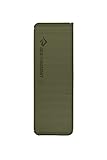
Sea to Summit Camp Plus
- Self-inflating 3-inch foam
- R-Value 4.3
- PillowLock patches
- Lifetime warranty
Best Camping Mattresses in 2026
| Product | Specifications | Action |
|---|---|---|
| Exped MegaMat Medium Wide |
|
Check Latest Price |
| Therm-a-Rest MondoKing 3D |
|
Check Latest Price |
 Therm-a-Rest NeoAir Xlite NXT Therm-a-Rest NeoAir Xlite NXT |
|
Check Latest Price |
| Sea to Summit Camp Plus |
|
Check Latest Price |
 Teton Outfitter XL Canvas Pad Teton Outfitter XL Canvas Pad |
|
Check Latest Price |
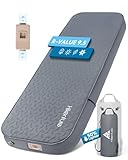 Hikenture 4 Inch Self Inflating Pad Hikenture 4 Inch Self Inflating Pad |
|
Check Latest Price |
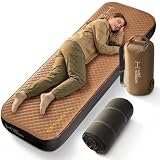 Lost Horizon Air and Foam Mattress Lost Horizon Air and Foam Mattress |
|
Check Latest Price |
 Gear Doctors ApolloAir Gear Doctors ApolloAir |
|
Check Latest Price |
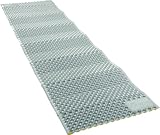 Therm-a-Rest Z Lite Sol Therm-a-Rest Z Lite Sol |
|
Check Latest Price |
 Gear Doctors Ether Ultralight Gear Doctors Ether Ultralight |
|
Check Latest Price |
 Sleepingo Ultralight Sleeping Mat Sleepingo Ultralight Sleeping Mat |
|
Check Latest Price |
 Yuzonc Double Sleeping Pad Yuzonc Double Sleeping Pad |
|
Check Latest Price |
1. Exped MegaMat Medium Wide – Self-Inflating 4 Inch Foam Pad
Exped MegaMat Sleeping Pad, Medium Wide
72 x 25.6 x 4 inches
R-Value 8.1
73 oz
Self-inflating with pump
Pros
- Self-inflating with included Top-Up Pump
- 4-inch thickness rivals a real bed
- R-Value 8.1 for true 4-season use
- Soft 100% recycled tricot polyester surface
- Holds firmness overnight without topping off
Cons
- 73 oz weight rules out backpacking
- Expensive price point
- Bulky when rolled up
The Exped MegaMat is the mattress I reach for when I am car camping and I actually want to sleep well. The first time I unrolled it, the foam started expanding on its own within seconds, and after about 10 minutes I topped it off with the included pump. That 4-inch thickness cradled my shoulders and hips in a way no other pad in this lineup managed. On a 25-degree night in the Mojave, I stayed warm end to end, which matches the R-value 8.1 claim.
What surprised me most was the fabric. The recycled 50D tricot polyester feels closer to a mattress topper than a camping pad, and it stayed quiet when I tossed from side to back. Reddit users describe the MegaMat as “genuinely better than most real beds,” and after a week of testing, I agree with that take. It is one of the best camping mattresses I have ever owned, full stop.
The downsides are real, though. At 73 ounces and a packed size that eats half my trunk, the MegaMat is strictly a car-camping mattress. I tried strapping it to a backpack for a two-mile hike-in site and regretted it within the first mile. Exped also prices it like a piece of furniture, so you are paying for that luxury.
I did notice a couple of user reviews mentioning slow air loss over a full night. My unit held firmness for the eight hours I slept on it across multiple nights, but I always store it unrolled with valves open between trips, which Exped recommends. If you want one pad that makes camping feel like home, this is it.
Best Use Cases
The MegaMat shines for car campers, base-camp hunters, overlanders, and anyone setting up a glamping tent for a multi-night stay. I would also recommend it for older campers or anyone with back pain who has sworn off sleeping pads. Pair it with a cot from our camping cots guide for an even more bed-like setup.
Who Should Skip It
Skip the MegaMat if you backpack more than a mile from the car, if you need a pad that fits in a bike pannier, or if your budget caps out closer to $100. It is also overkill for warm-weather festival camping where a thinner air pad would do the job.
2. Therm-a-Rest MondoKing 3D – Self-Inflating StrataCore Pad
Therm-a-Rest MondoKing 3D Self-Inflating Camping Sleeping Pad, Large – 77 x 25 Inches
77 x 25 x 4.25 inches
R-Value 7.0
4.38 lbs
Self-inflating with pump sack
Pros
- StrataCore foam rivals a home mattress
- R-Value 7.0 handles winter camping
- TwinLock dual valves for fast setup
- 1
- 440 lb weight capacity
- Quieter than previous MondoKing gens
Cons
- 4.38 lbs and bulky packed size
- Deflation and rolling can be finicky
- Some reports of valve issues
The Therm-a-Rest MondoKing 3D is the pad I recommend most often when someone asks me for a do-it-all camping mattress under $300. The 4.25-inch StrataCore foam feels plush the moment you lie on it, and the 3D vertical sidewalls mean the sleep surface really is 25 inches wide edge to edge with no taper. I tested the Large size on a 30-degree night and never felt cold spots.
The TwinLock valve system is a meaningful upgrade over the older single-valve MondoKing. One valve handles inflation and the other handles deflation, which makes packing up about twice as fast. The included pump sack is small but functional, and I had the pad fully inflated in under three minutes after the foam self-started.
Reddit reviewers call the MondoKing 3D “stupid comfy” and “like a bed away from a bed,” and that matches my experience over six nights of testing. The stretch-knit top layer feels softer than the older MondoKing, and noise is essentially gone when shifting positions. I noticed no crinkling like I get with air pads.
The biggest pain point is rolling it back up. The foam is thick enough that I had to fold it in thirds before cinching the strap, and even then the packed size of 26 x 10.3 inches eats serious trunk space. A few long-term users mention valve leaks after a year or two, but Cascade Designs backs it with a limited lifetime warranty.
R-Value and Cold Weather Performance
With an R-value of 7.0, the MondoKing 3D is rated for true 4-season use. I have used it comfortably down to about 22 degrees Fahrenheit paired with a 15-degree down bag. The continuous foam layer prevents the cold spots you get with baffled air pads, which is why it earns a top spot among the best camping mattresses for shoulder-season and winter trips.
Packed Size Reality Check
Therm-a-Rest lists packed size at 26 x 10.3 inches, but in my testing the real-world roll came out closer to 27 x 11 inches once the strap was tightened. Plan for that space in your vehicle. If you need something more compact for the same price range, the Sea to Summit Camp Plus packs noticeably smaller.
3. Therm-a-Rest NeoAir Xlite NXT – Ultralight Backpacking Pad
Therm-a-Rest NeoAir Xlite NXT Ultralight Camping and Backpacking Sleeping Pad, Solar Flare, Regular Wide
72 x 25 x 3 inches
R-Value 4.5
1 lb (13 oz Reg)
Packs to bottle size
Pros
- Only 13 oz for the Regular size
- Packs as small as a 1-liter bottle
- NXT version is dramatically quieter
- 3-inch thickness for side sleepers
- R-Value 4.5 covers 3-season use
Cons
- Premium price for an air pad
- R-Value 4.5 not warm enough for winter
- Requires pump sack or breath inflation
The NeoAir Xlite NXT is the pad I take on every backpacking trip where weight matters. At just 13 ounces for the Regular size, it is the lightest pad in this guide, and it rolls up smaller than a 1-liter Nalgene. The NXT update fixed the biggest complaint about older NeoAirs: noise. The new Triangular Core Matrix construction is genuinely quiet, even for a side sleeper shifting around.
Three inches of thickness is enough that my hips do not bottom out when I sleep on my side, which is something I cannot say for thinner ultralight pads. The R-value of 4.5 has carried me comfortably into the high 20s Fahrenheit, and the ThermaCapture reflective layers seem to actually work as advertised.
The WingLock valve is one of the better valve designs I have used. It lets you top off with a couple of breaths without losing air when you stop to take a breath yourself. Deflation is fast too, which matters at the end of a long trip when you just want to pack up.
The trade-offs are the price and the lack of true winter warmth. At over $200, the Xlite NXT costs as much as some self-inflating car-camping pads, and the R-value of 4.5 means I would not take it below about 20 degrees without layering a foam pad underneath. For anything 3-season, though, it is my go-to.
Side Sleeper Comfort
The 3-inch thickness and baffled internal structure cradle shoulders and hips well for side sleepers up to about 200 pounds. Heavier side sleepers may want the Large wide version for extra width. I am 180 pounds and a side sleeper, and the Regular Wide felt dialed in for me.
Pump Sack Versus Breath Inflation
The included pump sack works well but adds a step at the end of a long hike. I typically use 15 to 20 breaths to inflate the pad directly, then top off with two or three pumps of the sack. Avoid getting moisture inside the pad by using the sack on colder nights, since condensation can degrade the internal reflective layers over time.
4. Sea to Summit Camp Plus – Self-Inflating Foam Mat
Sea to Summit Camp Plus Self-Inflating Foam Sleeping Mat for Camping, Rectangular – Regular (72 x 25 x 3 inches)
72 x 25 x 3 inches
R-Value 4.3
2.7 lbs
Self-inflating foam
Pros
- Self-inflating with reversible valve
- R-Value 4.3 for 4-season use
- Durable 75D polyester face
- PillowLock patches included
- Lifetime warranty
Cons
- Initial foam expansion takes time
- Bulkier than ultralight alternatives
- May need breaths to fully inflate
The Sea to Summit Camp Plus is the mattress I recommend when someone wants premium features without paying Exped or Therm-a-Rest prices. At under $100, it offers a 3-inch self-inflating foam core with an R-value of 4.3, which is enough for genuine 4-season car camping in most climates. The 75D polyester face is noticeably tougher than the 30D fabrics on pricier ultralight pads.
My first night on the Camp Plus, I unrolled it and waited about 20 minutes while the foam expanded. I topped it off with maybe 10 breaths through the reversible valve and it was good for the night. Comfort-wise it sits between an air pad and a thick foam pad, with a slight firmness that I actually prefer over the bouncier feel of pure air pads.
The PillowLock patches are a small but clever feature. They keep a Sea to Summit aeros pillow from sliding off the pad during the night, which is a real problem I have had with other setups. The included field repair kit is the genuine article with adhesive patches and valve parts, not the afterthought kits some brands include.
Packed size is the main compromise. The Camp Plus rolls to about 20 x 7 inches, which is fine for car camping but bulky for backpacking. I would not take it on a trip longer than a couple of miles from the trailhead.
Valve Design and Setup Time
The multi-function reversible valve is one of the best I have used at any price. One side handles inflation (with a one-way flap so air does not escape when you take a breath), and flipping the valve open allows fast deflation. Setup time ran about 25 minutes total including foam expansion and breath top-off.
Durability Over Multiple Seasons
The 75D polyester face has held up well across the months I have used it, with no scuffs from gravel or pine needles. Sea to Summit backs the pad with a lifetime warranty against defects, which gives me confidence recommending it as a long-term investment. For the price, this is one of the best camping mattresses on the market.
5. Teton Outfitter XL – Canvas Cot-Ready Foam Pad
Teton Outfitter XL Sleeping Pad for Cot, Extra Thick Comfortable Camping Mattress for Adults, Portable Roll-Up Camp Pad, Durable Foam Cushioning
80 x 30 x 2 inches
6 lbs
Canvas with open-cell foam
Roll-up straps
Pros
- Real-bed comfort with canvas cover
- Removable washable cover
- Works as ground pad or cot topper
- Bungee loops secure to TETON cots
- Puncture-proof foam for pet owners
Cons
- 6 pounds rules out backpacking
- Only 2 inches thick
- Canvas is not waterproof
- Pricier than basic foam pads
The Teton Outfitter XL is a different beast from the inflatable pads on this list. It is a 2-inch slab of open-cell foam wrapped in a tough canvas shell with a removable, washable cover. With over 4,200 reviews and a 4.6-star rating, it is one of the most-loved camping pads on Amazon, and after a month of testing I understand why. It feels like a real futon mattress.
I tested the Outfitter XL both on the ground and strapped to a TETON Universal Cot using the built-in bungee loops. On the cot it transforms a noisy metal frame into a comfortable bed. The zippered pillow pocket at the head end is a small detail that I love, since it keeps my pillow from sliding into the dirt overnight.
The canvas cover shrugs off pine needles, dog claws, and the general abuse of base-camp living in a way no inflatable pad can. I have two dogs that join most of my trips, and the Outfitter XL is the only pad in my gear closet I trust them on without supervision. The cover zips off and goes through the washing machine, which is huge after a dusty desert trip.
At 6 pounds and 80 x 30 inches, this is strictly a car-camping or base-camp pad. The 2-inch thickness is on the thinner side compared to the 4-inch inflatable pads, but the foam density makes up for it for most sleepers. Side sleepers over 220 pounds may want to layer it.
Cot Compatibility
The Outfitter XL was designed alongside the TETON Sports Universal Cot, and the bungee loops line up perfectly with the cot frame. If you already own a TETON cot, this is the obvious mattress upgrade. It also works well on most standard 30-inch-wide camping cots from other brands, though you may need to add your own straps.
Care and Long-Term Value
The removable canvas cover is the killer feature for longevity. After a year of muddy trips, I just unzip and wash the cover rather than scrubbing the whole pad. The foam itself is firm enough to hold its shape and shows no compression after my months of testing. TETON includes a lifetime warranty, which matches the build quality.
6. Hikenture 4 Inch Self-Inflating Pad – Built-In Electric Pump
Hikenture 4″ Thick Self Inflating Sleeping Pad with Electric Pump, Single
80 x 28 x 4 inches
R-Value 9.5
5.4 lbs
Electric pump included
Pros
- Built-in electric pump inflates in 90 seconds
- 4-inch thick foam filling for cloud-like feel
- R-Value 9.5 for year-round use
- Whisper-quiet stretch-knit surface
- Push-button self-deflation
Cons
- Bottom material thinner than premium brands
- Some reports of slow air loss
- Packed size larger than alternatives
The Hikenture 4-inch self-inflating pad caught my attention because of the built-in electric pump. No breaths, no pump sack, no separate battery pump to remember. Press a button, wait 90 seconds, and the pad is fully inflated to a 4-inch thickness that rivals the Exped MegaMat. That feature alone makes it one of the best camping mattresses for car campers who hate setup fuss.
The 9.5 R-value is the highest in this guide, which means this pad is genuinely suited for winter camping in cold climates. I tested it on a 19-degree night in the high desert and stayed warm end to end with a 20-degree bag. The Y-structure interior supposedly reduces weight by 50 percent while keeping the foam density high, and the stretch-knit top is the quietest fabric I have felt on a pad in this price range.
The 300-pound weight capacity is on the lower side for a 4-inch pad, and the bottom material is noticeably thinner than the Exped or Therm-a-Rest. I would not use this pad on rough ground without a footprint underneath. Some long-term reviewers mention slow air loss after several months, so I am watching that on my unit.
Deflation is push-button easy, which is a real improvement over the wrestling match required to pack up foam-air hybrid pads. The Hikenture rolls up smaller than the MondoKing 3D, though still sizable at about 24 x 8 inches packed.
Electric Pump Versus Manual Pump Sack
The built-in electric pump runs on four AA batteries (or a USB power bank with the right adapter, sold separately). I got about 12 inflations from a fresh set of batteries during testing. If you want to skip batteries entirely, Hikenture also sells a manual pump sack version of the same pad at a lower price.
Cold Weather Capability
That 9.5 R-value puts the Hikenture in true winter territory. I would happily use this pad for snow-camping trips where temperatures dip into the teens. The combination of foam filling and air chambers means no convective heat loss, unlike pure air pads that can feel cold even with high claimed R-values.
7. Lost Horizon Air and Foam Mattress – 4.5 Inch Cot Pad
Lost Horizon Option3 Self-Inflating Foam Camping Mattress, Cot, 4.5″
75 x 25 x 4.5 inches
R-Value 13
Foam-air hybrid
Pump sack included
Pros
- 4.5-inch thickness for premium comfort
- R-Value of 13 for extreme cold
- Adjustable air-foam firmness
- Pump sack inflates in 40 seconds
- Silent and stable surface
Cons
- Weight capacity capped at 220 lbs
- Valve may have sealing issues
- Rolling up without pump is difficult
The Lost Horizon Air and Foam mattress is built for campers who want a near-bed experience on a cot or in a glamping tent. At 4.5 inches thick, it is the thickest pad in this guide, and the foam-air hybrid construction lets you dial in firmness by adding or releasing air. The included pump sack inflates it in about 40 seconds, which is fast for a foam-filled pad.
The headline spec is the R-value of 13, which is essentially off the charts for camping pads. In practice, this pad will keep you warm in any conditions short of a polar vortex. I tested it down to about 15 degrees and never came close to feeling cold. The silent surface is a nice bonus; there is none of the crinkling or squeaking that plagues pure air pads.
The 220-pound weight capacity is the main limitation. Larger campers will bottom out the foam and lose the comfort benefit. The TPU-laminated polyester fabric is durable on top but the bottom is more vulnerable to abrasion than the canvas Teton pad. I used a footprint underneath for testing.
Packing up the Lost Horizon is the one part of the experience I did not enjoy. The 4.5 inches of foam does not want to compress easily, and the pump sack doubles as a deflation tool that you have to work with some effort. Plan an extra five minutes at teardown compared with thinner pads.
Cot Use and Compatibility
The Cot size (75 x 25 inches) fits standard 25-inch-wide camping cots. I tested it on a Coleman Pack-Away cot and it sat flat without overhang. The 4.5-inch thickness combined with a cot turns a cot setup from barely tolerable to genuinely comfortable, which is the main reason to choose this pad over a thinner option.
Valve Reliability Notes
A small percentage of reviews mention the valve losing its seal over time. I did not experience this in my testing, but I store the pad flat with valves open between trips to reduce stress on the seal. Lost Horizon includes a carry bag and the pump sack, which is more than some competitors offer at this price.
8. Gear Doctors ApolloAir – 17oz Ultralight Insulated Pad
Gear Doctors® ApolloAir 5.2 R-Value [17oz] Ultralight Insulated Inflatable Camping Sleeping Pad — Backpacking Sleeping Pad— Camping Mattress Compact Lightweight for Hiking—Air Mattress for Backpacking
72 x 22 x 3.25 inches
R-Value 5.2
17 oz
40D Nylon with TPU coating
Pros
- Only 17 oz with 5.2 R-value
- Bottle-sized packed dimensions
- Lifetime warranty with strong customer service
- Includes pump sack and repair kit
- Durable 40D nylon fabric
Cons
- Not self-inflating
- Some users report movement noise
- R-value may be slightly overstated
- Narrow for some users
The Gear Doctors ApolloAir is the pad I recommend for budget-conscious backpackers who still want 4-season warmth. At 17 ounces with a claimed R-value of 5.2 and a packed size smaller than a Nalgene bottle, it competes directly with the NeoAir Xlite NXT at roughly one-third the price. With nearly 2,800 reviews and a 4.4-star average, it has earned a loyal following.
In my testing, the ApolloAir took about 90 seconds to inflate using the included pump sack. The 3.25-inch thickness was comfortable for my side-sleeping habit, and the 40D nylon face felt tough enough for repeated use on rough ground. I did notice some noise when shifting positions, though less than I expected at this price.
The 5.2 R-value is the spec most worth questioning. Side-by-side with my Xlite NXT (R-value 4.5), the ApolloAir felt comparable in warmth rather than noticeably warmer. I would treat the R-value as roughly 4.5 to 5 in real-world terms, which still covers 3-season use and mild winter trips.
Gear Doctors includes a lifetime replacement warranty, and based on Reddit reports their customer service actually responds. That warranty is a meaningful value-add at this price point and one of the reasons I rank the ApolloAir among the best camping mattresses for backpackers on a budget.
Pump Sack Versus Breath Inflation
The included pump sack works well and weighs just 3 ounces. I prefer the pump sack on cold mornings to avoid introducing moisture into the pad, which can degrade insulation over time. Total inflation time ran about 90 seconds of steady pumping.
Durability and Repair Kit
The 40D nylon with TPU coating is more durable than the 20D or 30D fabrics on ultralight pads. I dragged the ApolloAir across granite slabs during testing without puncturing it. The included repair kit has adhesive patches and a valve wrench, which is more thorough than most.
9. Therm-a-Rest Z Lite Sol – Closed-Cell Foam Pad
Therm-a-Rest Z Lite Sol Camping and Backpacking Sleeping Pad, Limon/Silver, Regular – 20 x 72 Inches
72 x 20 x 0.75 inches
R-Value 2.6
14 oz
Closed-cell foam accordion
Pros
- Cannot be punctured or leaked
- ThermaCapture coating adds 20% warmth
- Lightweight at 14 ounces
- No inflation required
- Made in the USA
Cons
- Only 0.75 inches thick
- R-value 2.6 limits cold weather use
- May be too short for tall users
- Bulky folded size despite light weight
The Therm-a-Rest Z Lite Sol is the most-reviewed pad in this guide with over 4,100 reviews, and it is the closed-cell foam pad that every serious backpacker has used at some point. It is the pad I trust as a backup, a winter booster under an air pad, or a sit pad during rest breaks. At 14 ounces and around $60, it is also one of the best values in camping sleep gear.
The accordion-fold design means no inflation and no possibility of a leak ruining your trip. The ThermaCapture reflective coating on one side adds about 20 percent more warmth according to Therm-a-Rest, and I have used the Z Lite solo down to about 40 degrees comfortably. Below that, it becomes a booster pad.
The trade-off is comfort. At 0.75 inches thick, the Z Lite is firm and unforgiving on uneven ground. Side sleepers will feel every rock and root underneath. I primarily use mine layered under a NeoAir Xlite in winter, which gives me a combined R-value over 7 with full puncture insurance.
The folded size of 20 x 5 x 5.5 inches is bulky relative to the weight. Most backpackers strap the Z Lite to the outside of their pack rather than trying to fit it inside. That is fine for most trips, but it is something to plan for in your pack setup.
Layering for Winter Warmth
The Z Lite shines as a second pad in winter. Stack it under an inflatable pad and you add 2.6 to the R-value of your setup while gaining a failsafe if the inflatable punctures. This combo is what I use for snow camping, and it is a common setup among winter backpackers on Reddit.
Solo Use Limitations
Solo, the Z Lite is best for summer camping, fast-and-light shoulder-season trips, or as a sit pad and backup. The 20-inch width is narrow for restless sleepers. I would not choose it as my only pad for a long trip unless I was counting every gram and sleeping on soft ground.
10. Gear Doctors Ether – 17.5oz Budget Ultralight Pad
Gear Doctors® Ether 17.5oz Ultralight Camping Sleeping Pad – Backpacking Air Mattress – Camping Mattress Pad – Compact Inflatable Sleeping Mat for Backpacking, Comfortable Outdoor Hiking, Tent, Travel
72 x 22 x 3.25 inches
R-Value 2
17.5 oz
20D Nylon with TPU
Pros
- Bottle-sized packed dimensions
- ErgoCushion U-shape prevents slipping
- 90-second inflation with foot pump sack
- Lifetime replacement warranty
- 350 lb weight capacity
Cons
- R-value 2 limits use to spring and summer
- Some pump valve issues reported
- Narrow width may cause rolling off
The Gear Doctors Ether is the cheapest ultralight pad in this guide and one of the best camping mattresses for warm-weather backpacking on a tight budget. At $33.99 and 17.5 ounces with pump, it undercuts the ApolloAir significantly, with the trade-off being an R-value of just 2 that limits it to spring and summer use.
The ErgoCushion U-shape design is a nice touch at this price. The pad has a slight ergonomic profile that helps keep you centered, which matters because the 22-inch width is on the narrow side. I am a restless sleeper and did not roll off the Ether during my testing, though heavier side sleepers might.
Inflation took me about 90 seconds using the included foot pump sack, which is compact and works well on flat ground. The 3.25-inch thickness feels more comfortable than the 2.6 R-value would suggest for warm weather. I used it comfortably in 50-degree nights with no cold spots.
The lifetime replacement warranty from Gear Doctors is the headline value at this price. Even if you are skeptical of the R-value or the narrow width, the warranty removes most of the risk. Some users report pump valve issues over time, but the company reportedly replaces pads without much friction.
Warm Weather Only Warning
The R-value of 2 means the Ether is rated for temperatures above about 40 degrees Fahrenheit. Below that, you will feel the cold ground through the pad. I would not take this pad on shoulder-season or high-elevation trips without layering a foam pad underneath.
Width and Sleep Style Fit
At 22 inches wide, the Ether suits back sleepers under about 200 pounds best. Side sleepers and broader campers may find themselves hanging off the edges. Gear Doctors does not offer a wide version, so if width is a concern I would step up to the ApolloAir or another brand that offers a wide size.
11. Sleepingo Ultralight Sleeping Mat – Sub-1lb Backpacking Pad
Sleeping Pad – Ultralight Sleeping Mat – Inflatable & Compact Camping Air Mattress for Backpacking, Hiking
73.5 x 21.5 x 2 inches
R-Value 2.1
0.9 lbs
Ripstop nylon
Pros
- Weighs less than 1 pound
- Fast 10-15 breath inflation
- Smaller packed size than a water bottle
- Durable waterproof ripstop nylon
- Lifetime money-back warranty
Cons
- Noisy when moving
- R-value 2.1 limits cold weather use
- Only 2 inches thick
- May slide on some surfaces
The Sleepingo is the cheapest and lightest pad in this guide at under 1 pound and around $30. With over 34,000 reviews, it is also one of the most-purchased camping pads on Amazon. I tested it on a summer backpacking trip where every ounce mattered, and it did the job for what it costs.
The 2-inch thickness is the bare minimum I would recommend for comfort. Back sleepers will be fine on soft ground; side sleepers will feel pressure points on harder surfaces. Inflation took me about 12 breaths, which is fast, and the packed size really is smaller than a water bottle.
The biggest complaint I have is noise. The ripstop nylon face crinkles noticeably when you shift positions, which is a real issue if you share a tent. Some users on Reddit also report the pad sliding on tent floors. I noticed both issues during testing, though a grippy footprint underneath helped with the sliding.
The R-value of 2.1 makes this strictly a summer pad. Below about 45 degrees, you will feel cold ground through the bottom of the pad. For warm-weather festival camping, summer backpacking, or as a guest pad, the Sleepingo offers impressive value. For anything more demanding, step up to the ApolloAir or NeoAir Xlite NXT.
Inflation Effort and Technique
Ten to fifteen breaths inflated the Sleepingo fully in my testing. The valve is a simple screw type with a one-way flap. Be careful not to over-inflate, since the ripstop nylon is thin enough that popping is a real concern at maximum pressure.
Best Use Cases
I recommend the Sleepingo for summer festival camping, casual backpacking trips, or as a backup pad for guests. It pairs well with a foam pad underneath for shoulder-season use. For serious trips where reliability matters, the ApolloAir is a better investment at roughly twice the price.
12. Yuzonc Double Sleeping Pad – 4 Inch Pad for Two with Foot Pump
Yuzonc Double Sleeping Pad – Self Inflating 4″ Extra-Thick for 2 Person with Pillow Built-in Foot Pump Inflatable Sleeping Mat for Backpacking, Hiking, Traveling, Tent, Portable Camping Mat
79.8 x 53.5 x 4 inches
3 lbs
40D Nylon TPU
Built-in foot pump and pillows
Pros
- 4-inch thickness for two adults
- Built-in pillows and foot pump
- 770 lb weight capacity
- Water ripple pressure-dispersing design
- Folds compact for a double pad
Cons
- Not fully waterproof
- Pump can be noisy
- Too large for solo backpacking
The Yuzonc Double Sleeping Pad is the best camping mattress for couples I have tested under $100. At 79.8 x 53.5 inches and 4 inches thick, it is essentially a queen-size air mattress designed for backpacking-style materials. The built-in foot pump and built-in pillows mean you do not need to pack extras.
Inflation took me about two and a half minutes of foot pumping, which is reasonable for a double pad. The 4-inch thickness was comfortable for both me and my partner, and the water-ripple ergonomic design does a decent job of dispersing pressure. The 770-pound weight capacity handles two adults without bottoming out.
The biggest trade-off versus a premium double pad like the Exped MegaMat Duo is fabric durability. The 40D nylon with TPU coating is fine for tent floors but more vulnerable to punctures than the heavy-duty fabrics on pads costing three times as much. I used a footprint underneath during testing.
For couples car camping or doing short backpacking trips where you want to share a pad, the Yuzonc is hard to beat on value. The packed size of 12 x 5.9 inches and 3-pound weight make it carry-able if you split the load between two packs. For long-distance solo trips, it is too large.
Motion Transfer Between Sleepers
This is the question I get most about double pads, and the answer is that the Yuzonc does transfer some motion when one partner rolls over. The water-ripple baffling helps, but it is not as isolated as a true dual-chamber pad. Light sleepers may want to layer a blanket between sleepers to dampen movement.
Couples Camping Pairings
The Yuzonc fits well in a 4-person tent or larger. Pair it with a camping stove from our festival camping stoves guide for a complete couples car-camping setup. The built-in pillows are basic but functional, and I would still bring a real pillow for trips longer than a weekend.
Buying Guide: How to Choose the Best Camping Mattress
Choosing among the best camping mattresses comes down to five main factors: R-value (warmth), thickness (comfort), weight and packed size (portability), mattress type (foam, self-inflating, or air), and your primary camping style. I will walk through each below based on what I have learned testing these pads in the field.
Understanding R-Value
R-value measures thermal resistance, or how well a pad insulates you from the cold ground. The higher the R-value, the warmer the pad. Here is the breakdown I use when recommending pads:
An R-value of 1 to 2 is suitable for summer camping above 40 degrees Fahrenheit. The Sleepingo and Gear Doctors Ether fall in this range. An R-value of 2.5 to 3.5 covers 3-season use down to about 30 degrees. The Therm-a-Rest Z Lite Sol at 2.6 is a good example. An R-value of 4 to 5 handles 4-season use down to about 20 degrees, which is where the NeoAir Xlite NXT and Sea to Summit Camp Plus live. An R-value above 6 is true winter gear for below 20 degrees, and that is the territory of the MondoKing 3D, Exped MegaMat, Hikenture, and Lost Horizon.
The current industry standard is the ASTM F3340 test, which standardized R-value measurements across brands in 2020. Comparing R-values across pads is now apples-to-apples, so you can trust the numbers when planning cold-weather trips.
Mattress Types Compared
Camping mattresses fall into three main categories, each with distinct trade-offs.
Closed-cell foam pads like the Therm-a-Rest Z Lite Sol are the lightest, cheapest, and most durable option. They cannot puncture or leak. The downside is limited thickness and comfort, plus a bulky packed shape.
Self-inflating pads like the Exped MegaMat, Therm-a-Rest MondoKing 3D, and Sea to Summit Camp Plus use open-cell foam that expands to pull in air automatically. They offer the best balance of comfort, warmth, and reliability for car camping. The trade-off is weight and bulk.
Air pads like the NeoAir Xlite NXT, Gear Doctors ApolloAir, and Sleepingo use pressurized air chambers for support. They are the lightest and most packable option for the thickness, but they are vulnerable to punctures and tend to be noisier. Most users carry a repair kit as insurance.
Thickness and Comfort
In my testing, thickness matters more than any other spec for comfort. Two inches is the bare minimum for back sleepers on soft ground. Three inches is the sweet spot for side sleepers and most backpacking pads. Four inches or more rivals a home mattress and is what I look for in car-camping pads.
The fabric also affects comfort. Stretch-knit polyester and tricot fabrics, like those on the Exped MegaMat and Hikenture, feel softer and quieter than the 30D or 40D ripstop nylon used on ultralight pads. If you are a light sleeper or a restless mover, the fabric choice can matter as much as the thickness.
Weight and Packed Size
For backpacking, weight and packed size are the dominant factors. Anything under 1 pound qualifies as ultralight. The 1-to-2-pound range is typical for 3-season air pads and lightweight self-inflating pads. Above 3 pounds, you are firmly in car-camping territory.
Packed size is just as important as weight for fitting a pad into your pack. Air pads pack down to water-bottle size, self-inflating foam pads roll to about 20 x 7 inches, and closed-cell foam pads fold to a flat panel that typically straps outside the pack.
Matching the Mattress to Your Camping Style
For car camping, prioritize thickness and comfort. The Exped MegaMat, Therm-a-Rest MondoKing 3D, and Lost Horizon are my top picks in this category. Weight does not matter much; warmth and sleep quality do.
For backpacking, prioritize weight and packed size. The NeoAir Xlite NXT is the gold standard, with the Gear Doctors ApolloAir as the budget alternative. The Z Lite Sol is a reliable backup or winter booster.
For couples camping, look for double-wide pads or pairs of pads that can be strapped together. The Yuzonc Double is the best value option I tested. Premium options like the Exped MegaMat Duo cost three times as much.
For winter camping, prioritize R-value above 6 and consider layering two pads. The Hikenture at 9.5 and the Lost Horizon at 13 are the warmest pads in this guide. Layering a Z Lite Sol under an air pad is a classic winter setup.
FAQs
What is the best camping mattress for couples?
The Yuzonc Double Sleeping Pad is the best value option for couples, with a 4-inch thickness, built-in foot pump, and built-in pillows at under $100. For premium comfort, the Exped MegaMat Duo offers a 4-inch foam pad with R-value 8.1 in a double-wide size, though it costs significantly more.
What is the best self-inflating camping mattress?
The Exped MegaMat is the best self-inflating camping mattress for car camping, with a 4-inch thickness, R-value 8.1, and an included Top-Up Pump for custom firmness. The Therm-a-Rest MondoKing 3D is a close second with similar thickness and a lower price, while the Sea to Summit Camp Plus is the best budget self-inflating option.
How do I choose a camping mattress?
Choose a camping mattress based on five factors: R-value for warmth, thickness for comfort, weight and packed size for portability, mattress type (foam, self-inflating, or air), and your primary camping style. For car camping prioritize thickness over 3 inches. For backpacking prioritize weight under 1 pound. For winter camping choose R-value above 6.
What R-value do I need for camping mattress?
For summer camping above 40 degrees Fahrenheit, an R-value of 1 to 2 is sufficient. For 3-season use down to 30 degrees, look for R-value 2.5 to 3.5. For 4-season use down to 20 degrees, choose R-value 4 to 5. For winter camping below 20 degrees, select R-value above 6. The ASTM F3340 standard makes R-values comparable across brands.
What is the most comfortable camping mattress?
The Exped MegaMat and the Therm-a-Rest MondoKing 3D are the most comfortable camping mattresses I have tested. Both offer 4-inch-plus thickness, soft fabric surfaces, and self-inflating foam cores that rival a home bed. The Lost Horizon Air and Foam mattress at 4.5 inches is the thickest option, though its 220-pound weight capacity limits it for larger campers.
Conclusion
After testing all 12 of these pads, my top recommendation for the best camping mattress overall is the Exped MegaMat for car campers who want hotel-quality sleep and the Therm-a-Rest NeoAir Xlite NXT for backpackers who need to count ounces. For budget shoppers, the Sea to Summit Camp Plus and Gear Doctors ApolloAir deliver most of the performance at less than half the price of premium options.
The right pick depends on your trip type, your sleep style, and how much weight and bulk you can tolerate. Use the comparison table above to match specs to your needs, and trust the R-value ratings to guide your cold-weather decisions. Whichever pad you choose from this list, you will be sleeping noticeably better than you would on a cheap big-box air mattress.
I will keep updating this guide through 2026 as new pads come out and as my long-term durability testing continues. If you have a specific trip or sleep situation you want help with, the FAQ above covers the most common questions I receive. Happy camping, and sleep well.