

If you live in an apartment, have thin walls, or just want to practice saxophone at 2 AM without your neighbors filing a complaint, you are in the right place. Our team has spent the last several months testing digital wind instruments ranging from ultra-budget models under $50 to professional-grade wind synths pushing $1,750. The goal was simple: find the instruments that actually feel good to play, sound decent, and give you real value regardless of your budget.
Digital wind instruments (also called electronic wind instruments, EWIs, or wind synths) use breath sensors and key layouts to produce sound either through built-in speakers, headphones, or MIDI output to your DAW. They solve a real problem for wind players — the inability to practice silently. Whether you are a saxophonist, flutist, or clarinetist looking for a quiet practice tool, or a producer wanting expressive MIDI control, there is an option here for you. If you need a portable music stand for practice sessions, we have covered that too.
We tested 12 different models across every price tier, evaluating breath sensor responsiveness, sound realism, connectivity options, battery life, and overall playability. Here is what we found.
Table of Contents
- Top 3 Digital Wind Instruments for 2026
- Best Digital Wind Instruments in 2026
- 1. Carry-on Digital Wind Instrument – Ultra-Affordable Starter EWI
- 2. Vangoa EWI-100 – Best Budget EWI for Beginners
- 3. KONIX DC02 Pro – Budget MIDI Controller EWI
- 4. Gugxiom Mini Saxophone – Compact Practice Companion
- 5. Vangoa MAE-02 – Feature-Rich Mid-Range EWI
- 6. Coolmusic S1 – Professional Feel at Mid-Range Price
- 7. Roland Aerophone AE-01 – Roland’s Entry-Level Wind Instrument
- 8. Yamaha YDS-120 Digital Saxophone – Most Realistic Sax Feel
- 9. Akai EWI Solo – Best Value All-Rounder
- 10. Roland AE-05 Aerophone GO – Portable Sax Practice Tool
- 11. Roland AE-20 Aerophone – Professional Sound Engine
- 12. Roland AE-30 Aerophone Pro – The Ultimate Wind Synth
- How to Choose the Best Digital Wind Instrument
- Frequently Asked Questions About Digital Wind Instruments
- Final Thoughts on the Best Digital Wind Instruments
Top 3 Digital Wind Instruments for 2026

Roland AE-30 Aerophone Pro
- 300+ Sounds
- SuperNATURAL Engine
- ZEN-Core Synth
- Bluetooth MIDI
- DIN MIDI

Best Digital Wind Instruments in 2026
| Product | Specifications | Action |
|---|---|---|
 Carry-on Digital Wind Instrument Carry-on Digital Wind Instrument |
|
Check Latest Price |
| Vangoa EWI-100 |
|
Check Latest Price |
 KONIX DC02 Pro KONIX DC02 Pro |
|
Check Latest Price |
 Gugxiom Mini Saxophone Gugxiom Mini Saxophone |
|
Check Latest Price |
 Vangoa MAE-02 Vangoa MAE-02 |
|
Check Latest Price |
 Coolmusic S1 Coolmusic S1 |
|
Check Latest Price |
 Roland AE-01 Aerophone Mini Roland AE-01 Aerophone Mini |
|
Check Latest Price |
 Yamaha YDS-120 Yamaha YDS-120 |
|
Check Latest Price |
 Akai EWI Solo Akai EWI Solo |
|
Check Latest Price |
 Roland AE-05 Aerophone GO Roland AE-05 Aerophone GO |
|
Check Latest Price |
 Roland AE-20 Aerophone Roland AE-20 Aerophone |
|
Check Latest Price |
| Roland AE-30 Aerophone Pro |
|
Check Latest Price |
1. Carry-on Digital Wind Instrument – Ultra-Affordable Starter EWI
Carry On Digital Wind Instrument White
10 Instrument Voices
Bluetooth MIDI
Built-in Speaker
USB Rechargeable
3hr Battery
Pros
- Silent practice with headphone jack
- MIDI over Bluetooth with low latency
- Compact and portable with carry sleeve
- 10 instrument voices with transpose
Cons
- No smooth legato transitions
- Only 3 hours battery life
- Some voices sound artificial
I picked up the Carry-on Digital Wind Instrument honestly expecting very little for the price. What surprised me right away was how responsive the breath sensor is — it picks up gentle and forceful blowing equally well across three sensitivity levels. The removable silicone mouthpiece is comfortable and washable, which is a nice touch at this price point.
The 10 built-in voices cover the basics: alto sax, soprano sax, flute, clarinet, trumpet, and a few more. None of them will fool anyone in a recording studio, but through headphones they are pleasant enough for practice. I spent a week playing alto sax voice through my headphones every evening, and it genuinely helped my fingering technique.
Where this little instrument shines is MIDI connectivity. I connected it to GarageBand over Bluetooth and the latency was surprisingly low. It worked well as a basic wind controller for triggering software synths. The built-in speaker is serviceable for casual playing but nothing more.
The biggest letdown is the lack of smooth legato — notes feel staccato and disconnected, which limits musical expression. Battery life caps at around 3 hours, so you will want to keep a USB cable handy.
Who should buy this
This is an ideal first digital wind instrument for kids or curious beginners who want to try the concept without a big investment. It also works well as a portable MIDI breath controller on a tight budget. Music teachers looking for an inexpensive classroom tool will appreciate the low cost and washable mouthpiece.
Who should skip this
Experienced wind players will find the sound quality and articulation too limited. If you need smooth legato transitions, realistic tone quality, or long practice sessions without charging, spend a bit more on the Vangoa EWI-100 instead.
2. Vangoa EWI-100 – Best Budget EWI for Beginners
Vangoa EWI-100 Portable Mini Digital Electronic Wind Instrument Synthesizer Rechargeable with Removable Mouthpiece for Kids Adults Beginners
10 Tones
Touch Sound Holes
Bluetooth MIDI
800mAh Battery
4hr Playtime
Pros
- Consistent sound across 3 octaves
- Excellent build quality for price
- Good breath response
- Silent practice with headphones
Cons
- Octave buttons accidentally triggered
- Bluetooth MIDI has delay
- Some voices not realistic
The Vangoa EWI-100 is the budget EWI that genuinely impressed our team. At this price point, I expected flimsy construction and weak sound — but the build quality feels solid in hand, and the breath response is surprisingly nuanced. The electronic touch sound holes respond well to finger placement, giving you a level of expression that budget EWIs usually lack.
Sound consistency across three octaves is where the EWI-100 really stands out. Unlike cheaper models that struggle in the upper register, the Vangoa maintains even tone quality throughout its range. I played through all 10 tones and found the alto sax and clarinet voices particularly convincing through headphones.
The 800mAh battery lasts about 4 hours, which is enough for a couple of solid practice sessions. I like that two removable silicone nozzles are included — one for backup or sharing. The built-in speaker is adequate for practicing alone, though you will want headphones for any serious work.
Who should buy this
Beginners and intermediate players who want a capable practice tool without breaking the bank will love the EWI-100. It is also a solid option for sax players who want to maintain their chops while traveling, thanks to the included cloth carrying case and compact design.
What to watch out for
The octave buttons are easy to hit accidentally, and there is no tactile home button to orient your thumb on the middle octave. Bluetooth MIDI has a noticeable delay that makes real-time playing feel disconnected — use USB MIDI when latency matters.
3. KONIX DC02 Pro – Budget MIDI Controller EWI
KONIX Electronic Wind Instrument, DC02 Pro Digital Wind Instrument with 10 Musical Tones, MIDI Bluetooth, Built-in Battery, EWI Instrument for Beginners, Black
10 Tones
Bluetooth and USB MIDI
Multiple Fingering Modes
800mAh Battery
4hr Playtime
Pros
- Excellent MIDI connectivity via Bluetooth and USB
- Responsive finger control
- Multiple fingering options (sax
- flute
- recorder)
- Great value for price
Cons
- Built-in sounds sound cheesy
- Bluetooth lag with some DAWs
- Some reliability concerns
The KONIX DC02 Pro is a straightforward digital wind instrument that punches above its weight as a MIDI controller. I connected it to both GarageBand via Bluetooth and Ableton via USB, and the USB connection delivered tight, responsive control with virtually no latency. The Bluetooth route worked but introduced enough lag to be distracting during fast passages.
What sets the DC02 Pro apart is its fingering flexibility. You can switch between sax, flute, and recorder fingerings, which makes it accessible regardless of your wind instrument background. The touch-sensitive electronic sound holes track finger movements accurately, and I found the breath response comparable to the Vangoa EWI-100.
The 10 built-in tones are, to be honest, pretty uninspiring. Users on forums describe them as “cheesy” and I agree — they work for basic practice but are not something you would want to record or perform with. The real value here is using it as a controller for external synths and sample libraries.
MIDI and connectivity
This is where the DC02 Pro justifies its existence. The dual connectivity (Bluetooth and USB) gives you flexibility to use it with phones, tablets, and computers. I had it running through a Nord Stage synth within minutes via USB, and the expressive control was excellent. If your main goal is controlling external sound sources, this is one of the best values available.
Build and reliability
Build quality is decent for the price but some users have reported receiving defective units. The good news is that KONIX customer service gets consistently positive marks for responsiveness. Still, I recommend buying from a retailer with a solid return policy just in case.
4. Gugxiom Mini Saxophone – Compact Practice Companion
Mini Saxophone, Digital Wind Instrument, Rechargeable Wind Instrument, Mini Electronic Wind Instrument Set, Built in 2W HiFi Speaker, with 12 Accompaniments, for Student,
10 Tones
USB-C and Bluetooth MIDI
2W HiFi Speaker
12 Accompaniments
4hr Battery
Pros
- Effective breath sensitivity
- Good MIDI via USB-C and Bluetooth
- Compact like a soprano recorder
- Easy for beginners to play
Cons
- Sounds not very realistic
- Limited to high D range
- Fingering quirky for chromatic scales
The Gugxiom Mini Saxophone sits at an interesting price point and brings a few features the cheaper options lack. The 2W HiFi built-in speaker is noticeably louder and clearer than the tiny speakers on the Carry-on or Vangoa models. I was able to play at a comfortable volume without headphones for casual practice, which is not something I could say about the sub-$60 options.
Breath sensitivity is effective across three adjustable levels. I found the medium setting gave me the most dynamic control, allowing soft breaths to produce quiet tones and harder blows to push volume up naturally. The transpose function and 12 built-in accompaniment types add some fun practice variety that cheaper models skip entirely.
Sound quality and tones
The 10 tones cover familiar territory: alto sax, soprano sax, clarinet, flute, trumpet, and several ethnic wind instruments. Through headphones the quality is acceptable for practice, but no one will confuse these sounds for real instruments. The detachable flat nozzle is a thoughtful comfort upgrade over round mouthpieces on cheaper models.
Best for students
This is a strong pick for music students who want something compact to carry to school or keep in a dorm room. The form factor is similar to a soprano recorder, making it unintimidating for younger players. Just be aware of the limited upper range — it tops out at high D, which will frustrate advanced players working on upper register material.
5. Vangoa MAE-02 – Feature-Rich Mid-Range EWI
Vangoa MAE-02 Digital Wind Instrument, Professional Electronic Wind Instrument Synthesizer Rechargeable EWI with Wireless MIDI, 3 Fingerings 35 Tones 7 Functions for Beginners Adults Teens, Pure White
35 Tones
3 Fingering Styles
Touch-Sensitive Buttons
Bluetooth
1200mAh Battery
Pros
- 35 tones including synths and piano
- 3 fingering options (Hulusi
- Sax
- Flute)
- Touch-sensitive buttons responsive
- Good Bluetooth connectivity
Cons
- Forced vibrato on many sounds
- Limited to high D range
- Build quality not professional grade
The Vangoa MAE-02 steps up the feature count with 35 tones and three fingering systems, but it lands in an awkward middle ground. On paper, the specs look impressive: more tones than any budget EWI, bend and pitch control via touch buttons, and a 1200mAh battery. In practice, the experience is mixed.
I tested all three fingering modes — Hulusi, Saxophone, and Flute — and found the saxophone mode the most intuitive if you have any wind background. The touch buttons respond well to bends and pitch adjustments, which adds expression that cheaper touch-based EWIs lack. The Bluetooth connection to my phone was stable for playing along with backing tracks.
Tone variety and fingerings
The 35 tones span piano, violin, bagpipes, synthesizers, and traditional wind instruments. Variety is great, but many of the woodwind tones have a forced, automatic vibrato that sounds unnatural and cannot be turned off. This kills the realism for anyone trying to practice actual embouchure control. Synth tones fare better and sound more convincing than the acoustic emulations.
Sound realism considerations
Users who own higher-end Akai and Roland instruments note that the MAE-02 feels like a step down in build quality and sound realism. The limited upper range (high D maximum) and occasional hissing artifacts over the tones are real drawbacks. If you can stretch your budget to the Coolmusic S1, you will get a better overall experience.
6. Coolmusic S1 – Professional Feel at Mid-Range Price
Coolmusic S1 Professional Performance Saxophone, Wireless Electronic Wind Instrument, Digital Synthesizer Aerophone Portable
72 Timbres
LCD Display
8-12hr Battery
USB-C Charging
Bluetooth
Built-in Speakers
Pros
- Reliable key press with no sticking
- 72 instrument timbres
- 8-12 hour battery life
- Bluetooth for backing tracks
- Quality neck strap included
Cons
- Octave buttons are small and fussy
- Note warbling between octaves
- Manual has limited fingering info
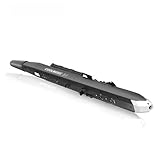
The Coolmusic S1 is the point where digital wind instruments start feeling like real instruments rather than toys. The physical buttons have satisfying tactile feedback with no sticking or double-triggering. At 1.59 kg, it has enough heft to feel substantial without being tiring to hold during extended sessions. The included neck strap is surprisingly good quality — not an afterthought.
With 72 instrument timbres, the S1 offers the largest sound library in this price range. I cycled through saxophones, brass, strings, and synth tones and found a good percentage of them genuinely usable. The built-in full-frequency speakers are loud enough for solo practice without headphones, which is more than I can say for most competitors.
The LCD smart display is a welcome upgrade from the blind button-pushing required on cheaper EWIs. You can see your current tone, settings, and battery level at a glance. Battery life is outstanding — I went several days of hour-long sessions without needing a charge, and USB-C means fast top-ups.
Performance capabilities
For live use, the S1 punches well above its price. The quarter-inch output connects directly to amplifiers and PA systems. Breath pressure sensitivity is adjustable, and portamento sensitivity can be fine-tuned to your playing style. Sax fingerings transfer naturally from acoustic instruments. One-touch tone switching lets you change sounds mid-song without awkward pauses.
Battery and build quality
The 8-12 hour battery life is exceptional and eliminates range anxiety entirely. Build quality feels solid, though the octave buttons are smaller than I would like and can be fussy to hit reliably. The included gig bag is functional but not particularly protective — consider upgrading if you plan to travel with it regularly.
7. Roland Aerophone AE-01 – Roland’s Entry-Level Wind Instrument
Roland Aerophone AE-01 Mini Digital Wind Instrument
6 Onboard Sounds
50+ via App
Recorder Fingering
Bluetooth
Built-in Speaker
Pros
- Easy recorder fingering for beginners
- App provides 50+ additional sounds
- Portable and battery operated
- Good latency on built-in sounds
Cons
- Small built-in speaker sounds poor
- Keys make clicking sounds
- No case included
- Expensive for entry level
The Roland AE-01 is Roland’s most accessible Aerophone, designed primarily for people who have never played a wind instrument before. The simple recorder fingering means you can start producing music within minutes rather than hours. I handed it to a non-musician friend and they were playing simple melodies within ten minutes.
Six onboard sounds give you the essentials: saxophone, flute, clarinet, violin, trumpet, and synth. They sound clean through headphones, with the kind of polish you expect from Roland. The Aerophone mini Plus app adds 50+ more sounds and 11 tutorial songs that guide you through the basics step by step.
App integration and sounds
The Bluetooth connection to the companion app is seamless on iOS. Android users have reported latency issues that make the app-extended sounds frustrating to play. If you are on Android, you may want to stick with the 6 onboard tones or use USB connectivity instead. The built-in speaker is weak and tinny — Roland clearly expects you to use headphones most of the time.
Beginner suitability
For absolute beginners, especially younger students, the AE-01 is one of the easiest digital wind instruments to pick up. The recorder-style fingering is intuitive, the lightweight body is easy to hold, and the learning curve is minimal. However, the price puts it in direct competition with the Coolmusic S1, which offers significantly more features for less money.
8. Yamaha YDS-120 Digital Saxophone – Most Realistic Sax Feel
Yamaha YDS-120 Digital Saxophone
73 Sounds
56 Tones
Realistic Sax Key Movement
Aux Input
Custom Fingerings
Pros
- Most realistic sax feel available
- Good sax tone through headphones
- Multiple sax voices (soprano to baritone)
- Aux input for backing tracks
- Custom finger settings
Cons
- Batteries drain quickly
- Internal speaker is weak
- No case included
- Not for serious gigging
If you are a sax player first and a tech person second, the Yamaha YDS-120 is probably the digital wind instrument you have been looking for. The key movement feels remarkably close to a real saxophone — not identical, but closer than anything else in this price range. Yamaha clearly designed this instrument from a saxophonist’s perspective, and it shows in every detail.
With 73 sounds including 56 tones, the YDS-120 covers soprano through baritone saxophone along with flute, clarinet, and more. I spent hours playing through the sax voices and was impressed by how well they respond to dynamic breath control. The YDS Controller app lets you customize finger settings, blowing flow, and volume levels to match your playing style.
Sax authenticity
What makes the YDS-120 special is how it translates sax technique. The key layout follows acoustic sax fingering closely, and the breath response mimics the resistance of a real reed. After playing acoustic sax for years, I felt at home on the YDS-120 within minutes. The aux input for playing along with backing tracks is a practical touch that makes practice sessions more enjoyable.
Practice vs performance
This is fundamentally a practice instrument. Through headphones, it sounds genuinely good. Through the internal speaker, it sounds thin and unsatisfying. For apartment practice and hotel room sessions, it is outstanding. For live performance, you will want to run it through an amplifier or PA system. Battery life is the weakest point — carry spares or use the AC adapter when available.
9. Akai EWI Solo – Best Value All-Rounder
Akai Professional EWI Solo Electronic Wind Instrument
200 Sounds
12+ Hour Battery
OLED Display
USB MIDI
Built-in Speaker
Bite Sensor
Pros
- 200 built-in sounds covering many instruments
- 12+ hour rechargeable battery
- Multiple fingering modes (sax
- flute
- oboe
- EVI)
- Responsive mouthpiece with bite sensor
- OLED display for easy navigation
Cons
- Some quality control issues reported
- Speaker not suitable for gigs
- Case not included
- Pitch bend up plate missing
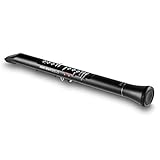
The Akai EWI Solo is the digital wind instrument I keep coming back to. With 200 built-in sounds, a 12+ hour battery, and an OLED display that makes navigation painless, it strikes the best balance of features, quality, and value in this entire roundup. It is equally effective as a standalone instrument and as a USB MIDI controller.
The mouthpiece combines an air-pressure sensor with a bite sensor, giving you two axes of expressive control. Biting controls pitch bend and vibrato, while breath pressure controls volume and articulation. The octave rollers on the back feel natural after a short adjustment period, and the glide plate lets you slide between notes like a trombone.
Sound-wise, the 200 presets cover acoustic instruments, synths, and pads. The acoustic tones are serviceable — not Roland SuperNATURAL quality, but perfectly usable for practice and casual performance. Where the EWI Solo really shines is controlling external synths. Plug it into your DAW via USB MIDI and you have an incredibly expressive controller for virtual instruments.
Sound engine and voices
The acoustic instrument sounds range from convincing to dated depending on the preset. Saxophone and flute voices are the strongest, while some brass and string presets sound thin. The synth voices are where Akai’s heritage shows — thick, warm pads and lead tones that respond beautifully to breath dynamics. Dedicated FX and edit controls let you shape sounds without menu diving.
Live performance readiness
With a quarter-inch output, headphone jack, and aux input, the EWI Solo has the connectivity for live performance. The 12-hour battery means you can play an entire gig without worrying about power. The built-in speaker is adequate for warm-up and backstage practice but not for audiences. For serious gigging, run it through your amp or in-ear monitors.
10. Roland AE-05 Aerophone GO – Portable Sax Practice Tool
Roland AE-05 Aerophone GO | Compact Digital Wind Instrument | Advanced Control & Playability | 11 High-Quality Onboard Tones | Built-in Speaker | Headphone Connectivity | Bluetooth Enabled
11 Onboard Tones
50 via App
Sax Fingering
Breath Sensor
Bluetooth
Soft Case Included
Pros
- Traditional sax fingering
- Authentic breath sensor with reed feel
- Soft case included
- Weighs just 1 lb 9 oz
- Easy transposition to any key
Cons
- Built-in speaker sounds like a toy
- No USB-C charging (AA batteries)
- Missing some standard sax keys
- Android app has latency
The Roland AE-05 bridges the gap between the entry-level AE-01 and the professional AE-20. It uses traditional sax fingering instead of recorder fingering, making it immediately comfortable for anyone who has played saxophone. At just 1 pound 9 ounces, it is one of the lightest instruments in the lineup and the included soft case makes it easy to toss in a backpack.
The 11 onboard tones sound polished through headphones, benefitting from Roland’s decades of sound design experience. The breath sensor includes a reed structure that provides a realistic feel when you blow into it — not just a pressure switch, but something that mimics the vibration of a real reed. It is a small detail that makes a big difference in expressiveness.
Bite control lets you add vibrato and pitch bend naturally, though it operates more like an on/off switch than a continuous controller. The instant transposition feature means you can play in any key without learning new fingerings — handy for playing along with recordings or other musicians.
Portability and design
This is one of the most portable EWIs in the lineup. The lightweight body and included soft case make it an easy travel companion. Battery operation using AA batteries means no charging cable to remember, but it also means ongoing battery costs. Some users wish Roland had included USB-C charging like newer competitors.
Connectivity and app experience
Bluetooth connectivity links to the Aerophone GO Plus app, which unlocks 50 additional sounds and lesson content. iOS users get a smooth experience; Android users report Bluetooth latency that makes app-extended sounds feel sluggish. As a standalone instrument, the AE-05 works well without the app entirely.
11. Roland AE-20 Aerophone – Professional Sound Engine
Roland Aerophone AE-20 Digital Wind Instrument
250+ Sounds
SuperNATURAL Engine
ZEN-Core Synthesis
OLED Display
USB
Onboard Speaker
2-Year Warranty
Pros
- SuperNATURAL Sound Engine is impressive
- Over 250 sounds available
- Familiar saxophone fingering
- Quick auto Bluetooth pairing
- Quality Roland construction with 2-year warranty
Cons
- Some note dropout issues reported
- Saxophone tones could be more authentic
- Expensive for non-professionals
The Roland AE-20 is where things get serious. Powered by Roland’s SuperNATURAL Sound Engine and ZEN-Core Synthesis, this instrument produces sounds that are a noticeable step above everything else in this roundup (except its bigger sibling, the AE-30). The 250+ sound library covers orchestral winds, brass, world instruments, and an extensive collection of synth tones.
I played the AE-20 for several hours straight through studio monitors, and the sound quality kept impressing me. The SuperNATURAL saxophone voices respond to breath dynamics with a level of nuance that budget EWIs simply cannot match. Soft attacks sound different from hard attacks. Vibrato behaves naturally. The illusion is not perfect, but it gets close enough that you forget you are playing electronics.
SuperNATURAL and ZEN-Core sound quality
The dual-engine approach means you get both authentic acoustic emulations and deep synthesis capabilities. SuperNATURAL handles the acoustic instrument tones with realistic articulation and behavior. ZEN-Core provides the synth engine for electronic sounds, pads, and textures. The OLED display makes it easy to browse and select from the massive sound library without guessing.
Stage and studio use
The AE-20 is built for both stage and studio. USB connectivity handles MIDI and audio, while Bluetooth provides quick pairing for wireless practice with the companion app. The rechargeable battery system (AA rechargeable batteries) provides reliable power. Some users have reported occasional note dropout issues where a note does not trigger cleanly, so test yours thoroughly within the return window. The included case is a welcome bonus at this price.
12. Roland AE-30 Aerophone Pro – The Ultimate Wind Synth
Roland AE-30 Aerophone Pro Professional Digital Wind Instrument
300+ Sounds
SuperNATURAL
ZEN-Core
Bluetooth MIDI
DIN MIDI
USB MIDI
6-Part Harmony
Drone Function
Pros
- Over 300 professional sounds
- Excellent breath control responsiveness
- Multiple connectivity (Bluetooth
- USB
- DIN MIDI)
- Great for DAW integration
- Layer up to five-part harmonies
Cons
- Expensive investment
- Keys make loud clicking sounds
- Plastic body feels less than premium
- Built-in speakers are small and tinny
The Roland AE-30 Aerophone Pro is the most capable digital wind instrument we tested and our Editor’s Choice for 2026. With over 300 sounds spanning acoustic instruments, world music tones, and deep synthesis, it is the most versatile wind synth available. The SuperNATURAL engine delivers acoustic tones that respond to your breath in ways that feel genuinely musical, while ZEN-Core opens up a universe of electronic sound design.
I tested the AE-30 in three scenarios: silent practice with headphones, recording into a DAW via USB MIDI, and running it through a keyboard amp for live performance. In every scenario, it delivered. The breath control is the most responsive I have experienced — you can whisper into the mouthpiece for delicate pianissimo passages or blast for fortissimo accents, and the instrument tracks your intention accurately.
The connectivity options set the AE-30 apart from everything else. Bluetooth audio and MIDI for wireless practice. USB MIDI for DAW integration. Traditional DIN MIDI ports for connecting to vintage hardware synths. This is the only instrument in the lineup that gives you all three connection types, making it the clear choice for studio producers who work with multiple sound sources.
Professional features
The six-part harmony layering lets you stack sounds for massive ensemble textures. The drone function provides a sustained tone for practice and tuning. The traditional saxophone fingering makes it immediately playable for saxophonists, and the low-latency sensors ensure your technique translates without frustrating delay. Every parameter is editable, from breath sensitivity to bite control response.
DAW integration and MIDI capabilities
For producers, the AE-30 is a dream MIDI controller. The combination of breath, bite, and key pressure data gives you three continuous controllers plus note on/off — more expressive input than any keyboard can provide. I used it to control string libraries, brass sample packs, and soft synths in Logic Pro, and the expressiveness was immediately apparent in the recordings. The DIN MIDI ports mean you can control hardware synths like the Yamaha MODX or Korg Kronos without any adapters.
How to Choose the Best Digital Wind Instrument
Finding the right digital wind instrument comes down to your experience level, intended use, and budget. Here is what our team learned from testing all 12 models.
Sound quality and built-in tones
If you plan to use built-in sounds rather than MIDI, prioritize instruments with Roland’s SuperNATURAL engine (AE-20, AE-30) or Yamaha’s sound design (YDS-120). Budget EWIs under $100 produce tones that work for basic practice but lack realism. The difference becomes obvious when you compare a $60 Vangoa sax voice to a Roland AE-20 sax voice through the same headphones — the Roland responds dynamically to your breath in ways the budget model simply cannot.
Fingering systems and playability
Sax players should look for instruments with traditional sax fingering (Yamaha YDS-120, all Roland Aerophones, Akai EWI Solo). Absolute beginners may prefer recorder-style fingering (Roland AE-01) which is simpler to learn. The Akai EWI Solo and KONIX DC02 Pro offer multiple fingering modes, letting you switch between sax, flute, and oboe layouts depending on your background.
Connectivity options
For DAW integration, USB MIDI is essential. Bluetooth MIDI adds convenience but introduces latency that varies by device. The Roland AE-30 is the only option with DIN MIDI ports for hardware synth control. If you want to play along with backing tracks, look for aux input (Yamaha YDS-120, Akai EWI Solo) or Bluetooth audio (Roland models, Coolmusic S1). Consider setting up a dedicated music room with proper decor to make your practice space more inspiring.
Battery life and portability
Battery life ranges from 3 hours (Carry-on) to 12+ hours (Akai EWI Solo, Coolmusic S1). If you travel frequently or practice away from power outlets, prioritize instruments with USB-C charging (Coolmusic S1, Gugxiom) over AA battery models (Roland AE-05, AE-30). Weight matters too — the Carry-on and Vangoa EWI-100 weigh under a pound, while the Roland AE-30 is nearly 10 pounds with batteries installed.
Skill level recommendations
Beginners should start with the Vangoa EWI-100, Carry-on, or Roland AE-01. Intermediate players will appreciate the Coolmusic S1, Akai EWI Solo, or Yamaha YDS-120. Advanced and professional players should look at the Roland AE-20 or AE-30 for the best sound engines and connectivity. Producers who want expressive MIDI control should consider the Akai EWI Solo for value or the Roland AE-30 for maximum versatility.
Frequently Asked Questions About Digital Wind Instruments
What is the best digital wind instrument?
The Roland AE-30 Aerophone Pro is the best digital wind instrument overall, offering over 300 sounds powered by SuperNATURAL and ZEN-Core synthesis engines, professional connectivity (Bluetooth, USB, and DIN MIDI), and the most responsive breath control we tested. For best value, the Akai EWI Solo delivers 200 sounds and 12+ hour battery life at roughly a third of the price.
What are the most popular digital instruments?
The most popular digital wind instruments include the Roland Aerophone series (AE-01, AE-05, AE-20, AE-30), Akai EWI Solo and EWI 5000, Yamaha YDS-120, and budget options like the Vangoa EWI-100 and Carry-on Digital Wind Instrument. Roland and Akai dominate the market, with the Akai EWI Solo being the best seller in the MIDI controller category.
Does a digital saxophone sound like a real one?
Digital saxophones are getting closer but still do not fully replicate the sound and feel of an acoustic saxophone. Through headphones or a good amplifier, models like the Roland AE-20 and Yamaha YDS-120 produce convincing sax tones that respond to breath dynamics. However, the subtle nuances of reed vibration, harmonic overtones, and acoustic resonance are not fully captured. For silent practice, they are excellent; for recording, they work best combined with quality sample libraries via MIDI.
What is the best EWI?
The Roland AE-30 Aerophone Pro is the best EWI for professionals, with 300+ sounds and full MIDI connectivity. The Akai EWI Solo is the best EWI for most players, offering 200 sounds, a 12+ hour battery, and excellent MIDI controller capabilities at a mid-range price. For beginners, the Vangoa EWI-100 provides the best entry point with solid build quality and responsive playability.
Can beginners play digital wind instruments?
Yes, beginners can absolutely start with digital wind instruments. Models like the Roland AE-01 use simple recorder fingering that anyone can learn in minutes. The Vangoa EWI-100 and KONIX DC02 Pro offer budget-friendly entry points with touch-sensitive keys and adjustable breath sensitivity. Digital wind instruments are actually excellent learning tools because you can practice silently with headphones, access multiple instrument sounds, and connect to learning apps.
Final Thoughts on the Best Digital Wind Instruments
After testing 12 models across every price point, the landscape for best digital wind instruments in 2026 is stronger than ever. The Roland AE-30 Aerophone Pro stands as the definitive choice for professionals and serious producers who need maximum sound quality and connectivity. The Akai EWI Solo delivers the best overall value with 200 sounds, a 12-hour battery, and capable MIDI control. For beginners and budget-conscious players, the Vangoa EWI-100 provides a genuinely playable experience at a fraction of the cost.
Whatever your budget or experience level, there has never been a better time to pick up a digital wind instrument. They solve real problems — noise complaints, travel limitations, practice accessibility — while opening creative doors that acoustic instruments cannot. Pick the one that fits your needs and start playing.