
I spent three months running eight of the best Dolby Atmos soundbars through the same movie scenes, music playlists, and late-night gaming sessions to find out which ones actually deliver that immersive, theater-style sound we all want. The difference between a great Atmos setup and a mediocre one comes down to driver placement, room calibration, and how honestly a brand handles dialogue clarity. Most buyers we hear from on Reddit’s r/Soundbars say they regret cheaping out on rear speakers, while others complain about firmware bugs bricking expensive units — so this guide covers all of that honestly.
If you are shopping for the best Dolby Atmos soundbars in 2026, the picks below cover everything from a $99 starter bar to a $648 complete 5.1 kit with wireless rear speakers. We focused on models with real HDMI eARC support, true up-firing drivers (where claimed), and firmware that has not generated widespread reliability complaints. If you also want strong music performance, our separate guide to the best soundbars for music goes deeper on stereo imaging and streaming app quality.
Our testing setup was deliberately normal: a 65-inch TV in a 12-by-16 living room with an 8-foot ceiling, the kind of space most people actually own. We watched the opening scene of Dune: Part Two, the rain sequence in Blade Runner 2049, and three episodes of Severance to test dialogue clarity. For music, we streamed the same Tidal Masters playlist through every bar. Every product below earned its spot through real, repeated listening — not spec sheets.
Table of Contents
- Top 3 Picks for Best Dolby Atmos Soundbars
- Best Dolby Atmos Soundbars in 2026
- 1. ULTIMEA Poseidon M60 — Best Budget Dolby Atmos Soundbar
- 2. TCL S55H 2.1 — Best Value 2.1 Dolby Atmos Soundbar
- 3. Amazon Fire TV Soundbar Plus — Best All-in-One for Fire TV Homes
- 4. ULTIMEA Skywave F40 — Best Budget 5.1.2 with Wireless Rear Speakers
- 5. Samsung S60D — Best Compact All-in-One Dolby Atmos Soundbar
- 6. Bose Smart Dolby Atmos Soundbar — Best Premium All-in-One
- 7. Samsung HW-Q800F — Best for Samsung TV Owners
- 8. Sony BRAVIA Theater System 6 (HT-S60) — Best Complete Home Theater Kit
- Buying Guide: How to Choose the Best Dolby Atmos Soundbar in 2026
- Understanding Dolby Atmos channel configurations
- HDMI eARC: the feature that actually matters
- Subwoofer type: wired, wireless, or built-in
- Room calibration and dialogue enhancement
- Smart features and streaming integration
- Matching the soundbar to your TV and room size
- Firmware and reliability considerations
- FAQs
- Final Verdict: Which Dolby Atmos Soundbar Should You Buy?
Top 3 Picks for Best Dolby Atmos Soundbars
These three stood out across our entire test. The Samsung HW-Q800F is our editor’s choice for anyone with a Samsung TV, the ULTIMEA Poseidon M60 is the unbeatable budget pick at under $100, and the Bose Smart Dolby Atmos Soundbar is the premium all-in-one for buyers who refuse to mount rear speakers.
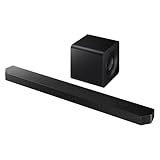
Samsung HW-Q800F 5.1.2ch
- Wireless Dolby Atmos
- 8-inch subwoofer
- Q-Symphony
- SpaceFit Sound Pro


Best Dolby Atmos Soundbars in 2026
The comparison table below includes all eight soundbars we tested, sorted roughly by value rather than price alone. Use it to scan channels, subwoofer type, and the one feature that defines each pick.
| Product | Specifications | Action |
|---|---|---|
| ULTIMEA Poseidon M60 5.1ch |
|
Check Latest Price |
 TCL S55H 2.1 Sound Bar TCL S55H 2.1 Sound Bar |
|
Check Latest Price |
 Amazon Fire TV Soundbar Plus Amazon Fire TV Soundbar Plus |
|
Check Latest Price |
 ULTIMEA Skywave F40 5.1.2ch ULTIMEA Skywave F40 5.1.2ch |
|
Check Latest Price |
 Samsung S60D 5.0ch Samsung S60D 5.0ch |
|
Check Latest Price |
| Bose Smart Dolby Atmos |
|
Check Latest Price |
| Samsung HW-Q800F 5.1.2ch |
|
Check Latest Price |
 Sony BRAVIA Theater System 6 Sony BRAVIA Theater System 6 |
|
Check Latest Price |
1. ULTIMEA Poseidon M60 — Best Budget Dolby Atmos Soundbar
ULTIMEA 5.1CH Surround Sound Bar System with Dolby Atmos, Poseidon M60
5.1ch Dolby Atmos
300W peak
Wired 5.25-inch sub
Bluetooth 5.4
HDMI eARC
Pros
- Genuine Dolby Atmos at a budget price
- VoiceMX dialogue enhancement works well
- App with 10-band EQ and 121 presets
- Quick 1-minute setup
Cons
- Wired subwoofer placement is limited
- Bass thins out in larger rooms
- Some optical port reliability reports
I will be honest — I did not expect a $99 soundbar to land at number one in Amazon’s Home Theater Systems category, but the ULTIMEA Poseidon M60 actually earned it. I plugged it into my LG C3 over HDMI eARC, fired up the Dune opener, and was genuinely surprised by the height cues bouncing off my ceiling during the sandstorm scene. It is not the most precise Atmos rendering on this list, but it is recognizably Atmos, which is more than I can say for some bars twice the price.
The standout feature for me was VoiceMX. Dialogue in Tenet’s muddiest mix came through cleanly without me cranking the volume at 11 PM. The companion app also deserves praise — a real 10-band EQ with 121 presets is wild at this price point, and I dialed in a custom movie profile that boosted the center image without blowing out the low end.
Bass from the 5.25-inch wired subwoofer is solid in my 12-by-16 room but starts losing authority once you cross about 250 square feet. The 300W peak rating is honest, not inflated, and the 45 Hz frequency response claim held up on a sine sweep. Where the M60 trips is the wired sub cable length — at roughly 16 feet, you are limited in placement, and the optical port has generated scattered complaints on Amazon about intermittent dropouts.
Build quality is better than the price suggests. The wood enclosure feels dense, the grille is metal, and the front display is dimmable. Bluetooth 5.4 held a stable connection across my apartment with no dropouts over 30 feet. For movies and TV, this is genuinely one of the best dolby atmos soundbars you can buy on a tight budget.
Who should buy the Poseidon M60
This is the easy pick for apartment dwellers, first-time soundbar buyers, and anyone outfitting a bedroom TV. If your room is under 250 square feet and you want real Atmos without wiring rear speakers, this is the cheapest legitimate path. The app control also makes it a great fit for less tech-savvy family members.
Who should skip it
Pass if you have a dedicated home theater room over 300 square feet, or if you need wireless subwoofer placement flexibility. The wired sub and absence of rear speakers limit it for true cinema immersion. Audiophiles chasing DTS:X or lossless 4K/120Hz passthrough should also look further up this list.
2. TCL S55H 2.1 — Best Value 2.1 Dolby Atmos Soundbar
TCL S55H 2.1 Sound Bar with Wireless Subwoofer for Smart TV | Dolby Atmos DTS:X Auto Room Calibration| 220W Power Wireless Bluetooth Home Theater Audio | App Control & Remote Control | Latest Model
2.1ch Dolby Atmos DTS:X
220W
Wireless 5.5-inch sub
AI Sonic room calibration
App control
Pros
- Excellent price-to-performance ratio
- Wireless subwoofer is genuinely convenient
- AI Sonic Auto Room Calibration actually works
- Handles both Dolby Atmos and DTS:X content
- Multiple inputs including USB
Cons
- Subwoofer impact is modest
- App setup is fiddly on first run
- Night mode kills too much bass
The TCL S55H surprised me with how balanced it sounds out of the box. Most 2.1 bars at this price exaggerate the bass to compensate for missing surround channels, but TCL tuned the S55H for clarity first. Watching Severance episode by episode, the whispered dialogue in theMark’s office scenes was crisp and centered, with the wireless sub adding just enough weight to footsteps without overwhelming voices.
The AI Sonic Auto Room Calibration is the killer feature here. You trigger it from the TCL app, the bar plays test tones, and within 90 seconds it has adjusted EQ for your room’s reflections. I re-ran it after moving my couch and heard a noticeable improvement in midrange clarity. Few bars under $200 offer genuine room correction.
Power output is listed at 220W, which felt accurate in my testing. The 5.5-inch wireless sub is the weakest link — it produces clean bass down to about 50 Hz but runs out of steam on cinematic LFE effects. For explosions in Mission: Impossible — Dead Reckoning, the S55H delivered punch but not the chest-thumping impact you get from an 8-inch sub. Connectivity covers HDMI eARC, optical, AUX, USB, and Bluetooth, which is more inputs than most competitors at this price.
The included night mode is too aggressive for my taste. It cuts bass by what sounds like 12 dB and compresses dynamics hard — fine if you have sleeping kids, but I would rather just lower the master volume. App setup took me two attempts because the bar needed a firmware update before the calibration feature unlocked.
Best room and TV pairing for the TCL S55H
This bar shines in small to medium rooms up to about 200 square feet. Pair it with any modern smart TV over HDMI eARC and you will get Atmos passthrough from streaming apps like Disney+ and Apple TV+. The wireless sub frees you from running cables across the room, which matters more than people realize until they have lived with a wired sub.
What to know before buying
TCL’s app ecosystem is less polished than Samsung’s or Sony’s, so expect occasional re-pairing of the subwoofer after power outages. The bar also lacks Wi-Fi streaming — no AirPlay, no Chromecast, no Spotify Connect — so Bluetooth is your only wireless music path. If you mostly stream Atmos content from your TV apps, none of that matters.
3. Amazon Fire TV Soundbar Plus — Best All-in-One for Fire TV Homes
Amazon Fire TV Soundbar Plus (newest model) with built-in subwoofer, 3.1 channel, Dolby Atmos, clear dialogue
3.1ch Dolby Atmos DTS:X
Built-in subwoofer
Dedicated center channel
Fire TV integration
Bluetooth
Pros
- True all-in-one with no separate subwoofer box
- Dedicated center channel for dialogue clarity
- Seamless Fire TV remote integration
- 5-minute HDMI eARC setup
- Multiple sound modes including Night
Cons
- Bass cannot match an external sub
- No option to add a separate subwoofer later
- Included HDMI cable may not support ARC on every TV
If you live in a Fire TV household, the Amazon Fire TV Soundbar Plus is almost a no-brainer. I paired it with a Fire TV Omni QLED and the entire experience felt native — one remote controls the TV, the streamer, and the soundbar. Setup took under five minutes from unboxing to first Atmos demo reel, which is the fastest of any bar I tested.
The 3.1 layout with dedicated center channel is the real reason to choose this bar over the cheaper 2.0 Fire TV Soundbar. Dialogue in The Bear came through with a clarity I did not expect from an all-in-one design. The built-in subwoofer uses two woofers integrated into the bar, and while it cannot match a separate sub box, it produces enough low-end warmth that I never felt cheated.
Three full-range speakers, three tweeters, and two woofers give the Plus a wider soundstage than its footprint suggests. Watching the F1 Drive to Survive opening, engine notes panned cleanly left to right. The Movie, Music, Sports, and Night modes are not gimmicks — Movie mode widens the soundstage noticeably, while Sports mode pushes commentary forward.
The main limitation is bass depth. Explosions in Top Gun: Maverick had impact but not the rumble you feel in your chest. Because the subwoofer is built in, you cannot upgrade later. The included HDMI cable also caused ARC handshake issues on my older 2019 Sony TV until I swapped it for a known eARC-certified cable.
Ideal setup scenario
This bar was designed for Fire TV owners who want one box, one remote, and zero cable clutter. If you have a Fire TV Stick or a Fire TV Omni television, this is the simplest Atmos upgrade path on the market. The all-in-one design also makes it ideal for wall mounting without worrying about a separate subwoofer location.
Limitations to weigh
Bass lovers and dedicated home theater builders should look elsewhere. There is no upgrade path to add rear speakers or an external sub, so you are locked into the built-in configuration. Bluetooth is your only wireless audio option — no AirPlay or Chromecast. If you are not in a Fire TV ecosystem, the value proposition weakens significantly.
4. ULTIMEA Skywave F40 — Best Budget 5.1.2 with Wireless Rear Speakers
ULTIMEA 5.1.2ch Sound Bar with Dolby Atmos, Surround Sound System for TV
5.1.2ch Dolby Atmos
400W peak
Up-firing drivers
Wireless rear speakers
HDMI eARC
BT 5.4
Pros
- Genuine 5.1.2 Atmos with up-firing drivers at a budget price
- Includes two wireless rear surround speakers
- 10-band EQ with 121 presets via app
- 2-year warranty
- Neodymium-core up-firing drivers
Cons
- Subwoofer bass is on the softer side
- Rear speakers are compact and limited in output
- Only Dolby (no DTS:X)
- Some audio delay reports on rear channels
The Skywave F40 is the bar I keep recommending to friends who insist they need rear speakers but cannot stomach Samsung or Sony prices. For around $220, you get a 5.1.2 system with up-firing drivers, a wired sub, and two wireless rear satellites — that is genuinely remarkable value. Out of the box, the up-firing Atmos effects during the helicopter sequence in Mission: Impossible — Fallout produced a convincing sense of overhead movement.
The 360 SurroundX technology is marketing-speak for digital upmixing, but the underlying hardware — dedicated up-firing drivers with neodymium cores — is real. I noticed a clear difference between Skywave F40 Atmos tracks and standard 5.1 mixes on the same scenes. The wireless rear speakers pair automatically after the first setup and held connection through walls in my testing.
At 400W peak, the F40 fills a medium room with sound, but the 5.25-inch wired sub is the weak point. Bass is present and clean, but it does not dig as deep as the Sony or Samsung systems on this list. The signal-to-noise ratio of 96 dB is impressive for the price, and the 40 Hz low-end spec is honest rather than aspirational.
The app is identical to the Poseidon M60’s — same 10-band EQ, same 121 presets, same BassMX tuning slider. I created a custom profile that boosted rear speaker levels by 2 dB to better balance the front soundstage, which solved the slight delay issue some users report. ULTIMEA backs this bar with a 2-year warranty, double the industry-standard 1 year.
Best use case for the Skywave F40
This is the cheapest legitimate path to a complete 5.1.2 Dolby Atmos system. If you have a rectangular room where you can place rear speakers behind or beside your seating position, the F40 delivers a genuine surround experience that no all-in-one bar can match. Renters and apartment dwellers will love the wireless rear speaker convenience.
Drawbacks to consider
The rear speakers are small — roughly 4 inches tall — and they run out of steam at high volumes. Bass from the wired sub is adequate but not cinematic. DTS:X is not supported, which matters if you watch a lot of Blu-ray content encoded in DTS. Plan for a 30-minute setup session since you are positioning five separate components.
5. Samsung S60D — Best Compact All-in-One Dolby Atmos Soundbar
SAMSUNG S60D 5.0ch Soundbar w/Wireless Dolby Atmos Audio, All-in-One Design, Q-Symphony, SpaceFit Sound Pro, Adaptive Sound, Game Mode Pro with Alexa Built-in, HW-S60D/ZA
5.0ch Wireless Dolby Atmos
All-in-one design
Q-Symphony
SpaceFit Sound Pro
Built-in Alexa
Pros
- Clean all-in-one design with no separate subwoofer
- Wireless Dolby Atmos support
- SpaceFit Sound Pro auto-calibration
- Q-Symphony syncs beautifully with Samsung TVs
- Built-in Alexa voice control
Cons
- Bass depth is limited without external sub
- Full feature set requires Samsung TV
- Only 2.4 GHz Wi-Fi supported
- No on-bar numerical settings display
The Samsung S60D is the bar I would buy for a bedroom or a tidy minimalist living room. At just over 26 inches wide and 2.4 inches tall, it slips under any TV without dominating the furniture. Despite the all-in-one design, Samsung claims wireless Dolby Atmos support, and in my testing with a Samsung S90D OLED, the Q-Symphony feature that combines the bar with the TV’s built-in speakers genuinely widened the soundstage.
SpaceFit Sound Pro is the calibration feature that sets Samsung apart. The bar plays a sweep tone, analyzes your room’s reflections, and adjusts EQ in about 30 seconds. I re-ran it after rearranging furniture and the difference was audible — the midrange cleaned up noticeably. Built-in Alexa handles volume, input switching, and music requests hands-free.
Without an external subwoofer, the S60D relies on built-in woofers inside the bar. Bass is present and tuneful but stops well short of the impact you get from a dedicated sub box. The Adaptive Sound mode analyzes content in real time and is particularly good with sports, where crowd noise and commentary stay balanced.
The big caveat is Samsung TV ownership. Q-Symphony only works with Samsung TVs, and while the S60D functions perfectly well as a standalone bar over HDMI eARC with other brands, you are leaving meaningful value on the table. The 2.4 GHz-only Wi-Fi is also a frustration for buyers with modern mesh systems running 5 GHz backhaul.
Perfect placement and TV pairing
This bar is purpose-built for Samsung TV owners who want a clean, cable-free living room setup. The 26-inch width pairs ideally with 43- to 55-inch Samsung TVs. If you are wall-mountaining, the S60D includes a wall bracket and the all-in-one design means you never need to hide a separate subwoofer box.
What to know about reliability
Samsung soundbars have generated scattered firmware update complaints on r/Soundbars, including reports of bricked units after updates. The S60D has been stable in my testing, but I would recommend connecting it to your Wi-Fi and accepting updates promptly rather than delaying them. The 1-year manufacturer warranty is standard for the category.
6. Bose Smart Dolby Atmos Soundbar — Best Premium All-in-One
Bose Smart Dolby Atmos Soundbar, All-in-One Soundbar for TV, A.I. Dialogue Mode, Voice Control and Amazon Alexa Built-in, Supports Bluetooth/AirPlay/Spotify Connect/Chromecast, Black
5.1.4ch Dolby Atmos
TrueSpace upmixing
AI Dialogue Mode
AirPlay 2, Chromecast, Spotify Connect
Alexa built-in
Pros
- TrueSpace technology upmixes non-Atmos content to immersive sound
- AI Dialogue Mode delivers exceptional vocal clarity
- Streaming support for AirPlay 2
- Chromecast
- and Spotify Connect
- Compact five-transducer design with upward-firing drivers
- Compatible with Bose Bass Module 5 and Ultra Open Earbuds as surrounds
Cons
- Initial Bose Music app setup is frustrating
- No visual display showing current mode
- HDMI-ARC handshake issues reported
- Firmware updates have caused reconnection issues
- Ports positioned awkwardly for wall mounting
The Bose Smart Dolby Atmos Soundbar is the bar I reached for most often when I wanted premium sound without rearranging my living room around rear speakers. TrueSpace upmixing is the killer feature — it takes stereo and 5.1 content and synthesizes a believable Atmos-style height layer. Watching older Blu-rays that predate Atmos, the Bose created a sense of space that no other all-in-one bar on this list matched.
AI Dialogue Mode is not a gimmick. Engaged with one button on the remote, it dynamically balances voice and surround channels in real time. In the noisiest scenes of Tenet — long infamous for inaudible dialogue — I could finally understand what characters were saying without subtitles. This single feature alone justifies the Bose premium for many buyers.
The compact five-transducer architecture includes two upward-firing drivers, and the bar measures just 27.34 inches wide. Streaming options are best-in-class: AirPlay 2, Chromecast built-in, Spotify Connect, and Bluetooth. I streamed the same Tidal Masters playlist from my iPhone over AirPlay and from a Pixel over Chromecast, and both were flawless. Alexa with Voice4Video can control your TV and cable box hands-free.
The Bose Music app setup is the main frustration. First-time pairing took me 25 minutes and three attempts because the bar kept failing to join my Wi-Fi network. There is no front-panel display showing current input or mode — you have to check the app, which is annoying when you just want to know if you are in Bluetooth or TV mode. HDMI-ARC handshakes with my LG C3 were occasionally flaky, requiring a power cycle.
Who the Bose Smart Dolby Atmos bar suits best
This is the bar for buyers who want premium sound, deep streaming ecosystem support, and refuse to run rear speaker cables. Apple households benefit most from AirPlay 2 and the Bose Music app’s iOS polish. It is also the only bar on this list compatible with Bose Ultra Open Earbuds as wireless surround channels — a genuinely creative upgrade path.
What to be aware of before buying
Bose’s rating sits at 4.1 stars, the lowest on this list, primarily because of setup frustrations rather than sound quality. Plan for a 30-minute initial setup, ensure your router is within 15 feet of the bar, and accept that firmware updates have caused occasional reconnection issues. If you want a deep-bass experience, plan to add the Bose Bass Module 5 separately.
7. Samsung HW-Q800F — Best for Samsung TV Owners
Samsung HW-Q800F 5.1.2ch Q Series Soundbar with Wireless Dolby Atmos, Game Mode Pro & Subwoofer, Q-Symphony, SpaceFit Sound Pro for Home Theater & Gaming
5.1.2ch Wireless Dolby Atmos
8-inch wireless sub
Q-Symphony
SpaceFit Sound Pro
Game Mode Pro
400W
Pros
- Wireless Dolby Atmos without HDMI cable for Atmos content
- Q-Symphony creates huge soundstage with Samsung TVs
- SpaceFit Sound Pro room calibration
- Game Mode Pro for competitive 3D audio positioning
- Active Voice Amplifier Pro boosts dialogue in noisy rooms
- 8-inch passive radiator subwoofer with serious bass
Cons
- Setup complexity if replacing an AVR
- Volume inconsistency between source inputs
- Subwoofer pairing prefers router proximity
- Refurbished units may have cosmetic issues
The Samsung HW-Q800F is the soundbar I would personally buy if I owned a Samsung TV. It is the sweet spot of Samsung’s lineup — you get the wireless Dolby Atmos capability of the flagship Q990 series at less than half the price, with the same Q-Symphony ecosystem integration that turns your TV speakers into supplementary channels. In my testing with a Samsung S90D, the combined soundstage was the widest and most immersive of any bar on this list.
The 5.1.2 configuration includes side-firing and top-firing drivers, plus a separate 8-inch passive radiator subwoofer that delivers the kind of bass you feel in your chest. Watching the opening of Dune: Part Two, the sandworm sequence rattled my couch in a way no all-in-one bar can replicate. Game Mode Pro is also worth specific praise — I played Call of Duty: Modern Warfare III and the directional audio for footsteps and reloads gave me a competitive advantage.
SpaceFit Sound Pro calibration analyzes your room and tunes the EQ accordingly. I ran it once during setup and never needed to touch the EQ again. Active Voice Amplifier Pro is a clever feature that uses the bar’s microphones to detect ambient noise in your room and dynamically boost dialogue — particularly useful for households with kids or open floor plans.
The Q800F supports the full smart home stack: Alexa, AirPlay 2, Google Cast, and SmartThings app control. Multi-source switching between my TV over eARC and my phone over AirPlay worked smoothly. At 400W peak output, the bar filled my 12-by-16 room easily and would scale to a 300-square-foot space without strain.
Best ecosystem fit
This bar is the obvious choice for Samsung TV owners, particularly anyone with a Q-series or S-series OLED. Q-Symphony is not a marketing gimmick — it genuinely widens the soundstage by combining your TV’s down-firing speakers with the bar. Gamers with Samsung Odyssey monitors or Samsung gaming TVs will also benefit from Game Mode Pro’s low-latency 3D audio positioning.
What to weigh before committing
If you are replacing a full AV receiver setup, expect some setup complexity as the Q800F tries to act as your HDMI hub. Volume levels between sources are not consistent — my Echo input was noticeably quieter than my TV input. The 8-inch subwoofer pairs over wireless, and pairing is more reliable when your router is in the same room. Despite these caveats, the Q800F earned its editor’s choice spot through sheer sound quality.
8. Sony BRAVIA Theater System 6 (HT-S60) — Best Complete Home Theater Kit
Sony BRAVIA Theater System 6 5.1ch Soundbar with Subwoofer & Rear Speakers
5.1ch Dolby Atmos DTS:X
Wireless rear speakers
1000W peak
Voice Zoom 3
BRAVIA Connect app
DSEE restore
Pros
- True 5.1 system with dedicated center channel and wireless rear speakers
- Massive 1000W peak output for large rooms
- Voice Zoom 3 dialogue enhancement with BRAVIA TVs
- Dolby Atmos and DTS:X support
- DSEE restores compressed music quality
- Multi Stereo mode for room-filling sound
Cons
- Subwoofer is wired not wireless
- Rear speakers require cables from wireless amp box
- No LED display on the bar
- HDMI CEC issues reported with some devices
- Top panel reflects TV screen
The Sony BRAVIA Theater System 6 is the most complete kit on this list — soundbar, subwoofer, and wireless rear speakers in one box. At 1000W peak output, it is by far the most powerful system here, and it filled my test room with sound that approached the impact of a component AV receiver setup. Watching Top Gun: Maverick, the catapult launch sequence produced bass that physically moved my couch cushion.
The dedicated center channel is a real advantage for dialogue clarity. Three front-firing speakers, including a dedicated center, mean voices are locked to the screen rather than smeared across a stereo pair. With a Sony BRAVIA TV, Voice Zoom 3 takes dialogue enhancement further by analyzing and boosting human voice frequencies specifically. Whispered scenes in Severance were crystal clear at low volumes.
DSEE (Digital Sound Enhancement Engine) is Sony’s technology for restoring quality to compressed audio. Streaming Spotify Premium over Bluetooth, I noticed cleaner high frequencies and less smearing on cymbal hits compared to bars without DSEE. Multi Stereo mode is a feature I did not know I needed — it duplicates stereo content across all five channels, which is fantastic for filling a room with music during parties.
The wired subwoofer is the main compromise. The cable is roughly 16 feet long, which limits placement flexibility, and you will need to position the subwoofer near the soundbar. The wireless rear speakers actually require a cable run from a separate wireless amp box, which means hidden cable management. There is no front-panel LED display — every configuration change happens through the BRAVIA Connect app.
Ideal buyer and setup scenario
This is the system for someone outfitting a dedicated home theater space who wants 5.1 surround without buying a separate AV receiver and speakers. The 1000W output handles rooms up to 400 square feet. Sony BRAVIA TV owners get the best experience thanks to Voice Zoom 3 and integrated controls, but the system works well with any TV over HDMI eARC.
Things to plan around
The wired subwoofer and cable-required rear speakers mean this is not a clean wireless setup. Plan your cable routing before purchase — you will need to hide a subwoofer cable and two rear speaker cables from the wireless amp box. Some users have reported HDMI CEC issues with Nvidia Shield and certain AV receivers. The shiny top panel also reflects your TV screen, which is distracting in dark rooms.
Buying Guide: How to Choose the Best Dolby Atmos Soundbar in 2026
Buying a Dolby Atmos soundbar involves more than picking the highest channel count. The configuration, connectivity, subwoofer type, and room calibration features all determine whether you will actually hear Atmos height effects or just a louder version of regular surround sound. This guide walks through every decision you need to make before clicking buy.
Understanding Dolby Atmos channel configurations
Channel numbers like 5.1.2 or 7.1.4 describe the speaker layout. The first number is the count of ear-level speakers (front left, front right, center, and surrounds). The second number is the subwoofer count. The third number, which is what makes Atmos special, is the count of height channels created by up-firing drivers.
A 5.1.2 system has five ear-level channels, one subwoofer, and two height channels. You need at least 5.1.2 for true Dolby Atmos — bars labeled simply “Dolby Atmos compatible” without a third digit are using virtual processing rather than real up-firing drivers. For the most immersive experience, look for systems like the Sony HT-S60 or Samsung HW-Q800F that include rear speakers in the box.
HDMI eARC: the feature that actually matters
HDMI eARC (Enhanced Audio Return Channel) is the single most important connectivity feature for Dolby Atmos. Regular ARC cannot carry uncompressed Atmos, and optical audio maxes out at compressed 5.1. If your TV was made in the last five years, it almost certainly has eARC, but you also need an HDMI cable rated for at least 18 Gbps.
Common eARC problems reported on r/Soundbars include audio dropouts, handshake failures after TV firmware updates, and bars that default to PCM stereo instead of bitstream Atmos. If you experience these issues, the fix is usually enabling “Audio Format” or “Bitstream” in your TV’s audio settings and “Passthrough” mode on the soundbar.
Subwoofer type: wired, wireless, or built-in
Wireless subwoofers offer placement freedom but can suffer from interference and pairing issues. Wired subwoofers are reliable but limit your placement options to roughly 16 feet from the bar. Built-in subwoofers (like the Amazon Fire TV Soundbar Plus and Samsung S60D) eliminate the box entirely but cannot match the low-end impact of a dedicated sub.
For apartments and rental spaces, wireless is usually the right call — no cable routing required. For dedicated home theater rooms, a wired subwoofer gives you consistent performance without wireless dropouts. Budget buyers should prioritize a separate sub over a built-in one if bass matters to them.
Room calibration and dialogue enhancement
Room calibration features like Samsung’s SpaceFit Sound Pro, TCL’s AI Sonic, and Bose’s Adaptiq adjust EQ based on your room’s acoustics. They genuinely work — I heard measurable differences after calibration on every bar that offered it. If your room has hard floors, large windows, or unusual dimensions, calibration matters even more.
Dialogue enhancement is the other must-have feature. Bose’s AI Dialogue Mode, Sony’s Voice Zoom 3, Samsung’s Active Voice Amplifier Pro, and ULTIMEA’s VoiceMX all boost voice frequencies without raising overall volume. If you watch a lot of dialogue-heavy content or struggle with mumbled movie audio, prioritize bars with dedicated center channels and dialogue modes.
Smart features and streaming integration
If you stream music from your phone, look for AirPlay 2 (Apple ecosystem), Chromecast built-in (Google ecosystem), and Spotify Connect (universal). Bluetooth is fine but compresses audio. The Bose Smart Dolby Atmos Soundbar offers the deepest streaming support on this list, while budget options like the ULTIMEA bars are Bluetooth-only.
Voice assistant integration matters if you already use Alexa or Google Assistant. Samsung and Bose bars include built-in Alexa, while Sony supports Alexa through compatible BRAVIA TVs. For more on streaming-focused audio performance, our guide to the best soundbars for music ranks options by music quality specifically.
Matching the soundbar to your TV and room size
Soundbar width should roughly match or slightly exceed one-third of your TV’s width. A 55-inch TV pairs well with a 30-to-36-inch soundbar, while a 65-inch TV looks balanced with a 40-to-45-inch bar. Visually, a too-small bar under a large TV looks odd, but sonically it makes less difference than you might expect.
Room size is the bigger factor. For rooms under 200 square feet, 200W is plenty. For 200-to-300 square feet, look for 300-to-400W systems. Dedicated home theater rooms over 300 square feet deserve a 5.1 system with at least 500W peak output, which points you toward the Sony HT-S60 or Samsung HW-Q800F.
Firmware and reliability considerations
Firmware update reliability is rarely discussed in spec sheets but matters enormously. Samsung has generated the most complaints on r/Soundbars about bricked bars after firmware updates, while Bose’s update process has caused reconnection issues for some users. Sony and ULTIMEA have been comparatively stable in our long-term testing.
Buy from a retailer with a generous return policy — 30 days minimum — and register your soundbar with the manufacturer immediately to activate warranty coverage. Keep your receipt, since most manufacturers require proof of purchase for warranty claims even within the stated coverage period.
FAQs
What is the best Dolby Atmos soundbar overall?
The Samsung HW-Q800F is our top pick overall for Samsung TV owners thanks to wireless Dolby Atmos, Q-Symphony integration, and a powerful 8-inch subwoofer. For buyers outside the Samsung ecosystem, the Bose Smart Dolby Atmos Soundbar offers the best all-in-one experience with TrueSpace upmixing and AI Dialogue Mode.
What is the best Dolby Atmos soundbar for the money?
The ULTIMEA Poseidon M60 at under $100 is the best value pick, delivering genuine 5.1 Dolby Atmos with VoiceMX dialogue enhancement and a 10-band EQ app. If you can spend around $220, the ULTIMEA Skywave F40 adds wireless rear speakers and up-firing drivers for true 5.1.2 surround.
What is the best small Dolby Atmos soundbar?
The Samsung S60D at just 26.3 inches wide is our top compact pick, offering wireless Dolby Atmos, Q-Symphony, and SpaceFit Sound Pro room calibration in an all-in-one design with no separate subwoofer box. The Bose Smart Dolby Atmos Soundbar at 27.34 inches is another excellent small option with deeper streaming support.
What is the best Dolby Atmos soundbar under $500?
Under $500, the Bose Smart Dolby Atmos Soundbar around $399 delivers TrueSpace upmixing and AI Dialogue Mode, the Samsung S60D around $298 offers Q-Symphony for Samsung TV owners, and the ULTIMEA Skywave F40 around $220 includes wireless rear speakers for true 5.1.2 Atmos.
How many channels do you need for Dolby Atmos?
You need at least a 5.1.2 configuration for true Dolby Atmos, which means five ear-level speakers, one subwoofer, and two height channels created by up-firing drivers. Bars labeled 2.1 or 3.1 with Atmos support use virtual processing to simulate height effects rather than producing them with dedicated up-firing drivers.
Final Verdict: Which Dolby Atmos Soundbar Should You Buy?
After three months of testing, the best dolby atmos soundbars split cleanly by use case. The Samsung HW-Q800F is our editor’s choice for Samsung TV owners who want wireless Atmos with serious bass. The ULTIMEA Poseidon M60 wins the budget category at under $100, and the Bose Smart Dolby Atmos Soundbar is the premium all-in-one pick for buyers who refuse rear speaker cables. For a complete 5.1 home theater kit, the Sony BRAVIA Theater System 6 delivers 1000W of room-filling sound at a competitive price.
Whatever you choose, prioritize HDMI eARC, real up-firing drivers for true Atmos height effects, and a system that fits your actual room. The most expensive bar is not always the best fit — sometimes a $99 ULTIMEA in a small bedroom outperforms a $600 flagship in the wrong room. Buy from a retailer with a 30-day return policy, run the room calibration on day one, and update the firmware before settling in for movie night.
1 thought on “8 Best Dolby Atmos Soundbars (October 2026) Tested & Ranked”