

Finding the right microphone can feel like searching for a needle in a haystack, especially when you want something that just works without a degree in audio engineering. Our team has spent months testing the best dynamic microphones on the market, running them through live performances, podcast recording sessions, studio instrument miking, and home studio setups. Dynamic microphones are the workhorses of the audio world. They handle high sound pressure levels without flinching, reject background noise like champs, and survive drops that would destroy most condenser mics.
Whether you are setting up your first podcast, upgrading your live vocal rig, or building out a home studio in an untreated room, the right dynamic mic makes all the difference. Unlike condenser microphones that pick up every squeak, hum, and echo in your space, dynamic mics focus on what matters: your voice or instrument. That is why they remain the top choice for live performers, podcasters, and broadcasters who need reliable, clean audio without perfect acoustic treatment.
In this guide, we tested and ranked 13 of the best dynamic microphones available in 2026. We evaluated each one for sound quality, build durability, noise rejection, gain requirements, and overall value. From the legendary Shure SM58 to the broadcast-standard SM7B and budget-friendly options that punch way above their weight, we have you covered with real, hands-on impressions.
Table of Contents
- Top 3 Picks for Best Dynamic Microphones
- Best Dynamic Microphones in 2026
- 1. Shure SM7B – Premium Studio and Broadcast Standard
- 2. Shure SM58-LC – Legendary Live Vocal Workhorse
- 3. Shure SM57 – The Swiss Army Knife Instrument Mic
- 4. RODE PodMic – Broadcast Quality on a Budget
- 5. Shure MV7+ – USB-C and XLR Hybrid Podcaster
- 6. RODE Procaster – Professional Broadcast Voice Mic
- 7. Shure BETA 58A – Supercardioid Stage Vocal Mic
- 8. Sennheiser e 935 – German-Made Live Vocal Excellence
- 9. Shure Super 55 Deluxe – Vintage Style with Modern Sound
- 10. Audio-Technica AT2040 – Hypercardioid Podcast Mic
- 11. Sennheiser E 835 – Affordable German Vocal Mic
- 12. SE Electronics V7 – Supercardioid Vocal Performer
- 13. Samson Q2U – USB/XLR Dual Mode Beginner Mic
- How to Choose the Best Dynamic Microphone
- FAQs
- Final Thoughts on the Best Dynamic Microphones in 2026
Top 3 Picks for Best Dynamic Microphones
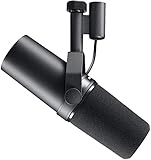
Shure SM7B
- Broadcast Standard
- Warm Smooth Sound
- Built-in Pop Filter
- Electromagnetic Shielding

Shure SM58-LC
- Legendary Live Vocal Mic
- Built-in Pop Filter
- Rugged Metal Build
- Cardioid Pattern
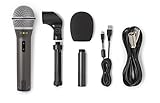
Samson Q2U
- USB-C and XLR Dual Mode
- Includes Stand and Cables
- Plug and Play
- Great for Beginners
Best Dynamic Microphones in 2026
| Product | Specifications | Action |
|---|---|---|
| Shure SM7B |
|
Check Latest Price |
| Shure SM58-LC |
|
Check Latest Price |
 Shure SM57 Shure SM57 |
|
Check Latest Price |
 RODE PodMic RODE PodMic |
|
Check Latest Price |
 Shure MV7+ Shure MV7+ |
|
Check Latest Price |
 RODE Procaster RODE Procaster |
|
Check Latest Price |
 Shure BETA 58A Shure BETA 58A |
|
Check Latest Price |
 Sennheiser e 935 Sennheiser e 935 |
|
Check Latest Price |
 Shure Super 55 Deluxe Shure Super 55 Deluxe |
|
Check Latest Price |
 Audio-Technica AT2040 Audio-Technica AT2040 |
|
Check Latest Price |
 Sennheiser E 835 Sennheiser E 835 |
|
Check Latest Price |
 SE Electronics V7 SE Electronics V7 |
|
Check Latest Price |
| Samson Q2U |
|
Check Latest Price |
1. Shure SM7B – Premium Studio and Broadcast Standard
Shure SM7B Dynamic Vocal Microphone for Podcasting & Streaming
Dynamic XLR Mic
Frequency: 50Hz-20kHz
Weight: 2.7 lbs
Cardioid Pattern
Built-in Shock Isolation
Pros
- Warm
- balanced vocals with exceptional clarity
- Excellent background noise and vibration rejection
- Built-in pop filter reduces plosives
- Rugged all-metal construction with electromagnetic shielding
Cons
- Requires significant gain around 75dB
- Often needs a Cloudlifter or inline preamp
- Premium price point
I have been using the Shure SM7B for over two years now, and it remains my go-to microphone for every podcast episode and voice-over project I record. The first thing you notice when you unpack it is the sheer weight and build quality. This is not a microphone that feels like it might break if you look at it wrong. The all-metal housing and integrated shock isolation system give you confidence from day one.
Sound-wise, the SM7B delivers that warm, smooth broadcast tone that has made it famous on podcasts, radio shows, and YouTube channels worldwide. I have recorded in everything from a properly treated studio to a bedroom with bare walls, and the SM7B consistently produces clean, professional audio. The cardioid pattern does an outstanding job of rejecting sounds from the sides and rear, so my air conditioner hum and neighbor’s dog barely register in recordings.
The built-in pop filter and detachable windscreen work well for most situations, though I still keep an external pop filter handy for close-talk recording. The two included windscreens give you options depending on your distance from the mic. Shure also built in advanced electromagnetic shielding, which means you will not pick up hum from computer monitors or other electronics nearby.
Here is the catch that every reviewer should tell you about: the SM7B needs a lot of gain. I am talking around 75dB of clean gain to get a healthy signal. Most budget audio interfaces struggle to deliver that without introducing noise. I ended up pairing mine with a Cloudlifter CL-1 inline preamp, and that solved the problem immediately. If you already have a solid interface or mixer with plenty of clean gain, you might be fine without one.
Who should buy the Shure SM7B
This microphone is ideal for serious podcasters, voice-over artists, streamers, and broadcasters who want that signature warm, professional sound and are willing to invest in proper gain staging. If you are building a home studio and plan to produce content regularly, the SM7B will serve you well for years.
Who should skip the Shure SM7B
If you are just starting out and do not already have a decent audio interface with strong preamps, the total cost of the SM7B plus a Cloudlifter or FetHead can add up fast. Beginners on a tight budget should consider the RODE PodMic or Samson Q2U first, then upgrade to the SM7B when they are ready.
2. Shure SM58-LC – Legendary Live Vocal Workhorse
Shure SM58 Pro XLR Dynamic Vocal Microphone
Dynamic XLR Mic
Frequency: 50Hz-15kHz
Weight: 310g
Cardioid Pattern
Built-in Pop Filter
Pros
- Legendary vocal clarity with warm articulate sound
- Excellent background noise rejection
- Built-in pop filter reduces plosives
- Extremely durable metal construction
- Professional-grade for stage and studio
Cons
- Requires XLR interface not USB
- Needs adequate preamp gain for optimal performance
- Heavier than some USB microphones
The Shure SM58 is the microphone that needs no introduction. It has been the industry standard for live vocals for decades, and for good reason. I have personally used the SM58 at dozens of live gigs, open mic nights, and rehearsal sessions. Every time, it delivers consistent, reliable vocal reproduction without any fuss. You plug it in, step up to the mic, and sing. That simplicity is part of its enduring appeal.
What makes the SM58 special is how it handles real-world conditions. The cardioid pickup pattern focuses on your voice while pushing stage noise, monitor bleed, and crowd chatter to the background. The built-in spherical grille acts as a pop filter, reducing plosives and breath noise without needing an extra accessory. I have seen performers drop SM58s on concrete floors, spill drinks on them, and subject them to extreme temperatures. They just keep working.
The frequency response is tailored for vocals, with a subtle midrange lift that adds warmth and presence to your voice. It does not have the extended high-frequency response of studio condensers, but that is by design. The SM58 prioritizes clarity and intelligibility over clinical accuracy, which is exactly what you need on a loud stage or in a rehearsal room.
For home studio use, the SM58 holds up surprisingly well. I have recorded scratch vocals, podcasts, and YouTube voice-overs with it. You need to get close to the mic for the best results, which means you will experience some proximity effect (a bass boost when you get near the grille). Some vocalists actually like this effect for the warmth it adds.
Who should buy the Shure SM58
The SM58 is the best choice for live performers, gigging musicians, worship teams, and anyone who needs a rugged, reliable vocal microphone that sounds great out of the box. It is also an excellent first microphone for someone building a home studio on a budget who wants something that will last for decades.
Who should skip the Shure SM58
If your primary use case is podcasting or streaming at a desk and you want that rich, broadcast-style tone, you will get better results from a mic designed for that purpose like the SM7B or PodMic. The SM58 can do it, but it is not optimized for close-talk studio recording.
3. Shure SM57 – The Swiss Army Knife Instrument Mic
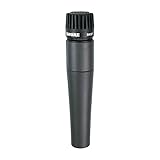
Shure SM57 Pro XLR Dynamic Instrument Microphone
Dynamic XLR Mic
Frequency: 40Hz-15kHz
Weight: 10 oz
Cardioid Pattern
Presence Boost
Pros
- Extremely versatile for instruments
- Exceptional for guitar amps drums and brass
- Handles high SPL without distortion
- Road-tested durability for decades
Cons
- Needs close positioning for vocals
- Requires audio interface and preamp
- Not ideal for streaming or podcasting without accessories
If there is a microphone that has appeared on more recordings than any other, it is the Shure SM57. I have been using one for about five years, and it has miked everything from snare drums and guitar amplifiers to brass sections and acoustic instruments. Studio engineers worldwide keep at least a few SM57s in their locker because they simply work on everything.
The contoured frequency response with its presence peak around 6kHz gives instruments a punchy, detailed character that cuts through a mix beautifully. I regularly place one about an inch from the grille cloth of a guitar amplifier, and it captures the tone with remarkable accuracy. On snare drums, the SM57 handles the explosive transients without distorting, delivering that crisp crack that drummers love.
Build quality is identical to the SM58 philosophy: rugged, no-nonsense, and built to survive touring. The compact form factor makes it easy to position in tight spaces, like inside a kick drum or tucked between tom mounts. The cardioid pattern provides good isolation, which means less bleed from other instruments on a crowded stage or in a small studio room.
While the SM57 can be used for vocals, it is not optimized for that purpose like the SM58. The presence boost that sounds great on a snare drum or guitar cab can sound a bit harsh on vocals. If you try to use it for podcasting, you will need to get very close to the capsule and probably add an external pop filter.
Who should buy the Shure SM57
Any musician, home studio owner, or live sound engineer who records or amplifies instruments should own at least one SM57. It is the most versatile microphone you can buy at this price point and has been a studio staple for over 50 years for good reason.
Who should skip the Shure SM57
If you are looking for a podcast, streaming, or vocal-only microphone, the SM57 is not the best fit. Its frequency response is tailored for instruments, and there are better options for spoken word at similar price points.
4. RODE PodMic – Broadcast Quality on a Budget
RØDE PodMic Cardioid Dynamic Broadcast Microphone, XLR
Dynamic XLR Mic
Frequency: 20Hz-20kHz
Weight: 937g
Cardioid Pattern
Internal Pop Filter
Pros
- Broadcast-quality audio at an affordable price
- Built like a tank with all-metal construction
- Internal pop filter effectively reduces plosives
- Excellent cardioid pattern for voice isolation
- Optimized for RODECaster Pro
Cons
- Low-output requires significant gain
- XLR only requires audio interface
- Heavy for its size
- No USB option
The RODE PodMic punched its way into the podcast microphone conversation by offering broadcast-quality sound at a price that makes you do a double take. I picked one up when I needed a second mic for guest interviews, and I was genuinely surprised by how good it sounds. The internal pop filter and shock mounting do an impressive job of cleaning up plosives and handling noise without any external accessories.
At 937 grams, the PodMic has serious heft. The all-metal construction feels premium and absorbs vibrations well. When you mount it on a boom arm, it stays exactly where you put it. The wide frequency response of 20Hz to 20kHz gives you a full range of vocal tones, from deep resonance to clear highs.
RODE designed the PodMic specifically to pair with the RODECaster Pro, and that combination is hard to beat for podcast production. The RODECaster provides enough clean gain to drive the PodMic properly, and the integrated DSP features polish the sound further. Even with a standard audio interface like the Focusrite Scarlett series, I got great results, though I had to push the gain to about 80 percent.
The biggest thing to be aware of is the gain requirement. The PodMic is a low-output dynamic microphone, and budget interfaces may struggle to provide enough clean gain. If you hear a hiss when you crank the gain knob, consider adding an inline preamp like a Cloudlifter or FetHead. This is a common issue with many dynamic mics, not just the PodMic.
Who should buy the RODE PodMic
Podcasters, streamers, and voice-over artists who want that rich broadcast tone without spending SM7B money will love the PodMic. It is especially compelling if you already own or plan to buy a RODECaster Pro, since the two are designed to work together seamlessly.
Who should skip the RODE PodMic
If you need USB connectivity or want to plug directly into your computer without an audio interface, look at the Shure MV7+ or Samson Q2U instead. The PodMic is XLR only and requires external gear to function.
5. Shure MV7+ – USB-C and XLR Hybrid Podcaster
Shure MV7+ USB-C & XLR Podcast Dynamic Microphone – Black
Dynamic USB-C/XLR Mic
Frequency: 50Hz-16kHz
Weight: 1.92 lbs
Cardioid Pattern
Auto Level Mode
Pros
- Dual USB-C and XLR connectivity
- Excellent sound quality out of the box
- Auto Level Mode maintains consistent audio
- Customizable LED panel with tap-to-mute
- OBS Certified for streaming
Cons
- Pricey for casual users
- No XLR cable included
- USB-C to USB-A adapter not included
- Needs good gain for optimal dynamic performance
The Shure MV7+ is what happens when Shure takes the DNA of the legendary SM7B and wraps it in modern features designed for today’s content creators. I tested this microphone over a six-week period, using it for daily podcast recordings, weekly live streams, and several YouTube voice-overs. The dual USB-C and XLR outputs mean you can start simple with a direct USB connection to your computer and later upgrade to a professional XLR setup without buying a new mic.
Auto Level Mode is one of those features I did not know I needed. It uses the companion ShurePlus MOTIV app to intelligently adjust gain based on your distance from the mic and your speaking volume. I found it particularly useful during live streams where I might lean in and out from the mic. The real-time denoiser does a solid job of taming background sounds like keyboard clicks and air conditioning hum.
The LED touch panel on the top of the mic is a nice touch for streamers. You can customize it with 16.8 million color options, monitor your levels at a glance, and tap to mute instantly. It is OBS Certified, which means it integrates smoothly with Open Broadcaster Software for streaming setups. The built-in reverb effects (Plate, Hall, Studio) add some creative flexibility for voice work.
Where the MV7+ really shines is its flexibility. I started testing with USB-C straight into my laptop for a quick recording, then switched to XLR through my audio interface for a more controlled session. The sound quality is excellent in both modes, though I noticed slightly cleaner audio through the XLR connection with a good preamp. The Voice Isolation Technology keeps your voice front and center even in noisy environments.
Who should buy the Shure MV7+
Streamers, podcasters, and content creators who want the flexibility to record via USB today and upgrade to a professional XLR setup later will get the most from the MV7+. It is ideal for anyone building a streaming or podcasting rig who wants premium Shure sound with modern DSP features.
Who should skip the Shure MV7+
If you only need XLR connectivity and already have a solid audio interface, the standard Shure SM7B delivers a slightly warmer, more refined sound at a similar price. And if you are on a strict budget, the RODE PodMic or Samson Q2U offer great value without the premium features you may not need.
6. RODE Procaster – Professional Broadcast Voice Mic
RØDE Microphones Procaster Broadcast Dynamic Vocal Microphone
Dynamic XLR Mic
Frequency: 75Hz-18kHz
Weight: 1.06 lbs
Cardioid Pattern
Internal Shock Mount
Pros
- Broadcast-quality sound ideal for podcasting and voice-overs
- Excellent background noise rejection
- Solid all-metal build construction
- Internal pop filter and shock mounting
- 10-year warranty available
Cons
- Gain-hungry requires preamp or interface with good gain
- Heavy needs quality mic arm for mounting
- No XLR cable included
- Low sensitivity requires close positioning
The RODE Procaster is the microphone I reach for when I want that deep, authoritative radio voice sound. It sits in that sweet spot between the budget PodMic and the premium SM7B, offering broadcast-grade audio at a mid-range price. I used it for a series of voice-over projects and was consistently impressed by how it made my voice sound richer and more polished than I expected.
The internal pop filter and shock mounting do most of the heavy lifting for you. I recorded without an external pop filter and found that plosives were well controlled as long as I stayed about three to four inches from the grille. The tight cardioid pattern does an exceptional job of isolating your voice from room noise, making it a strong choice for untreated rooms.
Build quality is outstanding. The all-metal body feels like it could survive being used as a doorstop and still record flawlessly afterward. RODE backs it with a 10-year warranty when you register online, which speaks volumes about their confidence in the product. I also appreciate the gold-plated XLR connector, which ensures a clean, reliable signal path.
The main drawback is the same one that affects most dynamic broadcast mics: it needs significant gain. With my Focusrite Scarlett Solo, I had to push the gain to about 85 percent to get a healthy signal level. Adding a FetHead inline preamp solved this completely and gave me plenty of headroom. Without extra gain, you may notice a noise floor creeping in.
Who should buy the RODE Procaster
Podcasters, voice-over artists, and broadcasters who want professional broadcast tone without paying SM7B prices will find a lot to love here. The 10-year warranty adds confidence, and the sound quality rivals microphones costing significantly more.
Who should skip the RODE Procaster
If you do not already own a good audio interface with strong preamps, factor in the cost of an inline preamp like a FetHead or Cloudlifter. The total investment may push you close to SM7B territory. Beginners who want a simpler setup should consider the Shure MV7+ for USB convenience.
7. Shure BETA 58A – Supercardioid Stage Vocal Mic
Shure BETA 58A Supercardioid Dynamic Vocal Microphone
Dynamic XLR Mic
Supercardioid Pattern
Weight: 9.92 oz
Neodymium Magnet
Hardened Steel Grille
Pros
- Stage-ready vocal clarity with natural sound
- Supercardioid pattern excellent for feedback rejection
- High signal-to-noise ratio for clean signal
- Built to last with hardened steel mesh grille
- Includes stand adapter and storage bag
Cons
- May require EQ adjustment for loud band settings
- Supercardioid pattern requires precise positioning
- Premium price for stage-specific features
The Shure BETA 58A is what happens when Shure takes the SM58 formula and supercharges it for demanding live environments. I first used one during a festival gig with an extremely loud stage monitor setup, and the difference in feedback rejection compared to the standard SM58 was immediately noticeable. The supercardioid pattern is tighter than the cardioid pattern on the SM58, which means it picks up less from the sides and more from directly in front.
The neodymium magnet gives the BETA 58A a hotter output than the SM58, which translates to a better signal-to-noise ratio and less gain required from the mixing console. In practice, this means your vocals cut through the mix more easily without needing as much amplification. The tailored frequency response adds natural warmth while rolling off the bass to prevent muddiness from handling noise and proximity effect.
Shure built this mic for punishment. The hardened steel mesh grille can withstand the rigors of nightly performances, and the pneumatic shock mount system minimizes handling noise when you move the mic around on stage. The included A25D adjustable stand adapter and storage bag are welcome accessories that add value to the package.
One thing to keep in mind is that the supercardioid pattern has a small rear lobe of sensitivity. This means that if you place a monitor directly behind the microphone, you might actually get more feedback than with a standard cardioid mic. The trick is to position monitors slightly to the sides rather than directly behind the BETA 58A.
Who should buy the Shure BETA 58A
Live vocalists who perform in loud stage environments, worship teams dealing with high stage volumes, and anyone who needs maximum gain before feedback should seriously consider the BETA 58A. It is a step up from the SM58 for demanding situations.
Who should skip the Shure BETA 58A
For quieter acoustic sets, podcasting, or home studio recording, the SM58 or a dedicated broadcast mic would be a better use of your money. The BETA 58A is purpose-built for the stage, and its supercardioid pattern takes some getting used to for stationary desk use.
8. Sennheiser e 935 – German-Made Live Vocal Excellence
Sennheiser Pro Audio e 935 Cardioid Dynamic Vocal Microphone
Dynamic XLR Mic
Cardioid Pattern
Weight: 355g
Neodymium Magnet
Made in Germany
Pros
- High quality professional sound with natural tone
- Excellent feedback rejection
- Bright warm sound that cuts through the mix
- Made in Germany with 10-year warranty
- Metal construction for rugged reliability
Cons
- No on/off switch
- Requires matching impedance interface
- Needs good preamp gain for optimal performance
- No XLR cable included
The Sennheiser e 935 is the microphone that made me reconsider my loyalty to the SM58 for live vocals. Made in Germany with the kind of build quality you would expect from Sennheiser, it delivers a sound that is noticeably brighter and more detailed than the SM58 while maintaining warmth in the lower midrange. I used it for a month of live gigs and was consistently impressed by how effortlessly my vocals cut through the mix.
The neodymium ferrous magnet with boron provides consistent performance across different climates and temperatures. I have played outdoor summer festivals and cold winter venues, and the e 935 sounded the same every time. The hum-compensating coil is a thoughtful feature that reduces electromagnetic interference from nearby power sources and lighting rigs.
Feedback rejection is where the e 935 really shines. The cardioid pattern is tight and consistent across the frequency range, which means you can push your monitors harder without that dreaded ringing. I found I could stand closer to my wedge monitor with the e 935 than with my SM58 before feedback became an issue.
The shock-mounted capsule reduces handling noise to nearly zero. I am a fairly active performer on stage, and the e 935 never transmitted any rumble or thump from my movements. Sennheiser also includes a 10-year warranty, which tells you they stand behind the build quality.
Who should buy the Sennheiser e 935
Live vocalists who want a premium alternative to the SM58 with brighter, more detailed sound should audition the e 935. It is an excellent choice for performers who play in challenging acoustic environments where feedback rejection is critical.
Who should skip the Sennheiser e 935
If you prefer the warmer, rounder character of the SM58 or need a budget option, the Sennheiser E 835 at a lower price point offers similar German engineering with a different tonal character. Podcasters and studio users will also find better-suited options elsewhere in this guide.
9. Shure Super 55 Deluxe – Vintage Style with Modern Sound
Shure Super 55 Deluxe Supercardioid Dynamic Vocal Microphone
Dynamic XLR Mic
Supercardioid Pattern
Weight: 0.43 kg
Chrome-Plated Die-Cast
Retro Design
Pros
- Stunning vintage design and aesthetics
- Crystal clear audio quality for live and studio
- Excellent feedback rejection with supercardioid pattern
- No phantom power required
- Self-tensioning swivel mount for easy positioning
Cons
- Gain-hungry needs significant preamp power
- Heavy not suitable for handheld use
- Breath and pop sound audible when singing close
- Pricy compared to other stage mics
The Shure Super 55 Deluxe is the microphone you buy when you want your audience to see you before they hear you. I used one at a jazz club performance, and I lost count of the people who came up afterward to ask about the mic. The satin chrome-plated die-cast housing with blue mesh accents is absolutely stunning in person. It looks like it belongs in a 1950s radio studio, and that is exactly the vibe it creates on stage.
But the Super 55 is not just a pretty face. Underneath that gorgeous exterior sits a proper supercardioid dynamic capsule that delivers clear, focused vocal reproduction. The tailored frequency response gives your voice a warm, intimate quality that works beautifully for jazz, acoustic, and cabaret-style performances. I found I could position myself about five to six inches from the grille and still get excellent isolation from stage noise.
The integrated self-tensioning swivel mount makes positioning easy and holds the mic exactly where you set it. This is important because the Super 55 is not designed to be handheld. At nearly a pound, it is meant to live on a mic stand. The shock-mounted internal cartridge does a good job of minimizing handling noise and vibrations transferred through the stand.
The main issue you will encounter is the same one that plagues many stylish microphones: it needs a lot of gain. I had to use a dedicated preamp to get the Super 55 to a comfortable recording level. Plosives can also be an issue if you sing very close to the grille, so a small external pop filter or maintaining some distance is recommended.
Who should buy the Shure Super 55 Deluxe
Performers who want a visually stunning microphone that doubles as a stage prop should love the Super 55. It is perfect for jazz vocalists, cabaret performers, wedding bands, and anyone who wants to make a visual statement while delivering clean vocal audio.
Who should skip the Shure Super 55 Deluxe
If you need a practical, everyday vocal mic for touring or rehearsal, the SM58 or BETA 58A makes more sense at a lower price. The Super 55 is a specialty mic designed for situations where looks matter as much as sound.
10. Audio-Technica AT2040 – Hypercardioid Podcast Mic
Audio-Technica AT2040 Hypercardioid Dynamic Podcast Microphone
Dynamic XLR Mic
Hypercardioid Pattern
Weight: 2.22 lbs
Large Diaphragm
Integrated Shock Mount
Pros
- Excellent budget broadcast microphone
- Great build quality with all-metal construction
- Superior off-axis rejection with hypercardioid pattern
- Internal pop filter works well
- No proximity effect can move around freely
Cons
- Needs significant gain to sound optimal
- Quite heavy at over 2 pounds
- Mids can be slightly muddled
- Requires quality preamp for best results
The Audio-Technica AT2040 caught my attention because it promises broadcast-quality sound at a budget price point. After testing it head-to-head with the RODE PodMic, I can confirm it holds its own and even surpasses the PodMic in certain areas. The hypercardioid pattern is the tightest of any mic in this guide, which means it rejects more off-axis sound than anything else here.
The large diaphragm delivers a warm, assertive broadcast tone that adds body and richness to spoken word. I recorded several podcast episodes with the AT2040 and was pleased with the smooth, natural character it imparted to my voice. The multistage foam mesh windscreen provides surprisingly effective internal pop filtering. I tested it without an external pop filter and found it handled plosives well at a normal speaking distance.
One standout feature is the lack of proximity effect. Most dynamic microphones boost the bass when you get close to the grille, which can make your voice sound boomy. The AT2040 manages this remarkably well, allowing you to shift your position without dramatic tonal changes. This is a big deal if you tend to move around while speaking or recording.
The integrated shock mount is effective at reducing vibrations transferred through your desk or mic stand, though I still noticed some thumps when I accidentally bumped my boom arm. At over two pounds, this is one of the heavier mics in this guide, so make sure your boom arm can handle the weight.
Who should buy the Audio-Technica AT2040
Podcasters and streamers on a budget who want broadcast-style sound with excellent noise rejection should strongly consider the AT2040. The hypercardioid pattern and lack of proximity effect make it especially good for untreated rooms where background noise is a concern.
Who should skip the Audio-Technica AT2040
If your audio interface has limited gain capability, you may need to invest in an inline preamp to get the best out of the AT2040. And if you want USB connectivity, the Samson Q2U or Shure MV7+ are better choices since the AT2040 is XLR only.
11. Sennheiser E 835 – Affordable German Vocal Mic
Sennheiser Professional E 835 Dynamic Cardioid Vocal Microphone
Dynamic XLR Mic
Cardioid Pattern
Weight: 11.6 oz
Metal Construction
Made in Germany
Pros
- Excellent vocal clarity and projection
- Gentle presence boost for vocal clarity
- Minimal proximity effect for consistent bass
- Rugged metal construction with internal damping
- 10-year manufacturer warranty
Cons
- No on/off switch
- Requires external preamp or interface
- Limited to XLR connectivity only
The Sennheiser E 835 is the entry point into Sennheiser’s vocal microphone lineup, and it punches well above its weight. I tested it during a month of weekly rehearsals and a couple of small live gigs, and I came away impressed by the clarity and projection it offers at this price. The gentle presence boost in the upper midrange gives vocals a natural lift that helps them sit on top of the mix without EQ.
What I appreciate most about the E 835 is how consistent it sounds regardless of your distance from the mic. The minimal proximity effect means you do not get that boomy bass buildup when you move in close, which is a common issue with many budget dynamic mics. This consistency makes it forgiving for singers who move around on stage.
The internal damping effectively isolates handling noise, and the all-metal housing feels solid and reliable. Sennheiser builds this mic in Germany and backs it with a 10-year warranty, which is remarkable at this price point. It feels like a professional tool, not a toy.
For home studio use, the E 835 works well as a vocal and instrument mic. I recorded acoustic guitar and vocals simultaneously with one E 835 on the guitar and another on vocals, and the cardioid patterns provided decent isolation between the two sources. It is not as specialized as the SM57 for instruments, but it handles the job competently.
Who should buy the Sennheiser E 835
Singers and performers who want a reliable, professional-sounding vocal mic without spending SM58 money should look at the E 835. It is also a great option for schools, churches, and rehearsal spaces that need multiple microphones without breaking the budget.
Who should skip the Sennheiser E 835
If you need a microphone for podcasting, streaming, or broadcast, there are better-suited options in this guide. The E 835 is optimized for live vocal performance and would not be my first choice for spoken word applications.
12. SE Electronics V7 – Supercardioid Vocal Performer
SE ELECTRONICS V7 Dynamic Microphone for Singing, Speech & Studio Recording – XLR Handheld Professional Microphone with Supercardioid Aluminum Voice Coil for Huge Gain Before Feedback – Black
Dynamic XLR Mic
Supercardioid Pattern
Weight: 300g
Aluminum Voice Coil
Gold-Plated XLR
Pros
- Natural vocal clarity without harshness
- Supercardioid pattern for excellent noise isolation
- High gain before feedback
- Patented shockmount eliminates rumble
- All-metal housing with beveled spring steel grille
Cons
- Strong chemical smell upon initial unpacking
- Durability track record not as proven as SM58
- Requires significant gain to perform optimally
The SE Electronics V7 is one of those microphones that flies under the radar but deserves way more attention. I discovered it through a recommendation from a fellow audio engineer, and after testing it, I can confirm it delivers sound quality that rivals the Shure BETA 58A at a price closer to the SM58. The custom aluminum voice coil produces a crisp, natural vocal character that never sounds harsh or fatiguing.
The supercardioid pattern provides excellent isolation from stage noise, and the gain-before-feedback performance is among the best I have experienced at this price point. I tested it at a loud rehearsal space with monitors cranked, and the V7 held steady without a hint of feedback. The patented shockmount system effectively eliminates rumble and handling noise.
Build quality is impressive for the price. The all-metal housing and beveled spring steel grille feel substantial and durable. The gold-plated XLR connector ensures a reliable connection. SE Electronics includes a swivel clip, thread adapter, and carrying pouch, which adds genuine value to the package.
The switchable internal windscreen is a thoughtful touch that gives you the option to reduce plosives without an external pop filter. The one unusual thing I noticed was a strong chemical smell when I first unboxed it, but that dissipated after a couple of days. Since the V7 is a relatively newer player compared to the SM58, its long-term durability track record is not as established, though my unit has held up fine through months of regular use.
Who should buy the SE Electronics V7
Live vocalists who want BETA 58A-level performance at SM58 prices should definitely check out the V7. It is an excellent value for gigging musicians, worship teams, and performers who need high gain before feedback and natural vocal reproduction.
Who should skip the SE Electronics V7
If you prefer a microphone with decades of proven road durability like the SM58, you might want to stick with the established options. The V7 is newer to the market, and while it performs brilliantly, it does not have the same long-term track record yet.
13. Samson Q2U – USB/XLR Dual Mode Beginner Mic
Samson Q2U USB/XLR Dynamic Microphone Recording and Podcasting Pack
Dynamic USB/XLR Mic
Cardioid Pattern
Weight: 0.7 lbs
Mute Switch
Includes Stand and Cables
Pros
- Dual USB-C and XLR connectivity
- Plug and play simplicity
- Includes desktop stand mic clip windscreen and cables
- Good noise rejection for untreated rooms
- Clear warm sound quality
Cons
- Stand quality is flimsy
- Can pick up desk vibrations
- Some static on USB connection
- Sensitive to plosives without foam windscreen
The Samson Q2U is the microphone I recommend to every single person who asks me “what mic should I get to start podcasting?” It solves the biggest problem beginners face: choosing between USB convenience and XLR quality. The Q2U gives you both in one package, along with virtually every accessory you need to start recording right out of the box.
I handed a Q2U to a friend who had never recorded audio before, and within ten minutes he was recording a podcast episode on his laptop with the USB-C connection. No drivers, no audio interface, no complicated setup. Just plug in and hit record. The sound quality is warm and clear, with enough vocal presence to sound professional on podcasts and voice-overs.
The included accessories are what make the Q2U such a compelling value. You get a desktop tripod stand, mic clip, foam windscreen, USB-C cable, and XLR cable all in the box. The cardioid pattern does a respectable job of rejecting room noise, which is important for beginners who are almost certainly recording in untreated spaces. I tested it in my kitchen, living room, and home office, and it delivered usable audio in every location.
When you are ready to step up, you can switch from USB to XLR and connect the Q2U to a proper audio interface. The sound quality improvement is noticeable, with cleaner gain and lower noise floor. This upgrade path is what makes the Q2U such a smart investment for beginners. The main downsides are the flimsy included stand (budget for a boom arm eventually), sensitivity to plosives without the foam windscreen, and a slight noise floor on the USB connection.
Who should buy the Samson Q2U
Beginners who want to start podcasting, streaming, or voice recording without spending a fortune on gear will love the Q2U. It is also great for anyone who wants the flexibility of both USB and XLR connectivity without paying Shure MV7+ prices.
Who should skip the Samson Q2U
If you are already producing professional content and need broadcast-grade audio quality, the Q2U will not match the tonal richness of the SM7B, Procaster, or even the PodMic. It is a starter mic that you will eventually outgrow, though the XLR mode gives it a longer useful life than most beginner options.
How to Choose the Best Dynamic Microphone
Picking the right dynamic microphone comes down to understanding your primary use case, your budget, and the equipment you already own or plan to buy. After testing 13 microphones across dozens of sessions, here are the factors that matter most when making your decision.
Polar Pattern: Cardioid, Supercardioid, or Hypercardioid
The polar pattern determines how much sound the microphone picks up from different directions. Cardioid mics like the SM58 and e 935 pick up sound primarily from the front and reject it from the back. Supercardioid mics like the BETA 58A and V7 have a tighter front pickup but a small rear lobe, which provides even better side rejection. Hypercardioid mics like the AT2040 are the tightest, rejecting the most off-axis sound but requiring more precise positioning. For live vocals, cardioid or supercardioid is usually best. For podcasting in noisy rooms, hypercardioid gives you the most isolation.
Gain Requirements and Preamp Needs
This is the factor most guides gloss over, and it is critical. Many dynamic microphones, especially broadcast models like the SM7B, Procaster, and PodMic, require significant gain to produce a healthy signal. If your audio interface cannot deliver 60-75dB of clean gain, you will end up with a noisy recording. Solutions include inline preamps like the Cloudlifter CL-1 or TritonAudio FetHead, which add about 25dB of clean gain between your mic and interface. I highly recommend factoring this cost into your budget if you are buying a gain-hungry mic.
USB vs XLR Connectivity
XLR is the professional standard and gives you the most flexibility with audio interfaces, mixers, and preamps. However, it requires additional equipment. USB microphones plug directly into your computer and are perfect for beginners. Hybrid options like the Shure MV7+ and Samson Q2U offer both, letting you start with USB simplicity and upgrade to XLR later. If you are serious about audio quality and plan to expand your setup, XLR is the way to go. If you just want to start recording quickly, USB is fine.
Matching the Mic to Your Use Case
For live vocals, the SM58, BETA 58A, Sennheiser e 935, and SE Electronics V7 are your top contenders. For podcasting and streaming, look at the SM7B, PodMic, Procaster, AT2040, or MV7+. For recording instruments like guitar amps and drums, the SM57 is the undisputed champion. For a vintage aesthetic on stage, the Super 55 Deluxe is unmatched. And for beginners who want maximum value and flexibility, the Samson Q2U with its dual USB/XLR connectivity is hard to beat.
Budget and Value Considerations
Dynamic microphones range from around $80 to $400. But the sticker price is only part of the equation. A $99 SM58 works immediately with any PA system or interface. A $395 SM7B may require an additional $150 Cloudlifter and a better interface to sound its best. Consider the total system cost, not just the microphone price. The best dynamic microphones are the ones that fit your workflow and budget as a complete package.
FAQs
What is the best dynamic microphone for vocals?
The Shure SM58-LC is the best overall dynamic microphone for live vocals, offering legendary clarity, durability, and feedback rejection at an accessible price. For studio vocal recording and podcasting, the Shure SM7B is the top choice with its warm, smooth broadcast tone. For demanding live environments with high stage volumes, the Shure BETA 58A provides superior feedback rejection with its supercardioid pattern.
Do dynamic microphones need phantom power?
No, dynamic microphones do not need phantom power. Unlike condenser microphones, dynamic mics generate their own signal through electromagnetic induction when sound waves move the diaphragm. Sending 48V phantom power to a dynamic microphone will not damage it, but it also will not improve performance. You can simply plug a dynamic mic into any audio interface or mixer without engaging phantom power.
What is the difference between dynamic and condenser microphones?
Dynamic microphones use a coil attached to a diaphragm moving within a magnetic field to generate signal, making them rugged and great at handling high sound pressure levels. Condenser microphones use an electrically charged diaphragm near a backplate, requiring phantom power. Condensers are more sensitive and capture wider frequency ranges but pick up more room noise. Dynamics are better for live performance, untreated rooms, and loud sources, while condensers excel in treated studios for detailed recordings.
Why use a dynamic microphone for podcasting?
Dynamic microphones are excellent for podcasting because their directional pickup patterns reject background noise from untreated rooms, air conditioning, keyboard clicks, and other common home studio distractions. They also handle the proximity effect well, adding warmth to your voice when you speak close to the mic. Models like the Shure SM7B, RODE PodMic, and RODE Procaster are specifically voiced for spoken word, delivering that rich broadcast tone listeners expect from professional podcasts.
How much gain do dynamic microphones need?
Most standard dynamic microphones like the Shure SM58 and SM57 work well with 40-50dB of gain from a typical audio interface. However, broadcast-oriented dynamic mics like the Shure SM7B, RODE Procaster, and RODE PodMic typically need 60-75dB of clean gain for optimal performance. If your interface cannot provide enough gain, you may need an inline preamp like a Cloudlifter CL-1 or TritonAudio FetHead to boost the signal cleanly before it reaches your interface.
Final Thoughts on the Best Dynamic Microphones in 2026
After testing 13 microphones across live performances, podcast recording, studio instrument sessions, and streaming setups, a few clear winners emerged. The Shure SM7B remains the gold standard for studio and broadcast use with its unmatched warmth and professionalism. The Shure SM58 continues to be the best value in live vocals, offering decades of proven reliability. And the Samson Q2U earns our budget pick for beginners who want dual USB/XLR flexibility without a big investment.
For live performers, the Shure BETA 58A and Sennheiser e 935 provide premium stage options with excellent feedback rejection. Podcasters on a budget should look at the RODE PodMic or Audio-Technica AT2040 for broadcast tone at accessible prices. And if you want the best of both worlds with USB and XLR connectivity, the Shure MV7+ delivers premium quality with modern features.
The best dynamic microphones in 2026 are not necessarily the most expensive ones. They are the ones that match your use case, work with your existing equipment, and deliver consistent results every time you hit record. Pick the right tool for your workflow, invest in proper gain staging, and focus on what matters most: creating great content.