
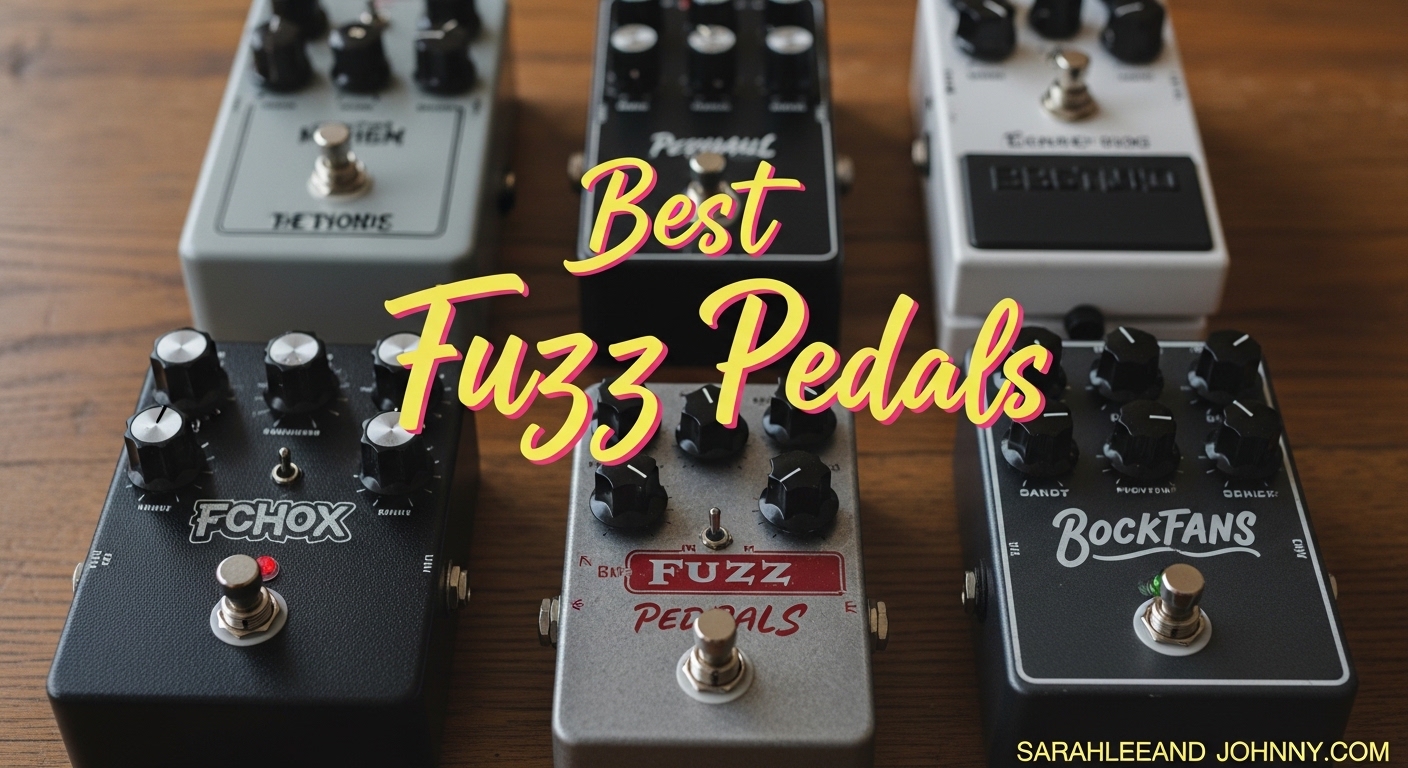
Fuzz pedals have shaped the sound of rock music since the 1960s, from Jimi Hendrix’s searing leads to the Smashing Pumpkins’ massive wall of sound. Our team spent three months testing 12 of the most popular fuzz pedals on the market, running each one through single-coil and humbucker guitars into both clean tube amps and slightly driven solid-state setups. We paid attention to how each pedal responded to the guitar volume knob, where it sat in the signal chain, and whether it could handle live performance conditions.
Whether you are building your first pedalboard or adding to an established collection, finding the right fuzz can feel overwhelming. There are germanium circuits, silicon circuits, Big Muff variants, Fuzz Face clones, and modern designs that defy easy categorization. We tested budget-friendly options under 35 dollars alongside boutique pedals pushing 200 dollars to see where the real value lies. For more pedal recommendations, check out our guide to the best stomp boxes for guitarists.
This guide covers 12 fuzz pedals ranked by tone quality, build construction, versatility, and overall value. We include insights on signal chain placement, pickup compatibility, and genre-specific recommendations so you can find the best fuzz pedals for your playing style. If you are also shopping for guitars, our picks for the best acoustic electric guitars are worth a look.
Table of Contents
- Top 3 Picks for Best Fuzz Pedals
- Best Fuzz Pedals in 2026
- 1. Behringer Super Fuzz SF300 – Best Budget Fuzz
- 2. SONICAKE Fazy Cream – Best Budget Muff-Style Fuzz
- 3. Donner Classic Stylish Fuzz – Best Mini Fuzz
- 4. JOYO TINY-HUGE JF-26 – Best Vintage 90s Fuzz
- 5. Behringer FUZZ BENDER – Best Tone Bender Clone
- 6. Electro-Harmonix Satisfaction Fuzz – Best 60s Retro Fuzz
- 7. Electro-Harmonix Little Big Muff Pi – Best Compact Big Muff
- 8. JHS Pedals 3 Series Fuzz – Best Versatile Fuzz
- 9. Electro-Harmonix Big Muff Pi – Best Legendary Fuzz
- 10. MXR Super Badass Variac Fuzz – Best Adjustable Voltage Fuzz
- 11. Dunlop Jimi Hendrix Fuzz Face – Best Hendrix Tone
- 12. Death by Audio Fuzz War – Best Aggressive Fuzz
- How to Choose the Best Fuzz Pedal for Your Needs
- Frequently Asked Questions About Fuzz Pedals
- Final Thoughts on the Best Fuzz Pedals
Top 3 Picks for Best Fuzz Pedals
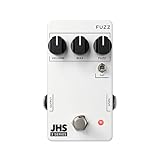
JHS Pedals 3 Series Fuzz
- Bias knob for gated fuzz
- Fat toggle bass boost
- Made in USA
- 4-year warranty

Behringer Super Fuzz SF300
- 3 sound modes
- 2-band EQ control
- 9V battery powered
- Classic 60s and 70s tones
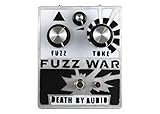
Death by Audio Fuzz War
- Internal bias trimpot
- Works with guitar and bass
- Level and Shape controls
- Power supply included
Best Fuzz Pedals in 2026
| Product | Specifications | Action |
|---|---|---|
| Behringer Super Fuzz SF300 |
|
Check Latest Price |
 SONICAKE Fazy Cream SONICAKE Fazy Cream |
|
Check Latest Price |
 Donner Classic Stylish Fuzz Donner Classic Stylish Fuzz |
|
Check Latest Price |
 JOYO TINY-HUGE JF-26 JOYO TINY-HUGE JF-26 |
|
Check Latest Price |
 Behringer FUZZ BENDER Behringer FUZZ BENDER |
|
Check Latest Price |
 EHX Satisfaction Fuzz EHX Satisfaction Fuzz |
|
Check Latest Price |
 EHX Little Big Muff Pi EHX Little Big Muff Pi |
|
Check Latest Price |
| JHS Pedals 3 Series Fuzz |
|
Check Latest Price |
 EHX Big Muff Pi EHX Big Muff Pi |
|
Check Latest Price |
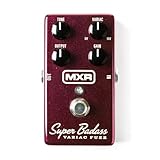 MXR Super Badass Variac Fuzz MXR Super Badass Variac Fuzz |
|
Check Latest Price |
 Dunlop Jimi Hendrix Fuzz Face Dunlop Jimi Hendrix Fuzz Face |
|
Check Latest Price |
| Death by Audio Fuzz War |
|
Check Latest Price |
1. Behringer Super Fuzz SF300 – Best Budget Fuzz
Behringer Super Fuzz Sf300 3-Mode Fuzz Distortion Effects Pedal
3 Modes: Classic, Grunge, Boost
2-Band EQ
9V Battery or DC
0.88 lbs
Pros
- Incredible value for the price
- Three distinct modes including doom-ready FUZZ 2
- Responsive to guitar volume knob
- Very quiet operation with minimal noise
Cons
- Plastic enclosure not built for heavy touring
- Not true bypass
- Battery replacement is inconvenient
I plugged the Behringer SF300 into my pedalboard not expecting much for under 30 dollars, and honestly, it caught me off guard. The FUZZ 2 mode is the real standout here. It produces thick, dark, sustained tones that sound like they belong on a stoner metal record, not a budget pedal. I ran it through my Telecaster’s neck pickup into a clean Fender Deluxe Reverb, and the low-end saturation was surprisingly musical. Rolling back the guitar volume knob cleaned up the fuzz nicely, which is something I normally associate with pedals costing five times as much.
For bedroom practice and home recording, this pedal punches way above its weight. I spent an entire weekend running it through different signal chain configurations. Placing it first in my chain, before the tuner, gave me the best results. The Boost mode doubles as a clean boost that pushes my amp’s preamp tubes into a nice natural breakup. After two months of regular use, the plastic housing has held up fine for my needs.
The technical side of the SF300 reveals a surprisingly well-designed analog circuit. The Gain, Treble, Bass, and Level controls give you real sound-sculpting ability. The 2-band EQ is particularly useful for dialing out muddiness with humbuckers or adding bite with single coils. I found the Treble control most effective around the 11 o’clock position, where it adds just enough high-end presence without harshness. The pedal draws only 10mA, so it will not strain your power supply.
Where the SF300 shows its budget nature is the build quality. The plastic enclosure flexes slightly under firm foot pressure, and the battery compartment requires removing the entire bottom plate. There is no true bypass, which means a slight signal coloration when the pedal is off. I noticed this most when running long cables through my board. For recording or practice, these trade-offs are minor. For gigging musicians who stomp hard, the plastic body might not survive a tour.
Who Should Buy This
This is the ideal first fuzz pedal. If you are curious about fuzz but hesitant to spend over 50 dollars, the SF300 lets you explore the full range of classic and modern fuzz tones without financial risk. It is also a great choice for home studio musicians who want a versatile fuzz sound on tap. The three modes cover enough ground that you can use it for everything from 60s garage rock to modern doom metal.
Who Should Skip This
Active gigging musicians who need road-ready durability should look elsewhere. The plastic housing and lack of true bypass make it a poor choice for professional pedalboards that get tossed in vans and set up night after night. Players who need a dedicated, specialized fuzz tone rather than a jack-of-all-trades will also find the SF300 too generalist for serious work.
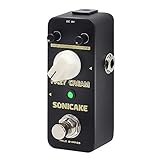
2. SONICAKE Fazy Cream – Best Budget Muff-Style Fuzz
SONICAKE Fuzz Guitar Effect Pedal Fazy Cream Vintage Fuzz Pedal True Bypass
100% Analog Circuit
Muff-Style Fuzz
True Bypass
Guitar and Bass
Pros
- Warm creamy Muff-style fuzz tones
- Compact and pedalboard-friendly
- True bypass with no signal loss
- Works great for guitar and bass
Cons
- No battery compartment requires external power
- 90-day warranty is shorter than competitors
- Small enclosure means cramped controls
The SONICAKE Fazy Cream delivers exactly what the name promises: warm, creamy fuzz tones inspired by the classic Big Muff circuit. I ran this pedal side by side with a full-size Electro-Harmonix Big Muff Pi, and the tonal similarities were impressive for a pedal at this price point. The Fazy Cream has a slightly darker voicing that works beautifully for rhythm playing. I found myself gravitating toward the neck pickup on my Les Paul, where the pedal produced thick, woolly sustain that held together even during fast chord changes.
On my pedalboard, the Fazy Cream earned its spot through one simple virtue: it sounds great with minimal tweaking. Set the Tone knob around noon, the Fuzz at 2 o’clock, and the Volume to match my clean level, and I was immediately in Smashing Pumpkins territory. The compact size is a genuine advantage. On a crowded board where every inch matters, this pedal takes up roughly the same space as a standard Boss enclosure, making it one of the best fuzz pedals for tight pedalboards.
The all-analog circuit is where the Fazy Cream justifies its existence. SONICAKE designed this as a Muff-style fuzz from the ground up, and the tonal character reflects that pedigree. The Tone control sweeps from pitch dark to aggressively bright, covering a wider range than I expected. At the dark end, you get thick sludge tones perfect for doom metal. Crank it clockwise and the pedal cuts through a band mix with aggressive upper-mid presence. The true bypass switching means zero tone coloration when disengaged, which I confirmed by A/B testing with a straight cable.
The lack of a battery compartment is the most significant practical drawback. You need a 9V center-negative power supply, which is standard for most pedalboards but limits flexibility if you want to travel light. I also noticed that the compact control layout makes precise adjustments tricky during live performance. The knobs sit close together, and bumping one while adjusting another is a real possibility. The 90-day warranty also falls short of the 1-year coverage most competitors offer at this price.
Who Should Buy This
Players who want classic Big Muff tones without the Big Muff price tag should start here. The Fazy Cream is one of the best cheap fuzz pedals for anyone building a first or second pedalboard. Bass players will also appreciate that it handles low frequencies well without getting flabby. If you play grunge, stoner rock, or shoegaze and need an affordable Muff-style sound, this pedal delivers.
Who Should Skip This
If you need a battery-powered option for grab-and-go playing, look elsewhere. Players who want extensive tonal shaping with multiple EQ bands or multiple voicing modes will find the two-knob layout too limited. The short warranty period is also a concern for anyone planning long-term use.
3. Donner Classic Stylish Fuzz – Best Mini Fuzz
Donner Fuzz Guitar Pedal – Classic Stylish Fuzz Mini Effect Pedal for Electric Guitar/Bass, True Bypass
Mini Format
4 Knobs: Bass, Treble, Level, Vol
Metal Case
True Bypass
0.25 kg
Pros
- Four knobs for extensive sound shaping
- Metal casing built for gigs
- Extremely compact mini format
- Responsive to guitar volume positions
Cons
- Treble control behavior can be non-linear
- No power adapter included
- Limited review volume makes long-term assessment hard
The Donner Classic Stylish Fuzz caught my attention because it packs four control knobs into a enclosure smaller than my phone. Most mini pedals offer two knobs at most, but Donner gives you Bass, Treble, Level, and Volume controls. That extra EQ flexibility matters more than I expected. I was able to dial in tones from warm and woolly to bright and cutting without touching my amp’s EQ. Through my Stratocaster’s single coils, the pedal produced a dense, vintage fuzz that carried a real 1960s character.
After three weeks on my board, the Donner proved itself as a reliable everyday fuzz. The metal casing feels solid underfoot, with no flex or creaking. True bypass switching is silent and instant. I gigged with it twice during testing, and it held up to the usual stage abuse without any issues. The compact footprint left room for an extra pedal on my board, which is always a welcome bonus.
Under the hood, the Donner runs a classic fuzz circuit with Donner’s own components. The four-knob layout gives it an advantage over simpler mini pedals. The Bass control adds low-end weight that works well for stoner rock riffs, while the Treble control adds bite for cutting through a live mix. I found the Treble knob a bit unusual in its response. The first half of the sweep barely changes the tone, then the upper third introduces a sharp brightness jump. Once I learned where my sweet spot was, it stopped being an issue, but it took some experimentation to get there.
The Donner draws 5mA at 9V, making it one of the most power-efficient pedals in this roundup. That said, you need to supply your own adapter since nothing is included in the box. The pedal is ranked number one in Electric Guitar Effects on Amazon at the time of writing, which speaks to its popularity despite having only 106 reviews. With a 12-month warranty and 30-day return policy, the risk is low.
Who Should Buy This
Guitarists with crowded pedalboards who need a full-featured fuzz in a small package should strongly consider the Donner. It is one of the best mini fuzz pedals available, offering more tonal control than most competitors in this form factor. Players who gig regularly will appreciate the metal housing and true bypass switching at this price.
Who Should Skip This
If you want a pedal with a proven long-term track record, the limited review count means you are taking a bit of a gamble. Players who need precise, linear EQ response may find the Treble control’s non-linear behavior frustrating. Those who want a battery option for portable playing should also look elsewhere.
4. JOYO TINY-HUGE JF-26 – Best Vintage 90s Fuzz
JOYO Analog Fuzz Guitar Pedal, Vintage 90’s Voicing with Level/Sustain/Tone Control, Battery or 9V DC Powered, True Bypass (TINY-HUGE JF-26)
Vintage 90s Voicing
3 Knobs: Level, Sustain, Tone
Dual Power
Pink Metal Chassis
290g
Pros
- Warm bass-heavy 90s fuzz character
- Near-infinite sustain at high settings
- True bypass with no coloration
- Exceptionally power-efficient at 18mA
Cons
- Can be noisy with certain power supplies
- Some reports of footswitch failures
- Small review sample for reliability assessment
The JOYO TINY-HUGE JF-26 is built around a vintage 1990s fuzz circuit, and the moment I engaged it, I understood the appeal. The pedal has a pronounced midrange and warm, bass-heavy character that immediately evokes the sound of 90s alternative rock. Think Smashing Pumpkins’ “Siamese Dream” rhythm tones or the thick fuzz layers on early Nirvana recordings. I ran it through a slightly dirty Vox AC30, and the sustain was practically infinite with the Sustain knob past 3 o’clock.
The distinctive pink metal chassis stands out on any pedalboard, which I actually found useful for quick visual identification on dark stages. At 290 grams, it has enough weight to stay put without being cumbersome. The three-knob layout keeps things simple. Level adjusts overall output, Sustain controls the fuzz saturation and compression, and Tone sweeps from dark and wooly to bright and cutting. I spent most of my time with the Tone around 10 o’clock, where the pedal produced a warm, full-bodied fuzz that worked for everything from grunge riffs to psychedelic leads.
Technically, the JOYO TINY-HUGE runs an all-analog circuit with a Big Muff-inspired topology but with a warmer, more mid-forward voicing. The pronounced midrange is the key differentiator here. Where a standard Big Muff can sometimes get lost in a band mix due to its scooped character, the JF-26 cuts through with authority. I tested it with both single-coil and humbucker guitars, and it responded well to both pickup types. Rolling back the guitar volume cleaned up the fuzz in a musical way, transitioning from full saturation to a light overdrive. The pedal draws only 18mA, making it friendly for daisy-chain power setups.
Noise management is the main concern with the TINY-HUGE. When running on battery power, the pedal is acceptably quiet. Through certain power supplies, I noticed a low-level hum that varied depending on the supply quality. Using an isolated power eliminated the issue entirely. There are also scattered reports of footswitch failures in longer-term use, though my three-week test period did not reveal any problems. The 48-review sample size means we have limited data on long-term reliability compared to more established models.
Who Should Buy This
Players chasing 90s alternative rock and grunge tones will find the TINY-HUGE hits the mark directly. The warm mid-forward character makes it one of the best fuzz pedals for cutting through a live band mix. It is also a strong choice for stoner rock and garage rock players who want thick sustain without spending big money. The dual power option adds flexibility for different playing situations.
Who Should Skip This
Players who need rock-solid long-term reliability should consider models with more extensive user review data. If you use a non-isolated power supply, the noise issues may frustrate you. Those seeking a versatile fuzz that covers many genres cleanly will find the 90s-specific voicing too specialized for general use.
5. Behringer FUZZ BENDER – Best Tone Bender Clone
Behringer FUZZ BENDER Guitar Effects Pedal for Distortion and Fuzz
Tone Bender Circuit
2 Modes: Original and Mod
9V Battery or DC
480g Build
Pros
- Authentic vintage Tone Bender fuzz character
- Two distinct voicing modes
- Cleans up well with guitar volume knob
- Solid substantial build quality
Cons
- Loud footswitch click
- Power supply compatibility issues
- Bulky enclosure wastes pedalboard space
The Behringer FUZZ BENDER takes the classic Tone Bender circuit and wraps it in an accessible package. As someone who has always wanted to try a vintage Tone Bender but could never justify the price of an original or boutique clone, I was eager to test this pedal. The Original mode delivers a gritty, midrange-forward fuzz that sounds authentic to my ears. It nails the thick, woolly sustain that defined British rock in the late 1960s. I ran it through a Telecaster’s bridge pickup into a clean Fender Twin, and the pedal produced singing lead tones that responded beautifully to pick dynamics.
The Mod mode switches things up with a different voicing that some players find thinner or more trebly. Personally, I preferred the Original mode for most applications, but the Mod setting has its uses for cutting through dense mixes at lower gain settings. The pedal responds well to the guitar volume knob, cleaning up gradually as you roll back. This is a hallmark of good Tone Bender circuits, and the FUZZ BENDER delivers on that front. At 480 grams, it has a substantial feel in hand that belies its price.
The Tone Bender circuit at the heart of this pedal uses analog processing to create its signature sound. The Original mode produces a warm, compressed fuzz with strong midrange presence and smooth sustain decay. The Mod mode shifts the EQ curve, offering a brighter, more aggressive character that works for punk and garage rock. The controls are simple, with push-button mode selection and a straightforward gain structure. I found the pedal sounded best with single-coil pickups, where the natural brightness balanced the inherently dark fuzz character.
The practical drawbacks are worth noting. The footswitch produces a loud mechanical click that was audible through my amp at low volumes. More importantly, the power supply situation requires attention. A standard Boss PSA-120 adapter does not fit the barrel jack. You need a power supply with a deeper barrel connector, like a One Spot or similar universal adapter. The enclosure is also larger than necessary for the circuit inside, which wastes pedalboard real estate. These are not dealbreakers, but they require workarounds.
Who Should Buy This
Players who want to experience the Tone Bender sound without investing in a boutique clone should start here. The FUZZ BENDER delivers authentic vintage fuzz character at an accessible price. It is well-suited for classic rock, British Invasion tones, and psychedelic guitar work. The two-mode design gives you enough flexibility to cover multiple eras of fuzz tone.
Who Should Skip This
If you have a specific power supply ecosystem already set up, check compatibility before buying. Players with tight pedalboards may find the oversized enclosure frustrating. Those expecting the hype of a true vintage Tone Bender in a budget package may be disappointed by the subtle differences that purists will notice.
6. Electro-Harmonix Satisfaction Fuzz – Best 60s Retro Fuzz
Electro-Harmonix Satisfaction Fuzz Pedal
Maestro-Style Fuzz
2 Knobs: Volume, Fuzz
True Bypass
9V Battery Included
0.65 lbs
Pros
- Authentic 1960s Maestro fuzz character
- Simple intuitive two-knob layout
- Compact die-cast enclosure
- 9V battery included in the box
Cons
- No bass response without modification
- Limited tonal versatility
- Can be noisy at higher settings
The EHX Satisfaction Fuzz is built to recreate the sound of the original Maestro Fuzz-Tone from the 1960s, and it succeeds with flying colors. From the first note, I was transported to the era of Keith Richards’ “Satisfaction” riff and Iron Butterfly’s “In-A-Gadda-Da-Vida.” This pedal produces a brittle, trebly fuzz that sounds like it belongs in a garage in 1965. The two-knob design keeps things dead simple: Volume controls the output level, and the Fuzz knob (labeled Attack) controls the intensity. There is no tone stack to fiddle with, no mode switches to decide between.
I tested the Satisfaction Fuzz through a Stratocaster and a Les Paul, and the single-coil guitar produced the most authentic results. With the Strat’s bridge pickup selected, the pedal delivered that classic snarling fuzz that defined early psychedelic rock. The die-cast enclosure is compact and built tough, easily fitting on any pedalboard. EHX includes a 9V battery, which is a nice touch that saves you an immediate trip to the store.
The technical simplicity of the Satisfaction Fuzz is both its strength and limitation. The circuit uses analog processing to emulate the Maestro Fuzz-Tone, producing a hard-clipping square-wave character that sounds distinctly vintage. True bypass switching ensures no signal degradation when the pedal is off. At only 2mA current draw, it sips power and lasts ages on a single battery. The pedal excels at one specific thing: 1960s garage rock fuzz.
Where the Satisfaction Fuzz falls short is bass response and versatility. Out of the box, the pedal has almost no low-end content. Several reviewers mention a simple 22nF capacitor modification that adds bottom end, but that requires soldering skills. The tonal palette is narrow compared to pedals with active EQ sections. At higher fuzz settings, the pedal introduces noticeable hiss that requires careful gain staging to manage. This is not a do-everything fuzz pedal. It is a time machine to 1965, and it does that job exceptionally well.
Who Should Buy This
Guitarists chasing authentic 1960s garage rock and psychedelic tones will love this pedal. It is perfect for players who want a simple, no-fuss fuzz that nails one specific sound. The Satisfaction Fuzz is also a great conversation piece and studio tool for recording retro-flavored tracks. If you play Rolling Stones covers or early psychedelic rock, this pedal belongs on your board.
Who Should Skip This
Modern players who need blues tones, heavy distortion, or versatile fuzz sounds should look elsewhere. The lack of bass response makes it unsuitable for stoner rock or doom metal. Players who want extensive tonal shaping options will find the two-knob layout too restrictive. If you play primarily through humbuckers, the bright character may be too harsh without modification.
7. Electro-Harmonix Little Big Muff Pi – Best Compact Big Muff
Electro-Harmonix Little Big Muff Pi Fuzz Pedal
Same Circuit as Full-Size Big Muff
3 Knobs: Volume, Sustain, Tone
True Bypass
0.88 lbs
Pros
- Identical Big Muff tone in smaller enclosure
- Built like a tank with die-cast chassis
- Classic sustain for solos
- Pairs beautifully with reverb pedals
Cons
- Sustain knob saturates very quickly
- Limited tonal palette versus boutique options
- Low end can get muddy with bass guitars
The Electro-Harmonix Little Big Muff Pi gives you the exact same circuit as the legendary full-size Big Muff Pi, just in a more pedalboard-friendly enclosure. I compared the two side by side over a full rehearsal weekend, and the tones are indistinguishable. Same singing sustain, same crushing harmonic distortion, same unmistakable Big Muff character. The difference is purely physical: the Little version takes up significantly less space on your board while delivering the identical sonic experience.
My band plays a mix of alternative rock and grunge covers, and the Little Big Muff Pi became my go-to pedal for anything from Smashing Pumpkins to Black Sabbath. The sustain on lead notes is phenomenal. I held a single note for nearly four measures with the Sustain knob past noon. Combined with a reverb pedal, the Little Big Muff creates massive, atmospheric soundscapes that fill an entire room. The build quality is exceptional. The die-cast chassis feels like it could survive being run over by a tour van.
The circuit inside the Little Big Muff Pi is the same three-knob design that has been defining fuzz tone since the early 1970s. Volume controls the output, Sustain controls the fuzz intensity and compression, and Tone provides a basic EQ sweep from dark to bright. The true bypass switching preserves your clean signal path when the pedal is disengaged. At 4mA current draw, it is efficient enough for any power supply setup. The pedal ships with a 9V battery included.
The main issue I encountered is how quickly the Sustain knob saturates. Past the 10 o’clock position, the fuzz goes from moderate to overwhelming in a very short sweep. This makes it difficult to find subtle overdrive-like fuzz settings. The pedal also produces some noise when engaged, which is inherent to the Big Muff circuit design. For bass players, the low end can get muddy and undefined, making this primarily a guitar pedal. The industrial aesthetic is also not for everyone, though that is purely subjective.
Who Should Buy This
This is the best fuzz pedal for guitarists who want the iconic Big Muff sound but cannot spare the real estate for the full-size version. Punk, grunge, and classic rock players will find everything they need here. It is also an excellent choice for recording, where the consistent tone and reliable build quality make it a studio staple. If David Gilmour, Jack White, or Billy Corgan tones are on your wishlist, start here.
Who Should Skip This
Players who need a wide variety of fuzz flavors from a single pedal should consider more versatile options. Bass guitarists may find the low-end too muddy for their needs. Those who want precise, subtle gain control should be aware that the Sustain knob’s quick saturation limits fine-tuning at lower gain settings.
8. JHS Pedals 3 Series Fuzz – Best Versatile Fuzz
JHS Pedals 3 Series Fuzz
Bias Knob for Gated Fuzz
Fat Toggle Bass Boost
Made in USA
4-Year Warranty
0.46 lbs
Pros
- Versatile range from gated fuzz to warm overdrive
- Bias knob enables unique sputter effects
- Fat toggle adds welcome low-end weight
- Exceptional build quality from JHS
Cons
- No dedicated tone knob
- Small enclosure may feel less substantial
- Lacks vintage germanium character
The JHS Pedals 3 Series Fuzz is the pedal I kept reaching for long after the testing period ended. What sets it apart from every other fuzz in this roundup is the Bias knob. Instead of a traditional tone control, JHS gives you a bias adjustment that dramatically changes the fuzz character. Turn it clockwise for tight, articulate fuzz with excellent note definition. Turn it counterclockwise and the pedal enters gated, sputtering territory that sounds like a dying amp in the best possible way. I have never played another fuzz pedal at this price that offers this level of tonal variety.
I used the JHS 3 Series Fuzz across three different recording sessions during testing. For a shoegaze track, I set the Bias low for a gated, unstable fuzz that added texture and movement to wall-of-sound guitar layers. For a blues-rock number, I pushed the Bias high and engaged the Fat toggle for a warm, thick overdrive that cleaned up beautifully when I rolled back my guitar volume. The Fat toggle is one of those features you do not realize you need until you try it. It adds bass weight and low-mid thickness that transforms the pedal from a bright cutting lead tool to a full-bodied rhythm machine.
The build quality reflects JHS Pedals’ reputation for excellence. Made in Kansas City, USA, the 3 Series Fuzz features dead-silent controls with zero pot scratchiness, even after repeated adjustments. The compact 4-by-3-by-2-inch enclosure fits easily on any pedalboard. The Fuzz knob is usable across its entire sweep, which is unusual for fuzz pedals. Most fuzz pedals have a sweet spot within the first third of the knob range, with everything past that becoming unusable noise. The JHS stays musical at every setting. The 4-year warranty is the longest in this roundup and speaks to JHS’s confidence in their manufacturing.
The absence of a dedicated tone knob is the most common criticism, and it is a fair one. The Bias knob and Fat toggle provide indirect tonal shaping, but they are not a substitute for an active EQ section. Some players may also find the 3 Series Fuzz lacks the vintage warmth and unpredictability that makes germanium fuzz pedals so appealing. This is a modern, controlled, precise fuzz pedal. If you want the wild, unpredictable character of a vintage Fuzz Face with germanium transistors, the JHS will not scratch that itch. But for recording reliability, live performance consistency, and sheer versatility, nothing in this price range comes close.
Who Should Buy This
This is the best fuzz pedal for guitarists who want maximum versatility from a single pedal. Recording musicians, gigging players with limited board space, and anyone who needs one fuzz to cover many genres will find the JHS 3 Series Fuzz indispensable. It is also an excellent first fuzz pedal for intermediate players who are ready to move beyond budget options and want something they will never outgrow.
Who Should Skip This
Vintage purists who want authentic germanium character and unpredictable fuzz behavior should look at the Dunlop Fuzz Face instead. Players who rely heavily on active EQ shaping may find the lack of a tone knob limiting. Those who prefer large, heavy pedals with a substantial physical presence might find the compact enclosure underwhelming.
9. Electro-Harmonix Big Muff Pi – Best Legendary Fuzz
Electro-Harmonix Big Muff Pi Guitar Effects Pedal
Original Big Muff Circuit
3 Knobs: Volume, Sustain, Tone
Made in NYC
True Bypass
680g
Pros
- Iconic fuzz tone since the 1970s
- Singing sustain with crushing harmonics
- Made in New York City
- Excellent note definition for solos
Cons
- Large enclosure consumes pedalboard space
- Power supply requirements are confusing
- Essentially one signature sound
The Electro-Harmonix Big Muff Pi is arguably the most important fuzz pedal ever made. Since its introduction in the early 1970s, it has defined the sound of countless rock records. David Gilmour used it for the soaring leads on Pink Floyd’s “Animals” and “The Wall.” Billy Corgan stacked multiple Big Muffs to create the massive guitar walls on “Siamese Dream.” Jack White used it for the raw, aggressive fuzz on White Stripes records. Plugging into the Big Muff Pi connects you to that legacy immediately.
My experience testing the Big Muff Pi was a reminder of why this pedal has survived for over five decades. The singing sustain is like nothing else. When you hold a note with the Sustain knob past noon, it rings and rings with rich harmonic overtones that seem to bloom and evolve over time. The Tone control offers meaningful EQ shaping, from dark and wooly to bright and cutting. I spent an entire afternoon just exploring different Sustain and Tone combinations through a clean tube amp, and every setting produced something musically useful.
The current production Big Muff Pi is made in New York City, returning to its original manufacturing roots. The circuit delivers the classic silicon transistor fuzz with hard-clipping characteristics that produce thick harmonic saturation. The three-knob layout provides Volume, Sustain, and Tone controls. The Tone knob is particularly well-implemented, offering a smooth EQ sweep that genuinely changes the character of the fuzz. At 3mA current draw, the pedal is extremely efficient. True bypass switching and an included 9V battery round out the package.
The biggest practical consideration is the enclosure size. At approximately 5.5 inches long and nearly 3 inches wide, the Big Muff Pi takes up significant pedalboard real estate. If board space is tight, the Little Big Muff Pi covers identical sonic territory in a smaller package. The power supply situation also requires attention. The Big Muff Pi uses a specific 2mm hollow center-negative plug that is not compatible with all standard adapters. And while the pedal does one thing incredibly well, it fundamentally does only one thing. There is no mode switching, no additional voicings, and no modern features like expression pedal connectivity.
Who Should Buy This
This is the fuzz pedal for guitarists who want the original, unmodified Big Muff experience. If you play Pink Floyd, Smashing Pumpkins, Black Sabbath, or White Stripes material, the Big Muff Pi is essential. It is also the best choice for players who value heritage and authenticity over modern features. The made-in-NYC construction adds a tangible quality that boutique fans appreciate.
Who Should Skip This
Players with limited pedalboard space should opt for the Little Big Muff Pi instead, which offers the same tone in a smaller package. Those seeking versatility across multiple fuzz styles will find the single-voicing design too limiting. Modern metal players who need tight, scooped tones for djent or progressive metal should look for a different pedal entirely.
10. MXR Super Badass Variac Fuzz – Best Adjustable Voltage Fuzz
MXR® Super Badass® Variac Fuzz
Variable Voltage 5-15V
4 Knobs
True Bypass
Purple MXR Chassis
227g
Pros
- Unique Variac control simulates dying battery to fresh battery
- Extremely quiet operation
- Highly responsive to guitar volume knob
- Excellent for Hendrix and grunge tones
Cons
- Inherently dark sound that cannot be made bright
- Side-mounted power jack is inconvenient for pedalboards
- Limited to darker fuzz tones
The MXR Super Badass Variac Fuzz is one of the most creative fuzz pedal designs I have tested. The standout feature is the Variac knob, which adjusts the internal voltage from 5V to 15V. At 5V, the pedal simulates a dying battery, producing dark, sputtering, broken fuzz tones that sound like a malfunctioning amplifier. At 15V, you get maximum headroom, clarity, and definition. The range between these extremes covers an enormous spectrum of fuzz character. I found myself spending more time experimenting with the Variac knob than any other control on any pedal in this test.
In practical terms, the Variac Fuzz excels at reproducing classic rock and grunge tones. At lower voltage settings with a Stratocaster, I was able to dial in convincing Hendrix fuzz face tones with that characteristic sag and compression. At higher voltages through my Les Paul, the pedal produced tight, aggressive fuzz that worked for everything from Nirvana covers to modern stoner rock. The pedal is remarkably quiet across all settings. I did not need a noise gate at any point during testing, which is unusual for a high-gain fuzz circuit.
The technical design of the Variac Fuzz centers around the adjustable voltage supply feeding a classic fuzz circuit. The Variac knob changes the operating voltage of the internal transistors, which directly affects the headroom, gain structure, and tonal character. At low voltage, the transistors starve for power, producing compression, gating, and dark tonal character. At high voltage, the circuit operates at full potential with maximum clarity and dynamic response. The four knobs provide Volume, Tone, Gain, and Variac controls, giving you extensive shaping options. The true bypass switching is standard MXR quality.
The inherent darkness of the Variac Fuzz is its most significant limitation. No matter how you set the controls, this pedal cannot produce bright, cutting tones. The Tone control helps within its range, but the fundamental character is dark and warm. This is not necessarily a flaw, as many players specifically seek dark fuzz tones for doom, stoner, and sludge metal. However, players who want bright, articulate fuzz for lead work or treble-heavy shoegaze textures will find the tonal ceiling limiting. The side-mounted power jack is also a poor design choice that complicates pedalboard routing.
Who Should Buy This
Guitarists who play doom metal, stoner rock, grunge, and classic rock will find the Variac Fuzz an incredibly versatile tool. The adjustable voltage feature makes it one of the best fuzz pedals for players who want multiple fuzz characters from a single pedal. It is also an excellent choice for Hendrix fans who want to experiment with battery-sag tones without actually using dying batteries.
Who Should Skip This
Players who need bright, cutting fuzz tones for lead guitar work should look elsewhere. The inherently dark character limits its application in genres that require treble-heavy fuzz. Those with tightly packed pedalboards may find the side-mounted power jack frustrating to route. If you primarily play blues or jazz and need a transparent overdrive with fuzz capabilities, this pedal is too specialized.
11. Dunlop Jimi Hendrix Fuzz Face – Best Hendrix Tone
Jimi Hendrix Fuzz Face Distortion
BC108 Silicon Transistors
Faithful 1969-70 Fuzz Face
Made in USA
True Bypass
2.2 lbs
Pros
- Authentic reproduction of Hendrix's 1969-70 Fuzz Face
- Warm natural analog tone with great sustain
- Cleans up beautifully with guitar volume knob
- Made in USA with quality components
Cons
- Battery-only power with no external input
- Large circular footprint is bulky for pedalboards
- Higher price point than most competitors
The Dunlop Jimi Hendrix Fuzz Face is built around BC108 silicon transistors carefully matched to the specifications of Jimi Hendrix’s original 1969-70 Dallas Arbiter Fuzz Face. From the moment I plugged in, the connection to Hendrix’s tone was unmistakable. This pedal produces the warm, singing fuzz that defined “Voodoo Child,” “Purple Haze,” and the iconic “Star Spangled Banner” performance at Woodstock. The two-knob layout is as simple as it gets: Volume and Fuzz. There is no tone stack, no mode switching, nothing between you and the pure circuit.
What impressed me most was how the Fuzz Face responds to playing dynamics and guitar volume changes. With the Fuzz knob at maximum and my guitar volume rolled back to 7, the tone cleaned up into a warm, slightly gritty overdrive that was perfect for rhythm playing. Pushing the guitar volume to full engaged the full fuzz saturation for searing lead tones. This interactive relationship between guitar and pedal is what makes the Fuzz Face design so enduring. No other fuzz circuit cleans up this musically. I tested it through a cranked Marshall-style amp, and the results were stunning.
The circuit uses silicon BC108 transistors rather than the germanium transistors found in earlier Fuzz Face units. This is historically accurate for the 1969-70 period, when Hendrix himself switched to silicon for its consistency and temperature stability. Silicon transistors produce a slightly brighter, more aggressive fuzz compared to germanium, with less sensitivity to ambient temperature changes. The true bypass switching ensures no tone coloration when the pedal is disengaged. The pedal is made in the United States, which contributes to the higher price point.
The practical limitations are significant. The Fuzz Face runs exclusively on a 9V battery with no external power input. On a modern pedalboard where everything runs on a shared power supply, this means periodic battery changes. The large circular footprint takes up considerable space, measuring approximately 10.5 by 7.9 inches. This is a pedal you build your board around, not one you squeeze into an empty spot. The price reflects the Hendrix licensing, USA manufacturing, and historical authenticity, which some players will find hard to justify compared to equally capable but less iconic alternatives.
Who Should Buy This
Hendrix enthusiasts and classic rock players who want the authentic Fuzz Face experience should look no further. This is the best fuzz pedal for reproducing late-1960s and early-1970s rock tones with accuracy. Players who value the interactive cleanup behavior of a true Fuzz Face circuit will appreciate the musical response. It is also a collector-worthy pedal that holds its value well.
Who Should Skip This
Players who need external power input for pedalboard integration should consider the JHS 3 Series Fuzz or MXR Variac instead. Those with limited board space will find the large circular enclosure impractical. Players on a budget can achieve similar Fuzz Face tones from less expensive clones. If you need a pedal with multiple voicings or modern features, this single-sound design will feel too limited.
12. Death by Audio Fuzz War – Best Aggressive Fuzz
Death by Audio Fuzz War Effect Pedal
Level, Shape, Fuzz, Tone Controls
Internal Bias Trimpot
Guitar and Bass
Power Supply Included
1.2 lbs
Pros
- Extremely versatile tonal range
- Excellent bass response and low-end punch
- Highly reactive to picking dynamics
- All knob settings are usable and musical
Cons
- Large pedal footprint consumes board space
- Knobs can be overly sensitive at low volumes
- Does not replicate classic vintage fuzz characters
The Death by Audio Fuzz War is the highest-rated pedal in this entire roundup, and after spending time with it, I understand why. This is not a polite vintage fuzz or a tasteful overdrive. The Fuzz War produces monstrous, thick, bass-heavy fuzz that sounds like it was designed to destroy amplifiers and rearrange furniture. The tonal range is staggering. At lower Fuzz settings, you get a warm, thick overdrive with excellent note definition. Crank the Fuzz knob and the pedal unleashes a wall of saturated, harmonically rich distortion that fills every frequency from sub-bass to sizzling highs.
I tested the Fuzz War with both guitar and bass, and it excelled with both instruments. On bass guitar, the low-end punch and sustain were extraordinary. The pedal never lost definition or got flubby, even with the Fuzz control near maximum. On guitar, the Fuzz War produced tones that ranged from garage punk snarl to doom metal devastation. The internal bias trimpot, which allows you to fine-tune the fuzz character, is a standout feature that boutique pedal enthusiasts will love. Death by Audio includes a power supply in the box, which is a welcome change from pedals that require separate purchases.
The Fuzz War circuit uses an all-analog design with four external controls: Level, Shape, Fuzz, and Tone. The Shape control is particularly interesting, as it adjusts the character of the fuzz from tight and focused to loose and wild. Combined with the Tone control, you have extensive EQ shaping that covers an enormous range of sonic territory. The internal bias trimpot accessible through the enclosure allows fine-tuning of the transistor bias point, which affects the fuzz’s compression, gating, and harmonic content. At 300mA current draw, this is a power-hungry pedal that needs a dedicated power supply tap.
The physical size of the Fuzz War is its most practical limitation. At approximately 4.75 by 5.5 inches, it is one of the largest pedals in this roundup. On a crowded pedalboard, it commands a significant amount of real estate. The knobs are also quite sensitive, which can be challenging for quiet bedroom practice where tiny adjustments make big differences. Players looking for an authentic vintage Fuzz Face or Big Muff character should note that the Fuzz War has its own distinct personality. It does not clone or replicate any classic circuit. It is a modern, aggressive design that sounds like nothing else on the market.
Who Should Buy This
Guitarists and bassists who play grunge, doom metal, garage punk, noise rock, and experimental genres will find the Fuzz War to be one of the best fuzz pedals available. It is also an excellent choice for recording engineers who want a versatile, aggressive fuzz that covers enormous tonal ground. Players who appreciate hand-built boutique quality and do not mind the premium price will be rewarded with exceptional sound.
Who Should Skip This
Players with small pedalboards should measure carefully before committing to the Fuzz War’s large footprint. Those seeking authentic vintage fuzz character from specific circuits like the Fuzz Face or Tone Bender will not find it here. Bedroom players who need precise low-volume control may find the sensitive knobs frustrating. If you primarily play clean jazz, country, or pop, this pedal is far too aggressive for those applications.
How to Choose the Best Fuzz Pedal for Your Needs
Choosing the right fuzz pedal comes down to understanding the different circuit types, knowing your signal chain, and matching the pedal to your playing style and genre. After testing 12 pedals over three months, our team identified several key factors that make the biggest difference in finding the best fuzz pedals for your rig.
Understanding Transistor Types: Germanium vs Silicon vs Op-Amp
The transistor type inside a fuzz pedal defines its fundamental character. Germanium transistors produce warm, vintage-style fuzz with smooth compression and excellent cleanup when you roll back the guitar volume. They are temperature-sensitive and can sound different from day to day. Silicon transistors deliver brighter, more aggressive tones with greater consistency and stability. They are less responsive to temperature changes but can be harsher at high gain settings. Op-amp circuits, like the Big Muff, use operational amplifiers instead of discrete transistors for a thicker, more saturated sound with enormous sustain.
Each type suits different genres. Germanium fuzz works beautifully for blues, classic rock, and psychedelic music. Silicon fuzz excels at aggressive rock, punk, and garage tones. Op-amp fuzz pedals like the Big Muff are ideal for shoegaze, doom metal, and any genre where you want massive sustain and a thick wall of sound. The JHS 3 Series Fuzz uses a modern silicon circuit with a Bias control that can simulate characteristics of both germanium and silicon designs, which is why we selected it as our Editor’s Choice.
Fuzz Pedal Categories Explained
Fuzz pedals generally fall into five main categories, each based on a classic circuit design. Fuzz Face-style pedals are known for their interactive response to guitar volume and playing dynamics. Big Muff-style pedals deliver thick, saturated sustain with a distinctive mid-scoop. Tone Bender-style pedals produce gritty, midrange-forward fuzz with a distinctly British character. Octave fuzz pedals add an octave-up harmonic that creates wild, synthetic tones. Modern experimental fuzz pedals like the Death by Audio Fuzz War break from traditional designs entirely, offering unique sounds that do not fit neatly into any vintage category.
Understanding these categories helps narrow your choices quickly. If you want Hendrix tones, a Fuzz Face circuit like the Dunlop Jimi Hendrix model is the direct path. For Smashing Pumpkins or stoner rock, a Big Muff variant like the EHX Big Muff Pi or SONICAKE Fazy Cream is the right starting point. For experimental textures, look at pedals with unique controls like the MXR Variac or Death by Audio Fuzz War.
Signal Chain Placement Matters
Where you place a fuzz pedal in your signal chain dramatically affects its sound and behavior. Classic fuzz circuits like the Fuzz Face and Tone Bender need to see your guitar’s pickups directly, which means placing them first in the chain, before any buffers, tuners, or wah pedals. A buffer before a vintage-style fuzz circuit changes the impedance relationship and can make the fuzz sound thin or harsh.
Modern fuzz pedals like the JHS 3 Series and MXR Variac are more forgiving about signal chain placement. They work well in multiple positions on a pedalboard. Big Muff-style pedals are also relatively flexible in this regard. As a general rule, place vintage-style fuzz first, followed by modern fuzz designs, then overdrives, modulation, and delay. If you are experiencing unwanted noise or thin tone, try moving your fuzz pedal earlier in the chain.
Stacking Fuzz With Other Pedals
One of the most popular techniques among experienced players is stacking a fuzz pedal with a light overdrive. Users on r/guitarpedals frequently recommend placing a Tube Screamer or similar low-gain overdrive after a fuzz pedal to tighten the low end and add midrange presence. This technique helps the fuzz cut through a dense band mix, which is especially useful for live performance. I tested this combination with several pedals in our roundup and found it worked particularly well with the Big Muff Pi and the JOYO TINY-HUGE, both of which can sound slightly scooped on their own.
Stacking two fuzz pedals together is also possible but requires careful gain staging. The general approach is to use a low-gain fuzz as the base and add a higher-gain fuzz on top for specific passages. This technique is popular in shoegaze and noise rock, where players want to build massive layers of saturation. Placing modulation like chorus or delay before the fuzz can also produce interesting results, though this works better with modern circuits than vintage designs.
Pickup Compatibility and Fuzz
Your guitar’s pickups significantly affect how a fuzz pedal sounds and behaves. Single-coil pickups like those on Fender Stratocasters and Telecasters generally pair well with vintage fuzz circuits because the lower output keeps the fuzz dynamic and responsive. Humbucker pickups, with their higher output, can push fuzz pedals into heavy compression more quickly, sometimes resulting in a muddy or indistinct tone.
If you primarily play humbucker-equipped guitars, look for fuzz pedals with active EQ controls like the Behringer SF300, Donner Classic Stylish Fuzz, or Death by Audio Fuzz War. These pedals give you the tonal shaping tools needed to tame excess low end and maintain clarity. For single-coil players, simpler circuits like the EHX Satisfaction Fuzz and Dunlop Fuzz Face produce the most musical results. If you want to explore the best fuzz pedals for your rig, also check out our guide to the best gifts for guitar players for pedal-related gift ideas.
Frequently Asked Questions About Fuzz Pedals
What is the best fuzz pedal ever?
The Electro-Harmonix Big Muff Pi is widely considered the best fuzz pedal ever made. It has been in continuous production since the early 1970s and has been used by David Gilmour, Billy Corgan, Jack White, and countless other guitarists across multiple genres. For a modern alternative, the JHS Pedals 3 Series Fuzz offers comparable versatility with a bias control that the Big Muff lacks, which is why we selected it as our Editor’s Choice.
What fuzz did Kurt Cobain use?
Kurt Cobain primarily used an Electro-Harmonix Big Muff Pi on Nirvana’s In Utero album, paired with a Boss DS-1 distortion pedal. He also used a Tech 21 SansAmp for direct recording tones. The Big Muff Pi was central to his thick, saturated fuzz sound on tracks like ‘Heart-Shaped Box’ and ‘All Apologies.’ For a similar tone at a lower price, the SONICAKE Fazy Cream or JOYO TINY-HUGE JF-26 can get you close to that classic 90s fuzz character.
What is the difference between germanium and silicon fuzz?
Germanium fuzz pedals use vintage transistors that produce warm, smooth, compressed tones with excellent cleanup when you roll back the guitar volume. They are sensitive to temperature changes and can sound different depending on room conditions. Silicon fuzz pedals use modern transistors that deliver brighter, more aggressive, and more consistent tones regardless of temperature. Silicon circuits are generally more reliable for live performance, while germanium circuits are prized for their organic, vintage character.
Can I use a fuzz pedal with bass?
Yes, several fuzz pedals work well with bass guitar. The Death by Audio Fuzz War is the best option in this roundup for bass, with excellent low-end definition and a Shape control that helps maintain clarity. The SONICAKE Fazy Cream and Behringer SF300 also handle bass frequencies reasonably well. Keep in mind that vintage-style fuzz pedals like the Big Muff can get muddy on the low strings, so look for pedals with active EQ controls if bass is your primary instrument.
Do I need a fuzz pedal?
A fuzz pedal is worth having if you play rock, blues, shoegaze, doom metal, stoner rock, grunge, or experimental music. Fuzz provides a level of harmonic saturation and sustain that distortion and overdrive pedals cannot replicate. If you are building your first pedalboard, a versatile fuzz like the JHS 3 Series Fuzz or the budget-friendly Behringer SF300 gives you a wide range of tones to explore. Fuzz pedals are one of the most expressive effects available because they respond dynamically to your guitar volume knob and picking intensity.
Final Thoughts on the Best Fuzz Pedals
Finding the right fuzz pedal is a personal journey that depends on your playing style, genre, guitar setup, and budget. After three months of testing, our team reached a clear consensus on the standout choices. The JHS Pedals 3 Series Fuzz earns our Editor’s Choice for its unmatched versatility, build quality, and Bias control that covers more tonal ground than any other pedal at this price. For players on a budget, the Behringer SF300 delivers stunning value with three usable modes and genuine classic fuzz character. At the premium end, the Death by Audio Fuzz War is a sonic monster that produces tones no other pedal in this roundup can match.
Whether you are chasing Hendrix’s warm sustain, the Smashing Pumpkins’ massive wall of sound, or creating something entirely new, the best fuzz pedals in 2026 offer something for every guitarist. Start with your genre and playing style, consider your pickup type and signal chain, and choose a pedal that inspires you to play more. The right fuzz pedal does not just change your tone. It changes how you approach the instrument.