

Finding the best groovebox samplers in 2026 means sorting through a market packed with options ranging from pocket-sized toys to professional workstations costing over a thousand dollars. Whether you are building a DAWless setup, performing live, or just want something fun for the couch, the right groovebox can completely change how you make music.
Our team spent weeks testing and researching the top hardware grooveboxes on the market. We compared specs, read through hundreds of real user reviews, and dug into community discussions on Reddit, Gearspace, and Elektronauts to figure out which models actually deliver. This guide covers 10 groovebox samplers across every budget, from the $99 Teenage Engineering PO-35 to the $1099 Elektron Digitakt II.
A groovebox sampler is an all-in-one electronic music instrument that combines audio sampling, sequencing, effects, and sometimes synthesis in a single hardware unit. Unlike a basic drum machine or standalone sampler, a groovebox lets you create complete tracks, chain patterns into songs, and perform live, all without opening your laptop. Some musicians even use these FM-based grooveboxes like the Elektron Model:Cycles alongside traditional synths for a richer palette.
We organized this guide to help you make a quick decision or take a deep approach. You will find our top 3 picks right up front, followed by a full comparison table, individual hands-on reviews, a detailed buying guide, and an FAQ section answering the most common questions producers ask before buying.
Table of Contents
- Top 3 Picks for Best Groovebox Samplers
- Best Groovebox Samplers in 2026
- 1. Elektron Model:Samples Six Track Sample Based Groovebox
- 2. Novation Circuit Tracks Groovebox
- 3. Roland AIRA Compact P-6 Creative Sampler
- 4. Elektron Digitakt II 16-Track Sampler
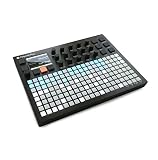
- 5. Polyend Play Audio and MIDI Sampler Groovebox
- 6. Akai Professional MPC One G2 Standalone Production Center
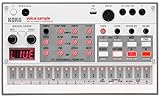
- 7. Korg Volca Sample 2 Digital Sample Sequencer
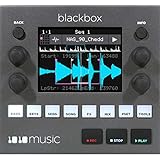
- 8. 1010 Music Blackbox Compact Sampling Studio
- 9. Roland MC-707 Professional Music Production Workstation
- 10. Teenage Engineering PO-35 Speak Vocal Synthesizer and Sampler
- How to Choose the Right Groovebox Sampler
- FAQs
- What is a groovebox sampler?
- What is the best groovebox for beginners?
- What is the best budget groovebox sampler?
- What is the best groovebox for live performance?
- Can you use a groovebox without a computer?
- What is the difference between a sampler and a groovebox?
- What is the best groovebox under $700?
- What groovebox has the best sampling capabilities?
- Conclusion
Top 3 Picks for Best Groovebox Samplers


Novation Circuit Tracks
- 2 synth + 4 drum tracks
- Rechargeable battery
- 32-step sequencer
- MIDI in/out/thru
Best Groovebox Samplers in 2026
| Product | Specifications | Action |
|---|---|---|
| Elektron Model:Samples |
|
Check Latest Price |
| Novation Circuit Tracks |
|
Check Latest Price |
 Roland AIRA Compact P-6 Roland AIRA Compact P-6 |
|
Check Latest Price |
 Elektron Digitakt II Elektron Digitakt II |
|
Check Latest Price |
 Polyend Play Polyend Play |
|
Check Latest Price |
 Akai MPC One G2 Akai MPC One G2 |
|
Check Latest Price |
| Korg Volca Sample 2 |
|
Check Latest Price |
 1010 Music Blackbox 1010 Music Blackbox |
|
Check Latest Price |
 Roland MC-707 Roland MC-707 |
|
Check Latest Price |
 Teenage Engineering PO-35 Speak Teenage Engineering PO-35 Speak |
|
Check Latest Price |
1. Elektron Model:Samples Six Track Sample Based Groovebox
Elektron Model:Samples Six Track Sample Based Groovebox
6 sample tracks
64MB sample memory
1GB storage
96 projects x 96 patterns
MIDI I/O
Pros
- Great build quality
- Parameter locking per step
- 1GB sample storage
- Easy to load samples
- Excellent value for money
- Pairs well with other Elektron gear
Cons
- Cannot sample directly
- No built-in mic or input sampling
- Learning curve exists
- Pads feel stiff
I spent a solid month with the Elektron Model:Samples, and it quickly became my go-to couch production tool. The six-track architecture feels limiting on paper, but once you understand parameter locks and sample locking, you can squeeze an enormous amount of variation from those six tracks. Loading samples through the free Transfer app is straightforward, and the 1GB of storage holds more than enough for full project builds.
The build quality impressed me right away. At 1.8 pounds with a sturdy plastic body, it feels like a proper instrument, not a toy. The velocity-sensitive pads do run a bit stiff compared to Akai MPC pads, but they are responsive enough for detailed sequencing. The resonant multimode filter per track and assignable LFO give you real sound-shaping power that goes beyond basic sample playback.
Where the Model:Samples really shines is the sequencer. Elektron’s parameter lock system lets you automate almost any parameter on a per-step basis, which means a single track can have completely different filter settings, pitch, or sample on every step. This is where the groovebox earns its name, because you can create evolving, grooving patterns that never sound static.
The biggest drawback is that you cannot sample directly into the unit. There is no audio input or built-in microphone. You have to prepare your samples on a computer and transfer them over USB. For some producers this is a dealbreaker, but for beatmakers who already have sample libraries organized on their computer, it is not a problem at all.
Who Should Buy the Model:Samples
This is the groovebox I recommend most often to producers who want to step into the Elektron ecosystem without spending Digitakt money. It is perfect for sample-based beatmakers who work with prepared sample packs and want deep sequencing power. If you already own other Elektron gear, the Model:Samples integrates beautifully as a sample playback companion.
Learning Curve and Workflow
The Elektron workflow has a reputation for being intimidating, and honestly, it is earned. The first few days involve a lot of menu diving and manual reading. However, once the workflow clicks, it becomes incredibly fast. Most Reddit users from r/synthesizers agree that the Model:Samples is one of the easiest Elektron units to learn, making it a great entry point before moving up to something like the Digitakt II.
2. Novation Circuit Tracks Groovebox
Novation Circuit Tracks Groovebox Sequencer and Synthesizer
2 synth + 4 drum tracks
2 MIDI tracks
32-step sequencer
Rechargeable battery
MIDI in/out/thru
Pros
- Highly intuitive for beginners
- Excellent sound quality
- Portable with rechargeable battery
- Versatile connectivity
- Customizable via Components software
- Great for DAWless setups
- 3-year warranty
Cons
- Recording audio is not straightforward
- No Bluetooth
- Headphone jack feels loose
- Non-swappable battery
- Firmware stability issues reported
When I first picked up the Novation Circuit Tracks, I was making full-sounding patterns within ten minutes. No manual required. That immediacy is exactly why this is the groovebox I recommend to beginners more than any other model on this list. The layout is so intuitive that even someone who has never touched hardware before can start jamming almost instantly.
The Circuit Tracks gives you two polyphonic synth tracks, four drum tracks, and two dedicated MIDI tracks for controlling external hardware. That is a lot of creative firepower in a unit that weighs under two pounds. The 32-step sequencer chains up to 256 steps per track, and features like probability and pattern mutate keep your sequences evolving naturally over time.
Portability is a standout feature. The rechargeable battery means you can make music on the couch, in the park, or on a train without hunting for an outlet. One Reddit user described it perfectly: the Circuit Tracks is the simplest, nicest, and most engaging groovebox for taking to the couch with a hot cup of tea. I could not agree more with that sentiment.
The connectivity is excellent for the price. You get full-size MIDI in, out, and thru, analog sync out, USB-C, two audio inputs, and a microSD slot for loading custom samples. This makes the Circuit Tracks a legitimate centerpiece for a small DAWless setup. You can sequence external synths, sync drum machines, and mix audio from other gear all through one compact unit.
The main frustration is audio export. Recording the output to stems is not straightforward and requires external gear like an audio interface or recorder. Some users have also reported firmware bugs, though Novation has been consistent about pushing updates. The headphone jack uses a 3.5mm connector that some users find a bit loose, which is annoying but not a dealbreaker.
Best for DAWless Beginners
If you are just starting your hardware music journey and want something that works right out of the box, the Circuit Tracks is unmatched. The included synth engines sound great, the drum samples are solid, and you can load your own samples via the free Components software. The learning curve is gentle, and there are dozens of excellent YouTube tutorials specifically for this device.
Expansion and Customization
The Circuit Tracks grows with you through the Components software. You can load custom sample packs, create MIDI templates for external gear, and customize synth patches with user macros. Novation also regularly releases free sound packs, so you always have fresh material to work with. This is one groovebox that will not feel stale after a few months of use.
3. Roland AIRA Compact P-6 Creative Sampler
Roland AIRA Compact P-6 Creative Sampler
Pocket-size sampler
Built-in mic
Granular synthesis
4 sample rates
USB-C
Resampling
Pros
- Exceptionally compact and portable
- Impressive sound quality
- Variable sample rates for LoFi
- Powerful granular engine
- Built-in mic
- Great for Boom Bap and LoFi
Cons
- Significant menu diving
- Tiny screen
- USB compatibility issues
- Limited sample memory
- Keys not very tactile
The Roland AIRA Compact P-6 surprised me with how much it packs into a frame the size of a paperback book. At just 0.67 pounds, this pocket sampler delivers granular sound design, a built-in microphone, and resampling capabilities that feel borrowed from much more expensive gear. It is the kind of device you toss in a backpack and pull out whenever inspiration strikes.
The granular synthesis engine is the star of the show here. You get controls for detuning, head position, head speed, spread, and grain count. That is deep sound design territory for something costing under $300. I was able to take a simple vocal sample and transform it into an atmospheric pad within minutes, something I would normally need a plugin for.
Four selectable sample rates, including a crunchy 11.024 kHz mode, make this a dream for LoFi and Boom Bap producers. The lower sample rates add character and grit that would take plugins and processing to replicate digitally. Combined with the chop function for slicing samples across the onboard keyboard, the P-6 becomes a serious creative tool for sample-based genres.
The built-in microphone is genuinely useful for capturing found sounds and field recordings. I recorded a coffee shop ambient sample, chopped it, and turned it into a beat backing track within five minutes. The resampling feature lets you bounce processed audio back in as a new sample, which opens up endless layers of sound design.
Best as a Supplementary Tool
Based on user reviews and my own testing, the P-6 works best as a companion to a more capable groovebox rather than a standalone production center. The limited sample memory and tiny screen make it frustrating to use for extended sessions. But as a creative sketchpad for capturing ideas, designing granular textures, and adding LoFi character, it is hard to beat for the price.
Menu Diving and Navigation
The trade-off for the compact size is significant menu diving. The screen is tiny, and accessing deeper parameters requires multiple button combinations. Several users reported USB compatibility issues with Windows and Android, which makes backing up your work more difficult than it should be. Plan to spend time learning the button combos if you want to use the P-6 to its full potential.
4. Elektron Digitakt II 16-Track Sampler
Elektron Digitakt II 16-Track Drum Computer and Sampler
16 audio tracks
128-step sequencer
3 LFOs per track
Cast aluminum
Song mode
Euclidean generator
Pros
- Exceptional build quality
- Phenomenal DAWless workflow
- 16 tracks for massive flexibility
- Outstanding filters
- 3 LFOs per track
- Song mode for full compositions
- Song mode
- Swappable filters
Cons
- Steep learning curve
- No DAW integration
- Limited built-in effects
- Small screen
- No assignable modulation envelopes
- Higher price point
After testing the Elektron Digitakt II for several weeks, I understand why so many producers describe it as the ultimate DAWless production tool. The cast aluminum chassis feels indestructible at 3.3 pounds. Every knob, button, and pad has a premium tactile quality that makes you want to keep making music just to interact with the hardware.
The jump from 8 tracks on the original Digitakt to 16 tracks on the II is transformative. You can now run stereo samples, mono samples, and MIDI tracks across 16 slots, giving you enough channels for drums, bass, melodic loops, atmospheric textures, and external sequencing all in one project. The 128-step sequencer with Euclidean pattern generation takes composition to a level no other groovebox in this guide can match.
The filter section is where the Digitakt II truly separates itself from the competition. Each track gets a base-width filter plus a choice of multimode, low pass 4, comb, EQ, or legacy filters. Multiple reviewers have noted these filters sound better than what Akai offers on the MPC line. Combined with three assignable LFOs per track, the sound design possibilities are deep enough to keep you exploring for years.
Song Mode is a massive addition that the original Digitakt lacked. You can now arrange full compositions with pattern chaining, conditional triggers, and parameter locks all automated across a complete song structure. For producers who want to create finished tracks entirely on hardware, this feature alone justifies the premium price tag.
The learning curve is real, and I will not pretend otherwise. The Elektron workflow requires dedication to learn, and the sparse documentation means you will rely heavily on community tutorials. But once it clicks, the speed and depth of the workflow become addictive. Users transitioning from Akai MPC workflows frequently report that the Digitakt II feels like a revelation.
Best for Serious Sample-Based Producers
The Digitakt II is built for producers who have outgrown entry-level grooveboxes and want a dedicated hardware instrument that can handle full album production. If you are producing techno, electro, or experimental electronic music and want to work entirely outside a DAW, this is the gold standard. The 3-year warranty and cast aluminum build mean it will last for the long haul.
Effects and Sound Design Limitations
The effects section is where the Digitakt II shows its limitations. You get delay, reverb, chorus, bit reduction, sample reduction, and overdrive per track, which covers the basics. But compared to the massive effects library on the Roland MC-707 or Akai MPC, it feels sparse. There are also no assignable modulation envelopes, which limits how dynamic your sounds can be over time.
5. Polyend Play Audio and MIDI Sampler Groovebox
Polyend Play Audio and MIDI Sampler, Sequencer, and Groovebox
8 audio + 8 MIDI tracks
64-step sequencer
Stainless steel build
Touch keyboard
16GB microSD included
Pros
- Very easy to use
- Lower learning curve than Elektron
- Massive fun for groove making
- 8 audio + 8 polyphonic MIDI tracks
- Premium steel build
- Compact form factor
- 16GB microSD included
Cons
- Limited review count
- Firmware bugs reported
- Slow sample loading
- Smaller community
- Heavier at 3.88 pounds
The Polyend Play earned its spot as the best groovebox sampler for live performance in my testing. The combination of 8 audio tracks and 8 polyphonic MIDI tracks gives you 16 channels of sequencing power, and the stainless steel construction feels like a premium instrument that can handle the rigors of stage use.
What sets the Play apart from Elektron gear is the learning curve, or rather, the lack of one. I was building patterns within the first hour of unboxing it. The interface is visual, intuitive, and forgiving. If you have been intimidated by Elektron’s workflow, the Polyend Play is the groovebox that will make you feel competent immediately.
The 64-step sequencer provides plenty of room for detailed patterns, and the built-in effects add character without requiring deep menu diving. The ergonomic touch-sensitive keyboard is surprisingly playable for melodic work, and the included 16GB microSD card means you have ample storage right out of the box. The overall experience is designed around keeping you in a creative flow state.
Some users have reported firmware bugs, particularly around sample and project loading speeds. Polyend has been actively pushing firmware updates to address these issues, but it is something to be aware of. The community around the Play is smaller than the Elektron or Novation ecosystems, which means fewer tutorials and resources when you get stuck.
Best for Live Performance Setups
The Play excels in live settings because of its quick navigation and scene recall capabilities. Jumping between patterns and variations is fast and intuitive, which is exactly what you need on stage. The stainless steel build can take a beating, and the compact form factor fits easily into a gig bag alongside other gear.
Ecosystem and Support
Polyend is a smaller company than Roland or Elektron, which means firmware updates may come less frequently and the community is still growing. However, the company is known for being responsive to user feedback. If you want a groovebox from a major brand with a huge support ecosystem, you may want to look at the Novation or Roland options instead.
6. Akai Professional MPC One G2 Standalone Production Center
Akai Professional MPC One G2 Next-Generation Standalone Production Center
8-core processor
7-inch touchscreen
16 RGB-backlit pads
Standalone production
USB-C 24x24 audio
Over 20GB content
Pros
- Next-gen 8-core processor
- Fully standalone production
- 7-inch touchscreen
- 16 velocity and pressure sensitive pads
- One-cable USB-C connectivity
- Over 20GB factory content
- Ableton Live Control Mode
Cons
- Pre-order status as of mid-2026
- No community reviews yet
- Higher price point
- Unproven real-world performance
The Akai MPC One G2 represents the next generation of standalone production workstations. With an 8-core processor that delivers four times the performance of the previous generation, this unit is designed to handle complex projects entirely on its own, no laptop required. The MPC3 OS brings a modern track-based workflow that longtime MPC users have been requesting for years.
I have been following the MPC ecosystem closely, and the G2 addresses many of the limitations of the original MPC One. The 7-inch touchscreen is sharper and more responsive. The 16 velocity and pressure-sensitive RGB-backlit pads maintain the legendary MPC feel that beatmakers have relied on for decades. The unit supports up to 16 stereo audio tracks and 32 plugin instruments per project, which is serious production firepower.
The one-cable USB-C connectivity is a standout feature for modern studios. It delivers 24×24 multichannel audio streaming and 32 channels of expanded MIDI through a single connection. You can sample directly from phones, tablets, and external devices via USB-C, which eliminates a lot of the friction in traditional sampling workflows.
Since this unit is a pre-order as of 2026, I cannot share hands-on experience yet. However, based on the specifications and Akai’s track record with the MPC line, this is positioned as a direct competitor to the Elektron Digitakt II for serious beatmakers who want the classic MPC workflow with modern processing power.
Best for Classic Beatmaking Workflow
The MPC workflow is legendary in hip hop and electronic production. If you learned to make beats on an MPC, the G2 gives you that same pad-based workflow with dramatically more power. The included MPC3 Pro Pack with studio-grade time-stretch, clip-launching, and expanded CV control makes this suitable for everything from traditional boom bap to modern hybrid production.
Hybrid DAW Integration
Unlike the Elektron Digitakt II, the MPC One G2 includes Ableton Live Control Mode plus project import and export. This makes it a bridge between standalone hardware production and DAW-based workflows. If you produce partly on hardware and partly in Ableton, the MPC One G2 fits naturally into a hybrid setup without the friction of manual file transfers.
7. Korg Volca Sample 2 Digital Sample Sequencer
Korg Volca Sample 2 Digital Sample Sequencer Drum Machine w/Pattern Chain Mode and 16-step Sequencer
8-voice polyphony
16-step sequencer
Double memory of original
Built-in speaker
Battery powered
Digital reverb
Pros
- Excellent value for money
- Compact and portable
- Battery powered with AC option
- 8-voice polyphony
- 16-step sequencer with pattern chain
- Dedicated Librarian software
- Integrated speaker
- Versatile across genres
Cons
- Micro USB connectivity issues
- Korg Librarian software is klunky
- 8MB memory limit
- 16-step sequencer feels limiting
- Small knobs and buttons
The Korg Volca Sample 2 is the cheapest legitimate entry point into groovebox sampling, and at its price, it is almost an impulse buy that turns into a serious creative tool. With 648 Amazon reviews averaging 4.4 stars, this is one of the most popular hardware samplers ever made, and for good reason.
Running on 6 AA batteries with a built-in speaker, the Volca Sample 2 is truly standalone. You can make beats on a park bench, in a hotel room, or on your lunch break without any additional gear. The 8-voice polyphony with double the memory of the original Volca Sample gives you more room for sample variety, and the digital reverb and double filter add character that belies the low price.
The 16-step sequencer with pattern chain mode and start delay function offers more sequencing depth than you might expect. I was able to build evolving 4-bar patterns by chaining multiple patterns together and using the start delay for swing and groove. It is not as deep as the Elektron sequencer, but for under $200, it is remarkable.
The biggest complaint across user reviews is the micro USB connectivity. Many Windows users report that the Korg Librarian software does not recognize the device, making sample management frustrating. The 8MB memory is also a real limitation if you want to load large sample libraries. Plan to work with small, carefully selected samples rather than massive multisample instruments.
Best for Absolute Beginners and Tinkerers
If you have never touched a hardware sampler and want to try the format without a major investment, the Volca Sample 2 is the obvious choice. It teaches the fundamentals of sample sequencing, pattern chaining, and parameter tweaking in an accessible, fun package. Many producers start here and upgrade to a Circuit Tracks or Model:Samples after learning the ropes.
Genre Versatility Despite Limitations
Despite its simplicity, the Volca Sample 2 handles a surprising range of genres well. Users report success with Future Bass, Trap, Lo-Fi Hip Hop, Techno, and House. The key is working within its limitations rather than fighting them. The built-in reverb and filter are surprisingly capable, and the analog sync connectivity lets you integrate it with other Volca units for expanded setups. These vintage-inspired groovebox options like the Korg Volca series draw from decades of synthesizer heritage.
8. 1010 Music Blackbox Compact Sampling Studio
1010music Blackbox Compact Sampling Studio
Touchscreen interface
Loop mode
microSD streaming
Probability sequencer
MIDI sync
Metal case
Pros
- Exceptional loop mode
- Outstanding build quality
- Intuitive touchscreen
- Probability sequencer settings
- Steady firmware updates
- Terrific built-in effects
- Versatile connectivity
- Beautiful multisample mapping
Cons
- Steep learning curve for sequencer
- Limited onboard effects
- No physical power switch
- Expensive
- Only 4 rotary knobs
The 1010 Music Blackbox is the best groovebox sampler for DAWless producers who want a touchscreen-driven workflow without the bulk of an Akai MPC. The metal case construction and responsive touchscreen give it a premium feel that justifies the investment for serious tabletop studio builders.
The loop mode is genuinely exceptional and sets the Blackbox apart from every other groovebox in this guide. Multiple users describe it as the most creative part of their entire workflow. You can capture, layer, and manipulate loops in real time with a fluidity that feels more like working with a software looper than hardware. For live performance and improvisation, this capability is invaluable.
Samples are streamed directly from the included 16GB microSD card rather than loaded into limited internal memory. This means your sample library is effectively unlimited, constrained only by card size. The probability settings on sequencer steps add organic variation to patterns, and 1010music has been consistently releasing firmware updates that add new features over time.
The learning curve for the sequencer and song mode is the main barrier. Without significant time investment, the deeper features remain inaccessible. There are only 4 rotary knobs, which means a lot of parameter switching and menu navigation. The lack of a physical power switch is a minor but annoying design choice.
Best for DAWless Tabletop Studios
The Blackbox is purpose-built for producers who want to sit at a table with a few pieces of hardware and make complete tracks without ever opening a laptop. The touchscreen interface is accessible for beginners, and the connectivity options let you integrate synths, drum machines, and MIDI controllers into a cohesive tabletop studio.
Firmware and Long-Term Support
One of the most encouraging aspects of the Blackbox is 1010music’s commitment to firmware updates. Unlike larger companies that may abandon older hardware, 1010music has steadily added features and improvements based on user feedback. This extends the useful life of the product well beyond what the initial feature set suggests.
9. Roland MC-707 Professional Music Production Workstation
Roland MC-707 Groovebox Professional Music Production Workstation (MC-707), Standard
8 tracks
128 clips
90 multi-effects
128-step sequencer
Battery powered
SD card storage
Master compressor
Pros
- Massive preset library
- Fun and intuitive workflow
- Battery and USB powered
- Professional Roland sound quality
- 8 tracks with 128 clips
- 90 track multi-effects types
- 128-step sequencer
- Built like a tank
Cons
- Pads not velocity sensitive
- Only 8 scenes per project
- No song mode
- Limited looper memory
- Dated screen and OS
- Expensive
The Roland MC-707 is a professional-grade groovebox workstation that brings Roland’s legendary sound engine to a standalone production format. With 8 tracks and 128 clips, 90 multi-effects types, and a master compressor, this unit is built for producers who want a complete studio in a single box. One Reddit user summed it up perfectly: the MC-707 has the best sounds in the sampler and groovebox market.
The workflow is immediately fun. I was building complete-sounding tracks within the first session, thanks to the massive preset library and clip-based arrangement system. The 128-step step sequencer provides detailed programming capability, and the combination of Tone, Drum Kit, and Looper track types gives you flexibility for any genre of electronic music.
The effects section is where the MC-707 outclasses most competitors. You get 90 track multi-effects types, plus chorus and delay with 9 types, reverb with 7 types, and 90 master effects types. The master compressor and master EQ give you professional mixing control without leaving the hardware. This is a full production and mixing environment.
Portability is excellent thanks to battery power. You can run the MC-707 on batteries for genuine mobile production, which is rare at this price point and feature level. The construction quality is exceptional. Multiple reviewers describe it as built like a tank, and at 4 pounds, it has the heft of a serious professional instrument.
The main criticisms are significant. The pads are not velocity sensitive, which limits expressive playing. There is no song mode, which means arranging full songs requires manual clip launching during performance or external sequencing. The looper memory is limited to about four 4-bar loops per project. And the screen and operating system feel dated for a device at this price point.
Best for Professional Sound Quality
If your priority is sound quality above all else, the MC-707 delivers Roland’s iconic synth and drum sounds in a self-contained package. The Zen-Core synthesis engine powering the tones is the same technology used in Roland’s flagship synths. For producers who want professional-grade sounds without programming their own patches, this is the most capable option in the guide.
Limitations for Arrangement
The lack of song mode is the biggest functional limitation. You cannot program a linear arrangement that plays back automatically. Instead, you work with clips and scenes, launching them manually during performance. This is fine for live use but frustrating for studio composition. If you need traditional song arrangement, the Elektron Digitakt II with Song Mode is a better choice despite having fewer built-in sounds.
10. Teenage Engineering PO-35 Speak Vocal Synthesizer and Sampler
teenage engineering pocket operator PO-35 speak, vocal synthesizer, sampler and sequencer with built-in microphone for 8 different voice characters
Pocket-sized
120-second sample memory
8 voice characters
Built-in mic
AAA battery powered
8 built-in effects
Pros
- Extremely compact and portable
- 120-second sample memory
- Built-in microphone
- 8 unique voice characters
- 8 built-in effects
- 1 month battery life
- Unique vocal synthesizer capability
- Pattern chaining
Cons
- 2-voice polyphony only
- No undo or delete function
- Factory patterns cannot be deleted
- Lo-Fi sound quality
- Only 15 sound slots
- Quality control concerns
The Teenage Engineering PO-35 Speak proves that a groovebox sampler does not need to be expensive or large to be genuinely useful. At $99 and roughly the size of a calculator, this pocket operator delivers a vocal synthesizer and sampler experience that has nothing else quite like it on the market. With 394 Amazon reviews averaging 4.3 stars, it has built a devoted following.
The built-in microphone makes sampling instant and fun. I captured vocal samples, environmental sounds, and percussive hits directly into the unit within seconds. The 120-second sample memory gives you enough room for creative work, and the 8 voice characters, including neutral, autotune, retro, noise, robot, fifth, vocoder, and synth, transform those samples into wildly different textures.
Running on 2 AAA batteries with a claimed 1-month battery life and 2-year standby time, the PO-35 is the most portable groovebox sampler in existence. It literally fits in your pocket. The built-in speaker means you do not even need headphones to start making sounds. For musicians who want a creative sketchpad that goes everywhere they do, nothing else comes close.
The limitations are real and worth understanding before buying. Polyphony is limited to 2 voices, meaning one synth sound and one drum sound per step. There is no back, delete, or undo function, which makes correcting mistakes frustrating. The sound quality is intentionally Lo-Fi, which is great for character but not suitable for high-fidelity production work.
Best as a Portable Creative Tool
The PO-35 is not meant to replace a full groovebox. It is a creative companion that captures ideas, generates unexpected sounds, and provides entertainment on the go. Many producers use it alongside a more capable unit like the Circuit Tracks or Model:Samples, feeding PO-35 outputs into their main groovebox for sampling and processing.
Unique Vocal Synthesis Capability
The vocal synthesizer characters are what make the PO-35 truly special. Nothing else at any price point offers the same combination of sampling, vocal character processing, and sequencing in such a compact form. The vocoder and robot characters in particular produce sounds that would require significant plugin processing to replicate in a DAW.
How to Choose the Right Groovebox Sampler
Choosing the best groovebox sampler depends heavily on your production style, budget, and whether you plan to use it standalone or as part of a larger setup. Here are the key factors our team considers when recommending a groovebox to producers.
Sampling Workflow
The most important decision is whether you need direct sampling capability or are comfortable loading pre-prepared samples. Grooveboxes like the Roland P-6, PO-35, and MC-707 have built-in microphones or audio inputs for capturing sounds directly. The Elektron Model:Samples and Digitakt II require you to prepare and transfer samples from a computer. If capturing found sounds and field recordings is central to your creative process, prioritize units with direct sampling.
Sequencing Depth
The sequencer is the heart of any groovebox. Elektron units offer the deepest sequencing with parameter locks, trig conditions, and Euclidean pattern generation. The Novation Circuit Tracks provides a middle ground with probability and mutate functions. The Korg Volca Sample 2 has the simplest sequencer but still supports pattern chaining. Think about how complex your patterns need to be before deciding.
Track Count and Architecture
Track count determines how many simultaneous sounds you can sequence. The Elektron Digitakt II leads with 16 tracks. The Polyend Play offers 8 audio plus 8 MIDI tracks. The Novation Circuit Tracks provides 2 synth, 4 drum, and 2 MIDI tracks. For full arrangements, more tracks give you more flexibility. For sketching ideas and simple beats, fewer tracks are fine.
Connectivity
Consider what else is in your studio. If you have external synths, drum machines, or modular gear, look for MIDI in/out/thru, analog sync, and CV gate connections. The Novation Circuit Tracks and Polyend Play both offer excellent connectivity. If you plan to stay fully standalone, USB-C for sample transfer may be all you need.
Portability and Power
For producers who want to make music away from a desk, battery power is essential. The Circuit Tracks, Roland MC-707, Korg Volca Sample 2, Roland P-6, and PO-35 all offer battery operation. Consider weight too. The Volca Sample 2 weighs under a pound, while the MC-707 is a more substantial 4 pounds.
Budget Tiers
Entry-level groovebox samplers under $300 include the Korg Volca Sample 2, Roland P-6, Teenage Engineering PO-35, and Novation Circuit Tracks. Mid-range options from $300 to $700 include the Elektron Model:Samples, 1010 Music Blackbox, and Polyend Play. High-end units over $700 include the Elektron Digitakt II, Roland MC-707, and Akai MPC One G2. Each tier offers genuinely capable options, so do not feel pressured to spend more than your needs require.
DAWless Capability
If replacing or supplementing a computer-based DAW is your goal, look for grooveboxes with song mode, audio export, and enough tracks for full arrangements. The Elektron Digitakt II with Song Mode and the Akai MPC One G2 with 16 stereo tracks are the strongest DAWless contenders. The Roland MC-707 lacks song mode but compensates with its massive sound library and clip-based workflow.
FAQs
What is a groovebox sampler?
A groovebox sampler is an all-in-one electronic music instrument that combines audio sampling, sequencing, effects processing, and sometimes synthesis in a single hardware unit. It lets producers create complete beats, melodies, and songs without a computer.
What is the best groovebox for beginners?
The Novation Circuit Tracks is the best groovebox for beginners due to its highly intuitive interface, guided workflow, and forgiving learning curve. Most new users can create full-sounding patterns within minutes of unboxing it, without reading a manual.
What is the best budget groovebox sampler?
The Korg Volca Sample 2 at under $200 is the best budget groovebox sampler. For slightly more, the Roland AIRA Compact P-6 at around $270 offers granular synthesis and a built-in microphone. Both deliver impressive sampling capabilities without breaking the bank.
What is the best groovebox for live performance?
The Polyend Play and Elektron Digitakt II are the best grooveboxes for live performance. The Play offers fast navigation and scene recall in a rugged steel chassis, while the Digitakt II provides song mode and deep sequencing for complex arrangements on stage.
Can you use a groovebox without a computer?
Yes, standalone operation without a computer is the defining feature of a groovebox. You can create, sequence, arrange, and perform full tracks entirely on the hardware. Most grooveboxes connect to a computer only for sample transfer and firmware updates.
What is the difference between a sampler and a groovebox?
A sampler focuses on recording and playing back audio samples. A groovebox combines sampling with a sequencer, effects, and often synthesis, allowing you to create complete compositions. Every groovebox includes sampling capabilities, but not every sampler functions as a groovebox.
What is the best groovebox under $700?
The best grooveboxes under $700 include the Elektron Model:Samples at $349, the Novation Circuit Tracks at $299, the Polyend Play at $679, and the 1010 Music Blackbox at $649. Each offers different strengths in sequencing depth, sampling workflow, and connectivity.
What groovebox has the best sampling capabilities?
The Elektron Digitakt II offers the best sampling capabilities with 16 tracks, stereo and mono sample support, parameter locks, swappable filters, and 3 LFOs per track. For pure sampling depth, it is the most capable groovebox sampler currently available.
Conclusion
The best groovebox samplers in 2026 cover an enormous range of needs and budgets. For most producers, the Elektron Model:Samples hits the sweet spot of price, sequencing depth, and build quality as our Editor’s Choice. The Novation Circuit Tracks remains the unbeatable beginner option with its intuitive workflow and excellent value. And for ultra-budget sampling, the Korg Volca Sample 2 proves you do not need to spend much to start making hardware beats.
If you are ready to invest in professional-grade sampling, the Elektron Digitakt II delivers the deepest workflow and best filters in the category. Whatever your production style, there is a groovebox sampler on this list that will get you making music away from a screen. Pick the one that matches your budget and creative goals, and start building patterns.