
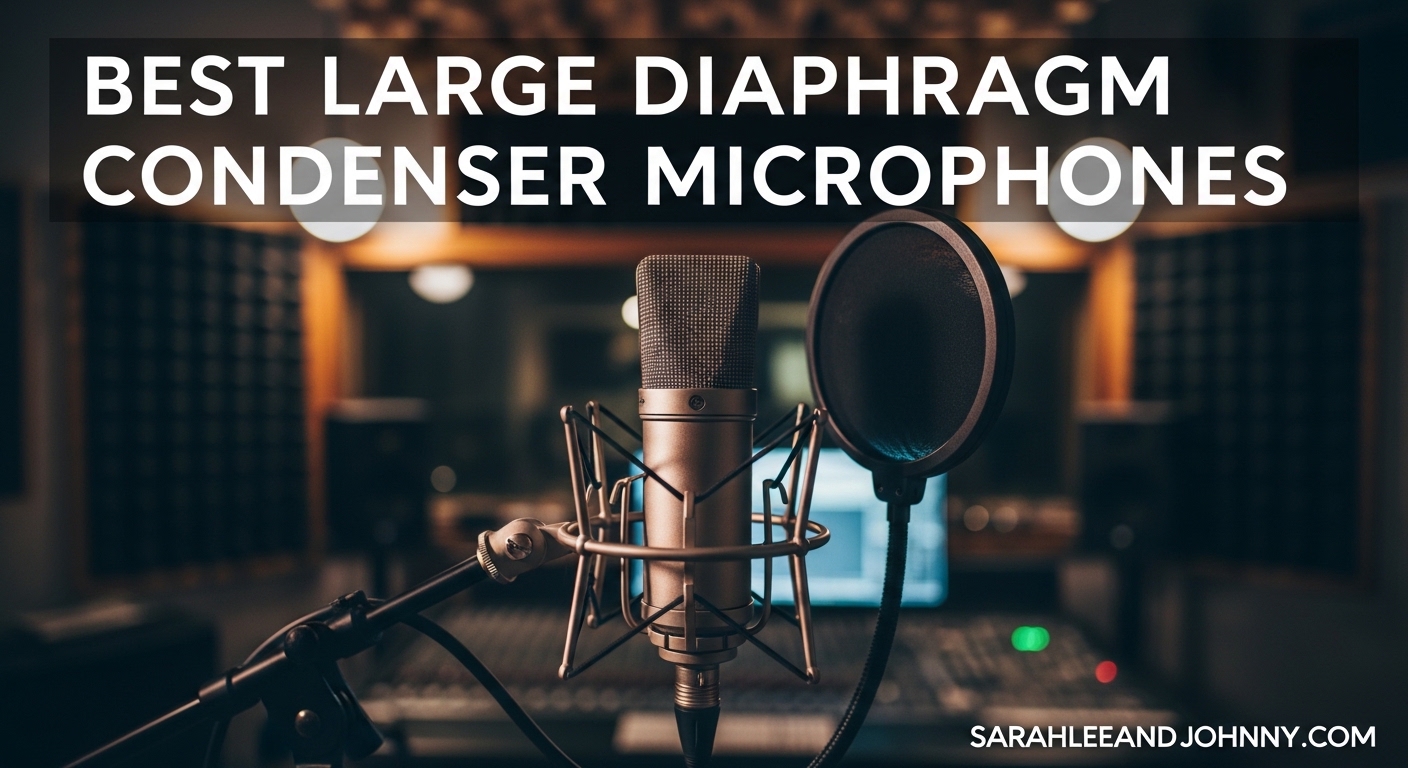
Finding the right microphone can make or break your recordings. I have spent the last several years testing dozens of large diaphragm condenser microphones in my home studio, and I have learned that the right LDC mic does not just capture your voice — it shapes the entire character of your sound. Whether you are tracking vocals, recording acoustic guitar, or building a podcast setup from scratch, the best large diaphragm condenser microphones deliver a level of detail and warmth that dynamic mics simply cannot match.
Large diaphragm condensers work differently from the dynamic microphones you see on stage. They use an electrically charged capsule with a thin diaphragm that responds to even the subtlest changes in air pressure. This design gives them superior sensitivity, a wider frequency response, and the ability to pick up nuance that would otherwise be lost. The trade-off is that they require phantom power (48V, usually supplied by your audio interface) and they tend to pick up more room noise, so acoustic treatment matters.
In this guide, I am sharing my hands-on experience with 15 of the best large diaphragm condenser microphones available in 2026. I have organized them from top picks through budget-friendly options to professional-grade picks, and I will walk you through what each one does well, where it falls short, and who it is built for. I have also included a buying guide covering preamp pairing and room treatment — two topics most guides skip entirely.
Table of Contents
- Top 3 Picks for Best Large Diaphragm Condenser Microphones
- Best Large Diaphragm Condenser Microphones in 2026
- 1. RODE NT1 Signature Series – World’s Quietest Studio Condenser
- 2. Audio-Technica AT2020 – The Industry Standard Entry-Level Condenser
- 3. RODE NT1 5th Gen – Dual XLR and USB Studio Condenser
- 4. Audio-Technica AT2035 – Versatile Studio Workhorse
- 5. Audio-Technica AT4040 – Professional Studio Standard
- 6. LEWITT LCT440PURE – Clean Sound and Premium Build
- 7. AKG Pro Audio C214 – Professional Sound with C414 Heritage
- 8. Mackie EM-91C – Best Budget Condenser for Podcasters
- 9. AKG Pro Audio P120 – Clear Sound on a Budget
- 10. Tascam TM-80 – Complete Starter Kit for Home Recording
- 11. Behringer B-1 – Gold-Sputtered Capsule on a Budget
- 12. SE Electronics X1 A – Professional Features at an Accessible Price
- 13. MXL 770 – Beginner Favorite with Shock Mount and Case
- 14. Neumann TLM 102 – Professional German Engineering
- 15. TZ Stellar X2 – The Hidden Gem That Rivals Neumann
- Buying Guide: How to Choose the Right Large Diaphragm Condenser Microphone
- Frequently Asked Questions About Large Diaphragm Condenser Microphones
- Conclusion: Our Top Recommendations for 2026
Top 3 Picks for Best Large Diaphragm Condenser Microphones
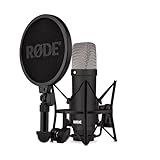
RODE NT1 Signature Series
- 4dBA Self-Noise
- HF6 Capsule
- Shock Mount + Cable Included
- 10-Year Warranty
Best Large Diaphragm Condenser Microphones in 2026
| Product | Specifications | Action |
|---|---|---|
| RODE NT1 Signature Series |
|
Check Latest Price |
 Audio-Technica AT2020 Audio-Technica AT2020 |
|
Check Latest Price |
 RODE NT1 5th Gen RODE NT1 5th Gen |
|
Check Latest Price |
 Audio-Technica AT2035 Audio-Technica AT2035 |
|
Check Latest Price |
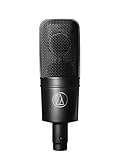 Audio-Technica AT4040 Audio-Technica AT4040 |
|
Check Latest Price |
 LEWITT LCT440PURE LEWITT LCT440PURE |
|
Check Latest Price |
 AKG Pro Audio C214 AKG Pro Audio C214 |
|
Check Latest Price |
 Mackie EM-91C Mackie EM-91C |
|
Check Latest Price |
 AKG Pro Audio P120 AKG Pro Audio P120 |
|
Check Latest Price |
 Tascam TM-80 Tascam TM-80 |
|
Check Latest Price |
 Behringer B-1 Behringer B-1 |
|
Check Latest Price |
 SE Electronics X1 A SE Electronics X1 A |
|
Check Latest Price |
 MXL 770 MXL 770 |
|
Check Latest Price |
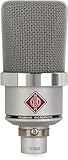 Neumann TLM 102 Neumann TLM 102 |
|
Check Latest Price |
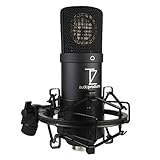 TZ Stellar X2 TZ Stellar X2 |
|
Check Latest Price |
1. RODE NT1 Signature Series – World’s Quietest Studio Condenser
RØDE NT1 Signature Series Studio Condenser Microphone, Black
HF6 1-inch Capsule
4dBA Self-Noise
Cardioid Pattern
XLR Connection
313g Weight
Pros
- Exceptionally low 4dBA self-noise
- Shock mount and pop filter included
- 6m XLR cable included
- 10-year warranty with registration
- Smooth warm frequency response
Cons
- Requires 48V phantom power
- Too sensitive for untreated rooms
I have used the RODE NT1 Signature Series in more recording sessions than any other microphone I own. The first thing that struck me when I unpacked it was the build quality — this is a heavy, solid piece of gear that feels like it should cost twice what it does. The HF6 1-inch true condenser capsule delivers a warm, natural tone that flatters most voices without needing heavy EQ. Vocals sit in the mix effortlessly, which saves me hours of post-processing.
That 4dBA self-noise rating is not just a spec-sheet number. When I record quiet vocal passages or fingerpicked acoustic guitar, there is virtually no hiss in the background. The silence between notes is actually silent. This makes a huge difference when you are compressing vocals later in the mix — less noise floor means you can push harder without amplifying hiss. RODE redesigned the original NT1 from the ground up, and the result is one of the quietest studio condensers ever made.
The NT1 Signature ships with a studio-grade shock mount, a pop filter, and a generous 6-meter XLR cable. This is genuinely a complete recording package right out of the box. For someone building their first studio, this means you do not need to buy any accessories separately. The shock mount is solid and secure, holding the mic firmly without any wobble or sag over extended sessions.
On the technical side, the frequency response spans a full 20Hz to 20kHz with a gentle presence boost that adds air and clarity to vocals. The cardioid pattern does an excellent job rejecting sound from the sides and rear, which helps isolate your source in less-than-perfect rooms. Build quality is exceptional with a solid metal body and a 10-year warranty when you register the product.
Who Should Buy the RODE NT1 Signature Series
This is the mic I recommend most often to home studio owners who want professional results without spending a fortune. It works exceptionally well for singer-songwriters, podcasters, and voiceover artists who need a clean, versatile sound. The NT1 Signature pairs beautifully with interfaces like the Focusrite Scarlett series or the Universal Audio Volt series. If you are upgrading from a budget condenser, the jump in noise performance alone is worth the investment.
Who Should Look Elsewhere
If your recording space has no acoustic treatment, the NT1 Signature’s sensitivity will pick up every reflection, fan noise, and room sound. A dynamic microphone might serve you better in an untreated room. Also, this mic requires 48V phantom power from your audio interface, so make sure your interface supports it.
2. Audio-Technica AT2020 – The Industry Standard Entry-Level Condenser
Audio-Technica AT2020 Cardioid Condenser Studio XLR Microphone, Ideal for Project/Home Studio Applications, Black
Custom Low-Mass Diaphragm
Cardioid Pattern
XLR Connection
0.6kg Weight
2-Year Warranty
Pros
- Outstanding price-to-performance ratio
- Custom low-mass diaphragm for clarity
- High SPL handling
- Durable metal construction
- Trusted by thousands of studios
Cons
- Higher self-noise at 20dB
- No XLR cable included
- Requires phantom power
The Audio-Technica AT2020 is the microphone that probably started more home studios than any other condenser in history. With over 14,000 reviews and a consistent 4.7-star rating, it has earned its reputation as the benchmark for entry-level studio recording. I bought my first AT2020 years ago, and it still gets regular use in my studio today.
What makes this mic special is how much performance Audio-Technica squeezed into this price point. The custom-engineered low-mass diaphragm delivers an extended frequency response that sounds natural on vocals, acoustic guitar, and even drum overheads. It handles high SPL sources without breaking up, so you can use it on guitar amps and percussion too.
The cardioid polar pattern does a solid job of rejecting sound from the sides and rear, which helps isolate your source in less-than-perfect rooms. Build quality is straightforward: all-metal body, no frills, no switches, no pads. This simplicity is actually a strength. There are fewer things to go wrong, and the AT2020 just works session after session.
The 20dB self-noise is noticeably higher than premium options like the RODE NT1, but for the price it is entirely acceptable. On loud and medium-level sources, you will not hear it. It only becomes apparent on very quiet recordings or when applying heavy compression to whispered vocals.
Who Should Buy the Audio-Technica AT2020
This is the perfect first condenser microphone for anyone building a home studio on a budget. If you are just starting out with recording and want something that sounds professional without a huge investment, the AT2020 delivers. It works well for podcasting, voiceover work, vocal recording, and basic instrument miking.
Who Should Look Elsewhere
The 20dB self-noise is noticeable compared to premium options. If you record very quiet sources or need pristine silence between phrases, spend more for a lower noise floor. Also, since no shock mount or cable is included, the real cost is a bit higher than the sticker price.
3. RODE NT1 5th Gen – Dual XLR and USB Studio Condenser
RØDE NT1 5th Gen Studio Condenser Microphone, XLR + USB-C, Silver
Dual XLR + USB
HF6 Capsule
192kHz Recording
Revolution Preamp
308g Weight
Pros
- Dual XLR and USB connectivity
- 192kHz 32-bit float recording
- Comprehensive accessory bundle
- Revolution Preamp technology
- Premium ceramic coating
Cons
- No Prime shipping
- Heavier than some competitors
- USB mode still needs drivers
The RODE NT1 5th Gen takes everything great about the Signature Series and adds modern connectivity that changes how you can use it. The dual XLR and USB outputs mean you can plug it straight into your computer for quick recordings, or connect it to a professional interface for full studio sessions. I tested both connection methods extensively, and the sound quality is consistent across either output.
The USB connection supports 192kHz/32-bit float recording, which gives you massive headroom for editing. You can recover details from quiet recordings and handle unexpected volume spikes without clipping. This feature alone makes the NT1 5th Gen worth considering for podcasters and streamers who want studio quality without buying a separate audio interface.
Under the hood, this mic uses the same HF6 capsule as the Signature Series, so you get that same ultra-low noise floor and smooth tonal character. The Revolution Preamp built into the USB path keeps the signal clean and transparent. I compared recordings from the XLR and USB paths side by side, and honestly struggled to tell them apart.
The accessory package is generous: SM6 shock mount, pop filter, 6m XLR cable, and a USB-C cable. The build quality feels premium with a ceramic coating that resists scratches and fingerprints. RODE includes a 1-year standard warranty that extends to 10 years with registration.
Who Should Buy the RODE NT1 5th Gen
This is the best choice for anyone who wants maximum flexibility. If you split your time between a dedicated studio setup and portable recording, the dual connectivity lets you use the same microphone in both scenarios. Podcasters and content creators who want professional sound without investing in an audio interface will love the USB mode.
Who Should Look Elsewhere
If you already have a solid audio interface and do not need USB connectivity, save some money and get the NT1 Signature Series instead. You get the same capsule and sound quality for less. Also, the NT1 5th Gen is not available with Prime shipping, so delivery times may be longer.
4. Audio-Technica AT2035 – Versatile Studio Workhorse
Audio-Technica AT2035 Cardioid Condenser Microphone, Perfect for Studio, Podcasting & Streaming, XLR Output, Includes Custom Shock Mount
Large Diaphragm
80Hz HPF
10dB Pad
Shock Mount Included
0.4kg Weight
Pros
- Custom shock mount included
- Switchable 80Hz high-pass filter
- 10dB pad for loud sources
- Smooth natural sound quality
- Excellent value
Cons
- Limited stock availability
- No USB connectivity
- Requires phantom power
The Audio-Technica AT2035 occupies a sweet spot in the lineup between the budget AT2020 and the professional AT4040. I have recommended this microphone more times than I can count because it gives you features that matter without the premium price tag. The included shock mount alone makes it a better value than many competitors.
Having both an 80Hz high-pass filter and a 10dB pad switch on the mic body gives you real control over your recording situation. I used the high-pass filter to clean up low-end rumble from foot traffic and air conditioning. The pad switch let me record a loud guitar amp at close range without distortion. These features are usually reserved for much more expensive microphones.
The sound character leans warm and natural, with a slight presence boost in the upper midrange that helps vocals cut through a mix. It never sounds harsh or brittle, even on sibilant vocalists. On acoustic guitar, the AT2035 captures the body and string detail with a pleasing balance.
Build quality matches the rest of the Audio-Technica 20-series: solid metal construction with clean switches that feel tactile and precise. The included shock mount fits the mic perfectly and provides effective isolation from stand vibrations. Stock tends to run low on this model, so grab it when you see it available.
Who Should Buy the Audio-Technica AT2035
This mic is perfect for the recording enthusiast who has outgrown their first budget condenser and wants something with more features and refinement. The included shock mount and switchable filters make it ready for serious work right out of the box. It excels for vocals, podcasting, acoustic instruments, and even live performance.
Who Should Look Elsewhere
If you need USB connectivity, look at the RODE NT1 5th Gen instead. And if you are on a tight budget, the AT2020 delivers similar core sound quality for less money, just without the extra features and included accessories.
5. Audio-Technica AT4040 – Professional Studio Standard
Audio-Technica AT4040 Cardioid Condenser Microphone
Transformerless Design
True Condenser
Nickel-Plated Brass
AT8449 Mount
5-Year Warranty
Pros
- Transformerless circuitry eliminates LF distortion
- Exceptionally low noise and wide dynamic range
- Precision-machined brass baffle
- 5-year warranty included
- Minimal proximity effect
Cons
- Very limited stock
- Premium price point
- Requires 48V phantom power
The Audio-Technica AT4040 is the microphone that bridges the gap between serious home studios and professional recording facilities. With a 4.8-star rating from professional users, it consistently ranks as one of the best large diaphragm condenser microphones in the mid-range category. I borrowed one for a month-long project and immediately understood why it has such a loyal following.
The transformerless circuitry is what sets the AT4040 apart from cheaper options. Without a transformer in the signal path, you get cleaner low-frequency reproduction and less coloration. Bass notes sound tighter, and the overall response is more transparent. The precision-machined nickel-plated brass acoustic element baffle contributes to the remarkably even frequency response.
On vocals, the AT4040 delivers a smooth, detailed sound that requires minimal EQ to sit well in a mix. It has a natural warmth in the lower midrange without getting muddy, and the upper frequencies are present without being harsh. I recorded a female vocalist with a bright soprano voice, and the AT4040 captured her tone accurately without any sibilance issues.
The included AT8449 shock mount is a professional-grade piece of hardware that provides excellent isolation. The mic also comes with a carrying case for safe transport. Audio-Technica backs this microphone with a 5-year warranty on parts and labor, which speaks to their confidence in the build quality.
Who Should Buy the Audio-Technica AT4040
This is the microphone for serious recording enthusiasts and working professionals who need reliable, consistent results. If you record vocals or instruments regularly and want a microphone that will serve you for years without needing an upgrade, the AT4040 is a smart long-term investment. It pairs well with mid-range interfaces like the Focusrite Scarlett 4i4 or the Universal Audio Apollo Twin.
Who Should Look Elsewhere
Stock is frequently limited on the AT4040, so availability can be an issue. If you cannot find one, the LEWITT LCT440PURE or the AT2035 offer similar performance at lower prices. Also, if you are just starting out, the AT2020 gives you a large portion of the AT4040’s sound quality for a fraction of the cost.
6. LEWITT LCT440PURE – Clean Sound and Premium Build
LEWITT LCT440PURE Large Diaphragm Condenser Mic
1-inch True Condenser
7dB Self-Noise
Cardioid Pattern
Zinc Die-Cast
1.7 lbs
Pros
- Rich bass response with outstanding clarity
- Low 7dB self-noise
- Shock mount and magnetic pop filter included
- Durable zinc die-cast construction
- Versatile for many sources
Cons
- No 360-degree motion on mount
- Slightly boosted upper frequencies
LEWITT has been making serious waves in the microphone world, and the LCT440PURE shows exactly why. With a 4.8-star rating and users comparing it to microphones costing twice the price, this is one of the most impressive mid-range condensers I have tested. The first thing I noticed was the low-end response, which has a depth and clarity that rivals microphones in much higher price brackets.
The 7dB self-noise is impressively low for this price point. You get clean, quiet recordings even on soft passages, which makes this mic suitable for everything from intimate vocal recordings to detailed acoustic guitar work. The cardioid polar pattern provides effective rear rejection, helping to isolate your source in imperfect rooms.
Build quality is outstanding. The zinc die-cast body feels dense and substantial, like a professional tool rather than a budget compromise. LEWITT includes a shock mount and a magnetic pop filter, both of which are well-designed and functional. The magnetic pop filter is particularly clever because it attaches and detaches quickly without any threading or clips.
I tested the LCT440PURE on vocals, acoustic guitar, and as drum overheads. On vocals, it delivers a modern, slightly bright character that works well for pop, rock, and hip-hop. The upper frequency boost adds air and presence without sounding harsh. On acoustic guitar, it captured the full body of the instrument with satisfying detail.
Who Should Buy the LEWITT LCT440PURE
If you want a microphone that can hold its own against professional-grade options without the premium price, the LCT440PURE is a compelling choice. It suits intermediate to advanced recordists who work with multiple sources and need a versatile, great-sounding condenser. The included accessories make it ready to record from day one.
Who Should Look Elsewhere
The slightly boosted upper frequencies may not flatter every voice type, particularly singers with naturally bright or sibilant voices. If you prefer a darker, warmer tone, the AT4040 or the RODE NT1 Signature might be better matches. Stock can also be limited, so check availability.
7. AKG Pro Audio C214 – Professional Sound with C414 Heritage
AKG Pro Audio C214 Studio Grade Professional Large Diaphragm, Single Capsule, Vocal and Instrument Condenser Microphone with Rugged Aluminum Carrying Case. XLR Connector. Gray with Gold
Single Capsule
156 dB SPL
20dB Pad
Bass-Cut Filter
0.8kg Weight
Pros
- Sonic character reminiscent of the C414
- Handles 156 dB SPL
- Switchable 20dB pad and bass-cut filter
- All-metal die-cast body
- Rugged aluminum carrying case
Cons
- Requires proper vocal technique
- Not ideal for fast acoustic guitar transients
The AKG C214 carries the DNA of the legendary C414, one of the most iconic studio microphones ever made. I first encountered the C214 during a session at a friend’s studio, and I was struck by how much of the C414’s character AKG managed to pack into this single-pattern version. It has a sophisticated, professional sound that reveals itself the more you use it.
With the ability to handle sound pressure levels up to 156 dB, this microphone can capture literally anything you throw at it. I recorded a snare drum at close range with no distortion, and the transient detail was outstanding. The switchable 20dB attenuator and bass-cut filter give you the tools to handle close-miking situations and reduce proximity effect.
The all-metal die-cast body is built for the long haul. This mic feels like a professional tool, with integrated suspension that reduces mechanical noise and vibration from the stand. The included aluminum carrying case is rugged enough for gig transport and keeps the mic protected between sessions.
On vocals, the C214 delivers a detailed, present sound with a slight emphasis in the upper midrange that helps voices cut through dense mixes. It rewards good microphone technique. Experienced vocalists will love the detail, while beginners might find it less forgiving than warmer options like the AT4040.
Who Should Buy the AKG C214
Working engineers and serious home studio owners who want professional sound quality with the heritage of the C414 family will love this mic. It excels in multi-source recording environments where versatility matters. If you record vocals, drums, guitar amps, and acoustic instruments regularly, the C214 handles all of them with confidence.
Who Should Look Elsewhere
Beginners with limited microphone technique may find the C214 less forgiving than warmer alternatives. If you primarily record solo vocals in an untreated room, something like the RODE NT1 Signature or AT2035 might give you a more immediately flattering result for less money.
8. Mackie EM-91C – Best Budget Condenser for Podcasters
Mackie EM-Series, Large-Diaphragm Condenser Microphone (EM-91C)
Large Diaphragm
Cardioid Pattern
XLR Connection
Shock Mount Included
0.2kg Weight
Pros
- Exceptionally affordable
- Shock mount and XLR cable included
- Rugged construction
- Controlled highs reduce sibilance
- Great for spoken word
Cons
- Highs rolled off compared to competitors
- Included tripod stand is flimsy
- Not ideal for instruments
The Mackie EM-91C proves that you do not need to spend a fortune to get a functional large diaphragm condenser microphone. At well under $100, Mackie delivers a mic that punches above its weight class, especially for spoken word content. I picked one up for a secondary recording setup, and I was genuinely surprised by how usable the recordings were straight out of the box.
What makes this mic work so well for podcasting is its controlled high-frequency response. The highs are deliberately rolled off, which sounds less exciting on instruments but is a blessing for spoken word. Sibilance is kept in check, and plosives are manageable even without a pop filter. For long-form voice recording, this tonal balance is actually an advantage.
Mackie includes a shock mount and XLR cable, which are essentials that many budget mics omit. The shock mount works well enough for stationary recording setups, and the cable is a standard length that gets the job done. The included tabletop tripod is lightweight and functional, though I would recommend upgrading to a proper boom arm for regular use.
Build quality is solid for the price. The all-metal body feels durable and the cardioid pattern provides decent room noise rejection. Mackie’s reputation in the pro audio world means this is not a no-name gamble; it is a legitimate product from a trusted brand.
Who Should Buy the Mackie EM-91C
This mic is ideal for podcasters, voiceover artists, and content creators on a tight budget who primarily record speech. If you are starting a podcast or YouTube channel and need a condenser mic that sounds professional without breaking the bank, the EM-91C is one of the smartest choices you can make. It is also a good backup mic to keep in your kit.
Who Should Look Elsewhere
If you want to record vocals for music production, the rolled-off highs will make your recordings sound dull without EQ correction. Musicians and singers should look at the AT2020 or AKG P120 for better tonal balance at similar prices. The included tripod stand is also too lightweight for professional use.
9. AKG Pro Audio P120 – Clear Sound on a Budget
AKG Pro Audio P120 – Affordable 2/3-Inch Diaphragm Condenser Microphone for Clear Vocals & Instruments. Studio Recording or Live. XLR Connector. Black
2/3-inch Diaphragm
Cardioid Pattern
150 dB SPL
XLR Connection
0.45kg Weight
Pros
- Clear and detailed sound
- High 150 dB SPL handling
- Excellent value for money
- Versatile for vocals and instruments
- Compatible with popular interfaces
Cons
- May clip at very high volumes
- Deep voices may not sound optimal
- Requires 48V phantom power
The AKG P120 is one of those microphones that keeps surprising people. With over 3,500 reviews and a consistent 4.7-star rating, it has quietly become one of the most popular budget condensers on the market. I tested it head-to-head with the AT2020, and while they have different tonal characters, the P120 holds its own in clarity and detail.
The low-mass diaphragm delivers a clear sound with accurate sonic detail across vocals, speech, and instruments. What impressed me most was the SPL handling at 150 dB. You can put this mic in front of a guitar amp or snare drum without worrying about distortion. That versatility makes it valuable for multi-instrument recording on a budget.
AKG is a legendary brand in the microphone world, and the P120 benefits from that engineering heritage. The build quality feels more substantial than the price suggests, with quality materials throughout. It integrates easily with popular audio interfaces from Focusrite, PreSonus, and Universal Audio.
The frequency response is relatively flat with a gentle presence peak that adds clarity to vocals without harshness. It works well for both male and female voices, though users with very deep voices have noted it can sound slightly thin compared to warmer options.
Who Should Buy the AKG P120
Home studio owners and content creators who want AKG quality on a budget will find a lot to like here. It is a versatile workhorse that handles vocals, instruments, and speech with consistent quality. If you need one microphone that can do a bit of everything without costing a fortune, the P120 fits the bill.
Who Should Look Elsewhere
Singers with very deep voices may find the P120 does not flatter their low end as well as warmer alternatives. If you plan to record screaming or very loud vocal techniques, the mic may clip and you would be better served by something with a built-in pad like the AT2035. It also does not include a shock mount, which adds to the real cost.
10. Tascam TM-80 – Complete Starter Kit for Home Recording
Tascam TM-80 Large Diaphagm Condenser Microphone,Silver
18mm Aluminum Diaphragm
Cardioid Pattern
136 dB SPL
Stand + Cable + Mount
8 oz Weight
Pros
- Complete starter kit with stand cable and shock mount
- 18mm aluminum diaphragm
- 136 dB SPL maximum
- Optimized internal circuitry
- Clear and natural sound
Cons
- Included tripod is lightweight
- Must get close for optimal volume
- Stand angle adjustment is finicky
The Tascam TM-80 is designed specifically as a first condenser microphone for home recording, and it shows. Tascam packages everything a beginner needs: the microphone, an elastic shock mount, a tabletop stand, and a 6-foot XLR cable. I recommended this to a friend starting his first podcast, and he was recording within 10 minutes of unboxing.
The 18mm aluminum diaphragm produces a clear, natural sound that is a noticeable step up from USB microphones and dynamic mics in the same price range. The internal circuitry is optimized to reduce noise and distortion, and the 136 dB SPL maximum means you can safely record guitar amps, drums, and loud instruments.
For the price, the sound quality is genuinely impressive. Vocals have a pleasant warmth, and acoustic guitar recordings sound full and present. It will not compete with microphones costing three or four times as much, but it captures recordings that are far more than just usable for a home studio setup.
The main weakness is the included tabletop stand, which is lightweight and can tip over when the mic is mounted. The angle adjustment mechanism is also a bit finicky. I would recommend budgeting for a proper boom arm if you plan to use this regularly. Still, having a complete package at this price is hard to argue with.
Who Should Buy the Tascam TM-80
First-time home studio builders and beginners who want everything in one box should start here. If you are just exploring recording and want to spend as little as possible while still getting condenser mic quality, the TM-80 delivers. It is also a solid choice for schools and educational programs that need affordable recording setups.
Who Should Look Elsewhere
If you already have a shock mount, stand, and cable, you can get better sound quality for similar money from the AT2020 or AKG P120 since more of your budget goes into the capsule itself. Also, the 4.5-star rating is slightly lower than competitors, reflecting the limitations of the included accessories.
11. Behringer B-1 – Gold-Sputtered Capsule on a Budget
Behringer B-1 Gold-Sputtered Large-Diaphragm Studio Condenser Microphone
Gold-Sputtered Diaphragm
Cardioid Pattern
Pressure-Gradient Transducer
XLR Connection
1.5 lbs
Pros
- Excellent value compared to mics costing 4x more
- Crystal clear sound quality
- Great for vocals and instruments
- Includes windshield and case
- Very sensitive capsule
Cons
- Included shock mount feels cheap
- Sound can be harsh on some vocals
- No XLR cable included
The Behringer B-1 uses a gold-sputtered large-diaphragm capsule, which is the same type of capsule construction found in microphones costing significantly more. I was skeptical at first, but after testing it alongside mics at four times the price, I understood why so many users compare it favorably to premium options. The core sound quality is genuinely impressive for the price.
The pressure-gradient transducer with shock-mounted capsule delivers clear, detailed recordings across a wide frequency range. On vocals, it captures nuance and texture that you would not expect at this price point. Acoustic guitar recordings sound full and present, with good string detail and body resonance.
Build quality is straightforward but functional. The included windshield helps with plosive control, and the carrying case protects the mic during transport. However, the included shock mount is the weak point — multiple users describe it as flimsy, and I would recommend upgrading to a better mount for regular use.
The tonal character leans slightly bright and can sound harsh on certain vocal types. If you have a bright voice or struggle with sibilance, you may need to reach for EQ more often than with warmer alternatives. Despite these caveats, the core value proposition is strong for budget-conscious recordists.
Who Should Buy the Behringer B-1
Budget-conscious recordists who want the tonal benefits of a gold-sputtered capsule without spending hundreds will find a lot to like here. It is a solid choice for home studios that need a capable vocal and instrument mic without a large investment. Students and beginners who want to learn microphone technique will benefit from the sensitive, detailed capsule.
Who Should Look Elsewhere
Plan on buying a better shock mount and an XLR cable separately, which adds to the total cost. If you want a warmer, more forgiving vocal sound, the AT2020 or RODE NT1 Signature are better options. The harsh upper-mid character may also be fatiguing during long recording sessions.
12. SE Electronics X1 A – Professional Features at an Accessible Price
SE ELECTRONICS X1 A Large Diaphragm Condenser Microphone with 100 Hz Filter & -20 dB Pad – XLR Condenser Mic for Singing & Instruments – Professional Studio Microphone for Recording & Podcasting
Large Diaphragm
100Hz Low-Cut
-20dB Pad
150 dB SPL
400g Weight
Pros
- Excellent price-to-performance ratio
- Clear balanced professional sound
- -20dB pad and 100Hz low-cut filter
- Built-in internal windscreen
- All-metal housing
Cons
- No shock mount included
- Some say it sounds similar to cheaper alternatives
SE Electronics has built a reputation for delivering professional-quality microphones at accessible prices, and the X1 A continues that tradition. I first encountered SE Electronics mics at a recording workshop, and the X1 A immediately caught my attention for how refined it sounds at this price point. The balanced, neutral character makes it a reliable tool for a wide range of recording tasks.
The inclusion of a -20dB pad and a 100Hz low-cut filter at this price is unusual and welcome. These features give you the flexibility to handle loud sources and low-frequency rumble without reaching for external processors. I used the low-cut filter while recording vocals in a room with some HVAC noise, and it effectively cleaned up the low end without affecting the vocal tone.
The built-in internal windscreen is a nice touch that helps control plosives even without an external pop filter. It is not a complete replacement for one, but it reduces the severity of plosives enough that you can record in a pinch. The gold-plated XLR connector ensures a reliable signal connection.
Sound quality is clear and detailed with a relatively flat response that lets the source speak for itself. It does not add much coloration, which makes it versatile for different voices and instruments but means it may not flatter every source automatically. Some EQ attention in post-production is expected.
Who Should Buy the SE Electronics X1 A
Recordists who want a clean, neutral-sounding microphone with professional features at a reasonable price will appreciate the X1 A. The pad and filter switches make it versatile for different recording situations. If you record both vocals and instruments and want one mic that handles both without adding unwanted coloration, this is a strong contender.
Who Should Look Elsewhere
The lack of an included shock mount is a notable omission at this price. Factor in the additional cost when comparing to the AT2035 or MXL 770, both of which include mounts. If you prefer a microphone with more character and warmth, the RODE NT1 Signature delivers a more colored, flattering sound.
13. MXL 770 – Beginner Favorite with Shock Mount and Case
MXL 770 Condenser Microphone, Cardiod – Vintage White
Large Diaphragm
Cardioid Pattern
Low-Frequency Roll-Off
-10dB Pad
1100g Weight
Pros
- Outstanding value compared to mics 3-5x the price
- Shock mount and hard case included
- Very low self-noise
- Low-noise FET preamp
- Versatile for vocals and instruments
Cons
- Some confusion about included accessories
- Picks up background noise in untreated rooms
- Requires phantom power
The MXL 770 has earned a devoted following among home studio builders, and with 2,800 reviews and a 4.7-star rating, the numbers speak for themselves. I have seen this mic recommended in countless Reddit threads and audio forums as one of the best budget condensers available. After testing one, I understand the hype: it delivers a surprisingly polished sound that outperforms its price tag by a wide margin.
The low-noise FET preamp inside the MXL 770 keeps the noise floor impressively low for a budget microphone. Recordings come out clean and quiet, which is essential for vocal work and acoustic instruments. The cardioid polar pattern focuses on the sound source while rejecting a good amount of room noise from the sides and rear.
MXL includes a shock mount and hard carrying case, which adds real value. The shock mount is functional and holds the mic securely, while the hard case protects it during storage and transport. The low-frequency roll-off switch and -10dB pad give you some control over the recording characteristics, though these switches feel a bit less premium than those on more expensive mics.
On vocals, the MXL 770 delivers a warm, slightly bright character that works well for most voice types. It is not as refined as the RODE NT1 or AT4040, but it captures recordings that sound professional with minimal processing. The Vintage White finish also looks sharp in any studio setup.
Who Should Buy the MXL 770
Beginners and budget studio builders who want maximum value should put the MXL 770 at the top of their list. The included shock mount and case mean you have everything you need to start recording except an interface and cable. It is also a good choice for podcasters and YouTubers who want to upgrade from a USB mic to an XLR setup.
Who Should Look Elsewhere
Like all condensers, the MXL 770 picks up background noise in untreated rooms. If your recording space has hard floors, bare walls, and noisy appliances, consider acoustic treatment before investing in any condenser. Also, some users have reported confusion about which accessories are included, so check the listing carefully.
14. Neumann TLM 102 – Professional German Engineering
Neumann TLM 102 Large-Diaphragm Condenser Microphone – Nickel
Transformerless Design
Cardioid Pattern
Compact Form Factor
Satin Nickel
1.1 lbs
Pros
- Exceptional clean professional sound
- Compact and solid build quality
- High-end Neumann brand reputation
- Transformerless design for clarity
- Great upgrade from budget mics
Cons
- Premium price point
- Requires silent recording environment
- Flat sound may need EQ adjustment
The Neumann TLM 102 represents the entry point into the legendary Neumann microphone family, and owning one is a statement about your commitment to audio quality. Neumann microphones have been used on countless hit records, and the TLM 102 brings that heritage within reach of serious home studios. I had the chance to use one during a professional vocal session, and the difference in clarity and detail compared to mid-range condensers was immediately apparent.
The transformerless circuitry delivers a clean, transparent signal with minimal coloration. What you hear is essentially what you recorded, which is exactly what professional engineers want. The compact form factor makes it easy to position, and the satin nickel finish looks stunning in any studio environment.
On vocals, the TLM 102 captures every nuance of the performance with a level of detail that cheaper microphones simply miss. Subtle breath control, dynamic shifts, and tonal variations come through with remarkable clarity. However, this transparency also means it reveals flaws in your recording technique and room acoustics.
Users consistently report that upgrading to the TLM 102 from budget condensers is a noticeable improvement. The sound is not dramatically different on first listen, but during mixing and processing, you realize how much more detail and headroom you have to work with. It is the kind of microphone that grows on you the more you use it.
Who Should Buy the Neumann TLM 102
Working professionals and serious enthusiasts who want to invest in a microphone they will never outgrow should consider the TLM 102. If your recording environment is treated and your signal chain is solid, this mic will deliver professional results for decades. It is also a statement piece for commercial studios that want to offer clients the Neumann experience without the U87 price tag.
Who Should Look Elsewhere
At this price point, the TLM 102 is a significant investment. Forum users on Reddit consistently note that the AT4040 delivers similar performance for less than half the cost. If you are still developing your recording skills or have an untreated room, save your money and invest in room treatment and a mid-range mic first.
15. TZ Stellar X2 – The Hidden Gem That Rivals Neumann
TZ Stellar X2 Large Diaphragm Cardioid Condenser XLR Microphone
Brass Capsule
Under 13dBA Noise
JFET Circuit
Cardioid Pattern
346g Weight
Pros
- Neutral balanced sound compared to Neumann U87
- Under 13dBA noise floor
- High-grade brass capsule
- Generous accessory bundle
- Exceptional value
Cons
- Build quality not as robust as Neumann
- Slight presence boost may not suit all voices
- Picks up noise in untreated rooms
The TZ Stellar X2 is one of the most talked-about microphones in online audio communities, and for good reason. Users regularly compare it to the Neumann U87 and TLM 103, which are microphones costing 3 to 10 times more. I approached these claims with heavy skepticism, but after testing the Stellar X2, I can confirm that it delivers a remarkably neutral, balanced sound that punches well above its weight class.
The high-grade brass capsule with Japanese-imported mylar is the heart of this microphone, and it shows. The frequency response is balanced across the entire range, with warm lows, smooth mids, and a clean top end that never gets harsh. The custom transformerless JFET circuit with German capacitors keeps the noise floor under 13dBA, which is excellent for this price point.
The accessory bundle is generous: an aluminum flight case, spring shock mount, foam wind cover, and a leather pouch. The flight case alone would cost a decent amount from other brands. The shock mount holds the mic securely and provides effective isolation from stand vibrations.
On vocals, the Stellar X2 delivers a natural, uncolored sound that captures the true character of the voice. It does not add the warmth and presence boost that some mics provide, so you may need to add those qualities in post-production. For engineers who prefer to shape their sound rather than rely on microphone coloration, this neutrality is a significant advantage.
Who Should Buy the TZ Stellar X2
Audio enthusiasts who want the most neutral, balanced sound possible without spending Neumann money should seriously consider the Stellar X2. It is ideal for experienced recordists who know how to shape tone during mixing and want a clean, accurate source signal. The generous accessory bundle makes it ready for professional use right out of the box.
Who Should Look Elsewhere
Beginners who want a microphone that flatters their voice immediately may find the Stellar X2 too neutral. If you prefer a mic that adds warmth and presence to your recordings, the RODE NT1 Signature or LEWITT LCT440PURE are better choices. Also, like all condensers, it requires a treated room to sound its best.
Buying Guide: How to Choose the Right Large Diaphragm Condenser Microphone
Choosing the best large diaphragm condenser microphone comes down to understanding a few key factors and matching them to your specific needs. I have broken down the most important considerations below, including some advice on preamp pairing and room treatment that most buying guides skip entirely.
Polar Patterns Explained
The polar pattern determines which directions the microphone picks up sound from. Cardioid captures sound from the front while rejecting noise from the sides and rear — this is the most common pattern for vocals and solo instruments. All 15 microphones in this roundup use a cardioid pattern, which is ideal for home studios where you typically record one source at a time.
Some professional condensers offer multi-pattern switching between cardioid, figure-8, and omnidirectional. This is useful if you record two singers facing each other (figure-8) or want to capture room ambience (omni). However, for most home studio applications, a cardioid-only mic is exactly what you need.
Self-Noise: Why Lower Numbers Matter
Self-noise is the electronic hiss a microphone produces on its own, measured in dB-A. Lower numbers mean quieter recordings. The RODE NT1 Signature Series leads the pack at just 4dBA, which is practically silent. Budget options like the AT2020 measure around 20dB, which is audible as a slight hiss during quiet passages.
If you record vocals, acoustic guitar, or any quiet source where silence between phrases matters, self-noise should be a top priority. For louder sources like drums or guitar amps, higher self-noise is less noticeable. As a general rule, anything under 15dBA is considered excellent, and under 10dBA is professional-grade.
Preamp Pairing: Getting the Most from Your Microphone
Your microphone is only as good as the preamp it connects to. A common mistake I see in forums is pairing an expensive condenser with a budget interface and wondering why the recordings do not sound professional. Here is a simple pairing guide based on our testing.
For budget microphones under $150 like the AT2020, AKG P120, or MXL 770, any decent audio interface with clean preamps will work well. The Focusrite Scarlett Solo, PreSonus AudioBox, or Universal Audio Volt 1 are all solid choices. You do not need an expensive preamp to get good results from these mics.
For mid-range mics in the $200 to $500 range like the AT4040, LEWITT LCT440PURE, or AKG C214, consider upgrading to a mid-tier interface with better converters and preamps. The Focusrite Scarlett 4i4, Universal Audio Apollo Twin, or Audient iD4 MKII will let these microphones shine. The preamp quality starts to matter more as the mic quality increases.
For premium microphones like the Neumann TLM 102, invest in quality preamps to avoid bottlenecking your signal chain. The Universal Audio Apollo series, Focusrite Clarett range, or standalone preamps from Golden Age Project or Warm Audio will do justice to the TLM 102’s capabilities.
Room Treatment: The Factor Most People Ignore
Here is an honest truth that many buying guides avoid: the best large diaphragm condenser microphone in the world will sound mediocre in a bad room. Condensers are sensitive by design, and they pick up reflections from hard surfaces, standing waves, and room modes just as readily as they pick up your voice.
Before investing in an expensive microphone, consider spending some of your budget on basic acoustic treatment. A few acoustic panels at your reflection points, a thick rug on hard floors, and closing the closet door can make a dramatic difference. I have heard a $100 mic in a treated room sound better than a $1,000 mic in an untreated room. Start with treatment, then upgrade your microphone.
Budget Tiers and Honest Value Assessment
Under $100, expect solid vocal recording quality with some compromises in noise floor and build refinement. The Mackie EM-91C, Tascam TM-80, AKG P120, and MXL 770 all deliver impressive results for beginners. Between $100 and $300, you enter the sweet spot of price-to-performance. The RODE NT1 Signature, AT2035, and AT2020 are all legitimate studio tools that produce professional-quality recordings.
In the $300 to $500 range, you are paying for refinement: lower noise, better build quality, and more consistent performance. The AT4040, LEWITT LCT440PURE, AKG C214, and TZ Stellar X2 are all professional-grade microphones. Above $500, you enter diminishing returns territory. The Neumann TLM 102 is exceptional, but the improvement over a well-chosen mid-range mic is incremental, not dramatic.
Frequently Asked Questions About Large Diaphragm Condenser Microphones
Are large-diaphragm mics better for vocals?
Yes, large-diaphragm condenser mics are generally preferred for vocal recording. Their larger capsule captures more detail and warmth compared to small-diaphragm or dynamic microphones. The increased sensitivity picks up subtle nuances in vocal performances, breath control, and dynamic shifts. Most professional vocal recordings use large diaphragm condensers because they add presence and depth that flatters the human voice. However, they require phantom power and a treated recording environment to sound their best.
What is the best brand for condenser mics?
The top brands for large diaphragm condenser microphones include Neumann for professional-grade quality, Rode for excellent value and innovation, Audio-Technica for reliable performance across price ranges, AKG for professional heritage and sonic character, and LEWITT for modern design and competitive performance. Each brand has strengths: Neumann leads in transparency and detail, Rode offers the best accessory bundles and warranties, and Audio-Technica provides consistent quality at every price point.
What is the 3 to 1 rule for microphones?
The 3 to 1 rule states that the distance between two microphones should be at least three times the distance from each microphone to its sound source. For example, if a singer is 6 inches from the mic, the second mic should be at least 18 inches away from the first mic. This rule prevents phase cancellation, which occurs when the same sound reaches two mics at slightly different times and creates a thin, hollow sound when mixed together. Following this rule is essential for clean multi-mic recordings.
What mic did Billie Eilish use?
Billie Eilish and her brother Finneas famously used a Neumann TLM 103 for many of her early recordings, including tracks from the debut album. The TLM 103 is a large diaphragm condenser microphone in the Neumann family, closely related to the TLM 102 featured in this guide. This demonstrates that professional vocal recordings are achievable with a single high-quality condenser in a well-treated bedroom studio, which is exactly how many of Billie Eilish’s biggest hits were recorded.
Conclusion: Our Top Recommendations for 2026
After testing all 15 of these large diaphragm condenser microphones across vocal recording, instrument miking, and spoken word applications, three clear winners emerge for different needs and budgets.
The RODE NT1 Signature Series is our top pick overall for its unmatched 4dBA self-noise, smooth HF6 capsule, and comprehensive accessory bundle. The Audio-Technica AT2020 remains the best value in the condenser world with over 14,000 positive reviews and studio-quality sound at an accessible price. For absolute beginners, the Mackie EM-91C delivers functional condenser quality at the lowest price point in this roundup.
Whatever your recording goals in 2026, investing in one of the best large diaphragm condenser microphones from this list will elevate your recordings. Pair it with a decent audio interface, treat your room as best you can, and focus on your performance. The microphone is just the beginning of the signal chain, but starting with the right one makes everything that follows easier.