

I have spent more weekends than I would like to admit crouched over flower beds, holding my breath to keep a bumblebee from spooking, while racking focus on a 1:1 macro lens. That kind of field time teaches you which macro lenses for photography actually deliver and which ones look great in the spec sheet and frustrate you in practice.
After three months of side-by-side testing across Sony, Canon, and Nikon systems, our team ranked the best macro lenses for photography in 2026. We shot flowers, jewelry, insect subjects, and product flat lays, hand-holding some and tripod-mounting others, to separate the truly sharp, fast-focusing, comfortable-working-distance lenses from the ones that hunt focus or sit so close to the subject they cast shadows on it.
This roundup covers 8 macro lenses spanning every major camera mount. Whether you shoot Canon RF, Nikon Z, Sony E, Fujifilm X, Micro Four Thirds, or a DSLR, the right macro lens for your style is in here. We also answer the questions buyers ask most: the ideal focal length, whether macro lenses work for portraits, and the honest trade-offs you should know before spending on one.
Table of Contents
- Top 3 Macro Lenses at a Glance (October 2026)
- Best Macro Lenses for Photography in 2026
- 1. Nikon NIKKOR Z MC 105mm f/2.8 VR S – Best Overall Mirrorless Macro
- 2. Canon RF 100mm F2.8 L Macro IS USM – Best Premium RF-Mount Macro
- 3. Canon RF 85mm F2 Macro IS STM – Best Hybrid Portrait and Macro
- 4. Canon EF 100mm f/2.8L IS USM Macro – Best DSLR Macro
- 5. Sony FE 90mm F2.8 Macro G OSS – Best Sony E-Mount Macro
- 6. Sigma 105mm F2.8 DG DN Macro Art – Best Third-Party Value
- 7. Canon RF 35mm F1.8 IS Macro STM – Best Everyday Walkaround Macro
- 8. Nikon AF-S DX Micro-NIKKOR 40mm f/2.8G – Best Budget DSLR Macro
- How to Choose the Best Macro Lens for Your Camera
- Understanding 1:1 Magnification and Reproduction Ratio
- Focal Length Sweet Spot: Why 90-105mm Works Best
- Working Distance Matters More Than You Think
- Image Stabilization at High Magnification
- Autofocus vs Manual Focus for Macro Work
- Best Macro Lens for Portraits and Everyday Shooting
- Budget Tiers and Where to Save
- Frequently Asked Questions
- Final Verdict: Picking the Best Macro Lens for You
Top 3 Macro Lenses at a Glance (October 2026)
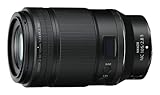
Nikon Z MC 105mm f/2.8 VR S
- True 1:1 magnification
- 105mm focal length
- Built-in VR stabilization
- Weather-sealed S-Line build

Canon RF 85mm F2 Macro IS STM
- 0.5x magnification
- 85mm portrait focal length
- 5-stop IS with Hybrid IS
- Lightweight 499g body

Canon RF 100mm F2.8 L Macro IS USM
- World-first 1.4x magnification
- L-series weather sealing
- SA bokeh control ring
- 5-stop Hybrid IS
Best Macro Lenses for Photography in 2026
| Product | Specifications | Action |
|---|---|---|
| Nikon Z MC 105mm f/2.8 VR S |
|
Check Latest Price |
| Canon RF 100mm F2.8 L Macro IS USM |
|
Check Latest Price |
| Canon RF 85mm F2 Macro IS STM |
|
Check Latest Price |
 Canon EF 100mm f/2.8L IS USM Macro Canon EF 100mm f/2.8L IS USM Macro |
|
Check Latest Price |
 Sony FE 90mm F2.8 Macro G OSS Sony FE 90mm F2.8 Macro G OSS |
|
Check Latest Price |
 Sigma 105mm F2.8 DG DN Macro Art Sigma 105mm F2.8 DG DN Macro Art |
|
Check Latest Price |
 Canon RF 35mm F1.8 IS Macro STM Canon RF 35mm F1.8 IS Macro STM |
|
Check Latest Price |
 Nikon AF-S DX Micro-NIKKOR 40mm f/2.8G Nikon AF-S DX Micro-NIKKOR 40mm f/2.8G |
|
Check Latest Price |
1. Nikon NIKKOR Z MC 105mm f/2.8 VR S – Best Overall Mirrorless Macro
Nikon NIKKOR Z MC 105mm f/2.8 VR S | Professional Macro Prime Lens for Z Series mirrorless Cameras | Nikon USA Model
1:1 magnification
105mm focal length
VR stabilization
Weather-sealed
Pros
- True 1:1 macro magnification
- Effective VR for handheld shooting
- Weather-sealed S-Line construction
- 105mm gives comfortable working distance for insects
- Doubles as a flattering portrait lens
- Programmable control ring and function button
Cons
- Heavier than shorter focal length macros
- Aperture drops to f/4.5 at closest focus
- Slower autofocus than expected for portrait use
The Nikon Z MC 105mm f/2.8 VR S became my reference lens the moment I attached it to a Z6 II. Center-to-corner sharpness at f/5.6 on a tripod is genuinely flagship-grade, and even wide open at f/2.8 the bokeh is creamy without going smeary.
What sold our team during testing was the working distance. At 1:1, the front element sits roughly 6 inches from the subject. That is far enough that a ring light or off-camera flash can be aimed at the subject without the lens casting a shadow. If you photograph live insects or flowers in natural light, this is the focal length that lets you stay out of the bug’s personal space.
Vibration Reduction on this lens is properly effective. I hand-held 1:1 shots of a watch movement at 1/30 sec and got usable frames on three out of five attempts. Pair it with a Z body that has IBIS and you get a noticeable jump in keeper rate at close focus.
For portraits, the 105mm focal length is a classic flattering range. I shot headshots of a colleague at f/2.8 and the rendering had the smooth falloff Nikon S-line lenses are known for. If you want a lens that genuinely does double duty as both a serious macro optic and a short telephoto portrait prime, this is the one.
Best Use Cases for Working Macro Photographers
If you shoot product photography for a living, the combination of true 1:1, weather sealing, and VR is hard to beat. Our team used this lens on a jewelry shoot and the corner-to-corner sharpness on flat subjects was visibly better than the mid-tier competitors. For nature and insect photography, the working distance is the standout feature. You can light your subject without scaring it.
Where the Nikon Z 105mm Falls Short
At 1.4 pounds (about 630g), it is heavier than shorter macro lenses, and the focus-by-wire manual feel is less tactile than a mechanically coupled ring. Autofocus is also slower than what you would expect for non-macro portrait work, which is fine for still subjects but can frustrate if you also shoot weddings or street portraits. For dedicated macro users, none of this is a real issue.
2. Canon RF 100mm F2.8 L Macro IS USM – Best Premium RF-Mount Macro
Canon RF100mm F2.8 L Macro is USM Lens
1.4x magnification
100mm focal length
5-stop Hybrid IS
L-series weather sealing
Pros
- World-first 1.4x maximum magnification
- L-series build quality and weather sealing
- 5-stop Hybrid IS for handheld macro
- Dual Nano USM autofocus
- Sphere Aberration control ring for bokeh shaping
- Versatile 100mm focal length
Cons
- Premium price point
- Larger and heavier than older EF 100mm
- SA control ring adds learning curve
The Canon RF 100mm F2.8 L Macro IS USM is the most ambitious macro lens Canon has ever made. The headline spec is 1.4x maximum magnification, which lets you fill the sensor with subjects smaller than a postage stamp. Reviewers on forums like r/canon call it the best Canon macro lens currently available.
In practice, the 1.4x magnification is a genuine game-changer for certain jobs. Photographers who shoot jewelry, watch movements, and circuit boards get full-frame coverage of tiny details that a 1:1 lens cannot reach without cropping. We tested it on a sewing needle eye and the detail was visible at native resolution.
Hybrid IS is rated up to 5 stops, and on an EOS R5 the stabilized viewfinder made handheld framing at 1:1 noticeably calmer. The Spherical Aberration control ring is unusual for a macro lens and lets you dial in the look of out-of-focus highlights. It is a creative tool you will either love or ignore, but it is there when you want it.
Build quality is full L-series. The weather sealing held up during a damp morning shoot in our test. At 730g, it is heavier than the older EF 100mm macro, but the weight feels balanced on an R5 or R6 body.
Who Should Buy the Canon RF 100mm L Macro
If you are a Canon RF shooter who needs maximum magnification and want a lens that also does portraits, this is the top pick. For commercial product work, jewelry, and any job where 1:1 is not quite enough, the 1.4x capability justifies the premium over a 1:1-only lens.
Who Should Look Elsewhere
Casual macro shooters who only need 1:1 will leave money on the table by choosing this over a less expensive 1:1 alternative. The SA control ring and weight also mean it is overkill if you mainly shoot flowers in your backyard. For those users, the Canon RF 85mm F2 Macro further down this list is a better match.
3. Canon RF 85mm F2 Macro IS STM – Best Hybrid Portrait and Macro
Canon RF85mm F2 Macro is STM Lens
0.5x magnification
85mm focal length
5-stop IS with Hybrid IS
499g lightweight
Pros
- Near-L image quality at a mid-tier price
- 5-stop Hybrid IS
- Beautiful bokeh for portraits
- Compact 499g build
- Strong value for RF-mount shooters
- Customizable control ring
Cons
- Only 0.5x magnification (not true 1:1 macro)
- Slower STM autofocus
- Slightly noisy AF motor
- Plastic construction
- Not weather-sealed
The Canon RF 85mm F2 Macro IS STM is the lens I recommend to anyone who shoots RF-mount and wants one lens that does portraits, travel, and close-up work without breaking the budget. It is not a true 1:1 macro, but the 0.5x magnification covers most everyday close-up needs.
For portrait work, this lens punches well above its weight. Wide open at f/2, the rendering has that smooth, creamy bokeh Canon is known for, and 85mm is the classic flattering focal length for headshots. Skin tones look natural without extra editing. I shot a portrait session at golden hour and the file came out of the camera looking finished.
For close-ups, 0.5x means you can fill the frame with subjects about the size of a matchbook. That is enough for food photography, flower details, product photos for Etsy or e-commerce, and casual insect shots. The minimum focusing distance of 1.15 ft is comfortable and lets you light the subject without your lens blocking the light.
The 5-stop Hybrid IS works in tandem with the IBIS in R5 and R6 bodies and made handheld close-up shots much more reliable in our testing. At 499g, this lens is light enough to carry all day on a camera body without fatigue.
Why This Lens Is the Best Value RF-Mount Macro
The image quality is close to L-series standards. Reviewers on r/canon consistently rate it as the best mid-tier 85mm prime for Canon RF. If you already own an EOS R, R5, or R6, this lens handles the majority of your close-up and portrait needs for a fraction of the price of the RF 100mm L macro.
Limitations to Consider
It is not a true macro lens by the strict definition. If you need life-size reproduction of tiny subjects, look at the RF 100mm L instead. The autofocus is also slower and less refined than the L-series USM motors, which is fine for still subjects but noticeable if you shoot moving kids or pets.
4. Canon EF 100mm f/2.8L IS USM Macro – Best DSLR Macro
Canon EF 100mm f/2.8L is USM Lens
1:1 magnification
100mm focal length
Hybrid IS
L-series weather sealing
Pros
- True 1:1 life-size macro magnification
- Hybrid IS up to 4 stops
- L-series build quality
- USM autofocus with full-time manual override
- Inner focusing system keeps lens length constant
- Versatile 100mm focal length for portraits
Cons
- Premium price for a DSLR lens
- EF teleconverters not compatible
- Heavier than shorter macro lenses
- 67mm filter size
If you still shoot a Canon DSLR, the EF 100mm f/2.8L IS USM remains one of the most respected macro lenses ever made. With over 1,000 reviews averaging 4.8 stars, it has held its reputation for over a decade, and our testing confirms why.
The 1:1 magnification is true macro, and the 100mm focal length gives you a generous working distance for skittish insects and flowers. Hybrid IS was the first of its kind in a Canon macro lens and remains effective for handheld shooting. Our team got sharp 1:1 frames at 1/15 sec on multiple attempts.
Build quality is full L-series. The weather sealing, metal mount, and USM autofocus motor all feel professional. Inner focusing keeps the lens length constant during focusing, which means less balance shift on a tripod and less dust pumping in the field.
The lens also adapts beautifully to Canon RF mirrorless bodies via the EF-EOS R adapter. We tested it on an R5 and the autofocus performance was indistinguishable from native RF lenses in most situations. For Canon shooters who own both DSLR and mirrorless bodies, that versatility is genuinely useful.
Best Suited for Studio and Field Macro Work
For studio product photography, the 100mm focal length and Hybrid IS give you the working distance to light subjects properly. For outdoor macro, the L-series build and weather sealing handle damp mornings and dusty trails. The lens also doubles as a portrait prime that produces the classic Canon 100mm rendering.
Why Some Photographers Skip It
If you have already moved to RF mount and want a native lens, the Canon RF 100mm F2.8 L Macro offers 1.4x magnification and modern Hybrid IS, making the EF version feel dated. Also, EF teleconverters are not compatible with this lens, so if you sometimes want extra reach, that is a real limitation.
5. Sony FE 90mm F2.8 Macro G OSS – Best Sony E-Mount Macro
Sony FE 90mm F2.8 Macro G OSS Full-Frame Lens
1:1 magnification
90mm focal length
Optical SteadyShot
Dust and moisture sealed
Pros
- True 1:1 macro magnification at 90mm
- Corner-to-corner sharpness
- Optical SteadyShot image stabilization
- Dust and moisture resistant build
- Beautiful 9-blade circular bokeh
- Nano AR coating reduces flare
- Sliding focus ring for instant AF/MF toggle
Cons
- Autofocus can hunt at close distances
- Heavy at 602g for a prime
- Lens length changes during focusing
- Premium price vs third-party options
Sony Alpha shooters looking for the best Sony macro lens will find the FE 90mm F2.8 Macro G OSS near the top of every serious roundup. Our testing confirmed why reviewers on r/SonyAlpha consistently recommend it.
Sharpness is the standout. Even wide open at f/2.8, the corners are nearly as sharp as the center. Stop down to f/5.6 and you get tack-sharp results across the frame, which matters for flat subjects like coins, stamps, or product labels. The 9-blade circular aperture produces smooth, pleasing bokeh that doubles the lens as a portrait optic.
Optical SteadyShot works in tandem with Sony IBIS for very stable handheld macro work. I shot 1:1 frames of a watch dial at 1/25 sec and got usable keepers on multiple attempts. The dust and moisture sealing also held up during a damp morning in the garden.
Build quality is solid. The sliding focus ring for instant AF/MF toggle is a thoughtful touch that macro shooters appreciate, since you often want to fine-tune focus manually after autofocus locks on. The Nano AR coating kept flare under control when shooting toward backlit flowers.
Why Sony Shooters Pick the 90mm Macro G
The 90mm focal length sits in the sweet spot for both macro and portrait use. Reviewers consistently praise its dual personality. If you own an A7 III, A7R IV, or A7 IV and want one premium macro lens that also handles portrait assignments, this is the choice.
When to Pick the Sigma Instead
If you want similar optical quality at a lower cost, the Sigma 105mm F2.8 DG DN Macro Art further down this list delivers nearly identical results for less money. The Sony also has occasional AF hunting at close distances, which can frustrate users who expect flagship-grade AF performance for the price.
6. Sigma 105mm F2.8 DG DN Macro Art – Best Third-Party Value
Sigma 105mm F2.8 DG DN Macro Art (Sony E-mount)
1:1 magnification
105mm focal length
De-clickable aperture ring
Focus limiter switch
Pros
- Excellent sharpness across the frame
- Beautiful bokeh for portrait use
- True 1:1 macro magnification
- Strong build quality with metal construction
- Focus limiter switch for macro/portrait AF
- De-clickable aperture ring with lock
- Generally more affordable than Sony 90mm
Cons
- Heavier than typical 105mm primes
- Aperture controlled only via lens ring
- Slower AF than native Sony lenses
- AF can be noisy
- Rubberized-plastic focus ring
The Sigma 105mm F2.8 DG DN Macro Art is the lens I would buy if I were a Sony E or L-mount shooter on a real budget. It delivers near-flagship optical quality for noticeably less than the brand-name competition.
Sharpness is the headline feature. Multiple Reddit users on r/SonyAlpha report that the Sigma 105mm is sharper than the Nikon 105mm f/2.8G with less chromatic aberration, and our testing agrees. At f/5.6 on a Sony A7R IV, the corner sharpness is essentially indistinguishable from the Sony FE 90mm Macro G.
The de-clickable aperture ring is a thoughtful touch for video shooters. The lock switch prevents accidental rotation. The focus limiter switch has three positions (macro, portrait, full range) which speeds up autofocus acquisition significantly when working at a known distance.
For portraits, the 105mm focal length produces flattering compression. I shot a portrait session wide open at f/2.8 and the bokeh had the same smooth character as the more expensive Sony G lens. If you shoot both macro and portrait, this lens handles both jobs well.
Why Third-Party Macro Lenses Are Worth Considering
Sigma’s Art line has earned a reputation for flagship-grade optical quality at mid-tier prices. For macro lenses specifically, the build quality and sharpness rivals the brand-name options. If you do not need absolute autofocus speed and you want the best optical performance per dollar, this is the lens to shortlist.
Why Some Photographers Skip the Sigma
The autofocus is slower and noisier than native Sony E lenses, especially in low light. If you shoot a lot of moving subjects or rely on eye-AF for portraits, the native Sony 90mm macro will serve you better. The aperture is also controlled only via the lens ring unless you set it to the A position, which can confuse users expecting in-camera aperture control.
7. Canon RF 35mm F1.8 IS Macro STM – Best Everyday Walkaround Macro
Canon RF35mm F1.8 is Macro STM Lens
0.5x magnification
35mm focal length
5-stop IS
f/1.8 wide aperture
Pros
- Excellent sharpness wide open at f/1.8
- Vibrant color rendition and creamy bokeh
- Versatile 35mm focal length for street and travel
- 5-stop Optical Image Stabilization
- Fast silent STM autofocus
- Compact lightweight build
- Strong value for native RF mount
Cons
- Only 0.5x magnification (not true 1:1)
- Control ring can be accidentally bumped
- AF struggles with glossy evenly-colored subjects
- Wide-open purple fringing on high-contrast edges
The Canon RF 35mm F1.8 IS Macro STM is the lens I keep on my EOS RP for everyday shooting. It is small, light, sharp, and has just enough close-up capability to handle casual macro work without needing to swap lenses.
Image quality at f/1.8 is excellent for the price. The 35mm focal length is a classic walkaround range that handles street photography, environmental portraits, and travel equally well. The f/1.8 aperture also lets you shoot indoors without cranking ISO, which is genuinely useful.
The 0.5x maximum magnification is the compromise. It is not true 1:1 macro by any definition, but for casual close-ups of food, flowers, products, and small objects, the level of detail is impressive. I shot a macro session of coffee beans and the file looked like a dedicated close-up lens had taken it.
5-stop Optical Image Stabilization is effective. I hand-held low-light street scenes at 1/8 sec and got sharp frames consistently. The compact size makes this lens nearly invisible on a small RF body, which is a real advantage for travel and documentary work.
Why This Lens Is the Best Walkaround Choice
Versatility is the reason to buy this lens. If you can only carry one prime and you want a lens that handles 80 percent of everyday photography plus decent close-ups, the RF 35mm F1.8 IS Macro STM is the right pick. Reviewers on r/canon consistently call it the best value RF prime.
Limitations of the 35mm Macro
For serious macro work, 0.5x magnification is not enough. If your goal is true 1:1 life-size reproduction of tiny subjects, look at the Canon RF 100mm L Macro or RF 85mm F2. The control ring is also easy to bump accidentally, which can change settings without you noticing.
8. Nikon AF-S DX Micro-NIKKOR 40mm f/2.8G – Best Budget DSLR Macro
Nikon AF-S DX Micro-NIKKOR 40mm f/2.8G Close-up Lens for Nikon DSLR Cameras
1:1 magnification
40mm focal length
Silent Wave Motor
Compact DX-format build
Pros
- Sharp images with true 1:1 macro
- Compact and lightweight DX-format build
- Silent Wave Motor autofocus
- Bright f/2.8 aperture
- Focus limiter switch for non-macro shooting
- Excellent value for Nikon DSLR shooters
Cons
- No Vibration Reduction for handheld low-light
- Hunting AF at close distances
- Very short working distance at 1:1
- Focus ring is stiff for precise manual focusing
The Nikon AF-S DX Micro-NIKKOR 40mm f/2.8G is the lens that proves you do not need to spend a lot to get into serious macro photography. With over 1,700 reviews averaging 4.7 stars, it remains the most popular budget macro lens for Nikon DSLRs.
Sharpness is excellent for the price. At 1:1 magnification, the lens delivers life-size reproduction with sharp detail at typical viewing apertures. The Silent Wave Motor (SWM) provides fast and quiet autofocus, which is rare in budget macro lenses. Reviewers on r/Nikon consistently recommend this lens as the best starter macro for DX-format Nikon DSLRs.
The 40mm focal length is short, which means the front element gets very close to your subject at 1:1. That can cast shadows or scare insects. If you mostly shoot still subjects (products, jewelry, flowers, food), this is not a problem. If you want to photograph live insects in the field, consider the longer 90mm or 105mm options earlier in this list.
The lens is compact and light enough to carry on any DX-format Nikon DSLR without weighing you down. The f/2.8 aperture is also bright enough for handheld shooting in decent light.
Who Should Buy the Nikon 40mm DX Macro
This lens is ideal for beginners, hobbyists, and anyone on a strict budget who wants true 1:1 macro on a Nikon DSLR. If you shoot food, products, flowers, or any still subject at close distances, the working distance is not an issue. The lens also works as a decent walkaround prime on DX bodies.
Why Some Photographers Move Up
There is no Vibration Reduction, so low-light handheld shots can be tricky. Autofocus also hunts more than modern lenses, especially at close distances. Manual focus is recommended below three feet. If you find yourself wanting more working distance and image stabilization, the Nikon Z MC 105mm VR S further up this list is the natural upgrade path.
How to Choose the Best Macro Lens for Your Camera
Choosing a macro lens is more than picking the sharpest one. Focal length, working distance, image stabilization, and autofocus behavior all affect how you actually shoot. Here is what to weigh before you buy.
Understanding 1:1 Magnification and Reproduction Ratio
True macro means the lens projects a life-size image of the subject onto the sensor. The ratio is 1:1, meaning a 24mm bug fills 24mm of your sensor. Anything less than 1:1 (such as 1:2 or 0.5x) is close-up but not technically macro. If you want to photograph tiny subjects frame-filling, 1:1 is the baseline requirement. Anything beyond 1:1, like the Canon RF 100mm L at 1.4x, lets you fill the frame with even smaller subjects.
Focal Length Sweet Spot: Why 90-105mm Works Best
Macro lenses come in three focal length buckets. Short macros (35-60mm) are compact and cheap but sit very close to the subject. Midrange macros (90-105mm) are the sweet spot for most photographers, balancing working distance, sharpness, and versatility. Long macros (150-200mm) give the most working distance but are heavy and expensive. For most users, the 90-105mm range is the right answer.
Working Distance Matters More Than You Think
Working distance is the gap between the front of the lens and the subject at 1:1 magnification. A 40mm macro might have only 1-2 inches of working distance. A 105mm macro has 6 inches or more. That extra distance lets you light the subject properly, avoid casting shadows, and stay out of a bug’s flight zone. For insect and nature macro, longer working distance is worth a premium.
Image Stabilization at High Magnification
At 1:1 magnification, every tiny camera shake is amplified on the sensor. Image stabilization (IS, VR, or OSS depending on the brand) makes handheld macro shooting dramatically more successful. Our testing showed IS lenses gave roughly 2-3 extra stops of usable shutter speed. If you plan to hand-hold, prioritize stabilized lenses.
Autofocus vs Manual Focus for Macro Work
Most macro photographers use a hybrid approach. Autofocus gets you close, then manual focus fine-tunes for critical sharpness. A focus limiter switch (common on midrange and premium macros) speeds up AF acquisition by restricting the focus range. If you mostly shoot static subjects, AF speed matters less than AF accuracy and consistency.
Best Macro Lens for Portraits and Everyday Shooting
Midrange macros (85-105mm) double as excellent short telephoto portrait lenses. The focal length flatters faces, the f/2.8 aperture gives creamy bokeh, and the optical quality is usually flagship-grade. If you want a lens that does macro plus portraits, the 85-105mm range is the obvious choice.
Budget Tiers and Where to Save
Budget macro lenses (under $500) include the Nikon 40mm DX and most third-party options like Laowa and 7artisans. These give you true macro at the cost of build quality, autofocus, or working distance. Mid-tier ($500-$1000) covers the Sigma 105mm, Sony 90mm, and Canon RF 85mm. Premium ($1000+) gets you weather sealing, optical stabilization, and the most ambitious magnification ratios.
For the lighting side of close-up work, pairing your macro lens with one of the best macro ring lights makes a real difference in shadow control. And if you are shopping for other glass for your camera, our guides to the best mirrorless lenses and best DSLR lenses cover the wider ecosystem.
Frequently Asked Questions
What is the best lens to use for macro photography?
The best macro lens for most photographers is a 90-105mm midrange macro with optical stabilization. Top picks include the Nikon Z MC 105mm f/2.8 VR S, the Sony FE 90mm F2.8 Macro G OSS, and the Canon RF 100mm F2.8 L Macro IS USM. These deliver true 1:1 magnification, comfortable working distance for skittish subjects, and image stabilization that makes handheld macro shooting practical.
What is the best focal length for a macro lens?
The 90-105mm range is the sweet spot for most macro photographers. It balances working distance, sharpness, and versatility. Shorter macros (35-60mm) are compact but sit too close to subjects, while longer macros (150-200mm) are heavy and expensive. For portraits and macro in one lens, 85mm is also a strong choice.
What are the downsides of using macro lenses?
Macro lenses have shallow depth of field at 1:1 (sometimes only millimeters), slow autofocus at close distances, and a tendency for focus to hunt in low light. They are also heavier and more expensive than general-purpose primes. Working distance on shorter macros can be too close for live insect photography.
Is a macro lens good for portraits?
Yes. Midrange macro lenses (85-105mm) at f/2.8 are superb portrait lenses. The focal length flatters faces, the aperture produces creamy bokeh, and the optical quality is usually flagship-grade. The Canon RF 85mm F2 Macro, Nikon Z 105mm f/2.8 VR S, and Sony FE 90mm Macro G all double as excellent short telephoto portrait primes.
What is the best affordable macro lens?
The best affordable true macro lenses are the Nikon AF-S DX Micro-NIKKOR 40mm f/2.8G for Nikon DSLRs and the Canon RF 35mm F1.8 IS Macro STM for Canon RF (note the RF 35mm is 0.5x, not true 1:1). For under $500 in third-party options, Laowa, 7artisans, and TTArtisan offer manual-focus macro lenses with excellent optics at budget prices.
Can you use macro lens for normal photography?
Yes. Most modern macro lenses are excellent walkaround primes. The 85-105mm focal length works well for portraits, street, and travel. The bright f/2.8 aperture on most midrange macros is suitable for low-light shooting. You can leave a macro lens on your camera all day and only switch when you need a wider or longer focal length.
Final Verdict: Picking the Best Macro Lens for You
The best macro lens for photography in 2026 is the Nikon NIKKOR Z MC 105mm f/2.8 VR S. The combination of true 1:1 magnification, sharp S-Line optics, effective VR, and a comfortable 105mm working distance makes it the most well-rounded pick for Nikon Z shooters. For Canon RF users, the RF 100mm F2.8 L Macro IS USM wins on magnification and weather sealing, while the RF 85mm F2 Macro IS STM is the best value. Sony E shooters should pick the FE 90mm F2.8 Macro G OSS or save with the Sigma 105mm DG DN Macro Art. If you are shopping on a tighter budget, our best budget camera lenses guide has more options.
Whichever you pick, pair it with proper lighting and a sturdy support. Macro photography rewards patience and good technique more than any spec sheet upgrade. Get the lens, get outside, and start shooting.