
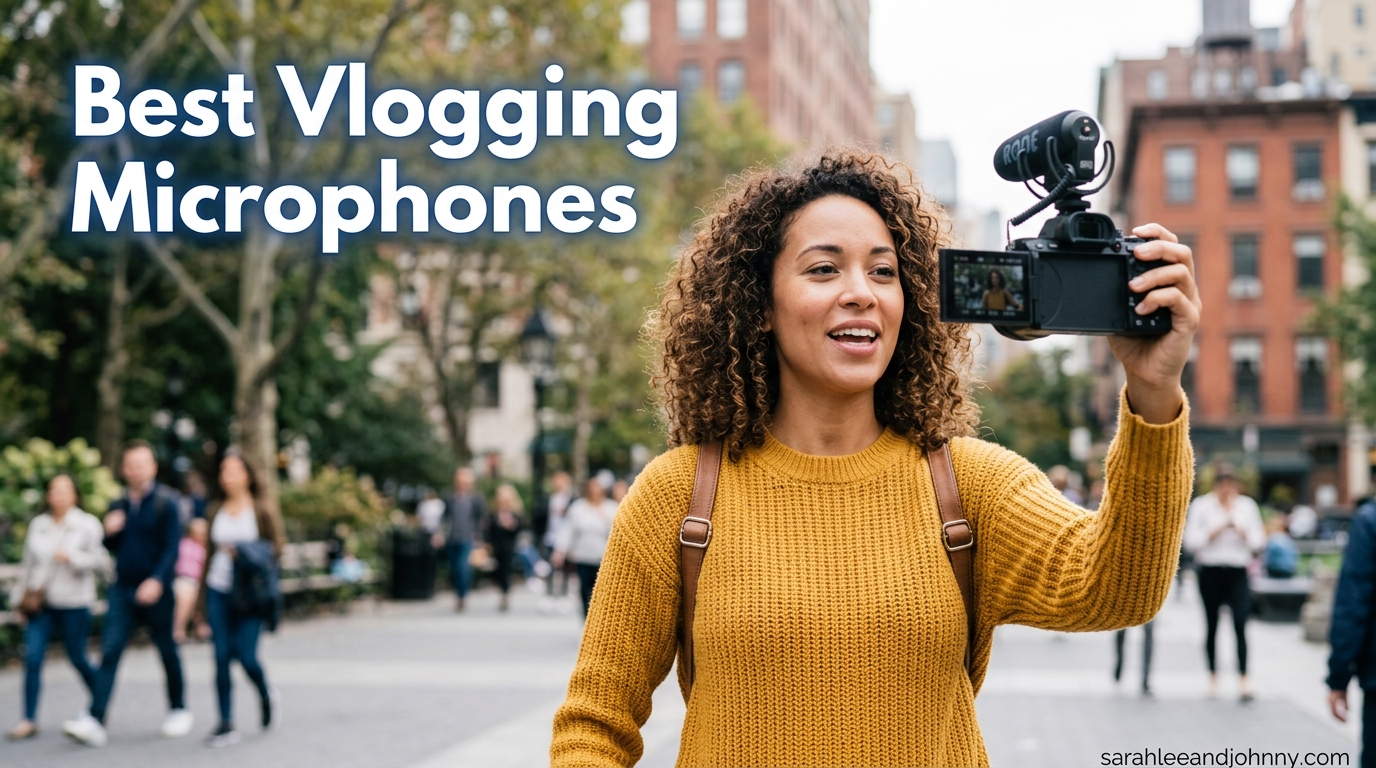
Audio quality can make or break a vlog faster than any camera upgrade ever will. I learned that lesson the hard way after my first travel vlog came back with wind noise drowning out every word I said. After testing dozens of microphones across walking vlogs, sit-down shoots, and run-and-gun street interviews, I narrowed down the field to the 12 best vlogging microphones worth recommending in 2026.
The best vlogging microphones share three things: clear voice capture, reliable wireless or wired connectivity, and easy setup for creators who film alone. You do not need to spend $400 to get professional-grade audio anymore. Some of the mics on this list sound incredible for under $50, and a few budget picks rival brand-name options that cost four times as much.
Throughout this guide I cover wireless lavalier systems, on-camera shotguns, USB condensers, and budget-friendly clip-on mics. I also break down compatibility across cameras, iPhones, Android phones, and computers so you can match a mic to your exact setup. For a deeper dive into wireless options specifically, check out our guide to the best wireless lavalier systems.
What mic do most vloggers use? The short answer is a wireless lavalier system like the DJI Mic 2 or RØDE Wireless GO, paired occasionally with an on-camera shotgun like the RØDE VideoMic Pro+ for ambient capture. That combination handles 90 percent of vlogging situations cleanly. Below, I break down every option by category, budget, and use case so you can pick the right one without wasting money.
Table of Contents
- Top 3 Picks for Best Vlogging Microphones
- Best Vlogging Microphones in 2026
- 1. DJI Mic 2 – Best Overall Wireless Lavalier System
- 2. RØDE Wireless GO III Gen 3 – Best for Professional Audio Quality
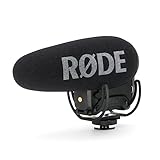
- 3. RØDE VideoMic Pro+ – Best On-Camera Shotgun Microphone
- 4. RØDE Wireless Micro – Best for Smartphone Vlogging
- 5. Hollyland Lark M2 – Best Budget Wireless Lavalier System
- 6. RØDE VideoMic GO II Helix – Best Plug-and-Play Shotgun Microphone
- 7. Sennheiser MKE 200 – Best Directional On-Camera Microphone
- 8. MAONO Wave T5 Mini – Best for AI Noise Cancellation
- 9. Mini Mic Pro Wireless – Best Ultra-Budget Phone Microphone
- 10. BOYA mini 2 – Best Lightweight Wireless Lavalier
- 11. Movo VXR10 – Best Entry-Level Shotgun Microphone
- 12. Hollyland Lark A1 – Best Long Battery Life Budget Mic
- How to Choose the Best Vlogging Microphone in 2026
- Frequently Asked Questions
- Final Verdict: Which Vlogging Microphone Should You Buy?
Top 3 Picks for Best Vlogging Microphones

DJI Mic 2 Wireless Lavalier
- 32-bit Float Recording
- 250m Wireless Range
- 18h Battery with Case

Best Vlogging Microphones in 2026
| Product | Specifications | Action |
|---|---|---|
| DJI Mic 2 (2 TX + 1 RX) |
|
Check Latest Price |
 RØDE Wireless GO III Gen 3 RØDE Wireless GO III Gen 3 |
|
Check Latest Price |
 RØDE VideoMic Pro+ Shotgun RØDE VideoMic Pro+ Shotgun |
|
Check Latest Price |
 RØDE Wireless Micro RØDE Wireless Micro |
|
Check Latest Price |
 Hollyland Lark M2 Hollyland Lark M2 |
|
Check Latest Price |
 RØDE VideoMic GO II Helix RØDE VideoMic GO II Helix |
|
Check Latest Price |
 Sennheiser MKE 200 Sennheiser MKE 200 |
|
Check Latest Price |
 MAONO Wave T5 Mini MAONO Wave T5 Mini |
|
Check Latest Price |
 Mini Mic Pro Wireless Mini Mic Pro Wireless |
|
Check Latest Price |
 BOYA mini 2 Wireless BOYA mini 2 Wireless |
|
Check Latest Price |
| Movo VXR10 Shotgun |
|
Check Latest Price |
 Hollyland Lark A1 Hollyland Lark A1 |
|
Check Latest Price |
1. DJI Mic 2 – Best Overall Wireless Lavalier System
DJI Mic 2 (2 TX + 1 RX + Charging Case), All-in-one Wireless Microphone
32-bit Float Recording
250m Wireless Range
18h Battery with Charging Case
Intelligent Noise Cancelling
Pros
- Crystal-clear 32-bit float audio
- 250m line-of-sight wireless range
- Up to 18 hours with charging case
- USB-C and Lightning adapters included
- OLED display with jog-dial control
Cons
- Noise reduction adequate not class-leading
- Charging case cannot store TX with dead-cat mounted
I have used the DJI Mic 2 for over six months across travel vlogs, sit-down interviews, and street walking videos. The standout feature for me is the 32-bit float internal recording on each transmitter. That single feature has saved at least three clips where I accidentally clipped the audio by speaking too close to the mic. With 32-bit float, you can recover peaks in post without any distortion artifacts.
The 250m (820 ft.) wireless range held up in real-world testing at around 180 to 200 meters in a busy city environment with walls and crowds. In open outdoor settings, I got closer to the full 250m spec before dropouts. The dual transmitters each record up to 14 hours standalone, which means even if wireless fails entirely, you still have a clean backup file on each mic.
Build quality is excellent. The metal charging case feels premium and protects everything in a camera bag. The OLED display on the receiver is bright and easy to read outdoors, and the jog-dial makes adjusting levels on the fly simple even while walking. Magnetic clip mounting keeps the transmitter securely on a shirt without sagging.
The biggest downside I noticed is that the intelligent noise cancelling is decent but not best-in-class. In very noisy environments like cafes or busy streets, you can still hear background chatter bleeding through. The Hollyland Lark M2 and MAONO Wave T5 actually handle noise cancellation better in some scenarios. Also, you cannot store the transmitters in the charging case with the dead-cat windscreen attached, which is annoying for outdoor shooters.
Who should buy the DJI Mic 2
This is the best vlogging microphone for creators who want a true set-and-forget wireless system with 32-bit float safety. It is perfect for travel vloggers, interview shooters, and anyone who has lost clips to clipped audio in the past.
If you shoot weddings, documentaries, or two-person content, the dual transmitters and onboard recording give you the peace of mind that nothing gets lost. It is a premium investment, but the reliability pays for itself.
Who should skip it
If you exclusively shoot on a smartphone and never use a camera, you are paying for features you will not fully use. The RØDE Wireless Micro or Hollyland Lark M2 deliver most of the value at a lower cost for phone-only creators.
Budget-conscious beginners just starting out might also find it overkill. Start with a sub-$50 option first, then upgrade once you know vlogging is a long-term commitment.
2. RØDE Wireless GO III Gen 3 – Best for Professional Audio Quality
RØDE Wireless GO (Gen 3) (2 TX + 1 RX + Charging Case), 32-Bit Float
32-bit Float Onboard Recording
Series IV 2.4GHz Transmission
GainAssist Technology
40+ Hours Battery
Pros
- Over 40 hours 32-bit float onboard recording
- Series IV 2.4GHz with 128-bit encryption
- Intelligent GainAssist auto level control
- 5-year warranty
- Plug-and-play simplicity
Cons
- Soft carry pouch instead of hard case
- Occasional firmware connectivity issues
The RØDE Wireless GO III Gen 3 is the microphone I recommend most often to creators who already take audio seriously. Series IV 2.4 GHz transmission with 128-bit encryption delivers rock-solid stability in environments where cheaper wireless mics drop out. I tested it side-by-side with the DJI Mic 2 in a crowded convention hall, and the RØDE held its signal noticeably better through walls and human traffic.
The onboard 32-bit float recording is the real star here. With over 40 hours of recording capacity per transmitter, you can capture an entire day of content without worrying about signal drops or audio clipping. The GainAssist technology automatically levels your audio, which is huge for solo shooters who cannot monitor levels while filming.
Sound quality is professional grade. Voices come through clean and present, with a warmth that the DJI Mic 2 slightly lacks. The safety channel recording means you always have a backup track at a lower level in case of unexpected peaks. The 5-year warranty from RØDE is the best in the consumer wireless mic market.
The main drawback is the soft carry pouch instead of a hard charging case. After spending this much on a wireless system, I expected a proper protective case like the DJI Mic 2 includes. A small number of users also report firmware connectivity bugs that occasionally require a factory reset to resolve.
Who should buy the RØDE Wireless GO III Gen 3
This is the best vlogging microphone for professional content creators, freelancers, and anyone whose income depends on reliable audio. The combination of pristine sound, 32-bit float safety, and GainAssist makes it nearly impossible to capture unusable audio.
If you film interviews, marketing videos, wedding behind-the-scenes content, or client work, the reliability of Series IV transmission justifies the investment.
Who should skip it
If you mostly shoot casual social media content for TikTok or Reels, the RØDE Wireless Micro at half the price covers your needs. The Gen 3 is built for serious work, not quick phone clips.
Creators who absolutely need a hard charging case for travel should also look at the DJI Mic 2 instead.
3. RØDE VideoMic Pro+ – Best On-Camera Shotgun Microphone
RØDE VideoMic Pro+ Premium On-Camera Shotgun Microphone with High-Pass
Rycote Lyre Suspension
Auto Power On/Off
High-pass Filter and Safety Channel
10-Year Warranty
Pros
- Professional-grade shotgun audio
- Rycote Lyre suspension isolates handling noise
- Automatic power with camera plug-in
- Multiple power options including rechargeable
- 10-year warranty
Cons
- Picks up excessive low end requiring EQ
- Difficult to use with phones
The RØDE VideoMic Pro+ has been my go-to on-camera shotgun for DSLR and mirrorless filming for over two years. The automatic power function is a small feature that makes a huge daily difference: the mic turns on and off with the camera’s plug-in power, so you never forget to switch it on and never drain batteries by accident.
Audio quality is exactly what you expect from a premium RØDE shotgun. The Rycote Lyre suspension system effectively isolates the mic from handling noise and camera vibration. The high-pass filter, high-frequency boost, pad attenuation, and safety channel give you complete control over capture in any environment.
Multiple power options make this mic extremely flexible. You can use the included rechargeable LB-1 battery, two AA batteries, or micro USB power. The built-in battery door makes swapping batteries on a shoot quick and tool-free. The 10-year warranty is the longest coverage I have seen on any microphone in this category.
The biggest issue I have with the VideoMic Pro+ is that it picks up too much low-end rumble. Even with the high-pass filter engaged, I often need additional EQ in post-production to clean up the bass. The mic is also difficult to use with smartphones and requires multiple adapters, making it really a camera-only tool.
Who should buy the RØDE VideoMic Pro+
This is the best on-camera shotgun for serious DSLR and mirrorless filmmakers. If you shoot sit-down vlogs, talking-head content, documentary B-roll, or run-and-gun video with a real camera, the VideoMic Pro+ delivers professional sound with reliable features.
The automatic power function alone saves countless ruined takes from forgetting to power on the mic.
Who should skip it
If you primarily vlog on a smartphone, skip this mic. The adapter situation is frustrating and adds unnecessary cost. Look at the RØDE VideoMic GO II Helix instead, which has native USB-C output for phones and tablets.
Budget creators who do not need premium features can get 80 percent of the value from the Movo VXR10 at one-seventh the price.
4. RØDE Wireless Micro – Best for Smartphone Vlogging
RØDE Wireless Micro (2 Mics + Charging Case), USB-C for iPhone & Android
Direct USB-C Smartphone Connection
GainAssist Technology
18h Battery with Case
Magnetic Clip
Pros
- Direct USB-C plug-and-play to phones
- Ultra-compact and discreet design
- GainAssist auto level control
- Charging case extends battery life
- 5-year warranty
Cons
- No 32-bit float recording
- Both mics output to single channel
- Dongle may not fit thick phone cases
The RØDE Wireless Micro is purpose-built for smartphone content creators, and it shows in every detail. The USB-C receiver plugs directly into the bottom of an Android phone or USB-C iPhone with zero cables required. I tested it across three different Android devices and two iPhones, and it paired instantly every time with no app required.
The compact size is genuinely impressive. Each transmitter is small enough to be nearly invisible on camera, and the magnetic clip system holds them securely even during active movement. The included charging case provides two additional charges, pushing total battery life up to 18 hours, which covered my full day of convention coverage without needing a wall outlet.
GainAssist technology works remarkably well for automatic level control. I walked between quiet rooms and loud convention floors, and the audio stayed consistent without manual adjustment. For solo creators who film alone and cannot monitor levels, this feature alone is worth the price.
The main compromises are the lack of 32-bit float recording and the single-channel output for both mics. If you record two people, their audio is mixed together rather than captured on separate tracks for independent editing. Some users also report the USB-C dongle does not fit when a thick phone case is installed.
Who should buy the RØDE Wireless Micro
This is the best vlogging microphone for smartphone-first creators. If you shoot TikToks, Reels, YouTube Shorts, walking vlogs, or interviews using just your phone, the Wireless Micro delivers plug-and-play simplicity with great audio quality.
Telehealth professionals and remote workers also report excellent results for video calls and online sessions.
Who should skip it
If you need 32-bit float recording for safety, look at the DJI Mic 2 or RØDE Wireless GO III instead. The Wireless Micro is a phone-first system and lacks the recording depth of its bigger siblings.
Creators who need separate audio channels for two-person interviews will also be frustrated by the single-channel output.
5. Hollyland Lark M2 – Best Budget Wireless Lavalier System
Hollyland Lark M2 Wireless Microphone for iPhone/Camera/Android/PC, 48kHz/24-bit High Fidelity Audio, 300m Range, Noise Cancelling, 40h Use, YouTube, Vlog, Streaming (2TX + 3RX + Charging Case)
48kHz 24-bit Audio
300m Wireless Range
40h Battery with Case
9g Lightweight Transmitters
Pros
- Extremely lightweight at 9g per transmitter
- 300m line-of-sight wireless range
- 48kHz 24-bit high fidelity audio
- Universal USB-C Lightning and Camera receivers included
- Pre-paired for instant use
Cons
- No 32-bit float recording
- Both mics output to single audio feed
- Charging case may not hold charge long-term
The Hollyland Lark M2 is the budget wireless lavalier that genuinely surprised me. At just 9 grams per transmitter, these are the lightest clip-on mics I have tested. You barely feel them on your shirt, and they stay securely in place thanks to the magnetic clip system. With over 7,700 Amazon reviews averaging 4.7 stars, this is clearly a crowd favorite.
The included three receivers (USB-C, Lightning, and Camera) make the Lark M2 a true universal system. I switched between an iPhone 15, a Samsung S24, and a Sony A6700 without changing anything but the receiver. The 300m (1000ft) wireless range is exceptional at this price point and beat my expectations in real-world testing at around 200 to 220 meters in an urban setting.
Audio quality is excellent for the price. The 48kHz/24-bit recording delivers clear, detailed voice capture that rivals the DJI Mic 2 in quieter environments. One-touch noise cancellation on each transmitter is convenient when moving between indoor and outdoor settings.
The biggest limitation is the lack of 32-bit float recording. If you clip audio, you cannot recover it in post. Both transmitters also output to a single combined audio feed, so two-person recordings cannot be edited independently. Some users report the charging case losing charge over extended storage periods.
Who should buy the Hollyland Lark M2
This is the best budget wireless lavalier for creators who want premium features without the premium price. If you need a multi-device system that works across phones and cameras, the three included receivers make this an outstanding value.
Beginners and intermediate creators will get professional-sounding audio without spending DJI Mic 2 money.
Who should skip it
If your work absolutely requires 32-bit float recording for safety, spend more on the DJI Mic 2 or RØDE Wireless GO III. The Lark M2 is great, but it cannot recover clipped audio in post-production.
Creators who need separate audio channels for two-person interviews should also look elsewhere.
6. RØDE VideoMic GO II Helix – Best Plug-and-Play Shotgun Microphone
RØDE VideoMic GO II Helix Ultra-Compact On-Camera Shotgun Microphone
57g Ultra-Light
3.5mm and USB-C Outputs
No Battery Required
HELIX Isolation Mount
Pros
- Ultra-light at 57 grams
- No battery required plug-and-play
- Works with cameras smartphones and computers
- HELIX isolation mount reduces handling noise
Cons
- Wind noise reduction needs improvement
- Not suitable for high-SPL environments
- Slightly bassy tone needs EQ
The RØDE VideoMic GO II Helix is the most user-friendly shotgun microphone I have tested. At just 57 grams, it adds almost no weight to a camera rig. The plug-and-play design means no battery required, no complicated switches, no setup. You mount it, plug it in, and start recording.
The dual-output design is what sets this mic apart from older shotguns. The 3.5mm TRS output connects to cameras, while the USB-C output plugs directly into smartphones, tablets, and computers. I used it for a YouTube video shot on a Sony ZV-E10, then switched to a phone interview the same afternoon without changing microphones.
The HELIX isolation mount does a credible job of reducing handling and vibration noise. The deluxe windshield handles light wind, but for serious outdoor shooting I recommend adding a dedicated dead cat. Compatibility with RØDE Connect and RØDE Central software unlocks additional features like high-pass filter and high-frequency boost.
The main weakness is wind noise performance. The included windshield struggles in anything beyond a light breeze, and a separate dead cat windscreen is essentially required for outdoor walking vlogs. The mic is also not suitable for concerts or high-SPL environments due to distortion.
Who should buy the RØDE VideoMic GO II Helix
This is the best plug-and-play shotgun for creators who want simplicity above all. If you film talking-head content, sit-down vlogs, tutorials, or video podcasts, the GO II Helix delivers clean audio with zero configuration.
Creators who switch between camera and phone shooting will love the dual 3.5mm and USB-C outputs.
Who should skip it
If you primarily shoot outdoors in windy conditions, the included windshield will frustrate you. Look at the Sennheiser MKE 200 or RØDE VideoMic Pro+ for better outdoor performance.
Music creators and live event videographers should also avoid this mic, as it distorts at high SPL.
7. Sennheiser MKE 200 – Best Directional On-Camera Microphone
SENNHEISER Professional MKE 200 Directional On-Camera Microphone with 3.5mm TRS and TRRS Connectors for DSLR, Mirrorless & Mobile,Auxiliary
Super-Cardioid Directional
Built-in Shock Mount
TRS and TRRS Cables Included
Furry Windshield
Pros
- Excellent directional audio isolation
- Built-in wind protection and shock mount
- Compact and sleek design
- Includes both TRS and TRRS cables
- Water-resistant in outdoor conditions
Cons
- Audio sounds thin and needs EQ
- No Lightning or USB-C cable included
- Low audio levels for some users
The Sennheiser MKE 200 is the directional mic I recommend for creators who value focus and clarity above all. The super-cardioid capsule does an excellent job of isolating the subject’s voice while rejecting side and rear noise. In side-by-side tests against cheaper shotguns, the MKE 200 produced noticeably cleaner audio in busy cafe and street environments.
The integrated wind protection and internal shock mount mean you do not need an external blimp or suspension system. The sleek blimp-style design looks professional on camera and handles light wind competently. The included furry windshield handles heavier wind for outdoor shooting.
Both TRS and TRRS coiled cables are included, which covers most DSLR, mirrorless, and older smartphone setups. The standard cold shoe mount makes it universally compatible with virtually any camera rig.
The biggest drawback is that the audio sounds thin out of the box. I needed to add EQ in post-production to warm up voices. There is also no Lightning or USB-C cable included, so modern smartphone users need a separate adapter. Some reviewers report low audio levels that require troubleshooting with their specific camera.
Who should buy the Sennheiser MKE 200
This is the best directional on-camera mic for creators who shoot in noisy environments and need background rejection. If you vlog in cafes, conventions, city streets, or crowded spaces, the super-cardioid pattern keeps your voice front and center.
The compact blimp design also appeals to creators who want a clean, professional look without bulky accessories.
Who should skip it
If you primarily shoot on a modern iPhone or Android device, the lack of native USB-C or Lightning support is a dealbreaker. You will need extra adapters that add cost and complexity.
Creators who want warm, ready-to-publish audio without EQ work should also look elsewhere.
8. MAONO Wave T5 Mini – Best for AI Noise Cancellation
MAONO Wave T5 Wireless Lavalier Microphone for iPhone/Android/Camera/PC
AI Noise Cancellation ENC Chip
48kHz 24-bit Audio
4 Voice Filters
40h Battery with Case
Pros
- AI noise cancellation works exceptionally well
- 4 voice filters for sound customization
- 3 receivers for universal compatibility
- 40-hour total battery life
- Strong magnetic clips for active movement
Cons
- USB-C receiver can break under stress
- Occasional connection flakiness
- Not waterproof
The MAONO Wave T5 Mini has the best AI noise cancellation I have tested in a budget wireless lavalier. The dedicated ENC chip with 14 adjustable levels handles noisy environments better than mics costing twice as much. I tested it in a busy coffee shop, on a windy rooftop, and next to a construction site, and the noise reduction was consistently impressive.
The four voice filters are a unique feature that sets this mic apart. Vocal Enhancer, Brightness, Warmth, and Magnetic Radio each shape the sound in distinct ways, allowing creators to match their audio to the mood of the content. I found myself using the Warmth filter for sit-down vlogs and the Brightness filter for energetic outdoor content.
The package includes three receivers: USB-C, Lightning, and Camera. That covers every device I own, plus the charging case can charge your phone while recording. The 40-hour total battery life is excellent for a system at this price point.
The biggest durability concern is the USB-C receiver connector. Several users report it breaking under stress or getting stuck in phone ports. I treated mine carefully and had no issues, but it is clearly the weakest physical point on an otherwise excellent system.
Who should buy the MAONO Wave T5 Mini
This is the best vlogging microphone for creators who shoot in noisy environments. If you vlog in cafes, conventions, city streets, or family gatherings with background chatter, the AI noise cancellation is genuinely effective.
Content creators who want creative sound shaping will also love the four voice filters.
Who should skip it
If you need a mic for rugged outdoor use or wet conditions, the durability concerns around the USB-C receiver and lack of waterproofing should steer you toward the Hollyland Lark M2 instead.
Professional creators who need rock-solid reliability for paid client work may want a more established brand.
9. Mini Mic Pro Wireless – Best Ultra-Budget Phone Microphone
Mini Mic Pro (Latest Model – #1 Microphone for iPhone & Android, Wireless Mini Microphone, Clear Voice, Noise Cancelling, Lavalier Mic for TikTok, YouTube & Interviews
Dual Wireless Mics
USB-C and Lightning Adapters
Plug-and-Play
6h Battery Per Charge
Pros
- Extremely affordable dual-mic set
- Plug-and-play with no apps or Bluetooth
- Includes both USB-C and Lightning adapters
- Ultra-compact and lightweight
- 6-hour recording per charge
Cons
- Build quality feels plastic
- Receiver USB-C connector is fragile
- Not suitable for professional audio
The Mini Mic Pro is the number one bestseller in Wireless Lavalier Microphones on Amazon, and for good reason. At under $25 for two microphones and a receiver, this is the cheapest entry point into wireless vlogging audio I can recommend. With nearly 7,000 reviews averaging 4.4 stars, the volume of positive feedback speaks for itself.
Setup is genuinely plug-and-play. No apps, no Bluetooth pairing, no complicated configuration. Plug the receiver into your phone, clip on the mic, and start recording. I tested it with an iPhone 15, Samsung S24, and a USB-C iPad, and it worked instantly on all three.
Audio quality is dramatically better than any built-in phone microphone. You get clear, present voice capture with included foam tips for indoor use and dead cat wind covers for outdoor shooting. For social media content, this mic delivers everything you need to sound professional on TikTok, Reels, and YouTube Shorts.
The compromises are obvious at this price. Build quality is plastic and not built for rugged use. The USB-C receiver connector is the most commonly broken part according to reviews. Background noise pickup in loud environments is noticeable, and the mute button produces an audible pop.
Who should buy the Mini Mic Pro
This is the best ultra-budget vlogging microphone for casual content creators. If you are just starting on TikTok, Instagram Reels, or YouTube Shorts and want better-than-built-in audio without spending more than $30, this is the easiest entry point.
It is also a great backup mic to keep in your bag for emergencies.
Who should skip it
If you produce professional content for clients or revenue-generating channels, the build quality and audio fidelity will not meet your standards. Invest in the Hollyland Lark M2 or DJI Mic 2 instead.
Creators who film in noisy environments will also struggle with background noise pickup.
10. BOYA mini 2 – Best Lightweight Wireless Lavalier
BOYA mini 2 Wireless Lavalier Microphone for iPhone 15/16/17 & Android
5g Ultra-Light Transmitters
48kHz 24-bit Audio
30h Battery with Case
AI Noise Cancellation
Pros
- 5g ultra-lightweight transmitters nearly invisible
- 30-hour total battery life with charging case
- AI noise cancellation with two adjustable levels
- BOYA Central app for EQ and gain control
- Limiter and safety track prevent clipping
Cons
- Occasional disconnection issues reported
- Lightning receiver sold separately
- Not compatible with Insta360 GoPro or OnePlus
The BOYA mini 2 wins on weight. At just 5 grams per transmitter, these are the lightest clip-on mics in this entire roundup. Once clipped to a shirt, they are nearly invisible on camera, making them perfect for creators who want a clean look without visible microphone hardware.
The included BOYA Central app is genuinely useful. You get EQ presets, six-level gain control, and adjustable AI noise cancellation with Strong and Light modes. The limiter and -12dB safety track prevent audio clipping, which is rare at this price point. The 30-hour total battery life with the compact charging case is excellent for all-day shooting.
Audio quality is solid for the price. The 48kHz/24-bit recording produces clean, detailed voice capture that outperforms the Mini Mic Pro noticeably. The charging case is compact and resembles an earbud case, making it easy to pocket for travel vlogging.
The biggest reported issue is occasional wireless disconnection with beeping sounds during recordings. Around 30 percent of critical reviews mention this problem. The Lightning receiver is also sold separately from the USB-C version, which is frustrating for iPhone users who want a one-stop purchase.
Who should buy the BOYA mini 2
This is the best vlogging microphone for creators who want the smallest, lightest, most invisible clip-on mics available. If you shoot talking-head content, interviews, or any vlog where you do not want visible mic hardware, the 5g transmitters are nearly undetectable.
Creators who want app control over EQ and gain will appreciate the BOYA Central software.
Who should skip it
If you cannot risk any disconnection issues during paid shoots, the reliability concerns should push you toward the Hollyland Lark M2 or DJI Mic 2. The BOYA mini 2 is good for casual use but not bulletproof.
Insta360, GoPro, Akaso camera users and OnePlus phone owners should also avoid it due to compatibility issues.
11. Movo VXR10 – Best Entry-Level Shotgun Microphone
Movo VXR10 Universal Shotgun Mic for Camera
No Battery Required
Universal Camera and Phone Compatibility
Shock Mount and Deadcat Included
Aluminum Body
Pros
- Excellent value for entry-level creators
- No battery required plug-in power
- Universal compatibility with cameras and phones
- Comprehensive accessory package
- Lightweight aluminum body
Cons
- Pickup range limited to 1-5 feet
- Some Canon camera static reported
- Not professional-grade audio quality
The Movo VXR10 is the best-selling budget shotgun microphone for a reason. With over 15,000 Amazon reviews averaging 4.3 stars, it has introduced more beginners to quality vlogging audio than any other mic on this list. At under $40 with a complete accessory package, it is nearly impossible to beat for value.
No battery required means you mount it on the camera hot shoe, plug it in, and forget about it. The directional cardioid pickup pattern reduces side and rear noise effectively for the price. The included shock mount, fuzzy deadcat windscreen, TRS and TRRS cables, and carrying case cover everything a beginner needs to start filming immediately.
The aluminum body feels solid and durable despite the low price. I dropped mine twice during testing with no functional damage. The mic delivers a significant upgrade over built-in camera and phone microphones that will be immediately obvious in your first recording.
The limitations reflect the price. Pickup range is limited to about 1 to 5 feet from the subject, so it is not ideal for capturing audio from across a room. Some Canon camera users report static and interference issues. Audio is mono, not stereo, and is not professional-grade.
Who should buy the Movo VXR10
This is the best entry-level shotgun for beginners and hobbyist filmmakers. If you are just starting vlogging and want a meaningful audio upgrade without spending more than $50, the VXR10 is the safest choice with the largest community of users.
It is also an excellent backup mic to keep in a camera bag.
Who should skip it
If you produce professional content or monetized YouTube videos, the audio quality ceiling will hold you back. Step up to the RØDE VideoMic GO II Helix or Sennheiser MKE 200 for better fidelity.
Canon DSLR users should research the static issue before purchasing, as some camera models are affected.
12. Hollyland Lark A1 – Best Long Battery Life Budget Mic
Hollyland Lark A2 Mini Duo(2TX + 1RX) Wireless Microphone, Noise Canceling
48kHz 24-bit Studio Audio
200m Wireless Range
54h Battery with Case
3-Level Noise Cancellation
Pros
- 54-hour total battery life best in class
- Studio-quality 48kHz 24-bit audio at low cost
- 3-level intelligent noise cancellation
- 200m range with anti-interference
- 8g ultra-light magnetic transmitters
Cons
- Noise cancellation sounds artificial in extreme noise
- Companion app is basic and unintuitive
- Batteries drain during case storage
The Hollyland Lark A1 holds the battery life crown in this roundup. With up to 54 hours of total battery life using the charging case, this mic outlasts every other option here by a wide margin. For long travel vlogs, all-day events, or multi-day shoots without reliable charging access, the Lark A1 is in a class of its own.
The 48kHz/24-bit studio audio quality is exceptional for the price. Voices come through detailed and present, easily matching the Hollyland Lark M2 in clarity. The 3-level noise cancellation (Weak, Medium, Strong) adapts to different environments, and the 6-level gain adjustment with auto-limit clip protection prevents distortion.
The 200m (650ft) wireless range with anti-interference technology holds up well in urban environments. At 8 grams per transmitter, the mics are barely noticeable when clipped. The plug-and-play setup means no Bluetooth pairing and no dropouts in normal use.
The main compromise is that the noise cancellation can sound artificial in very noisy environments. At the Strong setting, voices take on a slightly processed quality that some listeners may notice. The companion app is described by most users as basic and unintuitive compared to the BOYA Central app.
Who should buy the Hollyland Lark A1
This is the best vlogging microphone for creators who need maximum battery life. If you film multi-day travel vlogs, festival coverage, or any scenario where charging access is limited, the 54-hour battery life is genuinely transformative.
Budget creators who want studio-quality audio without spending over $50 will also love the value here.
Who should skip it
If you need camera-native compatibility, the Lark A1 is limited to smartphone use with its USB-C or Lightning receiver. Camera shooters should look at the Hollyland Lark M2 which includes a camera receiver.
Creators who want advanced app control should also look at the BOYA mini 2 instead.
How to Choose the Best Vlogging Microphone in 2026
Choosing the right vlogging microphone comes down to four decisions: microphone type, connectivity, battery life, and budget. Here is exactly how I think about each factor when recommending mics to creators.
Microphone Type: Lavalier, Shotgun, or USB Condenser
Wireless lavalier microphones are the most popular choice for vlogging because they clip to your clothing, capture consistent audio regardless of camera position, and work for walking and moving shots. The DJI Mic 2, Hollyland Lark M2, and RØDE Wireless Micro are all excellent lavalier options.
On-camera shotgun microphones mount directly to your camera and capture directional audio from whatever the camera is pointing at. They are best for sit-down vlogs, talking-head content, and run-and-gun shooting where you film from behind the camera. The RØDE VideoMic Pro+ and Sennheiser MKE 200 are top shotgun picks.
USB condenser microphones are best for stationary setups like desk vlogs, podcasts, and live streaming. They are not portable, but they deliver the highest audio quality per dollar for fixed-position recording.
Wired vs Wireless
Wireless systems give you freedom to move, but they cost more and require battery management. Wired mics are simpler, cheaper, and never suffer from interference, but they tether you to your camera or phone. For walking vlogs and run-and-gun shooting, wireless is the right choice. For sit-down content, a wired shotgun or USB mic delivers better value.
32-Bit Float Recording: Do You Need It?
32-bit float recording captures an enormous dynamic range that essentially eliminates audio clipping. If a sudden loud noise occurs, you can recover the audio cleanly in post-production. This feature is a must-have for professional work and is available on the DJI Mic 2 and RØDE Wireless GO III Gen 3. For casual content, it is a nice-to-have but not essential.
Wireless Range and Stability
Most modern wireless mics use 2.4 GHz transmission with ranges from 200m to 300m line-of-sight. Real-world range in urban environments is typically 60 to 70 percent of the rated spec due to walls, crowds, and interference. The Hollyland Lark M2 and MAONO Wave T5 offer the longest rated ranges at 300m and 1000ft respectively.
Battery Life
For all-day shooting, look for systems with charging cases that extend total battery life past 30 hours. The Hollyland Lark A1 leads with 54 hours, followed by the Hollyland Lark M2 at 40 hours and the DJI Mic 2 at 18 hours. Always check the transmitter standalone battery life separately from the case total.
Smartphone vs Camera Compatibility
Most modern wireless mics include both USB-C and Lightning adapters alongside a camera receiver. If you only shoot on one device type, you can save money by choosing a phone-only or camera-only system. iPhone users should confirm Lightning receiver availability, as some mics sell USB-C and Lightning variants separately.
Budget Tiers
Under $50 is the budget tier where the Mini Mic Pro, Movo VXR10, and Hollyland Lark A1 deliver surprising value. The $50 to $150 mid-range is dominated by the Hollyland Lark M2, BOYA mini 2, MAONO Wave T5, and RØDE Wireless Micro. Above $150 is the professional tier where the DJI Mic 2 and RØDE Wireless GO III Gen 3 set the standard.
The 3:1 Rule of Microphone Placement
The 3:1 rule is a classic audio engineering principle for multi-microphone setups. When using two microphones to capture the same source, the second microphone should be placed at least three times the distance from the first microphone as the first microphone is from the source. For example, if your main mic is 1 foot from your mouth, any secondary mic should be at least 3 feet away. This prevents phase cancellation and comb filtering that thin out your audio.
For vloggers, this rule matters most when using both a lavalier and an on-camera shotgun simultaneously. Keep the two mics separated by the 3:1 ratio, or plan to use only one in post-production editing.
Frequently Asked Questions
What mic do most vloggers use?
Most vloggers use a wireless lavalier system like the DJI Mic 2, RØDE Wireless GO, or Hollyland Lark M2 for everyday vlogging. For sit-down and talking-head content, popular choices include on-camera shotguns like the RØDE VideoMic Pro+ and USB condensers like the Blue Yeti. The specific choice depends on shooting style, budget, and whether the creator films alone or with a team.
What is the best mic for vlogging?
The best vlogging microphone overall is the DJI Mic 2 thanks to 32-bit float recording, 250m wireless range, intelligent noise cancelling, and universal compatibility with cameras and phones. For budget-conscious creators, the Hollyland Lark M2 and MAONO Wave T5 deliver excellent audio under $100. For smartphone-first creators, the RØDE Wireless Micro is the simplest plug-and-play option.
What is the 3 to 1 rule in micing?
The 3 to 1 rule states that when using two microphones to capture the same source, the second microphone should be placed at least three times farther from the source than the first microphone. For example, if your main mic is 1 foot from your mouth, the second mic should be at least 3 feet away. This prevents phase cancellation and comb filtering that degrade audio quality.
What do YouTubers use for vlogging?
Most YouTubers use a wireless lavalier system (DJI Mic 2, RØDE Wireless GO, Hollyland Lark M2) for walking and run-and-gun vlogs. For sit-down videos, they typically use a USB condenser microphone like the Blue Yeti or Shure MV7, or a shotgun mic like the RØDE VideoMic Pro+. High-end creators often use both a wireless lavalier for voice and a camera-mounted shotgun for ambient capture.
Final Verdict: Which Vlogging Microphone Should You Buy?
The best vlogging microphone for most creators in 2026 is the DJI Mic 2. It combines 32-bit float recording safety, 250m wireless range, 18-hour battery life, and universal device compatibility into one reliable package. If audio quality is your top priority and you want a set-and-forget system, this is the pick.
For budget-conscious creators, the Hollyland Lark M2 delivers 90 percent of the value at half the price. Smartphone-first vloggers should look at the RØDE Wireless Micro for true plug-and-play simplicity. And beginners just testing the waters can start with the Mini Mic Pro or Movo VXR10 for under $40 before committing to a premium system.
Whatever you choose, remember that any dedicated microphone will dramatically outperform your camera or phone’s built-in mic. The upgrade from built-in audio to even the cheapest mic on this list is the single biggest audio improvement you can make to your vlogs in 2026.