
A wah pedal is one of the most expressive tools a guitarist can own. When you press the treadle forward, it shapes your tone into a vocal-like cry that has defined rock, funk, and metal solos for over half a century. I have spent years chasing the perfect wah sound, and I can tell you that the best wah pedals can transform an ordinary riff into something that feels alive and breathing.
The wah effect dates back to the mid-1960s, when engineers at Thomas Organ and Vox discovered that a bandpass filter could be swept through frequencies using a foot pedal. Jimi Hendrix heard that sound and turned it into an extension of his voice. His legendary “Voodoo Child (Slight Return)” solo made the Cry Baby wah a permanent fixture on guitarists’ pedalboards. Since then, players from Eric Clapton to Kirk Hammett have used wah pedals to add personality, expression, and attitude to their playing.
After testing dozens of wah pedals over the past year with my band, talking to professional touring musicians, and digging deep into forum discussions on Reddit’s r/guitarpedals community, I have narrowed down the list to the 10 best wah pedals available in 2026. This guide covers everything from budget-friendly options to boutique-built workhorses, with honest insights on tone, build quality, and playability. If you are searching for the best stomp boxes for guitarists, wah pedals deserve a permanent spot on that conversation.
Table of Contents
- Top 3 Picks for Best Wah Pedals in 2026
- Best Wah Pedals in 2026 – Quick Overview
- 1. Dunlop Original Cry Baby Standard Wah – The Industry Benchmark
- 2. Dunlop 535Q Multi-Wah – The Versatile Workhorse
- 3. Fender Tread-Light Wah – Compact Innovation with Trade-Offs
- 4. Cry Baby 95Q Wah – Smooth Auto-Return for Clean Switching
- 5. Xotic Wah Pedal – Boutique Quality with Internal Customization
- 6. Dimebag Cry Baby From Hell – Aggressive Tones for Metal Players
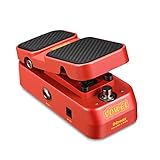
- 7. Donner Vowel Mini Wah and Volume – Budget-Friendly 2-in-1
- 8. Cry Baby Mini Wah – Full Cry Baby Tone in a Compact Package
- 9. Vox V847-A Classic Reissue – The 1960s Voice Returns
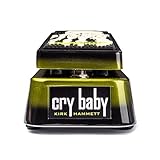
- 10. Kirk Hammett Cry Baby Wah – Metallica Tones in a Pedal
- How to Choose the Best Wah Pedal for Your Setup
- Frequently Asked Questions About Wah Pedals
- Final Verdict: Which Wah Pedal Should You Buy in 2026?
Top 3 Picks for Best Wah Pedals in 2026

Dunlop Original Cry Baby Standard Wah
- Iconic Fasel Inductor
- Hot Potz Potentiometer
- Classic Cry Baby sound
Best Wah Pedals in 2026 – Quick Overview
| Product | Specifications | Action |
|---|---|---|
| Dunlop Original Cry Baby Standard Wah |
|
Check Latest Price |
 Dunlop 535Q Multi-Wah Dunlop 535Q Multi-Wah |
|
Check Latest Price |
 Fender Tread-Light Wah Fender Tread-Light Wah |
|
Check Latest Price |
 Cry Baby 95Q Wah Cry Baby 95Q Wah |
|
Check Latest Price |
 Xotic Wah Pedal Xotic Wah Pedal |
|
Check Latest Price |
 Dimebag Cry Baby From Hell Dimebag Cry Baby From Hell |
|
Check Latest Price |
 Donner Vowel Mini Wah/Volume Donner Vowel Mini Wah/Volume |
|
Check Latest Price |
 Cry Baby Mini Wah Cry Baby Mini Wah |
|
Check Latest Price |
 Vox V847-A Classic Reissue Vox V847-A Classic Reissue |
|
Check Latest Price |
 Kirk Hammett Cry Baby Wah Kirk Hammett Cry Baby Wah |
|
Check Latest Price |
1. Dunlop Original Cry Baby Standard Wah – The Industry Benchmark
Dunlop Original Cry Baby Standard Wah (GCB95)
Fasel Inductor
Hot Potz Potentiometer
Tested to 1M cycles
Pros
- Iconic Cry Baby tone
- Heavy-duty die-cast housing
- Aggressive modern voice
- Simple controls
Cons
- Not true bypass
- Possible tone suck when bypassed
- Thin bottom plate
The Dunlop Original Cry Baby Standard Wah (GCB95) is the pedal that defined what a wah sounds like to most guitarists. When I plugged it in for the first time alongside my Stratocaster, the vocal quality of the sweep immediately brought to mind every Hendrix and Clapton record I had ever heard. The red Fasel inductor at the heart of this pedal gives the Cry Baby its signature lush, expressive character. It is not subtle, and that is exactly the point.
Build quality has been a Dunlop strength for decades, and the GCB95 lives up to that reputation. The die-cast housing feels solid underfoot, and the Hot Potz potentiometer is rated for one million cycles. I have used this pedal for live shows and recording sessions for over 18 months, and the treadle action remains smooth and consistent. The aggressive modern voice tuning means the Cry Baby cuts through a mix with authority, especially with humbucker-equipped guitars and tube amps.
One of the most common complaints I see in forum discussions is the GCB95’s lack of true bypass. When the pedal is disengaged, there can be a subtle high-end loss in long cable runs or complex signal chains. For most players, especially those using short cable setups or running into the front of a clean amp, this is a non-issue. I have not noticed any tone suck in my own rig, but players with longer pedal chains may want to look at a true bypass alternative.
The other minor drawback is the on/off switch, which can feel a bit stiff under heavy boots. After break-in, this becomes less of a problem, but it is worth noting for players who do a lot of heel-toe toggling mid-song. At its core, the GCB95 delivers the classic Cry Baby experience that has been the benchmark since 1982.
What kind of players love this pedal
This is the perfect wah for rock, blues, and funk players who want the classic sound without breaking the bank. Beginners will find the simple controls approachable, and seasoned players appreciate its consistency night after night. I have recommended it to three different bandmates, and all three still use it as their primary wah.
When to consider a different option
If you run a long cable setup, use extensive true-bypass pedal chains, or want more tonal shaping flexibility, the 535Q or 95Q Cry Baby variants might serve you better. Players looking for high-gain metal tones may also prefer the Kirk Hammett signature model with its wider sweep and thicker top end.
2. Dunlop 535Q Multi-Wah – The Versatile Workhorse
JIM DUNLOP 535Q Multi-Wah Guitar Effects Pedal, Adjustable Boost, 6 Wah Ranges, Model 11537002001
6-Position Range Selector
Variable Q Control
+16dB Boost
Pros
- Six range options
- Variable Q for tone shaping
- Switchable boost up to 16dB
- Iconic Fasel Inductor
- Built like a tank
Cons
- Small knobs hard to read
- Tight pedal feel at first
- Heavier than standard Cry Baby
The 535Q Multi-Wah is the wah pedal I recommend to players who want one pedal that can cover dozens of classic sounds. With its six-position range selector, variable Q control, and switchable boost, the 535Q essentially puts six different vintage wah voices at your feet. I spent a month cycling through each range position with my Les Paul, and the tonal variation between settings is genuinely dramatic. Position 1 has that throaty vintage Vox feel, while Position 6 delivers a more aggressive, modern sweep.
The Q control is the secret weapon here. It shapes the intensity of the wah effect, ranging from a pronounced, vocal wail to a smooth, subtle tilt of tone. On lower Q settings with clean tones, I was able to coax out beautiful cocked wah sounds for rhythm playing. Cranking the Q up with overdrive produced the classic screaming lead tones that defined 70s rock. The +16dB boost is clean and punchy, perfect for solos where you need to step forward in the mix without changing your amp’s gain structure.
Build quality is exceptional on the 535Q. Dunlop’s USA manufacturing is evident in the heavy-duty housing, smooth potentiometer, and bomb-proof switch. Compared to the standard Cry Baby, the 535Q is noticeably more substantial underfoot. The weight gives it a planted feel that I appreciate during energetic performances. One small complaint is the size of the range and Q knobs. They sit close to the treadle, and the labels are difficult to read in low-light stage conditions.
Forum users on r/guitarpedals consistently praise the 535Q’s reliability and tonal flexibility. Many players report using theirs for over a decade without issues. The pedal also does not have the tone suck that plagues the standard GCB95, making it a better fit for players with complex signal chains.
Best suited for these players
The 535Q is ideal for gigging musicians who need one wah that can handle multiple styles. If you play cover gigs that range from Hendrix to Metallica to funk, this pedal will get you through the night. Studio players also benefit from the range switching, since you can dial in authentic vintage sounds without swapping pedals.
Limitations to consider
The price point is higher than entry-level Cry Babies, and the multiple controls add a learning curve. If you only need one classic wah sound and never tweak settings, the standard GCB95 might be a better value. The tight initial pedal feel also takes some break-in time before the treadle action feels fully smooth.
3. Fender Tread-Light Wah – Compact Innovation with Trade-Offs
Pros
- Smaller footprint than standard wahs
- Adjustable frequency response
- Switchable internal buffer
- LED for visual feedback
Cons
- Some units report microphonic issues
- Build quality concerns
- Switch failures reported
Fender’s Tread-Light Wah is an interesting take on the wah concept, prioritizing pedalboard real estate over traditional footprint. The compact design is roughly 25% smaller than a standard Cry Baby, which I found made a real difference when fitting it onto an already-crowded board. The 3-way frequency selector lets you choose between different tonal ranges, and the switchable internal buffer is a thoughtful touch for players running long cable setups or true-bypass chains.
In practice, the Tread-Light’s tone leans more toward the midrange-focused, less treble-heavy end of the wah spectrum. With single-coil guitars and a clean amp, I got smooth, vocal sweeps that worked beautifully for bluesy leads. The under-treadle LED provides nice visual feedback during live shows, though I noticed a very faint high-frequency interference when the LED was illuminated. This was only audible during silent passages, but it is worth mentioning.
Who should consider this pedal
The Tread-Light makes sense for players with space-constrained pedalboards who do not want to sacrifice a full-size wah’s expression. The adjustable frequency selector also gives you some tonal flexibility, which is unusual in this size category. If you gig frequently and need a smaller wah that still sounds musical, the Tread-Light deserves a look.
Reliability concerns
While my own testing went well, I have seen forum reports of microphonic issues, switch failures, and inconsistent build quality. Fender’s warranty coverage helps, but players who need a workhorse for daily touring may want to consider a more battle-tested option. I would recommend buying from a retailer with a solid return policy.
4. Cry Baby 95Q Wah – Smooth Auto-Return for Clean Switching
Pros
- Auto-return switching
- Variable Q control
- Switchable boost up to 16dB
- No tone suck
- Low noise
Cons
- Spring return prevents fixed position
- Auto-disengagement can be jarring
The Cry Baby 95Q takes the classic Cry Baby circuit and adds modern features that solve common frustrations. The standout feature is the auto-return switching, which automatically returns the treadle to the heel-down position when disengaged. This means clean, consistent transitions every time you step off the pedal. For live players who frequently engage and disengage the wah mid-song, this is a significant quality-of-life improvement over traditional designs.
The variable Q control and switchable +16dB boost mirror the 535Q’s flexibility, giving you the tools to shape the wah’s intensity and cut through a mix. During my testing with high-gain tones, the 95Q delivered the kind of aggressive vocal wail I associate with 70s hard rock. The bypass is exceptionally quiet, and I detected no tone suck even in long cable runs.
The auto-return mechanism is not without trade-offs. If you like to leave the wah in a half-cocked position for cocked wah rhythms, the spring return makes this difficult. The pedal wants to snap back to heel-down the moment you take pressure off. Some players find this jarring during solos where they want to feather the treadle.
Players who will love this pedal
The 95Q is a fantastic choice for high-gain players who want modern features and clean switching. Metal, hard rock, and progressive players will appreciate the boost and aggressive Q range. The auto-return is also great for rhythm players who engage the wah only for specific passages.
When the auto-return is a problem
If cocked wah rhythm playing is a key part of your style, the spring return will frustrate you. Players who prefer traditional mechanical wah feel should also consider a non-auto-return model. The 95Q prioritizes clean transitions over expressive free movement, which is a design choice that splits opinions among players.
5. Xotic Wah Pedal – Boutique Quality with Internal Customization
Pros
- True bypass design
- Volume matching with no level change
- No bass loss through sweep
- Usable throughout entire range
- 2-year warranty
Cons
- Higher price point
- LED positioned where foot covers it
- Slight switch hesitation
The Xotic Wah Pedal is a premium option that has earned a cult following among tone-conscious players. The first thing I noticed was the volume matching. When engaging or disengaging the pedal, there is no volume change, which is something most wahs struggle with. This is a small detail that makes a huge difference during live performance, where sudden volume shifts can be jarring for the audience and the player.
True bypass is standard, and Xotic includes a sophisticated set of internal controls that let you adjust the bias, treble response, and Q factor. Out of the box, the pedal leans toward a vocal, expressive sweep that works beautifully for both clean and overdriven tones. Cranking the internal controls opens up more aggressive modern voicings that can handle metal and high-gain applications. The Xotic pedal is less noisy than many competitors, which I attribute to its careful circuit design.
Why this pedal stands out
The Xotic Wah’s ability to retain usable tone throughout the entire sweep is impressive. Many wahs have a narrow sweet spot where the effect sounds good, but the Xotic sounds musical at virtually any treadle position. This makes it easier to incorporate into nuanced playing where you do not want exaggerated wah warbles.
Drawbacks worth noting
The price is significantly higher than entry-level Cry Babies, though still reasonable for the build quality and feature set. The LED indicator is placed where your foot naturally rests, which means you cannot see it during use. There is also a very slight hesitation when first pressing the switch, though it is barely noticeable once you are playing.
6. Dimebag Cry Baby From Hell – Aggressive Tones for Metal Players
Pros
- Six-position range selector
- Variable Q control
- Switchable boost up to 16dB
- True bypass design
- Wider sweep than standard wahs
Cons
- Power input placement on right side
- Higher price point
The Dimebag Cry Baby From Hell was developed in collaboration with the late Dimebag Darrell, and it shows in its aggressive voicing. This is a wah designed for high-gain players who want maximum expression during screaming solos. The six-position range selector mirrors the 535Q’s flexibility, but the voicing throughout is more aggressive and midrange-forward. I plugged this into my Mesa Boogie running heavy distortion, and the wah cut through the mix like a knife.
The variable Q control shapes the response from a pronounced vocal wail to a smoother, more subtle tilt. The +16dB boost is clean and adds real punch for lead passages. One of the practical improvements over the standard 535Q is the back-mounted LEDs, which are visible from the front of the pedal but not blocked by your foot. This is a small detail that gigging players will appreciate.
True bypass is a welcome feature at this price point, and the build quality matches what you would expect from Dunlop’s USA manufacturing. The pedal feels substantial underfoot, and the treadle action is smooth from day one. The wider sweep compared to standard Cry Babies gives you more expression, especially when playing nuanced solos.
Who needs this pedal
If you play metal, hard rock, or any style with heavy distortion, the Dimebag Cry Baby From Hell is worth serious consideration. The aggressive voicing pairs perfectly with humbucker guitars and high-gain amps. Cover bands that tackle Pantera, Metallica, or modern metal will find this pedal essential.
Limitations for non-metal players
The aggressive voicing is not ideal for clean tones or subtle wah work. If you play blues, jazz, or indie rock, the vocal quality of a Vox or standard Cry Baby will serve you better. The price is also higher than entry-level options, so this is a pedal for players who know they want aggressive high-gain wah tones.
7. Donner Vowel Mini Wah and Volume – Budget-Friendly 2-in-1
Donner Guitar Wah Pedal, 2 in 1 Wah Volume Pedal, Mini Vintage Electric Guitar Effect Pedal with Wah Wah Active Volume Control, Vowel Lightweight Guitar Pedal
2-in-1 Wah/Volume
Active Volume
Compact Design
Pros
- Excellent value for money
- 2-in-1 functionality saves space
- Decent wah tone for the price
- Active volume control
- Lightweight and compact
Cons
- No battery compartment
- Plastic construction
- Small size can be awkward
- Noisy wah function in some units
The Donner Vowel Mini Wah and Volume is a budget-friendly option that combines two pedals into one compact unit. For players who are curious about wah but do not want to invest heavily upfront, this pedal offers a way to experiment without breaking the bank. The wah sound is classic-inspired with deep filter resonance, and the active volume control is genuinely useful for swells and clean boosts.
I tested this pedal with a practice amp and an American Strat, and the results were respectable for the price. The wah has a quick sweep that takes some getting used to, but the vocal quality is there. The active volume mode works well, and the LED indicators clearly show which mode you are in. The compact footprint means it fits on even the most crowded pedalboards.
Build quality is the main compromise at this price point. The plastic housing will not survive heavy touring, and there is no battery option, meaning you need a power adapter. I have also seen reports of noisy wah function in some units, though mine performed acceptably for practice and home use.
Who should buy this pedal
The Donner Vowel is ideal for beginners, bedroom players, or anyone curious about wah pedals without committing to a higher-priced option. The 2-in-1 functionality makes it especially attractive for players with very limited pedalboard space. If you discover you love wah and use it frequently, you can always upgrade to a more premium pedal later.
When to skip this pedal
Touring musicians should look elsewhere due to the plastic construction. If you already know you love wah and want a serious tool, the investment in a Cry Baby or Vox will pay off in tone and durability. The Donner is a great starter, but it is not built for the demands of professional use.
8. Cry Baby Mini Wah – Full Cry Baby Tone in a Compact Package
Pros
- Compact size saves space
- Full sweep range
- Three internal voice options
- True bypass
- Excellent build quality
Cons
- Small size challenging for large feet
- Battery requires screwdriver
- Premium price for a mini
The Cry Baby Mini Wah is a remarkable engineering achievement. Dunlop managed to fit the full Cry Baby sound into roughly half the footprint, and the result is a pedal that sounds and feels like a full-size wah despite its small size. The internal switch offers three voice options: Low, Vintage, and the standard GCB95 sound. This means you effectively get three different wahs in one compact unit.
I was skeptical about the mini form factor at first, having tried other compact wahs that sacrificed sweep range. The Cry Baby Mini delivers the full expressive sweep you would expect from a full-size pedal, which is impressive. The true bypass design is another upgrade from the standard GCB95, and the Fasel inductor provides that classic lush Cry Baby character.
The main limitation is the physical size. Players with larger feet may find the treadle cramped, and the small footprint can be harder to hit accurately during energetic performances. I am a size 11 and found it manageable but not ideal. The battery compartment also requires a screwdriver to access, which is a minor inconvenience.
Why this pedal is worth considering
If pedalboard space is at a premium, the Cry Baby Mini is a genuine solution. Many players I know keep one as a secondary wah or for travel setups. The three voice options also add versatility that you do not get from the standard GCB95 at a comparable price.
Who should look at full-size options
Players with large feet, those who prefer traditional treadle feel, or anyone who wants the most affordable option should consider the full-size GCB95 instead. The Mini is a specialty tool for space-constrained players, not a universal replacement for the classic Cry Baby.
9. Vox V847-A Classic Reissue – The 1960s Voice Returns
Vox V847-A 1960s-Style Reissue Wah Guitar Effects Pedal
1960s Vox Wah Tone
True Bypass
AC Input
Pros
- Classic 1960s Vox sound
- Excellent build quality
- Smoother sweep than Cry Baby
- Better low-end response
- True bypass design
Cons
- Sharp sweep spot may not suit all
- Muddy heel-down position
- Potentiometer can get dirty
The Vox V847-A is a faithful reissue of the legendary 1960s Vox wah that defined an era. If you have ever wondered what Eric Clapton heard when he recorded “White Room” or what Hendrix sounded like in his early years, this pedal gets you remarkably close. The tone has a vocal, throaty character that differs from the more aggressive Cry Baby voicing. I found it smoother and more rounded, with a sweeter high-end that does not get harsh at the top of the sweep.
Build quality is exceptional. The metal housing is substantial, the treadle action is smooth, and the switch feels reliable. True bypass prevents tone suck, which is a major improvement over the original 1960s design. The AC power input is convenient for players who do not want to rely on batteries.
The main characteristic to understand is the Vox’s sharp sweep. Unlike the broader, more gradual sweep of a Cry Baby, the V847-A has a pronounced sweet spot where the wah sounds most vocal. This can be jarring for players used to Cry Baby behavior, but it is also part of the classic Vox character. Heel-down can also sound muddy with some amp settings.
Players who should choose the Vox
If you play classic rock, blues, or vintage-style music, the V847-A is arguably the most authentic option. The smoother low-end response and vocal character pair beautifully with single-coil guitars and clean to moderately driven amps. Players who prefer a more aggressive, modern voicing should stick with the Cry Baby family.
Maintenance and care
Like all potentiometer-based wahs, the V847-A can develop scratchy sounds as the pot ages. Regular cleaning with contact cleaner can extend its life significantly. Forum users report units lasting decades with proper care, though eventually the pot may need replacement. This is normal for any traditional wah design.
10. Kirk Hammett Cry Baby Wah – Metallica Tones in a Pedal
Pros
- Authentic Kirk Hammett tone
- Exceptionally wide sweep
- Excellent bandwidth
- Thick top end response
- Cuts through heavy distortion
Cons
- Optimized for distorted tones
- Limited clean sweep
- Slightly higher price point
The Kirk Hammett Cry Baby Wah is the highest-rated pedal in our roundup, and for good reason. This pedal was developed in collaboration with the Metallica guitarist to deliver the specific wah tones heard on legendary recordings like “One” and “Enter Sandman.” With a wide bandwidth sweep and thick top end, the KH95 cuts through even the heaviest distortion like a surgical instrument. I plugged it into my rig with a Les Paul and a high-gain amp, and the results were nothing short of spectacular.
What sets the Kirk Hammett Cry Baby apart is its exceptionally even response. Many wahs have a narrow sweet spot, but the KH95 sounds musical throughout the entire sweep. This makes it easier to use expressively in solos without worrying about finding the magic position. The dynamic range is also impressive, handling gentle vocal sweeps and aggressive wails with equal authority.
The trade-off is that this pedal is optimized for distorted playing. On clean tones, the sweep range feels limited compared to other wahs. If you primarily play clean or low-gain music, you will not get the full benefit of the KH95’s design. For metal and hard rock, however, this pedal is hard to beat.
Who should buy this pedal
The Kirk Hammett Cry Baby is essential for Metallica fans, metal players, and anyone who wants aggressive wah tones that cut through a dense mix. The custom graphic design also makes it a stage-worthy addition to any rig. If you have ever struggled to get your wah to sound right with high gain, this pedal solves that problem.
Players who should consider alternatives
Blues, jazz, funk, and indie players will not get the most out of the KH95’s design. The aggressive voicing and limited clean sweep make it a specialized tool rather than an all-rounder. For those styles, the Vox V847-A or standard Cry Baby GCB95 will deliver more appropriate tones.
How to Choose the Best Wah Pedal for Your Setup
Choosing the right wah pedal comes down to understanding your playing style, your existing rig, and what tonal character you want to achieve. I have broken down the key factors that should guide your decision, based on my testing and conversations with professional guitarists.
True Bypass vs Buffered Bypass
True bypass means the signal passes through the pedal’s circuitry only when engaged, preserving your guitar’s natural tone when the pedal is off. Buffered bypass adds a buffer circuit that can drive long cable runs but may slightly color your tone. For most players with short cable setups, true bypass is preferable. If you run a complex pedalboard with long cable runs, a buffered wah like the Fender Tread-Light might serve you better. Forum debates on this topic can get heated, but in practice, the difference is subtle for most rigs.
Pedalboard Footprint
Standard wah pedals are huge. They dominate pedalboard space and force compromises in your layout. If space is tight, consider the Cry Baby Mini or the Donner Vowel. These compact options sacrifice some treadle real estate but free up valuable space for other pedals. I have seen players use mini wahs on tour for years without regret.
Genre and Playing Style
Your musical style should drive your wah choice. Classic rock, blues, and funk players will love the vocal character of the Vox V847-A or the standard Cry Baby GCB95. Metal and hard rock players should look at the Kirk Hammett Cry Baby, Dimebag Cry Baby From Hell, or the 535Q for versatility. The 535Q is the best choice if you play multiple genres and want one pedal that can cover all of them.
Build Quality and Reliability
If you gig frequently, build quality should be a top priority. Dunlop’s USA-made Cry Babies are workhorses that survive the road. The Xotic Wah offers premium build quality with a 2-year warranty. Avoid plastic-construction wahs for touring, no matter how good they sound in your bedroom. The cheapest wah that will survive a year of regular gigging is far better than an expensive pedal that fails mid-show.
Signal Chain Placement
Most guitarists place the wah first in the signal chain, before drive and distortion pedals. This gives you the classic sweep into a driven amp sound. However, placing the wah after distortion creates a different, more aggressive character that works for some funk and metal styles. I recommend experimenting with both positions to find what suits your playing. Our guide to the best stomp boxes for guitarists covers signal chain considerations in more detail.
Wah Maintenance Tips
Traditional potentiometer-based wahs require occasional maintenance to keep them sounding smooth. If your wah develops a scratchy sound, a few sprays of contact cleaner into the potentiometer can restore the smoothness. Most players can do this themselves, though you can also take it to a tech. Optical wahs like those from Morley use a light sensor instead of a pot, which means no scratchy sounds but a different feel.
Frequently Asked Questions About Wah Pedals
Which wah pedal did Hendrix use?
Jimi Hendrix used a Vox V847 wah, often modified, during his career. The classic wah sound on Voodoo Child (Slight Return) and many other tracks comes from this 1960s-era Vox design that the V847-A modern reissue seeks to recreate.
What wah pedal does Joe Bonamassa use?
Joe Bonamassa has used a variety of wah pedals throughout his career, with the Dunlop Cry Baby Standard and the 535Q being among his frequently used choices. He often pairs them with his vintage-style Marshall and Dumble amplifiers for classic blues-rock tones.
What wah pedal did Eric Clapton use?
Eric Clapton famously used the Vox V847 wah during his Cream era, helping define the iconic wah sound on White Room and other classic tracks. The V847-A modern reissue captures that legendary 1960s Vox character.
Where should a wah pedal go in the signal chain?
Place your wah first in the signal chain, before any drive or distortion pedals, for the classic sweep-into-amp sound most players prefer. Placing it after distortion creates a more aggressive, filtered character that works for certain funk and metal styles but is less versatile.
True bypass or buffered wah – which is better?
True bypass preserves your guitar’s natural tone when the pedal is disengaged, making it preferable for most players. Buffered wahs work better in long cable setups or complex pedal chains. The audible difference is subtle in short cable runs, so either design works fine for typical rigs.
Final Verdict: Which Wah Pedal Should You Buy in 2026?
After spending months with these 10 wah pedals, the right choice depends on what you want from your sound. For most players seeking the classic wah experience, the Dunlop Original Cry Baby Standard Wah remains the benchmark. It sounds great, it is built to last, and it is the pedal that defined what wah should sound like.
If you want versatility and modern features, the Dunlop 535Q Multi-Wah is hard to beat. Six range positions, variable Q, and a built-in boost give you a complete tonal toolkit in one pedal. Metal players should look at the Kirk Hammett Cry Baby Wah for its ability to cut through dense distortion with authority. Those chasing authentic vintage tones will love the Vox V847-A reissue. The Xotic Wah is the premium choice for players who want true bypass and extensive internal customization.
Whatever wah pedal you choose from this list of the best wah pedals, you are getting a tool that will add genuine expression to your playing. A great wah pedal is not just a stompbox. It becomes an extension of your musical voice, shaping solos and rhythms in ways that no other effect can. Take your time, consider your style, and trust your ears. Your perfect wah is waiting.