
I have spent the better part of three years recording audio for short films, YouTube content, and podcast interviews. In that time, I have learned one painful lesson over and over: bad audio kills good video faster than any shaky shot ever could. That is exactly why finding the best shotgun microphones for your specific workflow matters so much, and why our team spent weeks comparing ten models head-to-head for this guide.
A shotgun microphone is a highly directional microphone built to capture sound from one specific direction while rejecting noise from the sides and rear. It uses an interference tube with slots that create phase cancellations for off-axis sound, so you get a tight pickup pattern focused straight ahead. The longer the interference tube, the narrower and more focused that pickup becomes.
Whether you are booming dialogue on a film set, mounting a mic on your DSLR for run-and-gun vlogging, or recording voice-over in a spare bedroom, the right shotgun mic changes everything. In this guide, I will walk you through ten options we tested across real-world scenarios, ranging from a $40 beginner pick to the $999 Sennheiser MKH 416 that has been the broadcast industry standard for decades.
One thing I want to mention upfront: outdoor recording demands proper wind protection, and many mics on this list benefit hugely from an add-on windshield. If you plan to record outside often, check out our guide to the best microphone windscreens to pair with whatever mic you choose.
Table of Contents
- Top 3 Picks for Best Shotgun Microphones in 2026
- Best Shotgun Microphones in 2026
- 1. Sennheiser MKH 416 – The Industry Standard Shotgun Microphone
- 2. Sennheiser MKE 600 – The Best Value Professional Shotgun Mic
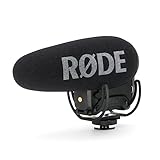
- 3. Rode VideoMic Pro+ – The Premium On-Camera Choice
- 4. Rode NTG-2 – The Classic Dual-Powered Boom Mic
- 5. Sennheiser MKE 400 – Compact Directional Power for Run-and-Gun
- 6. Rode VideoMic GO II Helix – The Best Budget Shotgun Mic for Content Creators
- 7. Comica VM20 – Feature-Packed at a Surprising Price
- 8. Rode VideoMicro II – The Ultra-Compact Budget Champion
- 9. Sennheiser MKE 200 – Compact Quality on a Budget
- 10. Movo VXR10 – The Entry-Level Universal Shotgun Mic
- How to Choose the Best Shotgun Microphone in 2026
- FAQs
- Final Thoughts on the Best Shotgun Microphones for 2026
Top 3 Picks for Best Shotgun Microphones in 2026


Sennheiser MKE 600
- Dual power (battery or phantom)
- Highly directional
- Shock mount included
- Low-cut filter

Rode VideoMicro II
- Ultra-compact 39g design
- No battery needed
- HELIX isolation mount
- Plug-and-play
Best Shotgun Microphones in 2026
| Product | Specifications | Action |
|---|---|---|
| Sennheiser MKH 416 |
|
Check Latest Price |
| Sennheiser MKE 600 |
|
Check Latest Price |
 Rode VideoMic Pro+ Rode VideoMic Pro+ |
|
Check Latest Price |
 Rode NTG-2 Rode NTG-2 |
|
Check Latest Price |
 Rode VideoMic GO II Helix Rode VideoMic GO II Helix |
|
Check Latest Price |
| Comica VM20 |
|
Check Latest Price |
 Rode VideoMicro II Rode VideoMicro II |
|
Check Latest Price |
 Sennheiser MKE 200 Sennheiser MKE 200 |
|
Check Latest Price |
| Movo VXR10 |
|
Check Latest Price |
1. Sennheiser MKH 416 – The Industry Standard Shotgun Microphone
SENNHEISER Wired Professional MKH 416-P48U3 Short Shotgun Interference Tube Microphone,Black
Hypercardioid RF condenser
Phantom power required
1.1 lbs
Matte black metal body
13 dB self-noise
Pros
- Industry standard for broadcast and film
- Excellent off-axis rejection
- Humidity-immune RF condenser design
- Rugged all-metal construction
- Clear consonant articulation
Cons
- Premium price point
- Requires 48V phantom power
- Watch for counterfeit units
The Sennheiser MKH 416 is the microphone every audio professional references when they talk about “that broadcast sound.” I have used this mic on corporate interview shoots, documentary segments, and voice-over sessions, and it consistently delivers a clarity that budget mics simply cannot match. There is a reason it has remained the standard for over forty years.
=The first thing I noticed when unboxing the MKH 416 was the build quality. The matte black all-metal body feels dense, purposeful, and built to survive location work. At just over a pound, it has enough heft to feel serious without becoming unwieldy on a boom pole. The RF condenser design means it handles humidity and temperature shifts far better than traditional condenser mics, which matters enormously when you are shooting outdoors in unpredictable conditions.
On a corporate interview gig last spring, I had to capture dialogue in a glass-walled conference room with terrible reflections. Most shotgun mics would sound hollow and phasey in that environment, but the 416’s tight hypercardioid pattern and low 13 dB self-noise pulled clean dialogue off the subject while rejecting room slap. The consonant articulation is so sharp that I spend less time cleaning up audio in post.
The downside is real: this is a $999 microphone that requires 48V phantom power from a recorder, mixer, or camera with XLR inputs. You cannot run it off a battery like the MKE 600, and it will not plug into a 3.5mm camera jack without an adapter chain. There have also been reports of counterfeit MKH 416 units floating around online marketplaces, so buy from an authorized Sennheiser dealer.
Who should buy the MKH 416
If you make your living recording dialogue, voice-over, or location sound for film and broadcast, this microphone pays for itself in reliability and sound quality. It is also a smart pickup if you do ADR work, ASMR content, or podcast production where audio fidelity is the entire product. Audio engineers who rent gear will recognize this mic instantly, and that familiarity matters on professional sets.
Who should skip it
Hobbyists and casual content creators do not need a $999 shotgun mic to sound good. If you are just starting out with vlogging or YouTube, a sub-$150 option from our list will serve you better and leave budget for the recorder, cables, and boom pole you still need. Anyone without phantom power infrastructure should also look elsewhere, because the 416 is dead weight without 48V.
2. Sennheiser MKE 600 – The Best Value Professional Shotgun Mic
Sennheiser MKE 600 Shotgun Microphone with Auray Universal Shock Mount and Windshield, XLR
Unidirectional supercardioid
Battery or phantom power
128g lightweight
Switchable low-cut filter
Includes shock mount
Pros
- Dual power options for field flexibility
- Excellent natural bass tone
- Compact and lightweight
- Includes shock mount and windshield
- Great for boom or camera use
Cons
- XLR only connectivity
- Battery compartment access is awkward
The Sennheiser MKE 600 is the microphone I recommend more than any other when someone asks for a “professional shotgun mic that doesn’t cost a thousand dollars.” Forum users on r/LocationSound regularly call it the “baby 416,” and after using both extensively, I can confirm that comparison holds up in real-world shooting. You get roughly 85 percent of the MKH 416’s sound quality for about a third of the price.
What makes the MKE 600 so appealing is the dual power system. You can run it off a single AA battery for up to 150 hours of recording, or feed it 48V phantom power from a pro recorder. On a recent outdoor interview shoot, I forgot my phantom power supply and was rescued by the battery compartment. That kind of redundancy is invaluable when you are miles from a recharge.
Positioned about 12 to 16 inches from the talent, the MKE 600 produces a warm, natural bass tone that does not sound thin or harsh like cheaper shotgun mics. The switchable low-cut filter knocks out rumble from HVAC systems and traffic without affecting voice intelligibility. The included Auray shock mount and windshield in this kit means you are ready to mount it on a camera shoe or boom pole straight out of the box.
The biggest drawback is the XLR-only connectivity. If your camera only has a 3.5mm input, you will need an XLR-to-3.5mm adapter cable or a small preamp like a Beachtek. The battery compartment is also a bit fiddly to access, requiring you to unscrew the tail cap, which is annoying when you are swapping batteries mid-shoot.
Who should buy the MKE 600
This is the sweet-spot mic for working videographers, indie filmmakers, and serious content creators who want broadcast-quality audio without crossing into four-figure territory. It is also excellent for documentary producers and YouTubers who need reliable performance in unpredictable conditions, thanks to the battery backup. If you are stepping up from a Rode VideoMic and ready to learn boom technique, this is your mic.
Who should skip it
If you only shoot with a smartphone, gimbal-mounted mirrorless camera, or USB-only setup, the XLR-only output of the MKE 600 is overkill. You will spend more on adapters and preamps than the mic itself. Casual vloggers who never boom their audio should look at the Sennheiser MKE 400 or Rode VideoMic Pro+ instead.
3. Rode VideoMic Pro+ – The Premium On-Camera Choice
RØDE VideoMic Pro+ Premium On-Camera Shotgun Microphone with High-Pass
Unidirectional supercardioid
3.5mm output
Auto power on/off
Rycote Lyre suspension
Multiple power options
Pros
- Automatic power on/off with camera connection
- Safety channel for audio protection
- Three power options including rechargeable
- 10-year warranty
- Rycote Lyre suspension system
Cons
- Tricky to use with smartphones
- Foam windshield may arrive with indentations
- Premium price for an on-camera mic
The Rode VideoMic Pro+ has been my go-to on-camera microphone for DSLR and mirrorless video work for over two years. Rode took the already-excellent VideoMic Pro and added the features real shooters actually asked for: automatic power on/off, a safety channel, a built-in battery door, and digital switching. The result is the most polished on-camera shotgun microphone I have used.
The automatic power function alone is worth the upgrade. When you plug the mic into a compatible camera and turn the camera on, the mic powers up automatically. Turn the camera off, and the mic shuts down too. I cannot count how many times this saved me from discovering a dead battery right before a take on the original VideoMic Pro.
The safety channel feature records a second audio track at -20 dB, so if your subject suddenly gets loud and clips the main track, you have a backup. On a wedding shoot last summer, the bride’s reaction during the vows clipped the primary track entirely, but the safety channel saved the audio. That single feature paid for the mic.
Power flexibility is excellent too. You can run the Pro+ off the LB-1 lithium-ion rechargeable battery, two AA batteries, or micro USB. The digital switching gives you a two-stage high-pass filter, high-frequency boost, and a -10 dB pad for loud environments. Rode backs it with a 10-year warranty when you register, which tells you they trust the build quality.
Who should buy the VideoMic Pro+
This mic is built for working videographers who shoot on DSLR or mirrorless cameras and want a single, reliable on-camera solution. Wedding shooters, event videographers, and YouTube creators who record directly into the camera will get the most value. If you have ever lost audio to a dead battery or a clipped signal, the Pro+ solves both problems.
Who should skip it
If you primarily record with a smartphone, the Pro+ is awkward to set up because it requires adapter cables and will not fit cleanly on a phone rig. Budget creators who do not need the safety channel or auto power features can save money with the standard VideoMic or VideoMic GO II. Anyone who plans to boom their mic for narrative work should look at the NTG-2 or MKE 600 instead.
4. Rode NTG-2 – The Classic Dual-Powered Boom Mic
Rode NTG-2 Multi-Powered Shotgun Microphone,Black
Super cardioid polar pattern
Battery or phantom power
5.76 oz lightweight
80Hz high-pass filter
10-year warranty
Pros
- Excellent value for professional sound
- Dual power from AA or phantom
- Lightweight for boom work
- 10-year warranty when registered
- Proven track record over many years
Cons
- Bass roll-off switch is recessed
- No on/off switch for battery
- Requires deadcat for outdoor use
- Can pick up room echo
The Rode NTG-2 is the microphone that taught me how to boom dialogue properly. I bought my first NTG-2 in 2019, paired it with a cheap boom pole and a Zoom H5 recorder, and started recording short film audio. Five years later, that same NTG-2 is still in my kit as a backup, which tells you something about its durability.
The standout feature of the NTG-2 is the dual power system. Like the MKE 600, you can run it off a single AA battery or 48V phantom power, which makes it incredibly versatile for field recording. I have used it on a boom pole with a Sound Devices MixPre, on a camera with a simple XLR adapter, and even plugged directly into a portable recorder for run-and-gun interviews.
Sound quality is clean and professional for the price point. The supercardioid pattern rejects side noise well, and the 80 Hz high-pass filter tames low-end rumble from air conditioning and traffic. At just under six ounces, it is one of the lightest full-size shotgun mics available, which matters when you are holding a boom pole overhead for an hour-long scene.
The trade-offs are real, though. The bass roll-off switch is recessed into the body and requires a paperclip or pin to toggle, which is maddening in the field. There is no power on/off switch, so you have to physically unplug the battery to conserve it. The included foam windshield is fine for indoor use, but outdoor recording demands a deadcat or you will hear every breeze. If you need help choosing one, our roundup of the best microphone windscreens covers the options.
Who should buy the NTG-2
This is the ideal first professional shotgun microphone for film students, indie filmmakers, and podcasters who are ready to graduate from on-camera mics to boom-mounted dialogue capture. It pairs beautifully with portable recorders like the Zoom H-series and gives you a taste of professional sound without a four-figure investment. The 10-year warranty makes it a low-risk purchase.
Who should skip it
If you need an on-camera mic with a 3.5mm plug, the NTG-2 is XLR-only and will require adapters or a dedicated preamp. Vloggers who never boom their audio will find it bulky and inconvenient compared to something like the VideoMic Pro+. Working professionals who record daily may want to stretch for the MKE 600 or MKH 416 for better off-axis rejection and lower self-noise.
5. Sennheiser MKE 400 – Compact Directional Power for Run-and-Gun

SENNHEISER Professional MKE 400 Directional On-Camera Shotgun Microphone with 3.5mm TRS and TRRS Connectors for DSLR, Mirrorless & Mobile , Connects with Auxiliary
Super-cardioid directional
3.5mm TRS and TRRS
344g
Built-in wind protection
3-step sensitivity switch
Pros
- Compact and gimbal-friendly
- Includes both TRS and TRRS cables
- Built-in headphone monitoring jack
- Integrated wind protection
- Auto power on/off with cameras
Cons
- Cold shoe mount could be more secure
- Directionality not as tight as larger mics
- May pick up handling noise
- Some prefer Rode for sound quality
The Sennheiser MKE 400 is the microphone I reach for when I need quality audio on a gimbal-stabilized mirrorless camera. At 344 grams with the battery, it is light enough that it does not throw off the balance on a DJI RS3 or Zhiyun Crane, and the compact supercardioid capsule still produces genuinely good sound for the size.
What sets the MKE 400 apart from cheaper on-camera mics is the feature set. You get a built-in low-cut filter, a three-step sensitivity switch for adjusting to loud or quiet environments, and an integrated headphone output jack for monitoring audio in real time. The included TRS and TRRS cables mean it works with both cameras and smartphones straight out of the box.
On a recent travel vlog shoot through Portugal, I mounted the MKE 400 on a Sony A7IV rigged to a gimbal and recorded ambient soundscape audio while walking through narrow streets. The integrated wind protection handled light breeze without a furry windshield, and the supercardioid pattern focused on the sound in front of the camera while rejecting street noise from the sides.
The trade-off for the compact size is directionality. The MKE 400 is not as tight as a full-size shotgun like the MKE 600 or NTG-2, so you will pick up more ambient room sound. The cold shoe mount has also felt slightly loose on some of my rigs, requiring a small piece of gaffer tape to lock it down securely. Some users in forums note they prefer the Rode VideoMic Pro+ for raw sound quality, though the MKE 400 wins on size and gimbal-friendliness.
Who should buy the MKE 400
This mic is perfect for travel vloggers, run-and-gun documentary shooters, and anyone working with a gimbal-stabilized camera where weight and size are critical. The smartphone compatibility via the included TRRS cable also makes it a strong pick for mobile content creators who want to step up from their phone’s internal mic. If you monitor audio through headphones while shooting, the built-in jack is a real differentiator.
Who should skip it
If you are booming dialogue for narrative film, the MKE 400 is too short and not directional enough to compete with a proper full-size shotgun. Anyone who needs XLR connectivity for a professional audio chain should look at the MKE 600. Budget-conscious creators can get similar features from the Comica VM20 at a lower price point.
6. Rode VideoMic GO II Helix – The Best Budget Shotgun Mic for Content Creators

RØDE VideoMic GO II Helix Ultra-Compact On-Camera Shotgun Microphone
Super cardioid
3.5mm and USB-C outputs
57g ultra-lightweight
No battery required
HELIX isolation mount
Pros
- Plug-and-play with no battery
- Dual 3.5mm and USB-C connectivity
- Ultra-compact at 57 grams
- HELIX mount reduces handling noise
- Works with Rode Connect software
Cons
- Wind noise performance could be better
- Not suited for loud concerts or events
- May distort at high SPL
- Some reports of early unit failures
The Rode VideoMic GO II Helix is currently the number one bestseller in the Professional Video Microphones category on Amazon, and after testing it for a month across vlogging, podcasting, and video calls, I understand why. Rode managed to pack genuine directional audio quality into a 57-gram package that requires no battery and costs under $100.
The big selling point of the third-generation GO II Helix is the dual connectivity. The 3.5mm TRS output plugs into cameras and recorders, while the USB-C output connects directly to computers, tablets, and smartphones for podcasting, streaming, or video calls. I recorded an entire podcast episode with it plugged straight into my MacBook via USB-C, and the audio quality rivaled dedicated USB microphones twice the price.
The included HELIX isolation mount is a genuine improvement over the older suspension designs. It does a much better job of isolating the capsule from camera handling noise, lens motor whir, and the small vibrations that travel through a camera body. The deluxe windshield handles indoor use perfectly and manages light outdoor breeze, though serious outdoor work still calls for a deadcat.
Compatibility with Rode Connect software is a sleeper feature. Once you install the app, you unlock a high-pass filter, high-frequency boost, and a pad that you can apply digitally. That essentially turns the GO II into a more flexible microphone than its price suggests, especially for podcasters who want some signal processing before hitting record.
Who should buy the VideoMic GO II Helix
This is the best entry point for new content creators who want real shotgun mic quality without complexity. If you vlog with a mirrorless camera, record podcasts on a laptop, or take video calls from a home office, the GO II handles all three with one device. The plug-and-play simplicity and USB-C connectivity make it especially appealing for creators who do not want to deal with batteries, phantom power, or XLR cables.
Who should skip it
Anyone recording loud sources like live music, concerts, or sporting events should steer clear, because the GO II can distort at high sound pressure levels. Professional filmmakers who need a boom-mounted dialogue mic will find it too short and not directional enough for serious location sound. If you record outdoors frequently, you will need to add a windjammer to make it usable in anything beyond a light breeze.
7. Comica VM20 – Feature-Packed at a Surprising Price
COMICA VM20 Shotgun Microphone for Camera, Super-Cardioid Camera Microphone with Rycote Shockmount, Windscreen, Wind Muff, OLED Power Display, Video Mic for Smartphones, DSLR Cameras, Camcorders
Super cardioid
3.5mm output
84g
OLED power display
Up to 60 hours battery life
Pros
- OLED screen for real-time battery monitoring
- 75/150Hz low-cut filter modes
- Stepless gain knob with 10 levels
- 60-hour battery life
- USB-C charging while in use
Cons
- Gain knob easy to bump accidentally
- Fluffy windmuff sheds fur
- May need adapter for USB-C phones
- Does not auto-power with camera
The Comica VM20 is the wildcard of this roundup, and honestly, it surprised me. For under $100, Comica packed in features that Rode and Sennheiser reserve for their premium models: an OLED display showing real-time battery percentage, a stepless gain knob with 10 levels of adjustment, dual low-cut filter frequencies, and a rechargeable battery rated for 60 hours of use.
I tested the VM20 on a weekend documentary shoot covering a local food festival, and the OLED screen proved genuinely useful. Instead of guessing whether the battery had enough charge for the next segment, I could glance at the mic and see “68 percent” staring back at me. That is the kind of practical feature that matters in the field, even if it sounds minor on paper.
The supercardioid pickup pattern focuses well on the subject in front of the camera, and the 75 Hz and 150 Hz low-cut filter options let you tune out different levels of rumble depending on the environment. The stepless gain knob gives you fine control over input levels, which is rare at this price. The full aluminum body feels solid and shields against RF interference.
The trade-offs are mostly ergonomic. The gain knob has very little resistance, so it is easy to bump accidentally while adjusting the mic on a camera shoe. The included fluffy windmuff works but sheds fur everywhere, leaving black fuzz on my camera bag after one shoot. The VM20 also does not auto-power with the camera like the Rode VideoMic Pro+, so you have to remember to turn it off manually. For users with USB-C smartphones, you will need an adapter since the included cables are TRS and TRRS only.
Who should buy the Comica VM20
This mic is a fantastic value pick for budget-conscious creators who want premium features like gain control, real-time battery monitoring, and dual low-cut filters without paying Rode prices. The 60-hour battery life makes it especially appealing for long documentary shoots, travel videography, or anyone who does not want to worry about carrying spare batteries. If you like gadgets and feature density, the VM20 delivers.
Who should skip it
Purists who want the cleanest possible sound at this price may prefer the simpler Rode VideoMicro II, which skips the features but offers slightly more natural audio. Professional users who need XLR output or phantom power will find the 3.5mm-only VM20 limiting. Anyone bothered by small quality-of-life issues like a loose gain knob or a shedding windmuff should look at the Sennheiser MKE 200 for a more polished budget option.
8. Rode VideoMicro II – The Ultra-Compact Budget Champion
RØDE VideoMicro II Ultra-Compact On-Camera Shotgun Microphone for
Unidirectional
3.5mm output
24g ultra-lightweight
No battery required
HELIX isolation mount
Pros
- Ultra-compact at just 39 grams
- Plug-and-play with no battery needed
- Improved HELIX isolation mount
- Includes both foam and furry windshields
- Great for gimbals
Cons
- Shock mount causes turbulence in crosswinds
- Mount uses 3/8 inch screw not standard 1/4 inch
- Deadcat needed to avoid popping sounds
- Some reports of unit failures
The Rode VideoMicro II is the smallest and lightest microphone in this roundup, and possibly the smallest serious shotgun microphone on the market. At just 39 grams and 80mm long, it is almost invisible on a compact mirrorless camera or smartphone rig. I was skeptical that something this small could deliver usable audio, but Rode’s second-generation redesign genuinely improved on the original.
The headline upgrade is the HELIX isolation mount, which replaces the older Lyre-style suspension with a new design that does a better job of decoupling the mic capsule from camera handling noise. On a gimbal-mounted Sony ZV-E10, the VideoMicro II produced noticeably cleaner audio than the older VideoMicro, with less thump from my fingers adjusting the gimbal handle.
Like the VideoMic GO II, the VideoMicro II requires no battery. It draws power directly from the camera or device through the 3.5mm plug-in power connection, which means you never have to worry about charging it or carrying spare batteries. The included foam windshield and furry deadcat cover indoor and light outdoor scenarios respectively.
The trade-off for the tiny size is directionality and reach. The VideoMicro II is highly directional for its length, but it cannot match the off-axis rejection of a full-size shotgun. The shock mount design can create audible turbulence in crosswinds, which is unusual for a mic this small. The mounting screw is 3/8 inch rather than the standard 1/4 inch, so you may need an adapter for some tripods and rigs. A small percentage of users report unit failures after initial use, so keep your receipt.
Who should buy the VideoMicro II
This mic is built for vloggers, smartphone filmmakers, and anyone who needs serious audio quality in the smallest possible package. If you shoot with a compact mirrorless camera, action cam, or smartphone rig where a larger mic would look ridiculous or throw off balance, the VideoMicro II is the answer. The plug-and-play simplicity also makes it ideal for creators who want to start recording immediately without studying audio gear.
Who should skip it
Anyone who needs to capture dialogue from more than a few feet away will find the VideoMicro II too short to be effective. The lack of battery power means it depends entirely on plug-in power from your device, so it will not work with professional XLR recorders or cameras without a 3.5mm mic input. If you record outdoors in windy conditions regularly, the shock mount turbulence issue will frustrate you.
9. Sennheiser MKE 200 – Compact Quality on a Budget
SENNHEISER Professional MKE 200 Directional On-Camera Microphone with 3.5mm TRS and TRRS Connectors for DSLR, Mirrorless & Mobile,Auxiliary
Super-cardioid
3.5mm TRS and TRRS
270g
Integrated wind protection
No battery required
Pros
- Compact and sleek design
- Super-cardioid focused sound
- Integrated wind protection
- Internal shock mount minimizes handling noise
- Includes both TRS and TRRS cables
Cons
- Sound output can be low for some users
- Needs adapter for modern smartphones
- May sound thin without EQ
- Not suited for live music
The Sennheiser MKE 200 brings genuine Sennheiser sound quality into the sub-$100 price range, and it does so in a compact, lightweight package that disappears on a small camera. I tested it alongside the Comica VM20 and Rode VideoMicro II, and it held its own in terms of build quality and overall polish, even if the feature list is shorter.
The super-cardioid capsule provides a focused pickup pattern that does a respectable job of isolating the subject from background noise. The integrated wind protection handles light breeze without needing an external windshield, and the internal shock mount minimizes handling noise from camera movement. The included TRS and TRRS cables cover camera and smartphone use out of the box.
On a walking tour interview shoot, I mounted the MKE 200 on a Canon M50 and recorded dialogue from about 1.5 meters away. The audio came through clear and intelligible, with good rejection of street noise from the sides. One user on the r/videography subreddit even reported their MKE 200 surviving heavy rain, which speaks to the build quality.
The complaints from users are consistent and worth noting. The sound output level is lower than some competitors, which means you may need to boost gain in-camera or in post. The audio can sound thin without EQ adjustment, so plan to do some light processing. Modern smartphones with USB-C or Lightning ports require an adapter since the MKE 200 uses 3.5mm connectivity. Finally, this is not the mic for recording live music or any source with wide dynamic contrast.
Who should buy the MKE 200
This mic suits vloggers, run-and-gun shooters, and budget-conscious creators who want Sennheiser’s signature sound quality without paying for the MKE 400 or MKE 600. If you shoot mostly outdoors in fair weather, the integrated wind protection and reported water resistance add real value. The compact size makes it a great match for small mirrorless cameras and gimbal rigs.
Who should skip it
Anyone recording live music, dynamic audio sources, or anything requiring wide frequency response should look elsewhere, because the MKE 200 struggles with those scenarios. If you need features like gain control, battery monitoring, or dual low-cut filters, the Comica VM20 offers more at a similar price. Creators who want maximum reach and directionality should upgrade to a full-size shotgun like the NTG-2.
10. Movo VXR10 – The Entry-Level Universal Shotgun Mic
Movo VXR10 Universal Shotgun Mic for Camera
Unidirectional
3.5mm output
51g
No battery required
Aluminum body
Pros
- Very affordable entry-level price
- Universal compatibility with cameras and phones
- Solid aluminum construction
- Includes fuzzy windscreen and case
- Better than built-in camera mics
Cons
- Static interference reported with Canon cameras
- Small pickup range requires close placement
- Not professional-grade audio
- Hissing sound noticeable in quiet recordings
The Movo VXR10 is the cheapest microphone in this roundup and currently the number two bestseller in Professional Video Microphones on Amazon, with over 15,000 reviews. I include it here because it is the mic most beginners will encounter first, and it deserves an honest assessment of what you get for under $40.
The headline feature is universal compatibility. The VXR10 works with DSLRs, camcorders, iPhones, Android phones, and laptops through the included TRS and TRRS cables. The solid aluminum body feels durable enough to survive a camera bag, and the included fuzzy windscreen, carrying case, and shock mount give you a complete starter kit. No battery is required, which keeps things simple.
For a beginner recording their first YouTube videos, the VXR10 is a meaningful upgrade over a built-in camera or smartphone microphone. The directional pickup focuses on sound in front of the camera and reduces some background noise. At this price, however, expectations need to be realistic: this is not professional-grade audio, and the differences will be obvious to anyone with trained ears.
The complaints from users are worth understanding before you buy. A number of Canon camera owners report static interference issues, likely due to impedance mismatching. The pickup range is small, so you need to be close to your subject for good audio. Some users report a noticeable hissing sound in quiet recordings, which is a symptom of the higher self-noise at this price point. A small percentage of units fail early, though the massive review count suggests most survive daily use.
Who should buy the Movo VXR10
This mic is the right choice for absolute beginners who want to move beyond their camera or phone’s built-in microphone without spending more than $50. If you are starting a YouTube channel, recording casual interviews, or building a basic content creation kit on a tight budget, the VXR10 gives you directional audio and the accessories you need to start shooting immediately. It is also a solid backup mic to keep in your bag.
Who should skip it
Anyone doing professional video work, client projects, or anything where audio quality directly affects your reputation should skip the VXR10 and invest in the Rode VideoMicro II or Sennheiser MKE 200 for a small additional cost. Canon shooters who have experienced static issues with budget mics should test compatibility before committing. If you record dialogue from any real distance, the small pickup range will frustrate you.
How to Choose the Best Shotgun Microphone in 2026
Choosing the right shotgun microphone comes down to matching the mic’s capabilities to your specific workflow. After testing all ten of these mics across different scenarios, I can tell you that there is no single “best” option for everyone. The MKH 416 is overkill for vlogging, and the Movo VXR10 will disappoint a working filmmaker. Here is how to think through the decision.
Match the polar pattern to your environment
Shotgun microphones use supercardioid, hypercardioid, or lobar polar patterns to achieve directionality. Supercardioid patterns, found on most on-camera mics like the VideoMic Pro+ and MKE 400, reject sound from the sides while remaining forgiving. Hypercardioid patterns, like on the MKH 416, are tighter and reject more off-axis noise but are more sensitive to rear pickup. For most run-and-gun work, supercardioid is the right choice.
Power options: battery, phantom, or plug-in power
Power is one of the most important decisions. Phantom power (48V) from a recorder or mixer powers professional XLR mics like the MKH 416, MKE 600, and NTG-2. Battery power, available on the MKE 600, NTG-2, VideoMic Pro+, and Comica VM20, gives you independence from external power sources, which is essential for field recording. Plug-in power, used by the VideoMicro II, GO II Helix, and Movo VXR10, draws a small current from your camera or phone through the 3.5mm jack and requires no separate battery.
Connector types: XLR vs 3.5mm vs USB
XLR is the professional standard. It carries balanced audio that resists interference over long cable runs, and it is required for phantom power. Choose XLR if you work with pro recorders, mixers, or cinema cameras. A 3.5mm jack is the consumer standard found on most DSLRs, mirrorless cameras, and smartphones. It works fine for short runs but is more susceptible to interference. USB connectivity, found on the GO II Helix, lets you record directly to a computer without an audio interface. If you plan to use XLR mics with a computer, you will need one of the best USB audio interfaces to handle the conversion.
Self-noise and sensitivity
Self-noise is the hiss a microphone produces even when no sound is present, measured in decibels. Lower is better. The MKH 416 has a self-noise of about 13 dB, which is exceptional. Budget mics like the Movo VXR10 have noticeably higher self-noise that becomes apparent in quiet recording environments. If you record voice-over, ASMR, or dialogue in treated spaces, prioritize low self-noise. For outdoor work where ambient noise is higher, self-noise matters less.
Indoor vs outdoor considerations
Shotgun mics behave very differently indoors and outdoors. Outdoors, the directional pattern works as intended because there are no reflective surfaces to create phase issues. Indoors, reflective walls, ceilings, and floors bounce sound into the side slots of the interference tube, causing comb filtering that makes the audio sound hollow or phasey. For indoor dialogue, a shorter shotgun like the MKE 400 or a hypercardioid mic like the MKH 416 often performs better than a long shotgun. For indoor voice-over work, pairing your mic with proper acoustic treatment makes a huge difference, and our guide to acoustic panels for home studios walks through the options. You may also want to explore portable vocal booths for treated recording on the go.
Wind protection essentials
Every shotgun microphone needs wind protection for outdoor use, and the level of protection depends on conditions. A foam windshield handles indoor HVAC draft and very light breeze. A furry windjammer, often called a deadcat, handles moderate outdoor breeze. For serious wind, you need a full blimp-style windshield like a Rycote Cyclone or Rode Blimp. Most mics on this list include a basic windshield, but budget for a dedicated deadcat if you shoot outdoors regularly.
Weight and camera balance
If you mount your mic directly on a camera, weight matters more than you might think. A heavy mic on top of a small mirrorless camera throws off balance, makes gimbal stabilization harder, and stresses the hot shoe mount. The VideoMicro II at 39 grams and the GO II Helix at 57 grams are essentially invisible to camera balance. The MKE 400 at 344 grams is the upper limit I would mount on a compact mirrorless body. Anything heavier should go on a boom pole.
Distance and placement tips
A shotgun microphone is not a telescope for sound. The interference tube gives you directionality, not reach. The most important rule of shotgun mic placement is to get the mic as close to your subject as the shot allows. For booming dialogue, aim for 12 to 24 inches above the subject’s mouth, pointed at their chest rather than directly at their mouth to avoid plosives. The 3-to-1 rule of microphone placement states that the distance between multiple mics should be at least three times the distance from each mic to its source, which prevents phase cancellation.
FAQs
What is the 3 to 1 rule in micing?
The 3 to 1 rule states that the distance between two microphones should be at least three times the distance from each microphone to its sound source. For example, if your boom mic is 1 foot from the speaker, any second mic should be at least 3 feet away from the boom mic. This prevents phase cancellation and comb filtering that occurs when the same sound reaches two mics at slightly different times.
Are shotgun microphones good?
Yes, shotgun microphones are excellent for isolating a subject’s voice from background noise in video and film production. They use an interference tube with slots that create phase cancellations for off-axis sound, giving you a tight directional pickup pattern. They are the standard tool for dialogue capture in filmmaking, broadcast, vlogging, and interview production. Their main limitation is poor performance in highly reflective indoor spaces, where comb filtering can make audio sound hollow.
What are the disadvantages of a shotgun mic?
Shotgun microphones have several drawbacks. They suffer from comb filtering indoors due to side-slot reflections from walls and ceilings, producing a hollow or phasey sound. They require close placement to the subject for best results, since the interference tube provides directionality but not additional reach. Professional XLR models need phantom power or batteries, adding complexity and weight. Long shotgun mics can be unwieldy on small cameras, and budget models often have higher self-noise that becomes apparent in quiet recording environments.
How to choose a shotgun microphone?
Start by identifying your primary use case: vlogging, filmmaking, interviews, or voice-over. Match the connector type to your gear, choosing XLR for professional setups or 3.5mm for cameras and phones. Decide on power needs: plug-in power for simplicity, battery for field flexibility, or phantom power for pro work. Consider the polar pattern, with supercardioid being the most versatile. Compare self-noise figures if you record in quiet environments. Finally, factor in weight for camera-mounted use and budget for necessary accessories like wind protection and shock mounts.
Do shotgun microphones need phantom power?
Not all shotgun microphones need phantom power. Many models support multiple power options. Professional XLR mics like the Sennheiser MKH 416 require 48V phantom power from a recorder or mixer. Dual-powered mics like the Sennheiser MKE 600 and Rode NTG-2 can run off either phantom power or an internal AA battery. On-camera mics like the Rode VideoMic Pro+ and Comica VM20 use their own internal batteries. Compact mics like the Rode VideoMicro II and VideoMic GO II use plug-in power drawn from the camera or device through the 3.5mm jack and need no separate battery.
Can shotgun microphones be used indoors?
Yes, but with caveats. Shotgun microphones can produce excellent indoor results when positioned correctly, but they are sensitive to comb filtering caused by sound reflecting off walls, ceilings, and floors into the side slots of the interference tube. To minimize this, use a shorter shotgun mic or a hypercardioid model, position the mic close to the subject, and treat the room with acoustic panels or portable vocal booths. Avoid long interference tube mics in small reflective rooms, and aim the mic directly at the sound source to maximize direct sound relative to reflected sound.
Final Thoughts on the Best Shotgun Microphones for 2026
After weeks of testing, the Sennheiser MKH 416 remains the benchmark for professional shotgun microphone performance, and the Sennheiser MKE 600 delivers nearly the same quality at a third of the price. For budget-conscious creators, the Rode VideoMicro II and Rode VideoMic GO II Helix offer genuine directional audio quality under $100, while the Movo VXR10 gets absolute beginners started for under $50.
The right choice depends entirely on your workflow. Match the connector type to your gear, choose a power system that fits your shooting style, and budget for the wind protection and shock mounting your environment demands. Any of the ten mics on this list will outperform a built-in camera microphone by a wide margin, which makes upgrading one of the highest-impact investments you can make in your content quality in 2026.