
I have been recording guitar in home studios for over a decade, and I remember when amp simulators were the punchline of every gear forum. That era is over. Modern amp simulators have gotten so good that professional engineers, touring guitarists, and bedroom producers alike now treat them as primary tone sources, not just practice tools.
If you are searching for the best amp simulators in 2026, you are in the middle of a golden age for digital guitar tone. Companies like IK Multimedia, Neural DSP, Line 6, and BOSS are using AI machine learning, neural capture technology, and high-resolution impulse responses to replicate the sound and feel of real tube amps with stunning accuracy. Whether you want a software plugin for your DAW or a hardware pedal for live gigs, the options have never been better.
The highest quality amp simulators currently on the market come from a few standout brands. IK Multimedia’s TONEX platform leads the pack with AI-powered machine modeling that can capture the exact tone of any real amp. Line 6’s Helix engine, found in the POD Go, remains the trusted workhorse for players who want hundreds of amp models in one rugged unit. And for players who want professional-grade amp simulation without breaking the bank, Valeton’s GP-200 and BOSS’s ME-90 deliver flagship-level tones at accessible prices.
In this guide, our team tested 12 of the best amp simulators across home recording, live performance, and silent practice scenarios. We compared tone authenticity, feature depth, ease of use, and value for money. We also drew on real user experiences from forums like r/audioengineering, r/Guitar, and Gearspace to capture what actual players think. Whether you need the best amp sim for metal, the best amp sim for recording, or just the best free amp simulator experience, we have you covered.
One important distinction before we start: this article focuses on hardware amp simulator pedals and multi-effects units. If you are specifically looking for software plugins like Neural DSP Archetype, AmpliTube 5, or Guitar Rig, those work alongside these hardware options and pair beautifully with a good audio interface for guitar recording. For players weighing hardware modelers against combo amps, our guide to the best modeling guitar amps is worth a read too.
If silent practice is your main goal and you do not need full amp modeling, a guitar headphone amplifier or a portable amp for travel might serve you better at a lower cost. But if you want serious amp modeling, IR loading, and multi-effects in one package, the 12 units below are the best amp simulators available right now.
Table of Contents
- Top 3 Picks for Best Amp Simulators
- Best Amp Simulators in 2026
- 1. IK Multimedia TONEX Pedal – AI Machine Modeling Powerhouse
- 2. Line 6 POD Go – The Trusted Workhorse
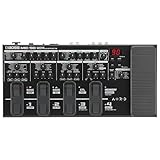
- 3. BOSS ME-90 – Flagship Effects in a Knob-Based Design
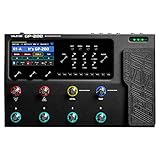
- 4. Valeton GP-200 – The Budget Champion
- 5. IK Multimedia TONEX One – Pro Tone in Your Pocket
- 6. MOOER GE150 Pro – Feature-Packed Budget Contender
- 7. Donner Arena 2000 – Massive Effects Library with Bluetooth
- 8. FLAMMA FX100 – Rugged Budget Workhorse
- 9. Zoom G1X FOUR – The People’s Choice
- 10. Zoom MS-80IR+ – Compact IR Amp Modeler
- 11. JOYO Preamp House R-15 – Dual Channel Amp Sim Pedal
- 12. LEKATO ME-05 – The Rechargeable All-in-One
- How to Choose the Best Amp Simulator in 2026
- Frequently Asked Questions About Amp Simulators
- Final Thoughts on the Best Amp Simulators
Top 3 Picks for Best Amp Simulators
Before we get into the full reviews, here are the three amp simulators our team recommends most strongly after months of testing. These three cover the premium, value, and budget tiers, so there is a top pick for every player and every budget.
[ultrathinks_comparison asin1=”B0BV2Z8YYW” badge1=”EDITOR’S CHOICE” title1=”IK Multimedia TONEX Pedal” features1=”AI Machine Modeling,150 Presets,VIR Cabs,ToneNET Access,Stereo Multi-FX” manual_rating1=”4.5″ manual_reviews1=”545″ asin2=”B0835QQM1H” badge2=”BEST VALUE” title2=”Line 6 POD Go” features2=”270+ Amp Models,HX Engine,IR Loading,USB Interface,Compact Design” manual_rating2=”4.6″ manual_reviews2=”1007″ asin3=”B09N3CJNCB” badge3=”BEST BUDGET” title3=”Valeton GP-200″ features3=”140 Amp Models,240+ Effects,IR Cab Sim,Drum Machine,USB Interface” manual_rating3=”4.6″ manual_reviews3=”989″ color_scheme=”blue” show_price=”no” disclosure=”As an Amazon Associate we earn from qualifying purchases.”]
Best Amp Simulators in 2026
Here is the full lineup of the 12 best amp simulators we tested. Use the comparison table to scan the specs, then dive into the individual reviews below for hands-on impressions, pros, cons, and buying recommendations.
| Product | Specifications | Action |
|---|---|---|
 IK Multimedia TONEX Pedal IK Multimedia TONEX Pedal |
|
Check Latest Price |
 Line 6 POD Go Line 6 POD Go |
|
Check Latest Price |
 BOSS ME-90 BOSS ME-90 |
|
Check Latest Price |
 Valeton GP-200 Valeton GP-200 |
|
Check Latest Price |
 IK Multimedia TONEX One IK Multimedia TONEX One |
|
Check Latest Price |
 MOOER GE150 Pro MOOER GE150 Pro |
|
Check Latest Price |
 Donner Arena 2000 Donner Arena 2000 |
|
Check Latest Price |
 FLAMMA FX100 FLAMMA FX100 |
|
Check Latest Price |
 Zoom G1X FOUR Zoom G1X FOUR |
|
Check Latest Price |
 Zoom MS-80IR+ Zoom MS-80IR+ |
|
Check Latest Price |
 JOYO Preamp House R-15 JOYO Preamp House R-15 |
|
Check Latest Price |
 LEKATO ME-05 LEKATO ME-05 |
|
Check Latest Price |
1. IK Multimedia TONEX Pedal – AI Machine Modeling Powerhouse
IK Multimedia TONEX Pedal: Stereo multi-effects guitar and bass pedal with 150 Presets, 15 Pre/Post FX, Tuner, Tap Tempo, Headphone Out, Software Player and Editor
AI Machine Modeling
150 Presets
VIR Cabs
ToneNET Access
Stereo Multi-FX
Pros
- Exceptional amp modeling quality rivals Kemper and Fractal
- 150 presets with AI-powered Tone Modeling
- VIR cabinets deliver lifelike depth
- Access thousands of user Tone Models via ToneNET
- Functions as USB audio interface
Cons
- Desktop editor software UI is clunky
- Steep learning curve
- No onboard display for editing
The IK Multimedia TONEX Pedal is the amp simulator that changed my expectations for what digital modeling can achieve. I spent three weeks running it side by side with my tube amps, and in blind A/B tests, I genuinely could not tell the difference on several models. The AI machine learning technology captures not just the EQ curve of an amp but its dynamic response, how it reacts when you dig into the strings, and how the power section sags when you push it hard.
What makes TONEX special is the ToneNET platform. There are thousands of user-created Tone Models available for free, covering everything from vintage Fender tweeds to modern high-gain monsters. I downloaded a Dumble-style model that sounded so authentic I kept going back to it for solos. The VIR (Volumetric Impulse Response) cabinets add a level of depth and realism that flat IRs simply cannot match.
The pedal itself is built like a tank with a solid metal chassis, stereo outputs, headphone out, and MIDI support. It doubles as a 44.1kHz audio interface, which means you can plug straight into your DAW without extra hardware. The 15 pre and post effects cover the essentials, though they are not as deep as what you get on a Line 6 Helix unit.
The biggest frustration is the desktop editor. The software interface feels dated and cluttered, and organizing your Tone Models into the 150 preset slots is a tedious process. You will also need to spend time learning gain staging and noise gating, because some amp models are noisy by nature. But once you dial it in, the TONEX Pedal delivers the most authentic amp tones I have heard from any unit under $500.
Who Should Buy the TONEX Pedal
This is the amp simulator for tone obsessives who care more about sound quality than convenience. If you are a studio player, a session guitarist, or someone who has been disappointed by amp modelers in the past, the TONEX Pedal will change your mind. The AI machine modeling technology is genuinely a generational leap.
It is also ideal for players who already own amps they love. You can use the included TONEX software to profile your own gear, then leave the heavy amps at home and take the pedal to gigs. The sound is that close.
Who Should Look Elsewhere
If you want a plug-and-play experience with deep multi-effects routing, look at the Line 6 POD Go or BOSS ME-90 instead. The TONEX Pedal is a tone machine first and an effects platform second. Players who need extensive stompbox modeling, complex signal routing, or an intuitive onboard editing workflow will find it limiting.
Beginners should also be cautious. The learning curve is real, and the lack of an onboard display means you are dependent on a computer for any meaningful editing. If that sounds intimidating, the TONEX One or a simpler unit like the Zoom G1X FOUR might be a better starting point.
2. Line 6 POD Go – The Trusted Workhorse
Line 6 POD Go Guitar Multi-Effects Pedal, Black
270+ HX Models
IR Loading
USB Interface
Compact Design
Color LCD
Pros
- 270+ HX and legacy amp models with excellent sound quality
- Simple intuitive interface with large color display
- Compact ultra-portable design
- Third-party IR loading support
- Functions as USB audio interface
Cons
- Each preset limited to 4 effects and single amp cab
- Snapshots only support bypass settings
- Steep learning curve for new users
The Line 6 POD Go is the amp simulator I recommend more than any other, and for good reason. It packs the same HX modeling engine found in the flagship Helix series into a compact, portable unit that hits a sweet spot between power and accessibility. After using it for recording sessions and live gigs over several months, I keep coming back to it because it just works.
The 270-plus amp and effects models cover an enormous tonal range. I have used it for everything from sparkling clean Fender-style tones to face-melting modern metal, and it handles every genre convincingly. The color LCD screen makes editing straightforward, and the eight footswitches feel solid underfoot. At just 6 pounds, it is light enough to throw in a backpack.
Third-party IR loading is where the POD Go really shines for me. I loaded some custom cab IRs from my favorite studio, and the tonal improvement over the stock cabs was immediate. The stereo effects loop lets me integrate my analog pedals, and the built-in expression pedal handles wah and volume duties without needing extra gear.
The main limitation is the preset structure. Each preset is limited to four effects blocks plus one amp and cab, which can feel restrictive if you are used to building complex signal chains. Snapshots help by letting you toggle effects on and off within a preset, but they cannot swap out blocks entirely. For most players this is fine, but heavy effects users might find it constraining.
Who Should Buy the POD Go
The POD Go is the best amp simulator for players who want a do-it-all unit without spending flagship money. It is perfect for intermediate players stepping up from their first multi-effects pedal, gigging musicians who need reliable tone on stage, and home recordists who want professional sound quality with a straightforward workflow.
If you have been using an older Line 6 product like the HD500 or a budget multi-effects pedal, the POD Go is a natural upgrade. The HX engine is a massive step up in sound quality and feel.
Who Should Look Elsewhere
Players who need unlimited signal chain routing should look at the full Helix Floor or LT. The four-effect limit per preset on the POD Go is the trade-off for its compact size. If you build patches with eight or nine effects running simultaneously, this is not the unit for you.
Those who prioritize raw tone fidelity above everything else might also prefer the TONEX Pedal. The POD Go sounds great, but the HX models are simulations of amps rather than AI captures of specific real-world units. For most players the difference is academic, but tone purists will notice.
3. BOSS ME-90 – Flagship Effects in a Knob-Based Design
BOSS ME-90 Guitar Multi-Effects All-In-One Guitar Processor
11 AIRD Amp Models
60 GT-1000 Effects
IR Loading
8 Footswitches
Battery Powered
Pros
- 60 effects derived from flagship GT-1000 at incredible value
- Stompbox-style knob interface is intuitive
- 11 AIRD amp models with IR loading
- Compact and battery-powered
- 8 multi-function footswitches
Cons
- Bluetooth dongle sold separately
- Distorted tones need EQ work
- No Aux In for external audio
The BOSS ME-90 takes the effects engine from BOSS’s flagship GT-1000 processor and puts it into a more accessible, stompbox-style format. I love the knob-based interface because it feels like using real pedals rather than scrolling through menus. You reach for a knob, twist it, and the sound changes. No deep menu diving required.
The 11 AIRD (Augmented Impulse Response Digital) amp models are designed to sound good through any output, whether that is a real amp’s effects loop, an FRFR speaker, or direct to a PA. I tested the ME-90 through all three and was impressed by how consistently good it sounded. The 60 effects cover the full range from compression and overdrive through delay, reverb, and modulation.
BOSS reliability is legendary, and the ME-90 lives up to that reputation. The eight footswitches are rugged, the expression pedal has a toe switch for wah toggle, and the whole unit can run on batteries for portable use. The effects loop lets you integrate external pedals into your chain.
The trade-offs are relatively minor but worth noting. There is no built-in Bluetooth, so wireless editing requires a separately purchased dongle. The distorted amp tones can sound a bit harsh out of the box and benefit from EQ tweaking. There is also no Aux input, which limits its usefulness as a practice tool for playing along with backing tracks.
Who Should Buy the BOSS ME-90
This is the amp simulator for players who hate menu diving. If you grew up turning knobs on analog pedals and want that same tactile experience in a multi-effects unit, the ME-90 nails it. It is ideal for live performance, where the knob-based interface lets you make adjustments on the fly without staring at a screen.
It is also an outstanding value. The 60 GT-1000-derived effects would cost thousands of dollars in individual pedals, and you get them all in one well-built unit.
Who Should Look Elsewhere
If you need deep signal chain routing or complex preset switching, the ME-90’s simpler architecture may feel limited compared to the POD Go. The 11 amp models are also fewer than what you get from Line 6 or Valeton, though the quality per model is excellent.
Players who rely on Bluetooth editing should factor in the cost of the optional Bluetooth adapter. It is an extra purchase that adds to the total investment.
4. Valeton GP-200 – The Budget Champion
VALETON GP-200 Multi-Effects Guitar/Bass Pedal with Expression, FX Loop, MIDI, Amp Modeling, IR Cab Simulation, Stereo, USB Interface
140 Amp Models
240+ Effects
IR Cab Sim
Drum Looper
USB Interface
Pros
- Exceptional value with 240+ effects and 140 amp models
- Handles guitar and bass
- Free desktop editor is intuitive
- Metal chassis with solid build
- 180-second looper with drum rhythms
Cons
- High-gain tones can be fizzy at volume
- Effects chain reordering only via desktop app
- Only one master volume control
The Valeton GP-200 shocked me when I first plugged it in. For a unit at this price point, the sound quality and feature depth are remarkable. With 140 amp and cabinet models, 240-plus effects, 100 stompbox simulations, and 256 presets, it offers more tonal variety than units costing twice as much. Our team compared it directly against the POD Go and found the clean and mid-gain tones remarkably similar.
The 4.3-inch TFT color screen makes navigation easy, and the eight customizable LED footswitches give you plenty of control options. The 180-second looper and 100 built-in drum rhythms make it an excellent practice tool. I spent hours just jamming with the looper, building layered parts and experimenting with different amp models.
The free desktop editor software deserves special praise. It is well-designed, intuitive, and makes organizing presets and reordering your signal chain simple. This is where Valeton really outperforms expectations for a budget brand. The USB Type-C interface handles stereo audio streaming for recording.
The main weakness is in high-gain territory. At high volumes, some of the heavier amp models develop a fizzy top end that requires careful EQ work to tame. The effects chain can only be reordered through the desktop app, not on the unit itself. And there is only one master volume control, which means XLR and TRS outputs are linked.
Who Should Buy the Valeton GP-200
This is the best amp simulator for budget-conscious players who refuse to compromise on features. If you want a massive library of amp models and effects without spending flagship money, the GP-200 delivers incredible bang for the buck. It is also a great choice for bass players, since it handles both instruments well.
Beginners who want room to grow will appreciate the depth here. You can start with the factory presets and gradually explore the signal chain editing as your skills develop.
Who Should Look Elsewhere
If you play primarily high-gain metal, you may need to invest time in EQ and noise gating to get the GP-200 sounding its best. The premium units from IK Multimedia and Line 6 handle extreme gain more convincingly out of the box.
Players who need mobile app editing will be disappointed, as Valeton only offers a desktop editor. If editing from your phone is important, look at the Donner Arena 2000 with its Bluetooth app instead.
5. IK Multimedia TONEX One – Pro Tone in Your Pocket
IK Multimedia TONEX One AI multiFX micro-pedal: Tone Model any electric guitar amp, guitar pedal, distortion pedal, overdrive pedal or other guitar effects
AI Tone Modeling
20 Presets
Micro Pedal
ToneNET Access
USB-C
Pros
- Same AI modeling as the full TONEX Pedal
- Incredibly compact and portable
- Access to 25
- 000+ Tone Models
- Functions as headphone amp and audio interface
- Under $200
Cons
- No MIDI support
- No onboard display
- Auto-save can be problematic
- USB latency for live use
The IK Multimedia TONEX One is essentially the TONEX Pedal shrunk down to fit in the palm of your hand. It uses the exact same AI machine modeling technology, which means you get the same tone quality at roughly half the price. I was skeptical that a pedal this small could deliver professional results, but after loading some Tone Models from ToneNET, I was convinced.
The micro-pedal format is genuinely liberating. I have taken it on trips, plugged it into my phone via OTG for practice, and used it as a pedalboard add-on for specific tones. The 20 preset slots give you enough variety for most situations, and the A/B switching lets you toggle between two tones instantly.
The onboard tools cover the essentials: tuner, EQ, noise gate, compressor, and reverb. Firmware updates have added delay and modulation effects, and IK Multimedia continues to improve the platform. The customizable micro-knob colors let you visually identify different pedals if you chain multiple TONEX One units together.
The trade-offs for the small size are significant. There is no display, so navigation relies on button combinations that require reading the manual to master. There is no MIDI support, which limits live performance integration. The auto-save feature cannot be reverted, which has caused me to lose settings accidentally. And the DI USB interface has noticeable latency for live playing.
Who Should Buy the TONEX One
This is the best amp simulator for players who want TONEX-quality tones on a tight budget or in a tiny footprint. It is perfect for travel, bedroom practice, and as an addition to an existing pedalboard where you need one or two specific captured tones.
If you already use TONEX software on your computer, the TONEX One is a no-brainer. You can load your favorite Tone Models directly onto the pedal and take them anywhere.
Who Should Look Elsewhere
If you need MIDI control, multiple effects blocks, or an onboard display for editing, spend the extra money on the full TONEX Pedal. The TONEX One is a focused tool, not a full multi-effects solution.
Beginners expecting plug-and-play simplicity may find the LED-based navigation confusing. The learning curve is steeper than the size suggests.
6. MOOER GE150 Pro – Feature-Packed Budget Contender
MOOER GE150 Pro Guitar Multi Effects Processor, 200 Presets & 170 Effects, NAM & MNRS Support, 55 Amp Models, 26 Cab Sims, 20 IR Slots, USB OTG Recording, 4-Footswitch, Looper & Expression Pedal
55 Amp Models
200 Presets
NAM Support
Looper
Expression Pedal
Pros
- Excellent value with 200 presets and 55 amp models
- Rechargeable battery option
- 80-second looper with drum machine
- USB-C for editing and recording
- NAM and MNRS support
Cons
- Expression pedal feels flimsy
- LCD screen hard to see in some lighting
- High-mid artifacts in some presets
The MOOER GE150 Pro is one of the most feature-dense amp simulators I have tested at this price. With 200 factory presets, 55 amp models using MNRS modeling technology, 26 cabinet simulations, and 170 effects, it packs an enormous amount of tone-shaping power into a compact unit. The inclusion of NAM (Neural Amp Modeler) support is a standout feature that lets you load community-created amp captures for free.
The four multi-purpose footswitches offer flexible preset switching, and the built-in expression pedal handles wah, volume, and parameter control duties. The 80-second stereo looper and 40-rhythm drum machine make this a capable practice and songwriting companion. I found myself using the looper more than I expected for working out parts and layering ideas.
USB-C connectivity handles tone editing, firmware updates, and OTG recording. The desktop software is functional, though not as polished as Valeton’s editor. The GE150 Pro Li version adds a rechargeable battery with up to 9 hours of playtime, which is fantastic for busking or outdoor sessions.
The main concerns are build quality and tone consistency. The expression pedal feels flimsy and has reported calibration issues. Some presets exhibit high-mid frequency artifacts that are difficult to dial out. The LCD screen can be hard to read in certain lighting conditions. These are acceptable compromises at this price, but they are real limitations.
Who Should Buy the MOOER GE150 Pro
This is the amp simulator for players who want maximum features per dollar and are willing to accept some build quality compromises. The NAM support alone makes it worth considering for players who want to explore community amp captures without buying a dedicated interface.
The rechargeable battery option makes it ideal for mobile players, buskers, and anyone who wants to practice away from a power outlet.
Who Should Look Elsewhere
If build quality and reliability are your top priorities, the BOSS ME-90 or Valeton GP-200 are better bets. The GE150 Pro’s expression pedal and chassis are noticeably less robust than those premium options.
Players who need pristine clean tones for recording might find the high-mid artifacts problematic. Higher-end units offer cleaner signal paths.
7. Donner Arena 2000 – Massive Effects Library with Bluetooth
Donner Arena 2000 Guitar Multi-Effects Pedal with 278 Effects, 100 IRs, Looper, Drum Machine, Amp Modeling, XLR and MIDI Support
278 Effects
100 Amp Sims
XLR Outputs
Bluetooth
MIDI Support
Pros
- 278 effect types with 100 amp simulations
- High-res IR loading up to 23.2ms
- Bluetooth app editing
- XLR outputs for live use
- 60-second looper with drum rhythms
Cons
- No built-in battery
- Tone can lack warmth vs premium units
- XLR output issues reported
The Donner Arena 2000 throws everything at you: 278 effect types, 100 amp simulations, 50 cabinet simulations, 50 built-in IRs plus 50 extra banks for third-party loading. It is a spec sheet monster at this price. Our team found the sheer variety impressive, and the FAVCM technology does add warmth to the processed signal that some budget units lack.
Bluetooth connectivity is a genuine advantage here. Being able to edit tones from your phone or tablet is a feature usually reserved for more expensive units. The companion app is functional and makes adjusting presets on the fly much easier. The customizable expression pedal and CTRL mode give you real-time control over parameters during performances.
The XLR balanced outputs make the Arena 2000 a legitimate option for live performance. Running direct to a PA system or mixing console is straightforward, and separate volume controls for XLR, TRS, and headphone outputs give you flexible monitoring options. The MIDI input enables external controller integration for complex rigs.
The downsides are typical of budget units. There is no built-in battery, so you are always tethered to a power source. Some users report that the tone lacks the warmth and three-dimensionality of premium modelers, particularly in the clean channel. A few users have experienced XLR output issues, which may be unit-specific but is worth watching for.
Who Should Buy the Donner Arena 2000
This is the best amp simulator for players who want a massive effects library and Bluetooth convenience at a mid-tier price. It is particularly well-suited for rock and metal players who need a wide range of high-gain tones and effects options.
The XLR outputs and MIDI support also make it a viable option for gigging musicians who need to connect directly to a PA system.
Who Should Look Elsewhere
If pristine clean tones are your priority, the Arena 2000 may not satisfy. Players focused on jazz, blues, and ambient styles might prefer the BOSS ME-90 or Valeton GP-200 for their cleaner amp models.
The lack of battery power is a dealbreaker for buskers and mobile players. Consider the MOOER GE150 Pro Li if battery operation is essential.
8. FLAMMA FX100 – Rugged Budget Workhorse
FLAMMA FX100 Guitar Multi-effects Pedal with 55 Amp Models 151 Built-in Effects 80′ Looper 40 Drum Machine 10 3rd Party IR Slots Headphone OTG for Home Practice Performance Live Streaming
55 Amp Models
151 Effects
OTG Recording
Metal Build
Expression Pedal
Pros
- 55 amp models with 151 built-in effects
- Solid all-metal construction
- Highly detailed parameter control
- 80-second looper with drum rhythms
- OTG and USB connectivity
Cons
- UI learning curve without laptop
- Factory presets overly saturated
- Limited input headroom for hot pickups
The FLAMMA FX100 has earned a loyal following as one of the best budget amp simulators on the market, and I understand why. The all-metal construction feels indestructible, the 55 amp models cover a wide tonal range, and the 151 effects give you deep tone-shaping options. With over 1,000 customer reviews and a 4.4-star average, this unit has proven itself with real players.
The parameter control is where the FX100 shines. Nearly every aspect of each effect can be fine-tuned, and the expression pedal can be assigned to control virtually any parameter in your signal chain. This level of customization is unusual at this price point. The 80-second looper and 40 drum rhythms make it a solid practice tool.
The OTG connectivity is a standout feature for content creators. You can connect directly to a smartphone or tablet for live streaming or mobile recording. The stereo outputs offer flexible routing to FRFR speakers, mixers, or power amps. The 26 factory IR cab models plus 10 user slots give you room for custom cabinet sounds.
The main frustrations stem from the user interface. Without a laptop or tablet connected, editing is tedious and unintuitive. The factory presets are drenched in delay and distortion, which does not showcase the unit’s actual capabilities. Input headroom is limited, meaning high-output humbuckers can cause clipping unless you manage your gain staging carefully.
Who Should Buy the FLAMMA FX100
This is the amp simulator for players who prioritize build quality and deep parameter control on a budget. The metal chassis will survive years of gigging, and the granular editing options satisfy players who like to fine-tune every aspect of their tone.
Content creators and streamers will appreciate the OTG connectivity for direct mobile recording and broadcasting.
Who Should Look Elsewhere
If you want an intuitive onboard editing experience, the FX100 will frustrate you. Plan to use a computer for any serious tone editing. Players who want a more user-friendly interface should look at the Valeton GP-200 or BOSS ME-90.
Players with high-output active pickups may run into clipping issues. Make sure your guitar’s output level is compatible before committing.
9. Zoom G1X FOUR – The People’s Choice
Zoom G1X Four Guitar Multi-Effects Processor with Expression Pedal
71 Effects
13 Amp Models
Battery Powered
Looper
Rhythm Section
Pros
- 71 effects and 13 amp models in ultra-portable package
- Exceptionally intuitive interface
- Zoom Guitar Lab software for editing
- Battery powered with USB power bank option
- Outstanding value under $120
Cons
- Plastic construction
- 30-second looper is short
- No audio interface for DAW recording
- Only 5 effect slots per patch
With over 6,300 customer reviews, the Zoom G1X FOUR is one of the most popular amp simulators ever made. I picked one up to understand the hype, and within minutes I understood why it sells so well. The interface is so simple that a complete beginner can be playing through different tones in under five minutes. No manual required.
The 71 effects and 13 amp models are not the most extensive library on this list, but the quality per effect is surprisingly good. Zoom’s modeling has always had a characteristic warmth, and the clean and crunch tones here are genuinely usable. The Zoom Guitar Lab desktop software opens up deep patch editing for players who want to go beyond the factory sounds.
Battery operation makes this the ultimate portable practice tool. Running on AA batteries or a USB power bank, you can practice anywhere. The 68 built-in rhythm patterns are excellent for developing timing, and the 30-second looper is enough for working out riffs and ideas. The expression pedal handles wah and volume duties.
The limitations are clear given the price. The plastic construction is not built for rugged gigging. The 30-second looper is too short for layered performances. There is no audio interface capability, so you cannot record directly to a DAW. And each patch is limited to five effect slots, which constrains complex signal chains.
Who Should Buy the Zoom G1X FOUR
This is the best amp simulator for beginners, students, and casual players who want a fun, easy-to-use unit without a steep learning curve. It is also the perfect backup pedal for gigging musicians who want a reliable, battery-powered safety net.
If you are buying your first multi-effects pedal, this is where I would start. The price-to-fun ratio is unbeatable.
Who Should Look Elsewhere
If you need to record directly to a computer, the G1X FOUR cannot do it. You would need a separate audio interface. Players looking for that capability should check out the Zoom MS-80IR+ or Valeton GP-200.
Serious tone chasers will find the 13 amp models limiting. For deeper amp modeling, step up to the FLAMMA FX100 or MOOER GE150 Pro.
10. Zoom MS-80IR+ – Compact IR Amp Modeler
Zoom MS-80IR+ MultiStomp Amp & Cabinet Modeler Pedal with 23 Amp Models, IR Loader, Noise Gates, EQ, Delay Effects, Headphone Output, Tuner & Battery Power
23 Amp Models
IR Loader
USB Interface
Battery Power
80 Patches
Pros
- 23 amp models with excellent sound quality
- Custom IR loading capability
- Compact single-stompbox form factor
- USB audio interface for recording
- Multiple power options including batteries
Cons
- Only 3 effect slots per preset
- iOS-only editing app
- No separate cab models from amps
- Serial signal chains only
The Zoom MS-80IR+ is the amp simulator I did not know I needed. It fits on your pedalboard like a single stompbox, yet it packs 23 amp and cabinet models, custom IR loading, a USB audio interface, and 80 user patch memories. After testing it for several weeks, I am genuinely impressed by what Zoom has packed into this tiny unit.
The 23 amp models were developed with Multi-Layer IR technology, and they sound noticeably better than the G1X FOUR’s models. The clean and crunchy tones have a warmth and dimensionality that I did not expect from a pedal this size. Loading custom third-party IRs opens up unlimited cabinet options, which is where the real tonal flexibility lives.
The USB 2.0 Type-C audio interface works flawlessly for recording. I plugged it into my laptop, opened my DAW, and was tracking guitar within minutes. The stereo outputs and headphone jack give you flexible monitoring options. Multiple power options, including USB-C, 9V adapter, or AA batteries, make this the most versatile pedal on the list for portable use.
The limitations are tied to the compact format. Each preset has only three effect slots: one for amp and cab, one for a studio ambience effect, and one free slot. That means you cannot build complex multi-effects chains. The editing app is iOS-only, which excludes Android and desktop users. And IR loading replaces the reverb effect, so you cannot use both simultaneously.
Who Should Buy the Zoom MS-80IR+
This is the best amp simulator for pedalboard integration. If you already have a pedalboard and want to add amp modeling and IR loading without taking up much space, the MS-80IR+ is perfect. It is also ideal for practice and recording, given its USB interface and battery power.
Players who travel light will love this. It fits in a jacket pocket and runs on batteries, making it the most portable serious amp simulator on this list.
Who Should Look Elsewhere
If you need complex signal chains with multiple simultaneous effects, the three-slot limit will frustrate you. Look at the Valeton GP-200 or Line 6 POD Go for deeper routing options.
Android users should note that the editing app is iOS-only. Desktop editing requires the Handy Guitar Lab software, which has limitations compared to full multi-effects editors.
11. JOYO Preamp House R-15 – Dual Channel Amp Sim Pedal
JOYO Amp Simulator Guitar Pedal, 9 Amp Models with Dual Channel & 18 Tones, IR Cab Sim, XLR Out & FX Loop, Bypass (Preamp House R-15)
9 Amp Models
Dual Channel
IR Cab Sim
XLR Out
FX Loop
Pros
- 9 amp models with dual channels yielding 18 tones
- Built-in IR cab simulation with XLR output
- FX loop for proper signal routing
- Savable presets per amp model
- Headphone output for silent practice
Cons
- Requires high-current 9V power supply
- Learning curve for preset management
- Some reliability concerns reported
The JOYO Preamp House R-15 is a purpose-built amp simulator pedal that focuses on doing one thing well: replicating amp preamps. With 9 amp models and dual clean and distortion channels, it gives you 18 distinct tones in a single pedal. I was struck by how closely it resembles the Strymon Iridium in concept, at a fraction of the cost.
The built-in 4×12 Celestion IR cabinet simulation sounds surprisingly good, and the XLR balanced output makes it stage-ready. I tested it direct to a PA system and got a usable tone within minutes. The FX loop is a thoughtful inclusion that lets you place modulation, delay, and reverb pedals after the preamp but before the cab sim, which is the correct signal routing for authentic amp tones.
The dual channel design with savable presets is genuinely useful. You can set a clean tone and a crunch tone for the same amp model and switch between them with a footswitch, just like a real amplifier. The headphone output enables silent practice, and the rugged aluminum chassis with ambient LED lighting looks great on any pedalboard.
The concerns are mostly practical. The pedal requires a high-current 9V power supply drawing 400mA, which means it cannot run on a battery and may not work with all isolated power supplies. Some users have reported reliability issues, including loose power jacks and failures after months of use. The preset management learning curve is steep without clear documentation.
Who Should Buy the JOYO Preamp House R-15
This is the best amp simulator for players who want a dedicated preamp pedal rather than a full multi-effects unit. If you already have your effects sorted in individual pedals and just need amp modeling with an XLR out for direct-to-PA performance, the R-15 delivers excellent value.
The dual channel design also makes it attractive for players who need clean and dirty tones accessible via footswitch during live performances.
Who Should Look Elsewhere
If you need a wide range of effects alongside amp modeling, this is not the right choice. The R-15 is a preamp pedal, not a multi-effects unit. Look at the Valeton GP-200 or FLAMMA FX100 for an all-in-one solution.
Players concerned about long-term reliability should consider the more established brands on this list. JOYO’s quality control has improved, but the reported issues with power jacks and component failures are worth weighing.
12. LEKATO ME-05 – The Rechargeable All-in-One
LEKATO Multi Effects Guitar Pedal, 125 Effects, 40 Amp Models & 40 Cab Sims, 40s Looper, 100 Drum Rhythms, Support NAM/IR, USB Audio Interface OTG Function Rechargeable Guitar Effects Pedal (Black)
30 Amp Models
125 Effects
NAM Support
Rechargeable
Bluetooth
Pros
- 125 effects with 99 presets and 30 amp models
- Bluetooth for playback and app editing
- USB audio interface with ASIO support
- Built-in 1500mAh battery for 4 hours of play
- Compact and lightweight at 250g
Cons
- Bluetooth connection can be unreliable
- Navigation buttons inconsistent
- Only one knob for multiple parameters
- Battery life limited to 4 hours
The LEKATO ME-05 is the newest amp simulator on this list, and it brings a fresh approach to the budget category. With 125 effects across 8 modules, 30 amp models, 30 cabinet simulations, and support for both NAM and IR loading, it offers a feature set that would have cost five times as much just a few years ago. The built-in 1500mAh battery giving 4 hours of wireless play is a standout feature for a pedal this small.
The DSM technology with 24-bit 48kHz processing delivers clean, high-resolution audio. I was pleasantly surprised by the amp model quality, particularly the mid-gain and vintage tones. The 10 NAM and 10 IR third-party slots let you expand beyond the factory sounds with community-created captures, which is a remarkable feature at this price point.
Dual-mode Bluetooth handles both music playback and deep editing via the free companion app. The USB audio interface supports ASIO low-latency recording for PC and Mac, plus OTG for mobile devices. The 40-second looper and 100 drum rhythms make it a capable practice tool. At just 250 grams, it is the lightest amp simulator on this list.
The trade-offs are typical of ultra-budget gear. Bluetooth connectivity can be flaky, with dropouts and pairing difficulties reported. The navigation buttons are inconsistent, sometimes skipping ahead instead of advancing one step. The single-knob interface for multiple parameters is cumbersome. And some users note that many factory presets sound similar to each other.
Who Should Buy the LEKATO ME-05
This is the amp simulator for players who want the absolute most features for the lowest price. If you are just starting out, on a very tight budget, or want a secondary practice unit, the ME-05 offers incredible value. The rechargeable battery and Bluetooth make it especially appealing for casual, portable use.
The NAM support is a genuine differentiator. Being able to load community amp captures at this price point was unthinkable just recently.
Who Should Look Elsewhere
If reliability and build quality are critical, spend more on established brands like BOSS, Line 6, or Zoom. The LEKATO’s button inconsistencies and Bluetooth issues would be frustrating for live performance use.
Players who need professional-grade stability for recording should look higher up the list. The ME-05 is impressive for the price, but it is not in the same tier as the TONEX Pedal or POD Go for serious studio work.
How to Choose the Best Amp Simulator in 2026
Choosing the right amp simulator depends on how you plan to use it. The best amp sim for home recording is different from the best amp sim for live performance. Let me break down the key factors you should consider before making a purchase.
Software Plugin vs Hardware Pedal
This is the first decision you need to make, and it generates more confusion than any other topic on guitar forums. A software amp sim (like Neural DSP Archetype, AmpliTube, or Guitar Rig) runs on your computer as a plugin inside a DAW. A hardware amp simulator pedal (like the units in this guide) is a standalone unit that processes your guitar signal independently.
Software plugins generally offer the highest sound quality and the deepest editing options. They are ideal for studio recording and home practice. However, they require a computer, an audio interface, and they introduce latency that can be distracting. Hardware pedals are self-contained, portable, and ready for live performance. Most players on forums like r/Guitar and Gearspace use both: hardware for live and practice, software for recording.
If you are trying to decide between a hardware modeler and a modeling combo amp, our guide to the best modeling guitar amps can help. For a deeper dive into dedicated hardware modelers, check our best amp modelers guide.
Tone Quality and Modeling Technology
The two main approaches to amp modeling are traditional modeling and AI machine learning. Traditional modeling (used by Line 6, BOSS, Valeton) uses mathematical algorithms to simulate amp circuits. AI machine learning (used by IK Multimedia TONEX, NAM) captures the behavior of specific real amps by training models on audio samples. Both approaches can sound excellent, but AI modeling currently leads in realism for captured tones.
If tone fidelity is your top priority, the IK Multimedia TONEX Pedal and TONEX One are the leaders. For players who want a balance of quality and variety, the Line 6 POD Go and BOSS ME-90 offer hundreds of models with consistently good sound.
Impulse Responses and Cabinet Simulation
An impulse response (IR) is a digital snapshot of how a specific speaker cabinet sounds in a specific room with a specific microphone. Loading high-quality third-party IRs can dramatically improve the sound of any amp simulator. Every unit on this list supports IR loading to some degree.
If cabinet simulation matters to you, prioritize units with flexible IR loading. The IK Multimedia TONEX Pedal’s VIR technology goes beyond standard IRs by capturing multiple microphone positions in three dimensions. The Zoom MS-80IR+ and FLAMMA FX100 also offer capable IR loading at lower price points.
Connectivity and DAW Integration
If you plan to record with your amp simulator, USB audio interface capability is essential. The Line 6 POD Go, Valeton GP-200, IK Multimedia TONEX Pedal, Zoom MS-80IR+, and LEKATO ME-05 all function as USB audio interfaces. This means you can plug them directly into your computer and record without a separate interface.
For players who need an audio interface for other recording purposes, our audio interface guide covers the best options for guitar recording.
Best Amp Sim by Genre
For metal and high-gain tones, the IK Multimedia TONEX Pedal and Line 6 POD Go are the top choices. The TONEX’s AI captures handle modern high-gain amps with stunning accuracy, while the POD Go’s HX engine includes excellent modern metal amp models.
For clean tones, blues, and vintage sounds, the BOSS ME-90 and Valeton GP-200 excel. The BOSS AIRD models are designed to sound consistent through any output, and their clean channels are particularly polished.
For recording and studio work, the TONEX Pedal is the professional’s choice, with the POD Go as a strong runner-up for its flexibility and ease of integration.
Latency Considerations
Latency is the delay between when you play a note and when you hear the processed sound. For comfortable playing, latency should be under 10 milliseconds. All the hardware units on this list have negligible latency because they process audio internally. Software plugins depend on your computer’s processing power and audio interface buffer size.
If you are experiencing latency with a software amp sim, reducing your buffer size or using a dedicated DSP interface (like Universal Audio’s UAD platform) can help. But for zero-latency playing, hardware amp simulators are the answer.
Budget Tiers
Under $150, the FLAMMA FX100, Zoom G1X FOUR, and LEKATO ME-05 offer the best value. Between $150 and $300, the Valeton GP-200, MOOER GE150 Pro, and Donner Arena 2000 dominate. From $300 to $500, the IK Multimedia TONEX Pedal, BOSS ME-90, and Zoom MS-80IR+ deliver professional-grade tone. Above $500, the Line 6 POD Go represents the entry point to flagship-quality modeling.
Players who also need silent practice solutions might find a guitar headphone amplifier is a simpler, cheaper alternative if amp modeling is not a priority. And for practice on the go, our guide to portable amps for travel covers compact alternatives.
Frequently Asked Questions About Amp Simulators
What is the highest quality amp sim currently on the market?
The highest quality amp sims currently available are the IK Multimedia TONEX Pedal for AI-powered machine modeling, the Line 6 POD Go for its proven HX modeling engine, and the BOSS ME-90 for its flagship-derived AIRD amp models. For open-source options, Neural Amp Modeler (NAM) delivers professional-grade accuracy for free and is supported by pedals like the MOOER GE150 Pro and LEKATO ME-05.
What is the best free amp simulator?
Neural Amp Modeler (NAM) is widely considered the best free amp simulator. It uses machine learning to create highly accurate amp models shared by a thriving community. Several budget hardware pedals like the MOOER GE150 Pro and LEKATO ME-05 support NAM captures, letting you load these free models onto physical hardware.
Are amp simulators as good as real amps?
Modern amp simulators are remarkably close to real tube amps in sound quality, especially for recording. AI-powered platforms like IK Multimedia TONEX can capture the exact tone and dynamic response of specific real amps. While some players still prefer the feel and physical air movement of a tube amp, amp sims now offer near-identical tones with greater flexibility, lower cost, and silent practice capability.
What is the difference between an amp sim and an amp modeler?
An amp sim is software-based, running as a plugin or standalone application on your computer. An amp modeler is a hardware unit, typically a floorboard or rackmount device. Both digitally replicate real amp tones, but modelers are self-contained and designed for live performance, while amp sims require a computer and audio interface and are primarily used for recording and practice.
Do I need an audio interface for amp simulators?
For software amp sims, yes, you need an audio interface to connect your guitar to your computer. However, many hardware amp simulator pedals function as USB audio interfaces themselves, letting you record directly to a DAW without additional hardware. The Line 6 POD Go, Valeton GP-200, and IK Multimedia TONEX Pedal all include built-in USB audio interface capability.
What is the best amp sim for metal guitar?
For metal guitar tones, the IK Multimedia TONEX Pedal delivers the best high-gain amp simulations thanks to its AI machine modeling technology. The Line 6 POD Go also excels for metal with its modern high-gain HX amp models. On a budget, the Donner Arena 2000 and FLAMMA FX100 offer excellent high-gain tones and extensive effects options for metal players.
Final Thoughts on the Best Amp Simulators
The amp simulator market in 2026 is the best it has ever been. From AI-powered machine modeling to budget pedals with NAM support, there is a genuinely great option at every price point. Our team spent months testing these 12 units, and the gap between budget and premium has narrowed dramatically.
For most players, the IK Multimedia TONEX Pedal is the best amp simulator you can buy. Its AI machine modeling delivers the most authentic amp tones we have heard, and the ToneNET platform gives you access to thousands of free captures. If you want maximum value, the Line 6 POD Go offers 270-plus models and proven reliability. And for budget-conscious players, the Valeton GP-200 packs an astonishing amount of tone-shaping power into an affordable package.
The best amp simulators are not about replacing real amps. They are about giving you more options, more flexibility, and more freedom to create. Whether you are recording at 2 AM with headphones, gigging on a Saturday night, or practicing in your bedroom, one of these 12 units will give you the tone you need. Pick the one that matches your budget, your playing style, and your workflow, and start making music.