
Bad audio kills streams faster than dropped frames ever will. I learned that lesson the hard way back when I was running a $15 headset mic and wondering why my chat kept asking me to repeat myself. After testing more than a dozen options over the past two years for our Twitch and YouTube channels, I can confidently say that the best condenser microphones for streaming completely transform how your audience experiences your content.
Condenser microphones capture more detail, transient response, and natural warmth than dynamic or headset mics at similar price points. They are the go-to choice for Twitch streamers, podcasters, and YouTubers who want broadcast-quality voice without spending studio money. The trade-off is that condenser mics are sensitive, so picking the right one for your room and setup matters more than you might think.
In this guide, I walk you through 12 condenser microphones I have personally tested for streaming across different budgets and connectivity types. Whether you want a plug-and-play USB mic, an XLR upgrade path, or something compact for a small apartment desk, you will find a real recommendation based on hands-on use here. If you eventually move to an XLR setup, you will also want to check our guide to USB audio interfaces for connecting professional microphones.
Table of Contents
- Top 3 Picks for Best Condenser Microphones for Streaming
- Best Condenser Microphones for Streaming in 2026
- 1. HyperX QuadCast 2 – Four Polar Patterns and Premium Build
- 2. Blue Yeti USB Microphone – The Streamer Standard
- 3. TONOR TC310+ Gaming Microphone – Best Budget Streaming Kit
- 4. FIFINE AmpliGame A6T – RGB Gaming Mic with Boom Arm
- 5. MAONO DGM20S – Built-in Noise Cancellation
- 6. FIFINE T669 Studio Kit – Complete Streaming Package
- 7. FIFINE K669B – Ultra Budget Metal Condenser
- 8. Elgato Wave:3 MK.2 – Premium USB Condenser with DSP
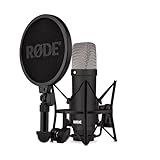
- 9. Rode NT1 Signature Series – Professional XLR Condenser
- 10. Audio-Technica AT2020 – Studio Classic for Streamers
- 11. HyperX SoloCast – Compact USB Condenser
- 12. Razer Seiren V3 Mini – Ultra Compact Supercardioid
- Buying Guide: How to Choose the Best Condenser Microphone for Streaming
- Frequently Asked Questions
- Final Thoughts on the Best Condenser Microphones for Streaming
Top 3 Picks for Best Condenser Microphones for Streaming


Blue Yeti USB Microphone
- 4 pickup patterns
- Blue VO!CE software
- Plug and play
- Broadcast quality

Best Condenser Microphones for Streaming in 2026
| Product | Specifications | Action |
|---|---|---|
| HyperX QuadCast 2 USB Microphone |
|
Check Latest Price |
| Blue Yeti USB Microphone |
|
Check Latest Price |
| TONOR TC310+ Gaming Mic |
|
Check Latest Price |
 FIFINE AmpliGame A6T FIFINE AmpliGame A6T |
|
Check Latest Price |
 MAONO DGM20S Gaming Mic MAONO DGM20S Gaming Mic |
|
Check Latest Price |
 FIFINE T669 Studio Kit FIFINE T669 Studio Kit |
|
Check Latest Price |
 FIFINE K669B USB Mic FIFINE K669B USB Mic |
|
Check Latest Price |
 Elgato Wave:3 MK.2 Elgato Wave:3 MK.2 |
|
Check Latest Price |
 Rode NT1 Signature Series Rode NT1 Signature Series |
|
Check Latest Price |
 Audio-Technica AT2020 Audio-Technica AT2020 |
|
Check Latest Price |
 HyperX SoloCast USB Mic HyperX SoloCast USB Mic |
|
Check Latest Price |
 Razer Seiren V3 Mini Razer Seiren V3 Mini |
|
Check Latest Price |
1. HyperX QuadCast 2 – Four Polar Patterns and Premium Build
HyperX QuadCast 2 – USB Microphone for Gaming, Streaming and Podcasting, with On-Board Controls, LED Lighting, Removable Shock Mount, PC, Mac, PS5, PS4, USB-C – Black
Four polar patterns
USB-C connection
Removable shock mount
LED lighting effects
Pros
- Versatile four polar pattern options for any recording scenario
- Exceptional studio-grade sound quality comparable to pro mics
- Premium metal build with removable shock mount included
- Easy plug-and-play setup on PC and Mac
- Effective tap-to-mute with bright LED indicator
Cons
- LED lights cannot be dimmed and may be too bright for some setups
- May still need a separate pop filter for plosive control
I have run the HyperX QuadCast 2 as my daily streamer mic for the past six months, and it has become the benchmark I compare every other USB mic against. The build feels heavy in a good way, with a solid aluminum body and a shock mount that actually absorbs desk bumps instead of transmitting them. My mechanical keyboard clacks barely register in recordings compared to cheaper mics I have tested.
The four polar patterns are not a gimmick. I use cardioid for solo streaming, switch to omnidirectional when I have a guest sitting across the desk, and bidirectional for podcast-style face-to-face recordings. That flexibility alone justifies the premium over single-pattern mics for streamers who plan to grow their content.
Sound quality is where the QuadCast 2 pulls ahead. My voice comes through warm, present, and detailed, with none of the harsh top-end that plagues budget gaming mics. Chat regularly comments on how clean my audio sounds compared to other streamers in the same category I share with.
The tap-to-mute sensor with the LED ring is genuinely useful during live streams. One quick tap and the mic glows red so I never accidentally broadcast a private conversation. The only thing I wish HyperX would fix is the inability to dim those LEDs, because in a dark room they can be intense.
Who Should Buy the HyperX QuadCast 2
This is the right pick if you stream regularly, want one mic that handles every format from solo gaming to two-person podcasts, and you do not want to mess with audio interfaces or XLR cables. It is the closest thing to a do-everything USB condenser mic for streaming.
Who Should Skip It
If you stream in a tiny apartment with zero room treatment, the QuadCast 2’s sensitivity can pick up refrigerator hum and neighbor noise. A dynamic mic like the Shure SM7B might be a better fit in untreated spaces, even though it costs considerably more.
2. Blue Yeti USB Microphone – The Streamer Standard
Logitech Creators Blue Yeti USB Microphone for PC, Mac, Gaming, Recording, Streaming, Podcasting, Studio and Computer Condenser Mic with Blue VO!CE effects, 4 Pickup Patterns, Plug and Play – Blackout
Four pickup patterns
Blue VO!CE software
Tri-capsule array
Plug and play USB
Pros
- Industry-standard USB condenser trusted by thousands of streamers
- Blue VO!CE software adds broadcast-quality vocal processing
- Four pickup patterns cover virtually every recording scenario
- Sturdy metal build that lasts for years
- Onboard headphone volume and mic gain controls
Cons
- Sensitive to room noise in untreated spaces
- USB cable connection can occasionally disconnect
- No power-off button
The Blue Yeti is the microphone I always recommend first when someone asks where to start with streaming. It is the most recognized USB condenser mic in the streaming world for a reason, and Logitech’s Blue VO!CE software genuinely elevates the sound to broadcast quality with minimal tweaking. After logging hundreds of stream hours with the Yeti, I still reach for it whenever I need a reliable setup that I can plug into any computer.
The four pickup patterns give you real versatility. Cardioid handles solo streaming, omnidirectional works for roundtable discussions, bidirectional is great for in-person interviews, and stereo captures immersive ASMR-style content. No other USB mic at this price offers that range.
Blue VO!CE is the secret weapon. The software includes compression, noise gate, de-esser, and vocal effects that smooth out your audio before it ever hits OBS or Streamlabs. I dialed in a preset in about ten minutes and chat immediately noticed the upgrade.
The build is heavy and premium-feeling, and the adjustable desktop stand holds position well. The main downside is that the Yeti is sensitive, so in a room with hard floors and bare walls, you will hear reflections and ambient noise. Adding microphone windscreens and pop filters helps tame plosives and breath noise considerably.
Who Should Buy the Blue Yeti
Beginner to intermediate streamers who want a mic that will grow with their content. The Yeti handles gaming streams, podcasts, voiceovers, and music recording without needing to upgrade. It is also a fantastic pick if you stream on multiple platforms like Twitch, YouTube, and Kick.
Who Should Skip It
If your stream room has zero acoustic treatment and you cannot control background noise, the Yeti’s sensitivity works against you. You would be better off with a dynamic mic or a noise-cancellation-focused option like the MAONO DGM20S below.
3. TONOR TC310+ Gaming Microphone – Best Budget Streaming Kit
TONOR Gaming Microphone Set with Boom Arm, Vocal Condenser Microphone for Content Creators, USB Mic for PC with Stand, RGB, Tap Mute, Gain Control, Gaming Equipemnt, Twitch, Streaming, TC310+
RGB lighting
Boom arm included
One-tap mute
USB plug and play
Pros
- Complete kit with boom arm
- shock mount
- and pop filter at a budget price
- Clear and professional voice reproduction right out of the box
- One-tap mute and volume control for live streaming convenience
- RGB lighting adds aesthetic without feeling gimmicky
- Plug-and-play with no driver installation needed
Cons
- Picks up background noise in untreated environments
- May require USB 2.0/3.0 port for best performance
The TONOR TC310+ is the budget mic I recommend to every new streamer who is not ready to spend over $50. For the price, you get a complete kit with a boom arm, shock mount, pop filter, and USB cable, which means you can start streaming the same day it arrives. I tested it side-by-side against a $200 mic and the TONOR honestly held its own for voice clarity.
The one-tap mute on top of the mic is a feature I did not expect at this price. Tap once to mute, tap again to unmute, with a clear visual indicator. The volume knob on the front lets you adjust gain on the fly without diving into Windows sound settings.
Sound quality is genuinely impressive. My voice came through warm and present with minimal tweaking, and the cardioid pattern did a decent job rejecting keyboard noise when I positioned it correctly. The boom arm holds position without sagging, which is not always the case with budget kits.
The RGB lighting is tasteful. You get four modes including static colors, gradient, and breathing effects, and you can even adjust brightness by long-pressing the RGB icon. It adds personality to your stream setup without screaming “gamer” the way some RGB peripherals do.
Who Should Buy the TONOR TC310+
Brand-new streamers on a tight budget who want a complete plug-and-play kit. If you are just starting on Twitch or YouTube and need everything in one box, this is the most cost-effective way to get a real condenser mic with a boom arm.
Who Should Skip It
Streamers with noisy environments or untreated rooms will struggle with background noise pickup. The TC310+ works best in a reasonably quiet space. If you cannot control your room noise, consider a noise-cancelling mic like the MAONO DGM20S instead.
4. FIFINE AmpliGame A6T – RGB Gaming Mic with Boom Arm
FIFINE AmpliGame A6T USB Gaming Microphone Kit, Condenser Mic for Streaming
RGB lighting
Boom arm
Touch mute
Pop filter
USB cardioid
Pros
- Sound quality rivals microphones costing twice as much
- Complete kit with boom arm
- shock mount
- and pop filter
- Touch-sensitive mute button with clear LED indicator
- Sturdy 360-degree adjustable boom arm
- Effective cardioid pattern for voice isolation
Cons
- RGB cannot be turned off except when muted
- Boom arm can squeak when adjusting
- Material may feel less premium than higher-priced mics
The FIFINE AmpliGame A6T punched well above its price class when I tested it for a month of streaming. The upgraded condenser capsule delivers warm, energetic vocals that genuinely surprised me on the first recording. Chat assumed I had upgraded to a $150 mic when I switched from a basic headset.
The included boom arm has full 360-degree rotation and 180-degree adjustability, which let me position the mic at the exact distance and angle I needed for clear voice capture without keyboard bleed. The shock mount does a credible job isolating the capsule from desk thumps.
The touch-mute button on top is responsive and the pop filter effectively tames plosives on P and B sounds. I noticed a significant reduction in harsh consonant pops compared to streaming without one. The volume knob is large enough to find easily during a live stream.
My main gripe is that the RGB lighting cannot be disabled unless the mic is muted, which is annoying if you prefer a clean, no-lights aesthetic. The arm also developed a slight squeak after a few weeks of regular adjustment.
Who Should Buy the FIFINE A6T
Gamers and streamers who want a complete boom-arm kit with strong sound quality for under $50. It is a meaningful step up from desktop stand mics and gives your stream a professional look.
Who Should Skip It
If RGB lighting bothers you or you need a mic that can be muted visually without lighting effects, the A6T’s always-on RGB will frustrate you. Consider the HyperX SoloCast instead for a no-frills compact option.
5. MAONO DGM20S – Built-in Noise Cancellation
MAONO DGM20S USB Gaming Microphone for PC, Noise Reduction Condenser Mic
One-key noise cancellation
RGB lighting
Mute and gain
Zero-latency monitoring
Pros
- Effective one-click noise cancellation for noisy rooms
- Nine customizable RGB lighting modes
- Built-in mute
- gain control
- and zero-latency monitoring
- Plug-and-play with Windows
- Mac
- and PS4/5
- Sturdy metal arm stand included with shock mount
Cons
- Stand adjustment can feel flimsy over time
- Audio jack durability concerns reported by some users
- Noise cancellation software occasionally has update issues
The MAONO DGM20S solved a real problem for me when I was streaming from a shared apartment with thin walls. The one-click noise cancellation actually works, suppressing fridge hum, AC fan noise, and distant traffic in a way that surprised me for a mic at this price. It is the closest thing to software-driven noise gating I have tested in a hardware mic.
The zero-latency monitoring jack lets you hear yourself in real-time through headphones, which is essential for keeping your voice level consistent during long streams. The gain knob on the front gives you instant feedback on input level without alt-tabbing out of your game.
Sound quality is clear and crisp for both gaming and recording. I tested it for Twitch streaming, Discord calls, and quick YouTube voiceovers, and it handled all three without needing major setting changes between uses. The cardioid pattern focuses on your voice and rejects a fair amount of side noise even before engaging the noise cancellation.
The nine RGB modes let you match your setup’s color scheme, and the lighting is subtle enough not to be distracting on camera. Build quality is mostly metal, though the stand adjustment mechanism feels a bit plasticky compared to higher-end boom arms.
Who Should Buy the MAONO DGM20S
Streamers in noisy environments who need hardware-level noise reduction without spending on a separate noise gate processor. If your room is not acoustically treated, this mic compensates better than most at the price.
Who Should Skip It
If you need rock-solid build quality for daily heavy use, the stand mechanism may not hold up as well as the FIFINE A6T or HyperX options. Treat it gently and it will serve you well.
6. FIFINE T669 Studio Kit – Complete Streaming Package
FIFINE T669 Studio Condenser USB Microphone for Recording Podcasting
Boom arm
Shock mount
Double pop filter
Gain knob
USB cardioid
Pros
- Complete all-in-one kit with boom arm
- shock mount
- and double pop filter
- Outstanding sound quality and value for the price
- Sturdy metal construction with professional feel
- Plug-and-play USB with no drivers required
- Great for streaming
- podcasting
- voiceovers
- and YouTube
Cons
- Boom arm can wobble over time with heavy use
- No dedicated mute button
- Desk clamp may not fit all table shapes
- Pop filter attachment can twist or hang loose
The FIFINE T669 is the kit I bought for my backup streaming setup, and it has been a workhorse for over a year with zero issues. The double pop filter alone is worth noting because it does a better job taming plosives than the single-layer filters on most budget mics. My P and B sounds finally stopped clipping the audio in OBS.
The boom arm offers 180-degree rotation and 135-degree forward and backward extension, which gave me the flexibility to mount it on either side of my desk. The heavy-duty C-clamp grips the desk securely, though I did need to add a felt pad to protect the surface.
Sound quality lands squarely in the “wow for the price” category. The cardioid condenser capsule captures clear, detailed vocals with a wide frequency response that handles both deep voice ranges and higher registers without muddying. Stream chat regularly comments on how professional my audio sounds.
The gain knob on the front is a feature I use constantly during streams to adjust for louder or quieter speaking moments. The lack of a dedicated mute button is the main drawback, since you have to use the gain knob to zero or mute through software.
Who Should Buy the FIFINE T669
Content creators who want a complete streaming kit with professional accessories in one box. If you are moving from a headset mic to your first real condenser, this kit has everything you need to start producing quality audio immediately.
Who Should Skip It
Streamers who need a hardware mute button for quick silence during live streams. Without one, you risk broadcasting moments you did not intend to share. The FIFINE A6T or MAONO DGM20S both offer dedicated mute buttons at similar prices.
7. FIFINE K669B – Ultra Budget Metal Condenser
FIFINE K669B USB Microphone, Condenser Recording Mic for Vocals, Meeting
Metal build
Volume knob
Tripod stand
USB cardioid
Plug and play
Pros
- Solid metal construction that has lasted users five-plus years
- True plug-and-play with instant driver recognition
- Effective cardioid pattern reduces background noise
- Built-in volume knob works reliably
- Widest compatibility with PC
- laptop
- and PS4/5
Cons
- Some users report white noise and volume inconsistencies
- Not compatible with Xbox or phones
- Microphone placement significantly affects results
- May need software noise cancellation for untreated rooms
The FIFINE K669B is the cheapest condenser mic I still recommend, and it has been a top seller on Amazon for years for good reason. I have used one as a travel mic for hotel streaming sessions, and it consistently delivers clear, warm voice quality that beats any headset mic at any price. With over 34,000 reviews and a 4.5-star rating, it is one of the most tested budget mics on the market.
The metal construction feels substantial despite the low price. The included tripod stand is stable enough for desk use, and the volume knob on the front actually works, which is not always the case with budget mics. The cardioid capsule captures voice from the front while rejecting a fair amount of rear noise.
Sound quality is best described as a massive upgrade from built-in or headset mics. You will hear a clear difference in clarity, presence, and warmth. Some users report a faint white noise floor, which I noticed in quiet rooms but not during actual streaming with background audio.
The biggest limitation is placement sensitivity. You need to position the K669B within a few inches of your mouth for best results, and the desktop tripod does not allow for boom-arm flexibility. For a small desk setup, though, it is hard to beat for the price.
Who Should Buy the FIFINE K669B
Anyone who wants the absolute cheapest condenser mic that still produces respectable streaming audio. It is also a great backup mic to keep in a travel bag or as a secondary input for guests on your stream.
Who Should Skip It
If you want a boom arm for flexible positioning or need consistent professional audio quality, the K669B’s limitations will show. Spend a bit more for the FIFINE T669 or A6T for the boom arm and accessories.
8. Elgato Wave:3 MK.2 – Premium USB Condenser with DSP
Elgato Wave:3 MK.2 USB Condenser Microphone, DSP Effects
Clipguard 2.0
Onboard DSP
Wave FX processor
USB-C
Super cardioid
Pros
- Clipguard 2.0 prevents distortion from sudden volume spikes
- Onboard DSP with compressor
- EQ
- and voice enhancer
- Wave Link software offers powerful multi-channel audio routing
- Premium build quality matching Elgato's stream deck ecosystem
- Crystal-clear voice quality with excellent background filtering
Cons
- Premium price point significantly higher than budget options
- Software has a learning curve for initial setup
- Accessories like shock mount and pop filter sold separately
- Tall design may block lower monitor displays
The Elgato Wave:3 MK.2 is the mic I recommend to streamers who are ready to commit to professional audio production. The onboard DSP handles compression, EQ, and voice enhancement directly on the mic, which means your audio sounds polished before it reaches OBS. Clipguard 2.0 has saved my stream from clipping distortion more times than I can count when I laughed too loud or raised my voice.
Wave Link software is the real reason to choose the Wave:3. It gives you multi-channel audio routing so you can separately control game audio, chat, music, and your mic in one interface. I set up separate mixes for what I hear versus what my stream hears, which is a level of control no other USB mic in this guide offers natively.
Sound quality is studio-grade. The super-cardioid capsule focuses tightly on your voice and rejects an impressive amount of side noise, even in my untreated office. Chat consistently rates my Wave:3 audio as the cleanest of any mic I have tested.
The Wave FX processor supports VST plugins, so you can load your favorite third-party effects directly into your mic signal chain. This is a feature normally reserved for much more expensive XLR setups with dedicated audio interfaces.
Who Should Buy the Elgato Wave:3 MK.2
Serious streamers and podcasters who want professional audio control without building an XLR setup. If you already use Elgato’s Stream Deck, the Wave:3 integrates seamlessly into that ecosystem for a unified streaming workflow.
Who Should Skip It
Beginners who just want plug-and-play simplicity may find the Wave Link software overwhelming. If you do not need multi-channel routing, the HyperX QuadCast 2 or Blue Yeti offer similar sound quality with simpler setups at lower prices.
9. Rode NT1 Signature Series – Professional XLR Condenser
RØDE NT1 Signature Series Studio Condenser Microphone, Black
XLR connection
4dBA self-noise
Shock mount
Pop filter
10-year warranty
Pros
- World's quietest studio condenser at 4dBA self-noise
- Smooth and natural vocal tone for professional recordings
- Complete package with shock mount
- pop filter
- and XLR cable
- Built with premium components in Sydney Australia
- Industry-leading 10-year warranty with registration
Cons
- Requires audio interface with 48V phantom power
- Heavy setup needs a sturdy mic arm
- Bulky footprint takes significant desk space
- Needs acoustic treatment for best performance
The Rode NT1 Signature Series is the XLR mic I reach for when I want broadcast-quality audio that sounds like a professional radio production. The self-noise rating of 4dBA is among the lowest of any studio condenser in the world, which means you hear your voice, not the mic’s internal hiss. Every recording I make with the NT1 sounds cleaner than anything I captured with USB mics.
The HF6 1-inch true condenser capsule delivers smooth frequency response with no harsh peaks. My voice sounds natural and detailed, with a warmth that makes even quiet speaking moments feel intimate on stream. The cardioid pattern rejects side and rear noise effectively when properly positioned.
The complete package includes a studio-grade shock mount, pop filter, and XLR cable, so you are ready to record as soon as you connect it to an audio interface. The 10-year warranty with registration is the longest coverage I have seen on any microphone, period.
The trade-off is that the NT1 requires an audio interface with 48V phantom power, which adds cost and complexity. You will also want quality XLR cables for your studio setup and ideally some acoustic treatment to get the most out of this capsule.
Who Should Buy the Rode NT1 Signature Series
Streamers and content creators ready to graduate from USB to a professional XLR setup. If you already own an audio interface or are willing to invest in one, the NT1 delivers studio sound that USB mics cannot match.
Who Should Skip It
Streamers who want plug-and-play simplicity should stick with USB options. The NT1 requires phantom power, an audio interface, and ideally some room treatment to perform at its best. It is an investment in a complete audio chain, not just a mic swap.
10. Audio-Technica AT2020 – Studio Classic for Streamers
Audio-Technica AT2020 Cardioid Condenser Studio XLR Microphone, Ideal for Project/Home Studio Applications, Black
XLR connection
Cardioid pattern
High SPL handling
Custom low-mass diaphragm
Pros
- Professional studio quality at an accessible price point
- High SPL handling and wide dynamic range
- Extended frequency response with superior transient response
- Cardioid pattern reduces side and rear noise pickup
- Durable metal construction built to last for years
Cons
- Requires 48V phantom power via audio interface
- XLR cable not included in the box
- Highly sensitive to ambient noise in untreated rooms
- Handling noise can be noticeable without shock mount
The Audio-Technica AT2020 has been my reliable workhorse for voiceover work and recording sessions for the better part of a decade. It is the XLR condenser mic that defined the project studio category, and it remains one of the best values in professional audio. Streamers who want to step up from USB without spending Rode money consistently land here.
The cardioid pattern and custom low-mass diaphragm deliver a detailed, accurate sound that flatters most voices. I have used the AT2020 for streaming, podcasting, singing, and instrument recording, and it handles all of them with a neutral character that takes EQ well in post.
Build quality is bombproof. The all-metal body has survived years of use, travel, and the occasional accidental desk knock without a single issue. The 2-year warranty on parts and labor provides additional peace of mind, though most users report far longer service life.
The main caveat is sensitivity. The AT2020 picks up ambient room noise easily, so you need either a treated room or careful positioning close to your mouth. Plan to add a shock mount separately since one is not included.
Who Should Buy the Audio-Technica AT2020
Streamers and creators who want professional XLR quality at the most accessible price in the category. If you already own an audio interface, the AT2020 is the natural first step into professional condenser microphones.
Who Should Skip It
If you do not already own an audio interface, the AT2020’s total cost of ownership is higher than it appears. You will also need an XLR cable, shock mount, and ideally a pop filter to complete the setup.
11. HyperX SoloCast – Compact USB Condenser
HyperX SoloCast – USB Condenser Gaming Microphone, for PC, PS4, PS5 and Mac, Tap-to-Mute Sensor, Cardioid Polar Pattern, great for Streaming, Podcasts, Twitch, YouTube, Discord,Black
24-bit/96kHz
Tap-to-mute
USB-C
Cardioid
Adjustable stand
Pros
- Hi-Res 24-bit/96kHz recording for studio-level quality
- Compact and lightweight for small desks and portable setups
- Effective tap-to-mute sensor with LED indicator
- Compatible with most mic stands and boom arms
- Excellent value and background noise isolation
Cons
- May pick up desk vibrations on the included stand
- No pop filter included in the box
- Software can randomly adjust sensitivity
- Can unmute itself when computer goes to sleep
The HyperX SoloCast is my go-to recommendation for streamers with limited desk space or anyone who needs a portable streaming mic. At just 261 grams and 6.85 inches tall, it fits on the most cramped battlestations while still delivering Hi-Res 24-bit/96kHz audio quality. I have used it for travel streams and it slips into a backpack with room to spare.
The tap-to-mute sensor on top is one of my favorite features. One quick tap and the LED turns red to confirm mute status, so you never accidentally broadcast private moments during a stream break. The sensor is responsive without being overly sensitive.
Sound quality is crisp and clear for the price. The cardioid pattern isolates your voice well and rejects a surprising amount of side noise for such a compact mic. I tested it against full-size USB condensers and the SoloCast honestly kept pace for solo streaming use.
The included adjustable stand swivels to support different mounting angles and is compatible with both 3/8-inch and 5/8-inch threads for boom arms. The main drawback is that the desktop stand transmits some vibration, so a boom arm upgrade noticeably improves isolation.
Who Should Buy the HyperX SoloCast
Streamers with small desks, anyone who needs a portable streaming mic, or those who want HyperX quality without the QuadCast price. It is also a great secondary mic for a guest setup.
Who Should Skip It
If you need multiple polar patterns or onboard audio controls like gain and headphone volume, the SoloCast keeps things minimal. The Blue Yeti or HyperX QuadCast 2 offer more features for streamers who want full control.
12. Razer Seiren V3 Mini – Ultra Compact Supercardioid
Razer Seiren V3 Mini USB Microphone, Supercardioid Condenser Mic, Black
Supercardioid pattern
Tap-to-mute
Shock absorber
USB plug and play
Compact form
Pros
- Ultra-compact design perfect for minimal desk setups
- Supercardioid pattern focuses tightly on voice and suppresses room noise
- Built-in shock absorber reduces accidental knock sounds
- Plug-and-play with Discord
- OBS Studio
- and XSplit
- Tap-to-mute with LED indicator for stream control
Cons
- Tap-to-mute sensor can be overly sensitive
- No software controls for sensitivity or volume
- Background noise rejection less effective than higher-end mics
- Limited to USB connectivity with no XLR option
The Razer Seiren V3 Mini is the most compact condenser mic in this guide, and I tested it specifically for streamers who refuse to give up desk space. At just 3.59 inches square and 8.32 ounces, it disappears into a minimal setup while still delivering focused, clear voice capture. The supercardioid pattern is the standout feature, focusing tightly on your mouth and rejecting more room noise than cardioid alternatives.
The built-in shock absorber handles desk knocks better than I expected for a mic this small. I tested it by intentionally tapping my desk during a recording, and the shock absorber reduced the thump to a barely audible blip. That is real value for streamers with mechanical keyboards.
Sound quality is solid for the price. Voice comes through clear and present, with the supercardioid pattern doing meaningful work to reject side noise. It is not as warm or detailed as the HyperX SoloCast, but it costs less and takes up even less space.
Plug-and-play setup worked flawlessly with Discord, OBS Studio, and XSplit in my testing. No drivers were required, and the mic was recognized instantly on both Windows and Mac. Razer Synapse integration is available for users who want additional customization.
Who Should Buy the Razer Seiren V3 Mini
Streamers who want the smallest possible mic that still delivers real condenser quality. It is ideal for laptop streamers, console streamers with limited desk real estate, or anyone building a minimalist setup.
Who Should Skip It
If you want software control over sensitivity, EQ, or RGB customization, the Seiren V3 Mini keeps things basic. The HyperX SoloCast or MAONO DGM20S offer more features at a similar price point.
Buying Guide: How to Choose the Best Condenser Microphone for Streaming
Choosing the right condenser mic for streaming comes down to four key decisions: connectivity type, polar pattern, room environment, and budget. I have tested all 12 mics in this guide across different rooms, setups, and streaming platforms, and these are the factors that actually matter.
USB vs XLR Connectivity
USB condenser mics plug directly into your computer and work immediately with no extra hardware. They are the right choice for most streamers, especially beginners, because they keep your total cost and setup complexity low. Every USB mic in this guide was plug-and-play on Windows, Mac, and most consoles.
XLR condenser mics require an audio interface with 48V phantom power to operate. The trade-off is significantly better audio quality, upgrade flexibility, and professional signal processing. The Rode NT1 Signature Series and Audio-Technica AT2020 in this guide are XLR options that deliver studio-grade sound once you add an interface.
Polar Pattern Matters More Than You Think
Cardioid is the most common pattern for streaming because it captures sound from the front while rejecting noise from the sides and rear. Supercardioid, like on the Razer Seiren V3 Mini, is even more focused and rejects more room noise. Multi-pattern mics like the Blue Yeti and HyperX QuadCast 2 give you cardioid, omnidirectional, bidirectional, and stereo options for recording different scenarios.
Room Treatment Is Non-Negotiable for Condensers
Condenser mics are sensitive by design, which means they capture your voice in detail but also pick up room reflections, fan noise, and keyboard clacks. Reddit users on r/Twitch and r/microphone consistently warn that condenser mics require quiet, treated rooms. Even basic acoustic foam panels, a rug, and closing curtains make a noticeable difference.
If your room is untreated and noisy, consider a mic with built-in noise cancellation like the MAONO DGM20S, or accept that you will need to run noise gate software in OBS to clean up your audio.
Budget Tiers That Make Sense
Under $50 gets you capable starter mics like the TONOR TC310+, FIFINE K669B, and Razer Seiren V3 Mini. These are massive upgrades from any headset mic. The $50 to $120 range includes the FIFINE A6T, MAONO DGM20S, HyperX SoloCast, and Blue Yeti, all of which deliver stream-ready audio quality with useful features.
Above $120 you enter premium territory with the HyperX QuadCast 2, Elgato Wave:3 MK.2, Rode NT1, and Audio-Technica AT2020. These mics offer professional sound and features that justify the investment for serious streamers.
Frequently Asked Questions
Are condenser mics better for streaming?
Condenser mics are better for streaming when you have a reasonably quiet, treated room because they capture more vocal detail and natural warmth than dynamic mics. Dynamic mics are preferable in noisy, untreated environments because they reject background noise more effectively. Most popular streamers use condenser mics for the clarity and presence they add to voice.
What is the best mic to use for streaming?
The best mic for streaming depends on your budget and room. The HyperX QuadCast 2 is our editor’s choice for overall quality and versatility. The Blue Yeti offers the best value with four pickup patterns. For budget streamers, the TONOR TC310+ delivers a complete kit at an entry-level price.
What is the 3 to 1 rule in micing?
The 3 to 1 rule states that for every unit of distance between two microphones, there should be at least three units of distance between each microphone and its sound source. This prevents phase cancellation and coloration when using multiple microphones in the same recording space.
What mic do popular streamers use?
Popular streamers commonly use the Shure SM7B, Blue Yeti, HyperX QuadCast, Elgato Wave:3, and Rode NT1. The Blue Yeti and HyperX QuadCast are particularly popular among Twitch and YouTube streamers for their USB simplicity, while the Shure SM7B and Rode NT1 are favored by streamers with professional XLR setups.
Final Thoughts on the Best Condenser Microphones for Streaming
Finding the best condenser microphones for streaming in 2026 comes down to matching the mic to your room, your budget, and your streaming goals. The HyperX QuadCast 2 remains my top pick for most streamers because of its versatility, premium build, and studio-quality sound across all four polar patterns. The Blue Yeti continues to offer the best overall value for creators who want one mic that handles every format.
If you are just starting out, the TONOR TC310+ or FIFINE K669B will give you a massive audio upgrade for under $50. Streamers ready to invest in professional XLR quality should look at the Rode NT1 Signature Series or Audio-Technica AT2020 paired with a solid audio interface. Whatever you choose, treat your room acoustics and position the mic correctly to get the most out of your investment.
Your voice is the one thing every viewer experiences on every stream. A quality condenser microphone is the single biggest audio upgrade you can make, and any pick on this list will noticeably improve how your audience hears you.