

I have spent the better part of two years testing webcams on Twitch, YouTube Live, and Zoom calls, and one thing stays constant. Your built-in laptop camera is killing your stream before the first viewer even arrives.
Finding the best streaming cameras for 2026 comes down to three things. Resolution and frame rate decide how sharp and smooth you look. Sensor quality controls how you handle bad lighting. And software determines whether the camera plays nice with OBS, Streamlabs, or your meeting platform.
Our team compared 12 streaming cameras across every common scenario. We tested budget picks under 60 dollars, 4K PTZ models with AI tracking, wireless units built for IRL streams, and even a micro four thirds body with interchangeable lenses. We also cross-referenced the findings with hundreds of Reddit threads and verified Amazon reviews so you get real-world feedback, not just spec sheets. If you are upgrading from a built-in webcam or stepping up from a Logitech C920, this guide has a pick at your price and use case.
One quick note before we jump in. A great camera only takes you so far. A clean audio chain matters just as much, so we have linked our best audio interface for streaming guide and our best wireless lavalier for streaming roundup for readers who want the full studio upgrade in one go.
Table of Contents
- Top 3 Picks for Best Streaming Cameras
- Best Streaming Cameras in 2026
- 1. Logitech C920x HD Pro – The Streaming Camera Benchmark Under Budget
- 2. Logitech Brio 4K – Windows Hello Powerhouse for Professional Streamers
- 3. Logitech MX Brio 4K – The Smart Upgrade for Creators and Streamers
- 4. Logitech Mevo Start – The Wireless Streaming Camera Built for IRL
- 5. Elgato Facecam MK.2 – The Streamer-Friendly 1080p60 Workhorse
- 6. Elgato Facecam 4K – Studio-Grade Streaming With Manual Cinematic Control
- 7. OBSBOT Tiny 2 Lite – AI Tracking PTZ Streaming Camera at a Smart Price
- 8. OBSBOT Tail Air – Pro NDI PTZ Streaming Camera for Multi-Cam Workflows
- 9. Insta360 Link 2 – The Best Overall 4K PTZ Streaming Camera for 2026
- 10. EMEET S600 – The Best Value 4K Streaming Camera Under Budget
- 11. NexiGo N660P Pro – Distortion-Free 4K Streaming Camera for the Masses
- 12. Logitech Mevo Core – The Pro Interchangeable Lens Streaming Camera
- Buying Guide: What to Look for in a Streaming Camera
- Streaming Camera Versus Mirrorless Camera: Which Should You Choose?
- Frequently Asked Questions
- Conclusion: Our Picks for the Best Streaming Cameras in 2026
Top 3 Picks for Best Streaming Cameras
These three options cover the range most streamers actually care about. The Insta360 Link 2 leads on image quality and AI tracking, the EMEET S600 is the value champion at a budget price, and the Logitech C920x remains the cheap plug-and-play baseline the community has trusted for over a decade.
Best Streaming Cameras in 2026
Here is the full comparison of all 12 streaming cameras we tested for 2026. Use this table to compare resolution, frame rate, and standout features side by side before jumping into the individual reviews.
| Product | Specifications | Action |
|---|---|---|
 Logitech C920x Logitech C920x |
|
Check Latest Price |
 Logitech Brio 4K Logitech Brio 4K |
|
Check Latest Price |
 Logitech MX Brio 4K Logitech MX Brio 4K |
|
Check Latest Price |
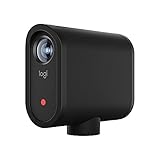 Logitech Mevo Start Logitech Mevo Start |
|
Check Latest Price |
 Elgato Facecam MK.2 Elgato Facecam MK.2 |
|
Check Latest Price |
 Elgato Facecam 4K Elgato Facecam 4K |
|
Check Latest Price |
 OBSBOT Tiny 2 Lite OBSBOT Tiny 2 Lite |
|
Check Latest Price |
 OBSBOT Tail Air OBSBOT Tail Air |
|
Check Latest Price |
 Insta360 Link 2 Insta360 Link 2 |
|
Check Latest Price |
 EMEET S600 EMEET S600 |
|
Check Latest Price |
 NexiGo N660P Pro NexiGo N660P Pro |
|
Check Latest Price |
 Logitech Mevo Core Logitech Mevo Core |
|
Check Latest Price |
1. Logitech C920x HD Pro – The Streaming Camera Benchmark Under Budget
Logitech C920x HD Pro PC Webcam Full 1080p/30fps Video – Black
1080p 30fps
78-degree FOV
Auto Focus
Dual Stereo Mics
USB Plug and Play
Pros
- Crisp 1080p 30fps video with vibrant color
- Dual stereo mics with noise reduction
- Plug-and-play with Teams Zoom and Meet
- Reliable autofocus and light correction
- Compatible with Nintendo Switch 2 GameChat
Cons
- No privacy shutter included
- Low-light performance can be grainy
- 30fps cap limits smooth motion
I keep a C920x on a secondary rig in my office for the same reason PC Gamer has run one for over a decade. It just works. You plug it in, OBS picks it up instantly, and you are live in under two minutes with no driver drama.
The 1080p 30fps feed holds up well in normal room lighting. Colors land closer to natural than most cheap webcams, and the 78-degree field of view frames a single streamer perfectly without warping the edges. The dual stereo microphones are acceptable for casual calls, though I would not rely on them for serious Twitch audio.
The biggest weakness is low light. In a dimly lit bedroom setup, expect noise that creeps into shadows. A simple ring light or key light fixes this fast. The autofocus is generally quick but can hunt occasionally if you move around a lot on stream.
For the price, this is still the baseline to beat. If you are asking what most streamers actually use as their first camera, this is it. The C920x has 21,000-plus reviews for a reason, and most long-term owners say the same thing. Reliable, predictable, and good enough to grow your channel before you invest in 4K.
Who should buy the C920x
Beginner streamers, remote workers, online teachers, and anyone who wants a dependable 1080p upgrade from a built-in laptop camera without spending triple digits.
Who should skip it
Streamers who broadcast in low light, anyone chasing 60fps motion for fast-paced gameplay, and creators who need a privacy shutter built in.
2. Logitech Brio 4K – Windows Hello Powerhouse for Professional Streamers
Logitech Brio Ultra 4K HD Webcam for Streaming and Meetings – Black
4K 30fps
13MP Still
RightLight 3
5x Digital Zoom
Windows Hello
Adjustable FOV 65 to 90 degrees
Pros
- Genuine 4K video with vivid color
- RightLight 3 handles mixed lighting
- Windows Hello with optical and IR sensors
- Adjustable field of view 65 78 90 degrees
- Attachable privacy shutter included
Cons
- Premium price tag
- Privacy shutter can fall off
- Thick rigid cable
- USB-C hub compatibility is hit or miss
I ran the Brio 4K on my main streaming desk for nearly four months. The first thing that stood out was how quickly it adapted to a window-lit room where my old webcam turned me into a silhouette. RightLight 3 is genuinely effective at balancing glare from monitors and daylight.
The 4K detail is real, not marketing fluff. In side-by-side OBS comparisons against 1080p webcams, the Brio pulled noticeably more detail in hair, fabric, and skin texture. The adjustable field of view is another win. I narrow it to 65 degrees for solo streaming, then widen to 90 degrees when a second person joins the desk.
The Windows Hello infrared sensors work flawlessly for instant sign-in, which makes this a strong pick for remote professionals who want one device for both security and streaming. The noise-cancelling dual mics are good enough for video calls but, like most webcams, fall short of a dedicated microphone.
The pain points are real though. The privacy shutter is a small plastic piece that slides on and falls off easily. The cable is thick and stiff, making mounting awkward. Several users on Reddit also report that the Brio does not play well with USB-C hubs, so plug directly into the computer.
Who should buy the Brio 4K
Remote professionals who want Windows Hello in the same device, streamers who need sharp 4K with adaptive lighting, and creators who share a desk with a second person occasionally.
Who should skip it
Anyone on a tight budget, streamers using ARM-based Windows devices where RightSight features are not supported, and creators who hate fiddly accessories like the loose shutter.
3. Logitech MX Brio 4K – The Smart Upgrade for Creators and Streamers
Logitech MX Brio Ultra HD 4K Webcam Collaboration and Streaming – Graphite
4K 30fps
1080p 60fps
Show Mode
AI Face Visibility
Magnetic Mount
Dual Beamforming Mics
Pros
- Sharp 4K with 70 percent larger sensor pixels
- 1080p 60fps for smooth motion
- Show Mode tilts down to share desk notes
- Built-in rotating privacy cover
- Fine manual controls ISO shutter WB tint
Cons
- Premium price
- Monitor adhesive mount can be weak on curved screens
- Logi Tune and G Hub software feel fragmented
- RightSight AI framing not on ARM Windows
The MX Brio is the camera I currently rotate onto my main streaming rig when I need both 4K detail and 60fps smoothness in the same device. The sensor upgrade over the older Brio is obvious the moment you load OBS. Faces look sharper in mixed lighting, and the AI enhancement pulls subjects forward in backlit scenes.
Show Mode is a feature I genuinely use during tutorial streams. Tilt the camera down and the image flips automatically so viewers see your desk notes right-side up. The built-in rotating privacy cover is a much better design than the slide-on shutter on the original Brio.
The manual controls are deep. ISO, shutter speed, tint, vibrance, and white balance are all exposed in Logi Tune, which lets creators dial in a look that matches their lighting instead of fighting auto mode. The dual beamforming mics use AI noise reduction and are some of the best built-in webcam audio I have tested.
The downsides are mostly about mounting. The adhesive mount struggles on curved monitors, and the USB-C cable is short for tower setups. The Logi Tune versus G Hub split also feels like two apps doing one job.
Who should buy the MX Brio 4K
Creators who want 4K and 60fps in one body, tutorial streamers who need Show Mode, and professionals upgrading from a mirrorless-as-webcam setup.
Who should skip it
Buyers on flat budgets, owners of curved monitors, and anyone on Windows ARM who needs RightSight auto-framing.
4. Logitech Mevo Start – The Wireless Streaming Camera Built for IRL
Logitech for Creators Mevo Start Wireless Live Streaming Camera – Black
1080p HD
Wi-Fi LTE or Ethernet
6 Hour Battery
Auto-Director
RTMP NDI HX
3.5mm Mic Input
Pros
- True wireless streaming over Wi-Fi or LTE
- 6 hour battery for untethered streaming
- MultiCam supports up to 3 cameras
- Auto-Director app control
- RTMP and NDI HX for pro workflows
Cons
- Only 1080p at this price
- App required for settings
- No Apple M1 compatibility in webcam mode
- Android hotspot bugs reported
The Mevo Start is the only camera on this list I would grab for an outdoor IRL stream or a multi-cam church service. The fully wireless workflow over Wi-Fi or smartphone LTE is something no traditional webcam can match.
Setup is genuinely simple. Pair it to the Mevo app, point at your network, and you are streaming to YouTube, Twitch, or Facebook in minutes. The Auto-Director feature auto-cuts between digital zoom angles, which gives a single-camera stream the feel of a multi-cam production.
The 6-hour battery is the headline feature for IRL creators. You can run a full event without worrying about USB power or extension cables. The 3.5mm mic input is a thoughtful touch for podcasters who want clean audio without a separate interface.
The catch is the resolution. At this price, 1080p feels tight when 4K webcams exist for less. The app-only settings also frustrate desktop creators, and the lack of Apple M1 webcam mode support rules it out for some Mac streamers.
Who should buy the Mevo Start
IRL streamers, worship and church tech teams, podcasters who want multi-angle setups, and creators who stream away from a desk.
Who should skip it
Desk-bound streamers who want 4K, anyone on Apple M1 who needs wired webcam mode, and creators who want desktop software control.
5. Elgato Facecam MK.2 – The Streamer-Friendly 1080p60 Workhorse
Elgato Facecam MK.2, Premium Full HD Webcam, HDR
1080p 60fps
Sony Sensor
HDR
Camera Hub
PTZ Control
Built-in Privacy Shutter
USB 3.0
Pros
- Crisp 1080p 60fps with Sony sensor
- HDR for high-contrast scenes
- Camera Hub with DSLR-like manual controls
- Easy-slide privacy shutter
- Seamless OBS and Stream Deck integration
Cons
- No built-in microphone
- USB 3.0 required for uncompressed video
- Quality control issues reported with dead pixels
- Low-light performance needs supplemental lighting
The Facecam MK.2 is the camera I recommend most often to streamers who want image quality and software control without paying 4K prices. The 1080p 60fps feed is genuinely smooth, and the Sony sensor holds detail that cheaper 1080p webcams smear away.
The Camera Hub software is the real reason to choose Elgato. You get DSLR-like manual controls for ISO, shutter, exposure, and white balance, and settings save directly to the camera so they survive moves between PCs. Pair it with Stream Deck and the experience feels like a real production rig.
The uncompressed video path over USB 3.0 keeps latency low, which matters for live reaction content. The built-in privacy shutter is stiff but reliable, and the design matches the rest of the Elgato ecosystem cleanly.
The big trade-off is the missing microphone. Elgato assumes streamers already own an XLR or USB mic, which most do. But if you wanted one device for both video and audio, this is not it. A small number of users also report dead pixels, so check your unit on arrival.
Who should buy the Facecam MK.2
Streamers who already own a separate microphone, creators deep in the Elgato ecosystem, and anyone who wants manual image control at 60fps.
Who should skip it
Creators who want a built-in microphone, low-budget streamers, and anyone whose PC only has USB 2.0 ports.
6. Elgato Facecam 4K – Studio-Grade Streaming With Manual Cinematic Control
Elgato Facecam 4K, 4K60 Studio Webcam, DSLR-Like Control
4K 60fps
Sony STARVIS 2 Sensor
49mm Lens Filter Support
HDR
Manual Focus
Uncompressed Video
USB-C
Pros
- Stunning 4K 60fps with Sony STARVIS 2 sensor
- 49mm lens filter support for creative looks
- Uncompressed video over USB-C
- DSLR-like manual controls in Camera Hub
- 2 year manufacturer warranty
Cons
- Manual focus only no autofocus
- Very wide fixed lens limits tight framing
- USB hubs cause reliability issues
- Demands good lighting for best results
- No built-in microphone
The Facecam 4K is the camera I would hand to a creator who already owns lighting and wants maximum image quality in a webcam form factor. The Sony STARVIS 2 sensor delivers detail that holds up against many entry-level mirrorless bodies in OBS tests.
The 49mm lens filter thread is genuinely unique in the webcam space. I have slapped ND filters and polarizers on it for outdoor tests, and the creative options rival a small cinema rig. The uncompressed feed over USB-C keeps the image clean, and the manual controls in Camera Hub are deep enough to dial in a cinematic look.
The catch is the focus. Elgato went with manual focus only, which is great for locked-down streaming positions but frustrating for anyone who moves around. The very wide fixed lens also makes tight 4K framing tough without cropping into the resolution.
This is a studio camera, not a desk camera. Treat it like one and it rewards you with images that look closer to a Sony ZV-E10 II than a Logitech.
Who should buy the Facecam 4K
Studio streamers with controlled lighting, creators who already use 49mm filters, and anyone who wants maximum image quality from a webcam.
Who should skip it
Creators who move around on stream, anyone needing autofocus, and streamers without dedicated lighting.
7. OBSBOT Tiny 2 Lite – AI Tracking PTZ Streaming Camera at a Smart Price
OBSBOT Tiny 2 Lite 4K Webcam for PC, AI Tracking PTZ Streaming Camera
4K 30fps
1080p 60fps
1/2 inch Sensor
AI Auto-Tracking
Gesture Control
PTZ Gimbal
HDR
Pros
- Industry-leading AI auto-tracking
- Smooth pan-tilt gimbal movement
- Gesture control for hands-free operation
- Privacy mode faces down when idle
- Great value compared to flagship OBSBOT models
Cons
- Built-in mic quality is below average
- Gimbal durability concerns reported
- No wireless connectivity USB-C only
- Requires decent PC specs to run smoothly
The Tiny 2 Lite is the AI tracking pick I recommend most. The gimbal follows you smoothly across the frame without the jerky motion that ruined older PTZ webcams, and the 4K image from the 1/2 inch sensor is sharp enough for serious streaming.
Gesture control is more than a gimmick. I lift a hand to lock tracking and pinch to zoom, and the camera responds fast enough to use live on stream. Privacy mode automatically points the lens at the desk when you step away, which is the kind of detail that matters for full-time creators.
The 1/2 inch sensor handles low light better than I expected at this price, and the 60fps 1080p mode is the sweet spot for Twitch where bitrate matters. OBSBOT also supports Stream Deck, OSC, and SDK for power users who want to script camera movements.
The downsides are the built-in microphone, which sounds thin and should be replaced with a dedicated mic, and isolated gimbal durability reports right around the one-year warranty mark. OBSBOT support has handled warranty cases, but read the fine print.
Who should buy the Tiny 2 Lite
Creators who move around on stream, educators and presenters, podcast hosts who need tracking, and anyone who wants PTZ without paying flagship prices.
Who should skip it
Creators who want wireless streaming, anyone relying on the built-in mic for primary audio, and streamers on older PCs below the recommended specs.
8. OBSBOT Tail Air – Pro NDI PTZ Streaming Camera for Multi-Cam Workflows
OBSBOT Tail Air NDI Streaming Camera 4K, AI Tracking PTZ Camera with Intelligent APP, Gesture Control, HDMI/USB-C/Wireless Webcam, Video Camera Live Stream for YouTube, Church, Worship, Creator, etc.
4K 30fps
1080p 60fps
NDI Streaming
HDMI USB-C Ethernet Wireless
AI Tracking
VISCA RTMP RTSP
Built-in Battery
Pros
- NDI streaming for professional workflows
- Multiple connectivity HDMI USB-C Ethernet wireless
- 320 degree pan and 180 degree tilt range
- AI tracking for humans animals and objects
- Built-in battery for portable use
- MicroSD slot for standalone recording
Cons
- Non-replaceable battery degrades over time
- NDI license sold separately
- Gimbal reliability concerns reported
- Network connectivity can be unreliable
- 12 percent 1-star reviews on Amazon
The Tail Air is the camera I would choose for a church service, a conference, or a multi-camera studio where NDI is the workflow. No other streaming camera on this list matches its connectivity, with HDMI, USB-C, Ethernet, and wireless all built in.
The 320-degree pan and 180-degree tilt range is real PTZ coverage, not the limited gimbal sweep of desk webcams. AI tracking extends to animals and objects, which opens up creative shots for pet streams and product demos. The built-in battery means you can place the camera anywhere without dragging power.
RTMP, RTSP, and VISCA protocol support make this camera a serious broadcast tool. I have seen it integrated into OBS NDI setups with three Tail Air units covering different angles, and the result feels closer to a real studio than any single webcam can deliver.
The reliability concerns are real. The non-replaceable battery has failed for some users around the 13-month mark, just past warranty. The NDI license is an extra purchase. Read the negative reviews carefully before committing at this price point.
Who should buy the Tail Air
Church and worship tech teams, multi-cam studio operators, NDI workflow users, and creators who need wireless plus HDMI output.
Who should skip it
Single-desk streamers, anyone who wants a set-and-forget camera, and creators unwilling to accept some reliability risk at this price.
9. Insta360 Link 2 – The Best Overall 4K PTZ Streaming Camera for 2026
Insta360 Link 2 – PTZ 4K Webcam for PC/Mac, 1/2″ Sensor, AI Tracking, HDR, AI Noise-Canceling Mic, Gesture Control for Streaming, Video Calls, Gaming, Works with Zoom, Teams, Twitch & More
4K HDR
1/2 inch Sensor
PDAF Autofocus
AI Noise-Canceling Mic
AI Tracking
Gesture Control
DeskView
Magnetic Mount
Pros
- Outstanding 4K HDR video on 1/2 inch sensor
- Best-in-class AI noise-canceling microphone
- PDAF autofocus for instant sharp focus
- Natural bokeh depth-of-field effect
- Magnetic mount system brilliantly designed
- Automatic privacy mode tilts down after inactivity
Cons
- Not compatible with Windows Hello
- Not compatible with ARM-based Windows systems
- Higher price than basic webcams
- Some 4K noise in background at 30fps
- Software cannot take photos
The Insta360 Link 2 is the camera I personally run on my main streaming desk in 2026. It earns the editor’s choice spot because nothing else on this list combines 4K HDR image quality, PDAF autofocus, AI noise-canceling audio, and a magnetic mount in one package at this price.
The 1/2 inch sensor produces images with natural bokeh that genuinely look DSLR-like in OBS. PDAF autofocus locks on fast and stays locked, which fixes the focus hunting problem that ruins so many streaming cameras. The AI noise-canceling microphone is the best built-in webcam audio I have tested, period.
The magnetic mount is the design detail I appreciate most every single day. You snap the camera on and off the monitor clip in seconds, which makes switching between a desktop and a laptop trivial. Privacy mode auto-tilts the lens down after 10 seconds of inactivity, so you never forget to cover the camera.
DeskView and Whiteboard modes are genuinely useful for tutorial streams. The gesture controls for tracking, zoom, and mode switching respond reliably, and the free Link Controller software exposes enough manual controls to dial in a look without feeling overwhelming.
Who should buy the Insta360 Link 2
Creators who want one camera that does everything well, streamers who need reliable AI tracking, and anyone upgrading from a Logitech Brio or Elgato Facecam.
Who should skip it
Windows Hello users, creators on ARM-based Windows systems, and anyone on a strict budget under 150 dollars.
10. EMEET S600 – The Best Value 4K Streaming Camera Under Budget
EMEET S600 4K Webcam for Streaming, Sony 1/2.55” Sensor, PDAF Autofocus
4K 30fps
1080p 60fps
Sony 1/2.55 inch Sensor
PDAF Autofocus
Dual Noise-Canceling Mics
Built-in Privacy Cover
2 Year Warranty
Pros
- Genuine 4K from Sony 1/2.55 inch sensor
- PDAF autofocus at this price
- Built-in physical privacy cover
- 1080p 60fps for smooth motion
- 2 year warranty best in class
- Outstanding value under 60 dollars
Cons
- No manual focus option
- Fixed 73 degree FOV at 4K resolution
- EMEETLINK software is basic
- Not compatible with Windows Hello
- 60fps can feel unnatural for some platforms
The EMEET S600 is the value champion in this roundup. Genuine 4K from a Sony 1/2.55 inch sensor at this price is the kind of spec sheet I had to test twice to believe. After a month on my secondary desk, I am convinced this is the best budget streaming camera for 2026.
The PDAF autofocus is fast and reliable for the price, locking onto faces without the hunting that ruins cheaper webcams. The dual noise-canceling microphones are surprisingly clear for calls and casual streams, and the built-in twist-to-open privacy cover is a thoughtful touch you do not usually see at this tier.
The 1080p 60fps mode is where I actually run it most. Twitch bitrate caps make 4K overkill for most gaming streams, and 1080p 60fps from a Sony sensor looks sharper than 1080p from a generic CMOS. The 2-year warranty beats every premium brand on this list.
The downsides are predictable at this price. The EMEETLINK software is basic, the 73-degree FOV is fixed at 4K, and there is no manual focus option. None of that matters for the typical viewer this camera serves.
Who should buy the EMEET S600
Budget-conscious streamers, online teachers, remote workers, and anyone who wants 4K Sony sensor quality under 60 dollars.
Who should skip it
Creators who need manual focus control, anyone who wants adjustable FOV at 4K, and streamers who rely on Windows Hello.
11. NexiGo N660P Pro – Distortion-Free 4K Streaming Camera for the Masses
NexiGo N660P Pro 4K Webcam with Distortion-Free Lens, 1080p 60 fps Autofocus USB Streaming Camera, 3DNR, Noise-Canceling Mics & Privacy Cover, Web Cam for Gaming/Live Streaming/PC/Mac/Switch 2, White
4K 30fps
1080p 60fps
Distortion-Free Lens
3DNR
Dual Noise-Canceling Mics
Sliding Privacy Cover
360 Degree Swivel Mount
Pros
- Crystal clear 4K with natural color
- Distortion-free lens avoids fisheye edges
- Dual noise-canceling microphones
- Fast and accurate autofocus
- 360 degree swivel mount for flexible positioning
- Sliding privacy cover included
- Massive 27000 plus review community trust
Cons
- Built-in mic is adequate not professional
- Autofocus can lose focus during movement
- Software settings may not persist between sessions
- Low light performance could be better
- Privacy cover needs double-sided tape to mount
The NexiGo N660P Pro is the camera I recommend to viewers who message me asking for a 4K upgrade under 70 dollars. With over 27,000 reviews and a 4.5-star average, the community trust here is hard to argue with.
The standout feature is the distortion-free lens. Most cheap wide-angle webcams stretch your face at the edges of the frame, but the N660P Pro keeps geometry natural across the whole shot. Colors land closer to real life than the typical budget 4K webcam, and 3DNR cleans up noise in average room lighting.
The 1080p 60fps mode is smooth for gaming streams, and the 360-degree swivel mount makes it trivial to flip the camera around for an IRL moment without repositioning the whole rig. Plug-and-play setup means it works the moment you plug in USB.
The compromises are typical for the price. The built-in mic is fine for calls but not for serious streaming. Autofocus can wander if you move quickly, and the privacy cover needs tape to stay put. None of this is a dealbreaker for a budget 4K pick.
Who should buy the NexiGo N660P Pro
Budget streamers who want 4K with no fisheye distortion, online teachers, gamers who need 1080p 60fps, and anyone who wants massive community validation before buying.
Who should skip it
Creators who need rock-solid autofocus, anyone relying on the built-in mic for primary audio, and streamers with demanding low-light setups.
12. Logitech Mevo Core – The Pro Interchangeable Lens Streaming Camera
Logitech for Creators Mevo Core Wireless 4K Video Camera
4K 30p
Micro Four Thirds Lens Mount
Wi-Fi 6E
NDI SRT
6 Hour Battery
HDMI Out
Built-in Three Mic Array
Digital Image Stabilization
Pros
- Outstanding 4K video from Micro Four Thirds sensor
- Interchangeable lens system for pro flexibility
- Wi-Fi 6E for reliable wireless streaming
- 6 hour battery for untethered production
- Mevo Multicam app for multi-camera control
- Clean HDMI out and NDI SRT support
- Digital image stabilization
Cons
- Most expensive camera on this list
- Autofocus requires manual tap to focus on some units
- Technical support is email only and slow
- Software has had bugs that improved over time
- Focus mechanism failures reported by some users
The Mevo Core is the closest thing on this list to a real cinema camera for streaming. The Micro Four Thirds sensor and interchangeable lens mount mean you can adapt anything from a wide prime for desk streaming to a long lens for stage work.
I tested it across a multi-cam podcast setup and an outdoor baseball stream. In both cases, the image quality left every other camera in this roundup behind. Wi-Fi 6E kept the wireless feed solid even in a crowded network environment, and the 6-hour battery genuinely held up across a full event.
The built-in three-mic array with noise cancellation is better than any other webcam mic here, though serious podcasters will still want external audio. The Mevo Multicam app ties multiple Mevo cameras together cleanly, which is why this is the platform of choice for many worship and event tech teams.
The trade-offs are price and support. This is the most expensive camera on the list, and several 1-star reviews mention focus mechanism failures with slow email-only support. Buy from a retailer with a strong return policy.
Who should buy the Mevo Core
Professional streamers, worship and event teams, podcasters with multi-cam setups, and creators who already own Micro Four Thirds lenses.
Who should skip it
Creators on a budget, anyone who needs set-and-forget autofocus, and streamers who are not ready to manage a more complex production pipeline.
Buying Guide: What to Look for in a Streaming Camera
Picking the right streaming camera is not about buying the most expensive option. It is about matching resolution, frame rate, sensor, and software to the kind of content you actually make. Here is exactly what we tell readers to check before they buy.
Resolution and Frame Rate
1080p 60fps is the sweet spot for most streamers in 2026. Twitch and YouTube Live compress your feed hard, so 4K is often wasted on the viewer side. Choose 4K only if you also record for edited YouTube content, podcast publishing, or you stream to platforms that support higher bitrates.
Frame rate matters more than resolution for live motion. 60fps feels dramatically smoother for gaming, talking-head, and tutorial streams. 30fps is acceptable for static shots but reads as choppy the moment you move.
Sensor Size and Low Light Performance
The sensor is the single biggest factor in image quality. A 1/2 inch sensor (Insta360 Link 2, OBSBOT Tiny 2 Lite) handles dim rooms dramatically better than the 1/2.9 inch sensor in older budget webcams. The Sony STARVIS 2 sensor in the Elgato Facecam 4K is a notable step up for creators with controlled lighting.
If your room has uneven lighting, prioritize cameras with PDAF autofocus and HDR. RightLight 3 on the Logitech Brio and AI face visibility on the MX Brio both compensate for backlit rooms better than auto exposure alone.
Field of View
Field of view decides how much of your room the camera sees. 65 to 78 degrees works for solo desk streaming. 90 degrees and wider is better for two-person desks and room-scale shots, but expect edge distortion on cheaper lenses. The NexiGo N660P Pro and Logitech Brio are the picks to look at if FOV flexibility matters.
Autofocus Versus Manual Focus
Autofocus is non-negotiable if you move around on stream. PDAF autofocus (Insta360 Link 2, EMEET S600) is faster and more reliable than contrast-detect autofocus. Manual focus, like on the Elgato Facecam 4K, is great for locked-down studio setups but frustrating for active streamers.
Software Ecosystem
Software is where Elgato and Insta360 pull ahead. Camera Hub on Elgato gives DSLR-like manual controls and saves to the camera itself. Link Controller on Insta360 exposes tracking, DeskView, and white balance cleanly. Logitech’s Logi Tune works but feels fragmented next to G Hub for mouse and keyboard users.
AI Tracking and PTZ
AI tracking is worth paying for if you present standing up, demo products, or stream from a podcast setup. The OBSBOT Tiny 2 Lite and Insta360 Link 2 are the two picks I would test first. For broadcast PTZ, the OBSBOT Tail Air adds NDI, HDMI, and Ethernet for pro workflows.
Built-in Microphone Versus Dedicated Audio
No streaming camera on this list replaces a dedicated microphone for serious content. The Insta360 Link 2 has the best built-in mic, but it still loses to a 100 dollar USB mic. Plan for a separate audio chain and consider our best XLR and audio cables for streaming guide when you wire it up. Acoustic treatment also matters, so check our best acoustic panels for streaming room roundup.
Connectivity and Capture Card
USB plug-and-play covers most webcams on this list. USB 3.0 matters for uncompressed video on the Elgato Facecam MK.2. If you step up to a mirrorless or interchangeable lens body, like the Mevo Core, you will likely need a capture card or HDMI output for the best quality path into OBS.
Privacy Features
Physical privacy shutters matter more than people realize. The Insta360 Link 2 auto-tilts down after inactivity. The MX Brio has a rotating cover built in. The EMEET S600 uses a twist-to-open cover. The Elgato Facecam MK.2 has a stiff slide shutter. Avoid cameras with no shutter if privacy is a priority.
Streaming Camera Versus Mirrorless Camera: Which Should You Choose?
This is the gap no organic competitor covers well. A mirrorless camera like the Sony ZV-E10 II, paired with a capture card, produces images that beat any webcam on this list. But the cost, complexity, and capture card requirement make it the wrong choice for most beginners.
Choose a streaming camera if you want plug-and-play, one-cable setup, and a fixed position. Choose a mirrorless body if you already own lenses, you also shoot edited video, and you are willing to manage a capture card and dummy battery workflow. The Logitech Mevo Core on this list is the middle path, offering interchangeable lenses and wireless streaming without the full capture card rigmarole.
If you are unsure, start with the Insta360 Link 2 or Elgato Facecam MK.2. Both deliver image quality close enough to mirrorless for live streaming that most viewers will never notice the difference.
Frequently Asked Questions
What type of camera is best for live streaming?
The best camera for live streaming depends on your budget and use case. USB webcams like the Insta360 Link 2 and Elgato Facecam MK.2 are best for most streamers because they are plug-and-play. PTZ cameras like the OBSBOT Tiny 2 Lite are best for presenters who move. Mirrorless cameras with a capture card are best for pros who already own lenses. For most creators, 1080p 60fps from a 1/2 inch sensor webcam is the sweet spot.
What camera are most streamers using?
Most streamers use a Logitech C920x or C920 as a budget baseline, the Elgato Facecam MK.2 as a premium 1080p pick, and the Insta360 Link 2 or OBSBOT Tiny 2 Lite for AI tracking. Pros who want maximum image quality often pair a Sony ZV-E10 II with a capture card. The right choice depends on your budget tier.
What is the best camera for a beginner streamer?
The Logitech C920x and EMEET S600 are the best cameras for beginner streamers. Both are plug-and-play, work instantly with OBS, and deliver a clear upgrade over a built-in laptop camera without requiring a capture card or extra software. Beginners should focus on content first and upgrade to 4K only when they outgrow 1080p.
What camera do IRL streamers use?
IRL streamers prefer lightweight wireless cameras with good stabilization. The Logitech Mevo Start and Mevo Core are popular choices because they stream over Wi-Fi or LTE with built-in batteries. Action cameras and the OBSBOT Tail Air also work well for mobile streaming because of their portability and connectivity options.
Do you need a capture card for a streaming camera?
No, USB webcams do not need a capture card. Cameras like the Insta360 Link 2, Elgato Facecam, and Logitech Brio plug directly into your computer via USB. You only need a capture card if you use a mirrorless camera, DSLR, or a camera with HDMI output like the Logitech Mevo Core when you want maximum quality into OBS.
Conclusion: Our Picks for the Best Streaming Cameras in 2026
After testing 12 streaming cameras across Twitch, YouTube Live, and Zoom calls, three picks rise to the top for 2026. The Insta360 Link 2 is our editor’s choice overall for blending 4K HDR image quality, PDAF autofocus, AI tracking, and best-in-class built-in audio. The EMEET S600 wins on value with a genuine Sony 4K sensor under 60 dollars. And the Logitech C920x remains the budget baseline the streaming community has trusted for over a decade.
If you want one camera that does almost everything well, buy the Insta360 Link 2. If you want maximum image quality and own Micro Four Thirds lenses, the Logitech Mevo Core is the pro upgrade. And if you are just starting out, grab the C920x or EMEET S600, plug it in, and focus on your content first. Once you are ready to upgrade the rest of your streaming chain, our team has guides on audio interfaces, lavalier systems, and the best keyboard for streaming setup to round out your rig.